
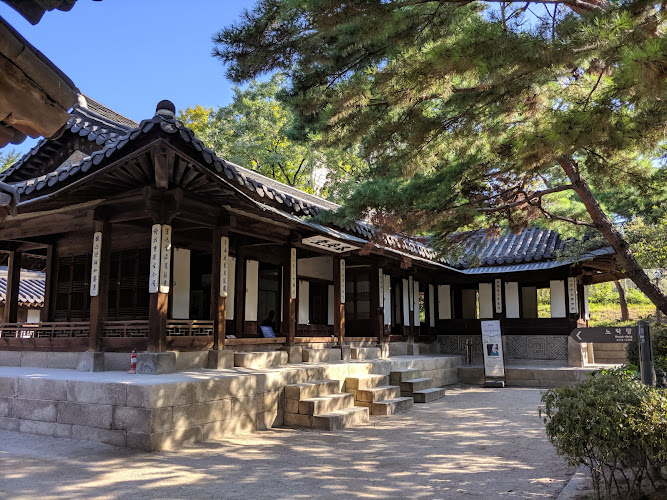
Unhyeongung Palace
About Unhyeongung Palace
Description
Unhyeongung Palace stands as one of Seoul's most intriguing historical treasures, though it often gets overshadowed by its grander cousins like Gyeongbokgung or Changdeokgung. But here's the thing – this relatively intimate royal residence offers something those sprawling palace complexes can't quite replicate: a genuine glimpse into the daily life of Korea's last royal dynasty before modernization swept through the peninsula.
Built during the Joseon Dynasty, Unhyeongung served as the residence of Prince Regent Heungseon Daewongun, who was the father of King Gojong. Now, if you're not familiar with Korean history, Heungseon Daewongun was basically the political powerhouse behind the throne during one of Korea's most turbulent periods in the late 19th century. The palace wasn't just a home – it was a political nerve center where critical decisions about Korea's future were hammered out over tea and contemplation in these very courtyards.
What makes Unhyeongung special is its scale. Unlike the massive royal palaces that can take half a day to explore properly, this complex feels almost residential. You can actually imagine people living here, going about their daily routines, having family dinners. The architecture follows traditional Korean design principles with beautiful wooden structures, gracefully curved rooflines, and those distinctive painted eaves that Korean palaces are famous for. Walking through the grounds, visitors get an authentic sense of aristocratic life during the Joseon period without feeling overwhelmed by endless courtyards and ceremonial halls.
The palace has been carefully restored and now serves multiple purposes. Sure, it's a historical site open for tours, but it also hosts traditional Korean weddings and cultural events throughout the year. I've heard from friends who stumbled upon a traditional wedding ceremony here, and they said it was absolutely magical – like stepping into a historical drama but with real emotions and contemporary people honoring ancient traditions.
Located in the heart of Seoul, Unhyeongung offers travelers a peaceful retreat from the city's relentless energy. The compound includes several buildings, each with its own historical significance and architectural charm. And honestly, the fact that this place isn't crawling with tour groups like some of the more famous palaces means you can actually take your time, sit on the wooden platforms, and just absorb the atmosphere.
Key Features
- Norakdang Hall – This was the main residence where Heungseon Daewongun lived and conducted political business. The interior has been preserved with period-appropriate furnishings that give you a real sense of how the elite lived during this era. The ondol heating system underneath the floors is still visible in some sections, showing the ingenious Korean approach to winter comfort.
- Noandang Hall – Originally built as the women's quarters, this building showcases the separate living arrangements that were customary in traditional Korean noble households. The architectural details here are particularly refined, with delicate woodwork and beautiful proportions.
- Irworobongdo Screen – Inside one of the halls, you'll find replicas of the traditional Korean folding screens featuring the sun, moon, and five peaks. These weren't just decorative – they symbolized the cosmic order and were exclusively used by royalty.
- Traditional Gardens – The landscaping follows classical Korean garden design with carefully positioned rocks, native plantings, and subtle water features. Everything is arranged according to principles of harmony and natural flow rather than geometric precision.
- Historical Exhibition Spaces – Several rooms contain artifacts, photographs, and explanatory materials about the palace's history and the pivotal role it played during Korea's transition period. Some displays include personal items belonging to the royal family.
- Performance and Event Venues – The palace regularly hosts traditional music performances, tea ceremonies, and other cultural demonstrations that bring the historical setting to life. Check the schedule because these events really enhance the experience.
- Wheelchair Accessible Facilities – Unlike many historical sites in Korea that involve lots of stairs and uneven surfaces, Unhyeongung has made genuine efforts to accommodate visitors with mobility challenges through accessible pathways and entrance ramps.
- Traditional Wedding Ceremonies – The palace serves as an authentic venue for Korean traditional weddings, and if you happen to visit when one is taking place, it's an incredible bonus experience watching the elaborate costumes and ancient rituals.
Best Time to Visit
Timing your visit to Unhyeongung can really make a difference in your experience. Spring, particularly late April through early May, is absolutely gorgeous when the palace grounds come alive with blooming flowers and fresh greenery. The temperatures are comfortable for walking around, and the soft light filtering through new leaves creates this almost ethereal atmosphere perfect for photography.
Autumn is equally spectacular, maybe even better in some ways. From late October through November, the traditional architecture is framed by fiery red and golden yellow foliage that seems almost too perfect to be real. Korean autumns are famous for a reason, and experiencing them in a historical setting like this is pretty unforgettable.
Summer can be challenging, I won't sugarcoat it. Seoul gets hot and humid from June through August, and since much of your visit involves outdoor walking, you'll be dealing with temperatures that regularly push above 30°C (86°F) with humidity that makes everything feel even hotter. But if summer is your only option, go early in the morning right when they open. The palace is quieter, the light is beautiful, and you'll beat the worst of the heat.
Winter visits have their own charm, though you'll need to bundle up properly. January and February can be bitterly cold, with temperatures dropping well below freezing. However, the palace covered in snow looks like something from a historical painting, and the smaller crowds mean you might have entire courtyards to yourself for contemplative moments.
Regarding the time of day, weekday mornings are ideal for a peaceful experience. The palace opens at 9 AM (closed on Mondays), and arriving within the first hour means you'll encounter fewer visitors. Weekends and Korean public holidays naturally attract more local families and domestic tourists, which adds energy but reduces tranquility.
If you're really keen on catching special cultural events or performances, check the palace's calendar before planning your visit. Traditional music performances and tea ceremonies usually happen on weekends and during major Korean holidays, adding significant value to your experience.
How to Get There
Getting to Unhyeongung is refreshingly straightforward, especially considering Seoul's reputation for being a sprawling metropolis. The palace sits in the Jongno district, which is basically the historical heart of Seoul, so it's well-connected to the city's excellent public transportation network.
The easiest method is taking the Seoul Metro to Anguk Station on Line 3. From Exit 4, it's literally a five-minute walk – you head straight and take the first right, and you'll see the palace walls. The signage is decent, and honestly, you can just follow other tourists who look like they know where they're going.
If you're staying in areas like Myeongdong, Itaewon, or Gangnam, you can reach Anguk Station with one transfer at most. Seoul's subway system is incredibly user-friendly for international visitors, with all signs in both Korean and English, and the T-money card works seamlessly across all forms of public transport.
Taxis are another option if you're traveling with mobility issues or just prefer door-to-door convenience. Fares in Seoul are quite reasonable compared to other major cities. Just show your driver "운현궁" (Unhyeongung) written down, and they'll know exactly where to go. From central Seoul locations, expect to pay around 6,000-10,000 won depending on traffic and your starting point.
Buses also serve the area, with several routes stopping near Anguk Station or along Yulgok-ro street. Routes 109, 151, 162, 171, 172, 272, and 601 all stop nearby. But honestly, unless you're already familiar with Seoul's bus system, the subway is more straightforward for most travelers.
If you're planning to visit multiple palaces or historical sites in the Jongno area, consider exploring on foot. Changdeokgung Palace, Bukchon Hanok Village, and Insadong are all within walking distance, making it easy to create a full day of cultural exploration without constantly hopping on and off public transport.
Tips for Visiting
The admission fee to Unhyeongung is remarkably affordable – currently around 700 won for adults, which is less than a dollar. Children under 7 and seniors over 65 get in free. It's almost suspiciously cheap compared to Seoul's larger palaces, but don't let the low price fool you into thinking the experience is somehow lesser. The value here is exceptional.
Give yourself at least an hour to explore properly, though history buffs could easily spend two hours reading all the informational plaques and really absorbing the atmosphere. The palace isn't huge, but rushing through defeats the purpose. Find a spot to sit quietly for a few minutes and just observe the architecture and imagine the historical events that unfolded in these courtyards.
Photography is generally allowed and even encouraged throughout most areas. The traditional architecture provides endless opportunities for beautiful shots, particularly if you're into composition and lines. Early morning or late afternoon offers the best natural lighting. But please be respectful if you encounter a traditional wedding ceremony – keep a polite distance and ask permission before photographing the wedding party.
Comfortable walking shoes are essential. While the grounds aren't massive, you'll be on your feet, and some areas have uneven stone pathways. Those elegant shoes might look great in photos, but your feet will hate you by the end of the visit.
English information is available throughout the palace, though not always as detailed as you might hope. Consider downloading an audio guide app before your visit, or join one of the guided tours if available. Understanding the historical context really enriches the experience – without it, you're just looking at old buildings, but with context, you're witnessing the physical manifestation of critical moments in Korean history.
Visit the small museum or exhibition areas inside some of the halls. These contain artifacts and photographs that bring the historical narrative to life. Many travelers skip these thinking they're just gift shops or administrative offices, but they actually contain valuable historical materials worth examining.
If you're visiting in summer, bring water and sun protection. There's limited shade in some areas, and Seoul summer sun is no joke. Conversely, winter visitors should dress in layers because while the outdoor areas are cold, any indoor exhibition spaces might be heated.
Check the cultural event schedule before your visit. Traditional performances, tea ceremonies, and special demonstrations happen regularly but not daily. These events transform the palace from a static museum into a living cultural experience, and they're usually included in your admission price or free.
Combine your visit with nearby attractions to maximize your time in the area. The palace is within a 15-minute walk of Bukchon Hanok Village, where you can wander through preserved residential neighborhoods with traditional Korean houses. Insadong, Seoul's traditional culture and arts district, is equally close and perfect for lunch and souvenir shopping.
Respect the historical nature of the site. These buildings are centuries old and contain irreplaceable cultural heritage. Stay on designated pathways, don't touch the woodwork or decorative elements, and follow any posted guidelines about restricted areas.
Finally, don't compare Unhyeongung directly to Seoul's grander palaces. It serves a different purpose and offers a different type of experience. The intimacy and quieter atmosphere here provide insights into royal life that the massive ceremonial palaces can't match. Appreciate it for what it is – a beautifully preserved window into a fascinating period of Korean history when the country stood at the crossroads between tradition and modernity.
Key Features
- Birthplace and residence of King Gojong and Heungseon Daewongun
- Well-preserved hanok buildings: Noandang, Norakdang and Irodang halls
- Intimate courtyards and traditional painted eaves ideal for photography
- Exhibition hall displaying artifacts and replicas related to palace life
- Seasonal cultural programs and occasional royal wedding reenactments
Nearby Attractions
Tours & Activities
GetYourGuide provides this tour inventory. We may earn a commission if you book through it; verify current availability, prices, and terms with the provider.
Visitor Reviews
There are no reviews yet. Be the first one to write one.
Share Your Experience
Have you visited Unhyeongung Palace? Help other travelers by leaving a review.