
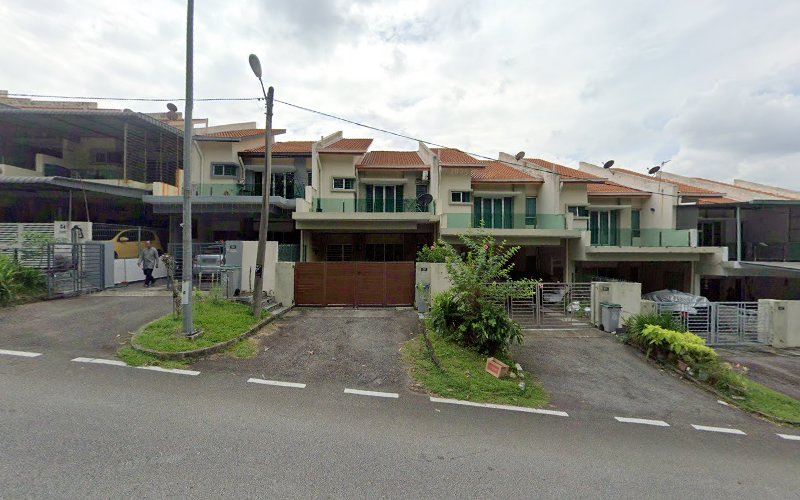
62, Jalan Cempaka 21
About 62, Jalan Cempaka 21
Description
When travelers think about exploring Malaysia, they often picture the usual tourist haunts and well-trodden paths through Kuala Lumpur or Penang. But here's the thing—sometimes the most memorable travel experiences happen in the places that don't make it onto every postcard and Instagram feed. 62, Jalan Cempaka 21 represents one of those genuinely authentic Malaysian experiences that you won't find plastered across travel brochures. Located in a residential area that breathes with the rhythm of everyday Malaysian life, this spot offers visitors something refreshingly different from the typical tourist circuit. I remember my first time wandering through similar neighborhoods in Southeast Asia, feeling like I'd stumbled upon a secret that guidebooks hadn't quite caught onto yet. There's something special about experiencing a place where locals actually live and work, rather than areas that exist solely for tourists. The surrounding area pulses with that unmistakable Malaysian energy—you know what I mean if you've ever been. It's that blend of cultures, the mix of old and new architecture, the smell of street food wafting from nearby stalls, and the sound of different languages creating their own unique symphony. This isn't a sterile, sanitized version of Malaysia packaged for western consumption. This is the real deal, and that's precisely what makes it worth considering for travelers who want to dig a bit deeper. What strikes most visitors about this location is its accessibility to genuine local life while still being convenient enough for travelers who don't want to sacrifice comfort entirely. You're close enough to amenities and transportation that you won't feel stranded, but far enough from the tourist bubble that you'll actually interact with real Malaysians going about their daily business.Key Features
The distinctive characteristics of 62, Jalan Cempaka 21 make it particularly appealing for certain types of travelers:- Authentic residential neighborhood setting that provides genuine cultural immersion rather than manufactured tourist experiences
- Strategic location that balances local atmosphere with practical access to transportation networks and essential services
- Proximity to traditional food establishments where locals actually eat, giving travelers the chance to taste Malaysia beyond tourist-oriented restaurants
- Relatively affordable area compared to major tourist districts, allowing budget-conscious travelers to stretch their ringgit further
- Opportunity to observe and participate in everyday Malaysian life, from morning markets to evening gatherings
- Less crowded environment that appeals to travelers seeking respite from overly touristed areas
- Access to local shops and markets where English might not be the primary language, pushing travelers out of their comfort zone in the best possible way
- Architectural variety in the surrounding area that tells the story of Malaysia's development and cultural diversity
- Nearby green spaces and community areas where locals gather, providing natural opportunities for cultural exchange
- Genuine sense of community that contrasts sharply with the transient feel of hotel districts
Best Time to Visit
Timing your visit to this area requires thinking differently than you would for traditional tourist attractions. Since this is primarily a residential location, the rhythm of the neighborhood changes throughout the day and across seasons in ways that matter more than you might initially think. The dry season, typically running from May through September, offers the most comfortable weather for exploring the surrounding streets on foot. And trust me, you'll want to walk around here. That's where the magic happens. But here's where it gets interesting—the monsoon season, which hits roughly from November through March, isn't necessarily a dealbreaker. Sure, you'll deal with afternoon showers, but the rain brings cooler temperatures and a different kind of beauty to the area. Early mornings between 6 and 9 AM reveal the neighborhood at its most authentic. This is when you'll see residents heading to work, kids going to school, and vendors setting up for the day. There's a coffee shop culture in Malaysia that rivals anywhere in the world, and morning is when you'll experience it properly. Plus, temperatures are at their most bearable before the tropical heat kicks in. Weekday visits versus weekend visits offer completely different experiences. During the week, the area maintains its working rhythm—quieter during business hours, busier during morning and evening commutes. Weekends bring a more relaxed atmosphere, with families spending time together and a generally slower pace. If you're trying to understand daily Malaysian life, weekdays give you that authentic picture. If you want to see how locals unwind, weekends are your answer. Avoiding major public holidays might be wise unless you're specifically interested in cultural celebrations. During Hari Raya, Chinese New Year, or Deepavali, the neighborhood transforms dramatically. Some visitors find this absolutely fascinating—I certainly do—but others prefer the regular rhythm of daily life. Just know that during these periods, many establishments close, and the area takes on a festive but less functional character. The evening hours between 5 and 8 PM offer another prime window for visitors. This is when the neighborhood comes alive after work, when street food vendors appear, and when you'll see Malaysian social life in action. The heat has broken, people are relaxed, and there's an energy that's infectious.How to Get There
Getting to 62, Jalan Cempaka 21 requires a bit more navigation than simply hopping on a tourist bus, but that's part of what makes it interesting. Malaysia's transportation network is actually pretty impressive once you understand how to use it. Grab, Southeast Asia's answer to Uber, is probably your most straightforward option. The app works seamlessly in Malaysia, drivers are generally reliable, and costs are reasonable compared to western standards. From Kuala Lumpur's city center, you're looking at a ride that depends entirely on traffic—which can be unpredictable, I won't lie to you. During peak hours, what should be a 20-minute journey might stretch to 45 minutes. But drivers usually know the area well, and you can track your route in real-time. Public transportation is absolutely viable if you're comfortable with a bit of adventure. The bus system in Malaysia gets overlooked by tourists who assume it's too complicated, but honestly, it's not that bad. You'll need to do some homework beforehand, checking routes and schedules, and having Google Maps downloaded for offline use helps tremendously. The buses are air-conditioned, inexpensive, and you'll be riding alongside locals rather than tourists, which I personally love. If you're staying elsewhere in the city and have access to a rental car, driving is an option—though parking in residential areas can be tricky. Malaysian traffic has its own personality, let's say. It's not as chaotic as some Southeast Asian countries, but it's definitely more aggressive than what most western drivers are accustomed to. Street parking typically requires you to pay an attendant who'll approach your vehicle, which confuses many first-time visitors but is completely normal. The train system might get you relatively close depending on your starting point, but you'll likely need to combine it with a short Grab ride or bus journey. The efficiency of Malaysian public transportation varies, but it's generally reliable and clean. For the truly adventurous, motorcycle taxis exist and offer a thrilling way to navigate traffic. They're faster, cheaper, and absolutely terrifying if you're not used to them. I've taken them countless times in Southeast Asia, and while I wouldn't recommend them to everyone, they're an experience in themselves.Tips for Visiting
Visiting a residential Malaysian neighborhood requires different preparation than visiting a tourist attraction, and being respectful of the local community should top your priority list. Dress appropriately for a conservative area. While Malaysia is relatively moderate, you're in someone's neighborhood, not on a beach. Covering shoulders and knees shows respect and helps you blend in rather than standing out as obviously foreign. And honestly, modest clothing often proves more comfortable in the tropical climate anyway. Learning a few basic Malay phrases goes surprisingly far. Most Malaysians speak some English, but attempting their language—even if you butcher it completely—demonstrates respect and usually earns you smiles. "Terima kasih" (thank you), "selamat pagi" (good morning), and "berapa harga?" (how much?) will serve you well. Cash remains king in residential areas. While KL's tourist districts have embraced card payments and e-wallets, smaller establishments in neighborhoods like this often operate cash-only. ATMs are available, but having small bills makes life easier. Trying to break a large note at a small warung can be awkward. Food safety follows the same rules as anywhere in Southeast Asia—eat where locals eat. If you see a crowd of Malaysians at a food stall, that's your green light. The turnover is high, the food is fresh, and you're probably about to have an amazing meal for a few ringgit. I've always been more cautious about empty restaurants than busy ones, regardless of how fancy they look. Photography etiquette matters in residential areas. Always ask before photographing people, their homes, or their businesses. What seems like picturesque local life to you is someone's actual life, and treating it like a human zoo is disrespectful. When people see you're genuinely interested rather than just collecting Instagram content, they usually warm up quickly. Expect language barriers and embrace them. Not everyone will speak English, and that's perfectly fine. Hand gestures, translation apps, and patience work wonders. Some of my most memorable travel moments have involved hilariously confused conversations that eventually led to mutual understanding and laughter. Stay aware of your surroundings without being paranoid. This isn't a particularly dangerous area, but like anywhere, keeping your wits about you makes sense. Don't flash expensive equipment unnecessarily, keep bags closed and close to you, and trust your instincts if something feels off. The heat and humidity will affect you more than you expect. Carry water, take breaks, and don't overschedule yourself. Malaysia's climate can be punishing if you're not accustomed to it. I've seen too many travelers push through exhaustion and miss out on experiences because they didn't pace themselves properly. Understand that this area operates on local time, not tourist time. Shops might close for prayers, take afternoon breaks, or keep irregular hours. This can be frustrating if you're used to everything being available 24/7, but it's also part of what makes the experience authentic. Flexibility becomes your best friend. Finally, approach your visit with genuine curiosity rather than a checklist mentality. This isn't a place where you tick off attractions and move on. The value here lies in observation, interaction, and allowing yourself to experience a different pace and way of life. The travelers who get the most from locations like 62, Jalan Cempaka 21 are those who arrive with open minds and leave with new perspectives on Malaysian culture beyond the tourist brochure version.Key Features
- Authentic residential neighborhood setting that provides genuine cultural immersion rather than manufactured tourist experiences
- Strategic location that balances local atmosphere with practical access to transportation networks and essential services
- Proximity to traditional food establishments where locals actually eat, giving travelers the chance to taste Malaysia beyond tourist-oriented restaurants
- Relatively affordable area compared to major tourist districts, allowing budget-conscious travelers to stretch their ringgit further
- Opportunity to observe and participate in everyday Malaysian life, from morning markets to evening gatherings
- Less crowded environment that appeals to travelers seeking respite from overly touristed areas
- Access to local shops and markets where English might not be the primary language, pushing travelers out of their comfort zone in the best possible way
- Architectural variety in the surrounding area that tells the story of Malaysia's development and cultural diversity
More Details
Updated January 5, 2026
Table of Contents
Description
When travelers think about exploring Malaysia, they often picture the usual tourist haunts and well-trodden paths through Kuala Lumpur or Penang. But here’s the thing—sometimes the most memorable travel experiences happen in the places that don’t make it onto every postcard and Instagram feed. 62, Jalan Cempaka 21 represents one of those genuinely authentic Malaysian experiences that you won’t find plastered across travel brochures.
Located in a residential area that breathes with the rhythm of everyday Malaysian life, this spot offers visitors something refreshingly different from the typical tourist circuit. I remember my first time wandering through similar neighborhoods in Southeast Asia, feeling like I’d stumbled upon a secret that guidebooks hadn’t quite caught onto yet. There’s something special about experiencing a place where locals actually live and work, rather than areas that exist solely for tourists.
The surrounding area pulses with that unmistakable Malaysian energy—you know what I mean if you’ve ever been. It’s that blend of cultures, the mix of old and new architecture, the smell of street food wafting from nearby stalls, and the sound of different languages creating their own unique symphony. This isn’t a sterile, sanitized version of Malaysia packaged for western consumption. This is the real deal, and that’s precisely what makes it worth considering for travelers who want to dig a bit deeper.
What strikes most visitors about this location is its accessibility to genuine local life while still being convenient enough for travelers who don’t want to sacrifice comfort entirely. You’re close enough to amenities and transportation that you won’t feel stranded, but far enough from the tourist bubble that you’ll actually interact with real Malaysians going about their daily business.
Key Features
The distinctive characteristics of 62, Jalan Cempaka 21 make it particularly appealing for certain types of travelers:
- Authentic residential neighborhood setting that provides genuine cultural immersion rather than manufactured tourist experiences
- Strategic location that balances local atmosphere with practical access to transportation networks and essential services
- Proximity to traditional food establishments where locals actually eat, giving travelers the chance to taste Malaysia beyond tourist-oriented restaurants
- Relatively affordable area compared to major tourist districts, allowing budget-conscious travelers to stretch their ringgit further
- Opportunity to observe and participate in everyday Malaysian life, from morning markets to evening gatherings
- Less crowded environment that appeals to travelers seeking respite from overly touristed areas
- Access to local shops and markets where English might not be the primary language, pushing travelers out of their comfort zone in the best possible way
- Architectural variety in the surrounding area that tells the story of Malaysia’s development and cultural diversity
- Nearby green spaces and community areas where locals gather, providing natural opportunities for cultural exchange
- Genuine sense of community that contrasts sharply with the transient feel of hotel districts
Best Time to Visit
Timing your visit to this area requires thinking differently than you would for traditional tourist attractions. Since this is primarily a residential location, the rhythm of the neighborhood changes throughout the day and across seasons in ways that matter more than you might initially think.
The dry season, typically running from May through September, offers the most comfortable weather for exploring the surrounding streets on foot. And trust me, you’ll want to walk around here. That’s where the magic happens. But here’s where it gets interesting—the monsoon season, which hits roughly from November through March, isn’t necessarily a dealbreaker. Sure, you’ll deal with afternoon showers, but the rain brings cooler temperatures and a different kind of beauty to the area.
Early mornings between 6 and 9 AM reveal the neighborhood at its most authentic. This is when you’ll see residents heading to work, kids going to school, and vendors setting up for the day. There’s a coffee shop culture in Malaysia that rivals anywhere in the world, and morning is when you’ll experience it properly. Plus, temperatures are at their most bearable before the tropical heat kicks in.
Weekday visits versus weekend visits offer completely different experiences. During the week, the area maintains its working rhythm—quieter during business hours, busier during morning and evening commutes. Weekends bring a more relaxed atmosphere, with families spending time together and a generally slower pace. If you’re trying to understand daily Malaysian life, weekdays give you that authentic picture. If you want to see how locals unwind, weekends are your answer.
Avoiding major public holidays might be wise unless you’re specifically interested in cultural celebrations. During Hari Raya, Chinese New Year, or Deepavali, the neighborhood transforms dramatically. Some visitors find this absolutely fascinating—I certainly do—but others prefer the regular rhythm of daily life. Just know that during these periods, many establishments close, and the area takes on a festive but less functional character.
The evening hours between 5 and 8 PM offer another prime window for visitors. This is when the neighborhood comes alive after work, when street food vendors appear, and when you’ll see Malaysian social life in action. The heat has broken, people are relaxed, and there’s an energy that’s infectious.
How to Get There
Getting to 62, Jalan Cempaka 21 requires a bit more navigation than simply hopping on a tourist bus, but that’s part of what makes it interesting. Malaysia’s transportation network is actually pretty impressive once you understand how to use it.
Grab, Southeast Asia’s answer to Uber, is probably your most straightforward option. The app works seamlessly in Malaysia, drivers are generally reliable, and costs are reasonable compared to western standards. From Kuala Lumpur’s city center, you’re looking at a ride that depends entirely on traffic—which can be unpredictable, I won’t lie to you. During peak hours, what should be a 20-minute journey might stretch to 45 minutes. But drivers usually know the area well, and you can track your route in real-time.
Public transportation is absolutely viable if you’re comfortable with a bit of adventure. The bus system in Malaysia gets overlooked by tourists who assume it’s too complicated, but honestly, it’s not that bad. You’ll need to do some homework beforehand, checking routes and schedules, and having Google Maps downloaded for offline use helps tremendously. The buses are air-conditioned, inexpensive, and you’ll be riding alongside locals rather than tourists, which I personally love.
If you’re staying elsewhere in the city and have access to a rental car, driving is an option—though parking in residential areas can be tricky. Malaysian traffic has its own personality, let’s say. It’s not as chaotic as some Southeast Asian countries, but it’s definitely more aggressive than what most western drivers are accustomed to. Street parking typically requires you to pay an attendant who’ll approach your vehicle, which confuses many first-time visitors but is completely normal.
The train system might get you relatively close depending on your starting point, but you’ll likely need to combine it with a short Grab ride or bus journey. The efficiency of Malaysian public transportation varies, but it’s generally reliable and clean.
For the truly adventurous, motorcycle taxis exist and offer a thrilling way to navigate traffic. They’re faster, cheaper, and absolutely terrifying if you’re not used to them. I’ve taken them countless times in Southeast Asia, and while I wouldn’t recommend them to everyone, they’re an experience in themselves.
Tips for Visiting
Visiting a residential Malaysian neighborhood requires different preparation than visiting a tourist attraction, and being respectful of the local community should top your priority list.
Dress appropriately for a conservative area. While Malaysia is relatively moderate, you’re in someone’s neighborhood, not on a beach. Covering shoulders and knees shows respect and helps you blend in rather than standing out as obviously foreign. And honestly, modest clothing often proves more comfortable in the tropical climate anyway.
Learning a few basic Malay phrases goes surprisingly far. Most Malaysians speak some English, but attempting their language—even if you butcher it completely—demonstrates respect and usually earns you smiles. “Terima kasih” (thank you), “selamat pagi” (good morning), and “berapa harga?” (how much?) will serve you well.
Cash remains king in residential areas. While KL’s tourist districts have embraced card payments and e-wallets, smaller establishments in neighborhoods like this often operate cash-only. ATMs are available, but having small bills makes life easier. Trying to break a large note at a small warung can be awkward.
Food safety follows the same rules as anywhere in Southeast Asia—eat where locals eat. If you see a crowd of Malaysians at a food stall, that’s your green light. The turnover is high, the food is fresh, and you’re probably about to have an amazing meal for a few ringgit. I’ve always been more cautious about empty restaurants than busy ones, regardless of how fancy they look.
Photography etiquette matters in residential areas. Always ask before photographing people, their homes, or their businesses. What seems like picturesque local life to you is someone’s actual life, and treating it like a human zoo is disrespectful. When people see you’re genuinely interested rather than just collecting Instagram content, they usually warm up quickly.
Expect language barriers and embrace them. Not everyone will speak English, and that’s perfectly fine. Hand gestures, translation apps, and patience work wonders. Some of my most memorable travel moments have involved hilariously confused conversations that eventually led to mutual understanding and laughter.
Stay aware of your surroundings without being paranoid. This isn’t a particularly dangerous area, but like anywhere, keeping your wits about you makes sense. Don’t flash expensive equipment unnecessarily, keep bags closed and close to you, and trust your instincts if something feels off.
The heat and humidity will affect you more than you expect. Carry water, take breaks, and don’t overschedule yourself. Malaysia’s climate can be punishing if you’re not accustomed to it. I’ve seen too many travelers push through exhaustion and miss out on experiences because they didn’t pace themselves properly.
Understand that this area operates on local time, not tourist time. Shops might close for prayers, take afternoon breaks, or keep irregular hours. This can be frustrating if you’re used to everything being available 24/7, but it’s also part of what makes the experience authentic. Flexibility becomes your best friend.
Finally, approach your visit with genuine curiosity rather than a checklist mentality. This isn’t a place where you tick off attractions and move on. The value here lies in observation, interaction, and allowing yourself to experience a different pace and way of life. The travelers who get the most from locations like 62, Jalan Cempaka 21 are those who arrive with open minds and leave with new perspectives on Malaysian culture beyond the tourist brochure version.
Key Highlights
- Authentic residential neighborhood setting that provides genuine cultural immersion rather than manufactured tourist experiences
- Strategic location that balances local atmosphere with practical access to transportation networks and essential services
- Proximity to traditional food establishments where locals actually eat, giving travelers the chance to taste Malaysia beyond tourist-oriented restaurants
- Relatively affordable area compared to major tourist districts, allowing budget-conscious travelers to stretch their ringgit further
- Opportunity to observe and participate in everyday Malaysian life, from morning markets to evening gatherings
- Less crowded environment that appeals to travelers seeking respite from overly touristed areas
- Access to local shops and markets where English might not be the primary language, pushing travelers out of their comfort zone in the best possible way
- Architectural variety in the surrounding area that tells the story of Malaysia's development and cultural diversity
Location
Places to Stay Near 62, Jalan Cempaka 21
Find and Book a Tour
Explore More Travel Guides
No reviews found! Be the first to review!
Traveler Reviews for 62, Jalan Cempaka 21
There are no reviews yet. Be the first one to write one.
Have you visited 62, Jalan Cempaka 21? Help other travelers by sharing your review.
You Might Also Like

Kompleks Al-Saadah

Jelita Ostrich Farm
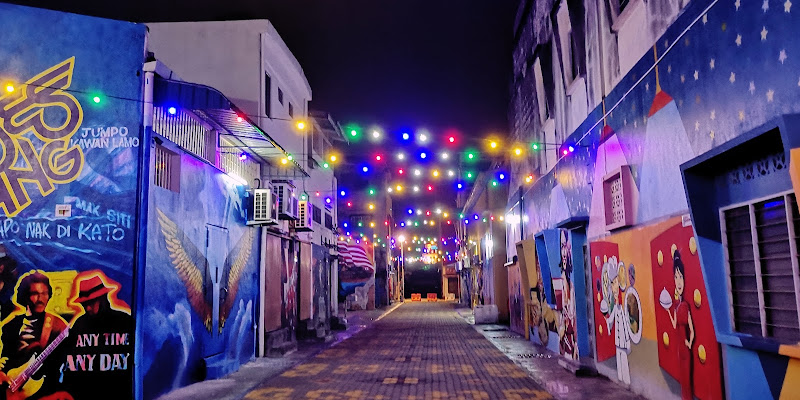
sfir Seremban Mural
Find Accommodations Nearby
Recommended Tours & Activities
Visitor Reviews
There are no reviews yet. Be the first one to write one.
Share Your Experience
Have you visited 62, Jalan Cempaka 21? Help other travelers by leaving a review.