
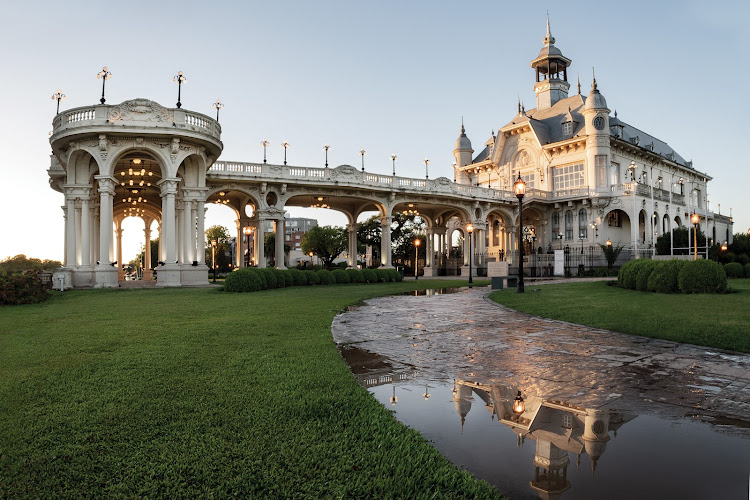
Museo de Arte de Tigre
About Museo de Arte de Tigre
Description
The Museo de Arte de Tigre stands as one of Argentina's most captivating cultural destinations, housed within what was once the luxurious Tigre Club—a Belle Époque social hub where Buenos Aires' elite gathered in the early 20th century. Today, this riverside gem showcases an impressive collection of Argentine figurative art from the 19th and 20th centuries, all within walls that whisper stories of glamorous parties and exclusive gatherings from decades past. What strikes visitors first is the building itself. The architecture is absolutely stunning, with its grand staircase, ornate ceilings, and massive windows overlooking the Luján River. Walking through these halls feels like stepping back in time, when Tigre was the weekend playground of Argentina's wealthiest families. The museum opened its doors in 2006 after extensive restoration work, and I have to say, they did an incredible job preserving the original character while creating functional gallery spaces. The permanent collection focuses primarily on Argentine artists, offering travelers a genuine window into the country's artistic evolution. You'll find works that capture the essence of Argentine life, from pastoral scenes of the Pampas to portraits of notable historical figures. What makes this museum particularly special is its dedication to artists who might not get as much attention in Buenos Aires' larger institutions, giving visitors a more nuanced understanding of Argentina's creative heritage. The riverside setting adds another dimension to the experience. Tigre itself sits at the delta where several rivers converge, creating a unique ecosystem of waterways, islands, and lush vegetation. The museum's location means you can combine your cultural fix with the natural beauty that defines this region just north of Buenos Aires.Key Features
- The building's original Belle Époque architecture, including the spectacular main hall with its soaring ceilings and period details that transport visitors back to 1912
- A carefully curated collection of Argentine figurative art spanning nearly two centuries, featuring both well-known masters and lesser-known regional artists
- Temporary exhibition spaces that rotate regularly, ensuring repeat visitors always find something fresh to discover
- An accessible gift shop offering art books, reproductions, and locally crafted items that make meaningful souvenirs
- Complete wheelchair accessibility throughout the museum, including entrance ramps, adapted restrooms, and elevator access to all floors
- Guided tours available for those wanting deeper context about the artworks and the building's fascinating history
- Educational programs and workshops that occasionally welcome drop-in participation from visitors
- The stunning riverfront terrace area where you can pause between galleries and watch boats glide past on the Luján River
- Photography-friendly spaces—though you'll want to check current policies, as some temporary exhibitions may have restrictions
- A family-friendly atmosphere with exhibits arranged in a way that keeps younger visitors engaged without overwhelming them
Best Time to Visit
Timing your visit to the Museo de Arte de Tigre requires thinking about several factors, and honestly, there's no single perfect answer for everyone. Weekdays, particularly Tuesday through Thursday, tend to be quieter. If you're someone who prefers contemplating art without crowds jostling for position, aim for mid-morning on a Wednesday. The museum sees its heaviest traffic on weekends and Argentine public holidays, when families from Buenos Aires make day trips to Tigre. But don't let that scare you off entirely—even on busy days, the museum rarely feels impossibly packed. Weather-wise, spring (September through November) and fall (March through May) offer the most comfortable temperatures for exploring both the museum and the surrounding Tigre area. Argentine summers can get brutally hot and humid, especially in January and February. The museum is climate-controlled inside, but you'll probably want to explore the riverside areas and nearby Puerto de Frutos market, where the heat can be intense. Winter months (June through August) bring cooler temperatures, and while the museum itself remains perfectly comfortable, the overall Tigre experience feels less magical when it's gray and chilly outside. That said, winter weekdays can be absolutely dead, giving you an almost private viewing experience. I'd personally recommend visiting on a spring or fall weekday morning. Arrive when they open, spend a couple hours with the collection, then grab lunch at one of the nearby restaurants along the waterfront. This timing lets you enjoy the museum before it gets crowded and still have the afternoon for exploring Tigre's other attractions. If you're visiting during peak tourist season (December through February), consider going later in the afternoon. Many day-trippers head back to Buenos Aires by 4 or 5 PM, leaving the museum quieter in its final hours.How to Get There
Getting to the Museo de Arte de Tigre from Buenos Aires is remarkably straightforward, though you have several options depending on your budget, time constraints, and sense of adventure. The most popular and atmospheric option is taking the train from Retiro station in Buenos Aires. The Mitre Line runs directly to Tigre, taking about an hour. It's affordable—ridiculously so by international standards—and gives you a real slice of Argentine daily life. You'll pass through numerous suburbs, watching the city gradually transform into greener, more residential areas. Once you arrive at Tigre station, the museum is about a 15-minute walk through the town center. Just head toward the river and follow the waterfront; you can't really get lost. For a more scenic approach, consider combining the train with a boat ride. Take the train to Tigre, then catch one of the tourist catamarans that cruise through the delta. Some of these boats pass right by the museum, though you'll need to check current routes and schedules. Driving is certainly possible if you've rented a car. The Panamericana highway connects Buenos Aires to Tigre in about 45 minutes, depending on traffic. Free street parking is available in the area, though finding a spot on weekends requires patience and maybe a bit of luck. Parking gets easier the farther you walk from the main tourist zone. Ride-sharing services like Uber or Cabify work well for door-to-door convenience, though the cost adds up compared to public transport. This option makes sense if you're traveling with kids or mobility concerns. Once you're in Tigre proper, the museum sits right on Paseo Victorica, the main riverside promenade. The building is distinctive enough that asking any local will get you pointed in the right direction. And honestly, the walk along the river is half the fun—you'll pass restaurants, street vendors, and plenty of spots to pause and watch the boat traffic.Tips for Visiting
Start by checking the museum's current hours before you go, as they can vary seasonally and on public holidays. There's nothing worse than traveling an hour from Buenos Aires only to find locked doors. Bring cash for the admission fee and any purchases in the gift shop. While card payment options have improved throughout Argentina, smaller museums can be unpredictable with electronic payments, and you don't want payment issues to derail your visit. The museum's temperature control can be aggressive, especially in summer. I learned this the hard way, shivering through the upper galleries in shorts and a t-shirt while it was 35 degrees outside. Bring a light sweater or jacket regardless of the weather. Photography is generally allowed in the permanent collection areas, but flash photography damages artwork over time, so keep your flash off. Some temporary exhibitions prohibit photography entirely—respect these rules even when nobody's watching. Don't rush through. The collection isn't massive by major museum standards, which is actually a blessing. You can thoroughly experience everything in about two hours without gallery fatigue setting in. Take time to read the explanatory texts; they provide valuable context about the artists and Argentina's cultural history. The gift shop deserves more than a cursory glance on your way out. They stock some genuinely interesting art books about Argentine artists that you won't find easily elsewhere, plus locally made crafts that beat the generic souvenirs sold elsewhere in Tigre. If you're visiting with children, the museum staff can sometimes provide activity sheets or scavenger hunt materials that help keep younger visitors engaged. Just ask at the entrance. Plan your visit as part of a larger Tigre day trip rather than making it your sole destination. The Puerto de Frutos artisan market, the casino, and various delta boat tours all sit within easy reach. The museum works perfectly as either a morning or afternoon component of a full day exploring this unique river delta region. Comfortable walking shoes are non-negotiable. The museum's floors are hard, and you'll likely be doing considerable walking around Tigre itself. Consider joining a guided tour if you want deeper insight into the collection. The guides bring the artworks to life with anecdotes about the artists and historical context that you'd miss otherwise. Tours are typically offered in Spanish, though English options sometimes exist—call ahead to confirm. And here's something most travel guides won't tell you: the museum's terrace area overlooking the river is one of Tigre's best photo opportunities, especially during golden hour when the light hits the water just right. Budget a few extra minutes to enjoy this spot.Key Features
- The building's original Belle Époque architecture, including the spectacular main hall with its soaring ceilings and period details that transport visitors back to 1912
- A carefully curated collection of Argentine figurative art spanning nearly two centuries, featuring both well-known masters and lesser-known regional artists
- Temporary exhibition spaces that rotate regularly, ensuring repeat visitors always find something fresh to discover
- An accessible gift shop offering art books, reproductions, and locally crafted items that make meaningful souvenirs
- Complete wheelchair accessibility throughout the museum, including entrance ramps, adapted restrooms, and elevator access to all floors
- Guided tours available for those wanting deeper context about the artworks and the building's fascinating history
- Educational programs and workshops that occasionally welcome drop-in participation from visitors
- The stunning riverfront terrace area where you can pause between galleries and watch boats glide past on the Luján River
More Details
Updated January 16, 2026
Table of Contents
Description
The Museo de Arte de Tigre stands as one of Argentina’s most captivating cultural destinations, housed within what was once the luxurious Tigre Club—a Belle Époque social hub where Buenos Aires’ elite gathered in the early 20th century. Today, this riverside gem showcases an impressive collection of Argentine figurative art from the 19th and 20th centuries, all within walls that whisper stories of glamorous parties and exclusive gatherings from decades past.
What strikes visitors first is the building itself. The architecture is absolutely stunning, with its grand staircase, ornate ceilings, and massive windows overlooking the Luján River. Walking through these halls feels like stepping back in time, when Tigre was the weekend playground of Argentina’s wealthiest families. The museum opened its doors in 2006 after extensive restoration work, and I have to say, they did an incredible job preserving the original character while creating functional gallery spaces.
The permanent collection focuses primarily on Argentine artists, offering travelers a genuine window into the country’s artistic evolution. You’ll find works that capture the essence of Argentine life, from pastoral scenes of the Pampas to portraits of notable historical figures. What makes this museum particularly special is its dedication to artists who might not get as much attention in Buenos Aires’ larger institutions, giving visitors a more nuanced understanding of Argentina’s creative heritage.
The riverside setting adds another dimension to the experience. Tigre itself sits at the delta where several rivers converge, creating a unique ecosystem of waterways, islands, and lush vegetation. The museum’s location means you can combine your cultural fix with the natural beauty that defines this region just north of Buenos Aires.
Key Features
- The building’s original Belle Époque architecture, including the spectacular main hall with its soaring ceilings and period details that transport visitors back to 1912
- A carefully curated collection of Argentine figurative art spanning nearly two centuries, featuring both well-known masters and lesser-known regional artists
- Temporary exhibition spaces that rotate regularly, ensuring repeat visitors always find something fresh to discover
- An accessible gift shop offering art books, reproductions, and locally crafted items that make meaningful souvenirs
- Complete wheelchair accessibility throughout the museum, including entrance ramps, adapted restrooms, and elevator access to all floors
- Guided tours available for those wanting deeper context about the artworks and the building’s fascinating history
- Educational programs and workshops that occasionally welcome drop-in participation from visitors
- The stunning riverfront terrace area where you can pause between galleries and watch boats glide past on the Luján River
- Photography-friendly spaces—though you’ll want to check current policies, as some temporary exhibitions may have restrictions
- A family-friendly atmosphere with exhibits arranged in a way that keeps younger visitors engaged without overwhelming them
Best Time to Visit
Timing your visit to the Museo de Arte de Tigre requires thinking about several factors, and honestly, there’s no single perfect answer for everyone.
Weekdays, particularly Tuesday through Thursday, tend to be quieter. If you’re someone who prefers contemplating art without crowds jostling for position, aim for mid-morning on a Wednesday. The museum sees its heaviest traffic on weekends and Argentine public holidays, when families from Buenos Aires make day trips to Tigre. But don’t let that scare you off entirely—even on busy days, the museum rarely feels impossibly packed.
Weather-wise, spring (September through November) and fall (March through May) offer the most comfortable temperatures for exploring both the museum and the surrounding Tigre area. Argentine summers can get brutally hot and humid, especially in January and February. The museum is climate-controlled inside, but you’ll probably want to explore the riverside areas and nearby Puerto de Frutos market, where the heat can be intense.
Winter months (June through August) bring cooler temperatures, and while the museum itself remains perfectly comfortable, the overall Tigre experience feels less magical when it’s gray and chilly outside. That said, winter weekdays can be absolutely dead, giving you an almost private viewing experience.
I’d personally recommend visiting on a spring or fall weekday morning. Arrive when they open, spend a couple hours with the collection, then grab lunch at one of the nearby restaurants along the waterfront. This timing lets you enjoy the museum before it gets crowded and still have the afternoon for exploring Tigre’s other attractions.
If you’re visiting during peak tourist season (December through February), consider going later in the afternoon. Many day-trippers head back to Buenos Aires by 4 or 5 PM, leaving the museum quieter in its final hours.
How to Get There
Getting to the Museo de Arte de Tigre from Buenos Aires is remarkably straightforward, though you have several options depending on your budget, time constraints, and sense of adventure.
The most popular and atmospheric option is taking the train from Retiro station in Buenos Aires. The Mitre Line runs directly to Tigre, taking about an hour. It’s affordable—ridiculously so by international standards—and gives you a real slice of Argentine daily life. You’ll pass through numerous suburbs, watching the city gradually transform into greener, more residential areas. Once you arrive at Tigre station, the museum is about a 15-minute walk through the town center. Just head toward the river and follow the waterfront; you can’t really get lost.
For a more scenic approach, consider combining the train with a boat ride. Take the train to Tigre, then catch one of the tourist catamarans that cruise through the delta. Some of these boats pass right by the museum, though you’ll need to check current routes and schedules.
Driving is certainly possible if you’ve rented a car. The Panamericana highway connects Buenos Aires to Tigre in about 45 minutes, depending on traffic. Free street parking is available in the area, though finding a spot on weekends requires patience and maybe a bit of luck. Parking gets easier the farther you walk from the main tourist zone.
Ride-sharing services like Uber or Cabify work well for door-to-door convenience, though the cost adds up compared to public transport. This option makes sense if you’re traveling with kids or mobility concerns.
Once you’re in Tigre proper, the museum sits right on Paseo Victorica, the main riverside promenade. The building is distinctive enough that asking any local will get you pointed in the right direction. And honestly, the walk along the river is half the fun—you’ll pass restaurants, street vendors, and plenty of spots to pause and watch the boat traffic.
Tips for Visiting
Start by checking the museum’s current hours before you go, as they can vary seasonally and on public holidays. There’s nothing worse than traveling an hour from Buenos Aires only to find locked doors.
Bring cash for the admission fee and any purchases in the gift shop. While card payment options have improved throughout Argentina, smaller museums can be unpredictable with electronic payments, and you don’t want payment issues to derail your visit.
The museum’s temperature control can be aggressive, especially in summer. I learned this the hard way, shivering through the upper galleries in shorts and a t-shirt while it was 35 degrees outside. Bring a light sweater or jacket regardless of the weather.
Photography is generally allowed in the permanent collection areas, but flash photography damages artwork over time, so keep your flash off. Some temporary exhibitions prohibit photography entirely—respect these rules even when nobody’s watching.
Don’t rush through. The collection isn’t massive by major museum standards, which is actually a blessing. You can thoroughly experience everything in about two hours without gallery fatigue setting in. Take time to read the explanatory texts; they provide valuable context about the artists and Argentina’s cultural history.
The gift shop deserves more than a cursory glance on your way out. They stock some genuinely interesting art books about Argentine artists that you won’t find easily elsewhere, plus locally made crafts that beat the generic souvenirs sold elsewhere in Tigre.
If you’re visiting with children, the museum staff can sometimes provide activity sheets or scavenger hunt materials that help keep younger visitors engaged. Just ask at the entrance.
Plan your visit as part of a larger Tigre day trip rather than making it your sole destination. The Puerto de Frutos artisan market, the casino, and various delta boat tours all sit within easy reach. The museum works perfectly as either a morning or afternoon component of a full day exploring this unique river delta region.
Comfortable walking shoes are non-negotiable. The museum’s floors are hard, and you’ll likely be doing considerable walking around Tigre itself.
Consider joining a guided tour if you want deeper insight into the collection. The guides bring the artworks to life with anecdotes about the artists and historical context that you’d miss otherwise. Tours are typically offered in Spanish, though English options sometimes exist—call ahead to confirm.
And here’s something most travel guides won’t tell you: the museum’s terrace area overlooking the river is one of Tigre’s best photo opportunities, especially during golden hour when the light hits the water just right. Budget a few extra minutes to enjoy this spot.
Key Highlights
- The building's original Belle Époque architecture, including the spectacular main hall with its soaring ceilings and period details that transport visitors back to 1912
- A carefully curated collection of Argentine figurative art spanning nearly two centuries, featuring both well-known masters and lesser-known regional artists
- Temporary exhibition spaces that rotate regularly, ensuring repeat visitors always find something fresh to discover
- An accessible gift shop offering art books, reproductions, and locally crafted items that make meaningful souvenirs
- Complete wheelchair accessibility throughout the museum, including entrance ramps, adapted restrooms, and elevator access to all floors
- Guided tours available for those wanting deeper context about the artworks and the building's fascinating history
- Educational programs and workshops that occasionally welcome drop-in participation from visitors
- The stunning riverfront terrace area where you can pause between galleries and watch boats glide past on the Luján River
Location
Places to Stay Near Museo de Arte de Tigre
Find and Book a Tour
Explore More Travel Guides
No reviews found! Be the first to review!
Traveler Reviews for Museo de Arte de Tigre
There are no reviews yet. Be the first one to write one.
Have you visited Museo de Arte de Tigre? Help other travelers by sharing your review.
You Might Also Like
Monte Blanco County Reserve
Museo Naval de la Nación
Isla El Descanso
Find Accommodations Nearby
Recommended Tours & Activities
Visitor Reviews
There are no reviews yet. Be the first one to write one.
Share Your Experience
Have you visited Museo de Arte de Tigre? Help other travelers by leaving a review.