
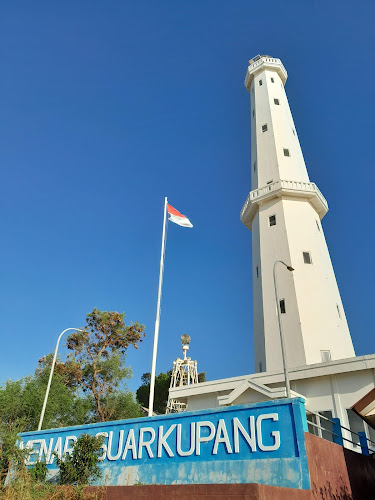
Kupang Lighthouse
About Kupang Lighthouse
Description
Standing tall against the backdrop of Indonesia's eastern frontier, the Kupang Lighthouse serves as more than just a navigational beacon for ships entering the Savu Sea. This historic structure has become one of the most photographed landmarks in East Nusa Tenggara, drawing travelers who appreciate a good sunset, maritime history, and that perfect Instagram shot all rolled into one coastal package. The lighthouse itself rises from a rocky promontory where the land meets the Timor Sea, and honestly, the location couldn't be more dramatic if someone had planned it for a movie set. When I first heard about this place from a fellow traveler in Jakarta, they described it as "unexpectedly captivating" – which is traveler code for "way better than I thought it would be." And they weren't wrong. The structure might not be the tallest lighthouse you'll ever see, but what it lacks in sheer height it makes up for in character and setting. What makes Kupang Lighthouse particularly special is how it's managed to remain relatively authentic despite growing tourist interest. You won't find rows of souvenir shops or aggressive vendors here – it's still got that raw, unpolished charm that makes you feel like you've discovered something genuine. The surrounding area offers sweeping views of the coastline, and on clear days (which, let me tell you, are pretty frequent in this part of Indonesia), you can see fishing boats dotting the horizon like scattered paint strokes on a blue canvas. Families absolutely love this spot, and it's easy to understand why. The open spaces around the lighthouse give kids room to run around without parents having that constant panic about them wandering into traffic or getting lost in crowds. There's something about lighthouses that captures children's imaginations – maybe it's the idea of guiding ships safely home, or maybe they just think it looks cool. Either way, it works.Key Features
- The lighthouse structure itself stands as an architectural reminder of Indonesia's maritime heritage, with its classic cylindrical design painted in the traditional color scheme that makes it instantly recognizable from the water
- Panoramic coastal views that stretch for miles along the shoreline, offering photographers and nature enthusiasts some of the best vantage points in the Kupang region
- Rocky coastal terrain surrounding the lighthouse creates natural tide pools during low tide, where curious visitors can spot small marine creatures going about their daily business
- Sunset viewing opportunities that regularly attract both locals and tourists who know that this particular spot catches the golden hour light in ways that make even smartphone cameras look professional
- Historical significance as a functioning navigational aid that continues to serve its original purpose while welcoming visitors during appropriate hours
- Family-friendly environment with open spaces that allow children to explore safely while parents can actually relax instead of being on constant high alert
- Relatively uncrowded atmosphere compared to other tourist attractions in Indonesia, meaning you can actually hear yourself think and won't be jostling for photo positions
- Local fishing activity visible from the lighthouse grounds, giving visitors an authentic glimpse into the daily life of coastal communities in East Nusa Tenggara
- Fresh sea breezes that provide natural air conditioning – particularly appreciated after spending time in Kupang's warm downtown area
- Walking paths around the lighthouse grounds that encourage leisurely exploration without requiring any particular level of fitness or hiking experience
Best Time to Visit
Timing your visit to Kupang Lighthouse can make the difference between a pleasant outing and an absolutely memorable experience. The dry season running from May through October is generally considered the sweet spot for visiting this part of East Nusa Tenggara. During these months, you're looking at clear skies, minimal rainfall, and that perfect combination of sunshine and manageable temperatures. But here's where I'm going to share something that locals know and tourists often miss: the shoulder months of April and November can actually be fantastic times to visit. Yes, you might catch some rain, but the crowds are thinner, the landscape is greener, and there's something about the dramatic cloud formations during this transitional period that makes for even more spectacular photographs. For the best lighting – and let's be honest, that's what most visitors care about – aim for late afternoon visits. Around 4:00 PM to 6:00 PM hits differently at the lighthouse. The sun starts its descent toward the horizon, the harsh midday glare softens into that gorgeous golden light, and the whole scene transforms into something that looks like it belongs on a postcard. And weekdays tend to be quieter than weekends, which matters if you're someone who prefers contemplative solitude over social gatherings. Early morning visits have their own appeal, particularly for travelers who enjoy that fresh, crisp air before the day heats up. The sunrise from this location isn't quite as famous as the sunset, but in my opinion, it's equally beautiful – just appreciated by fewer people because, well, waking up early on vacation requires a special kind of commitment. Avoid visiting during the peak midday heat between noon and 2:00 PM unless you're particularly fond of sweating. The coastal location does provide some breeze, but the sun in this part of Indonesia doesn't mess around. Your photos will have harsh shadows anyway, so there's really no advantage to suffering through the hottest part of the day.How to Get There
Getting to Kupang Lighthouse requires a bit of planning, but nothing that should intimidate even moderately experienced travelers. The lighthouse sits a short distance from Kupang's city center, making it accessible without requiring an entire day's expedition. Most visitors arrive by rental motorbike, which is honestly the most flexible and economical option if you're comfortable on two wheels. Kupang has numerous rental shops, and the ride to the lighthouse takes roughly 20-25 minutes depending on traffic and how many times you stop to check your map. The route is fairly straightforward once you get your bearings, though I'd recommend downloading offline maps before you set out because mobile data coverage can get spotty once you leave the main roads. Taxis and ride-sharing services operate in Kupang, and drivers generally know the lighthouse location well enough that you won't end up on some wild goose chase through residential neighborhoods. If you're going the taxi route, consider negotiating a return pickup time with your driver rather than trying to find transportation back – it's one of those places where getting there is easier than getting back, if you know what I mean. For budget travelers or those who enjoy local experiences, public minibuses (known locally as bemos) run routes that pass relatively near the lighthouse area. You'll need to ask locals which specific route to take, and be prepared for some walking once you get dropped off. This option requires more time and patience, but it's certainly doable and gives you a more authentic slice of local transportation culture. If you're staying at a hotel in Kupang, ask the front desk about arranging transportation. Many hotels can organize drivers for reasonable rates, and having someone who knows exactly where they're going eliminates that low-level navigation anxiety that can take the fun out of exploring. The roads leading to the lighthouse are paved and in decent condition, so you don't need any special vehicle or off-road capabilities. Just standard attention to traffic patterns and maybe a bit more caution than you'd exercise back home, because Indonesian traffic has its own special rhythm that takes some getting used to.Tips for Visiting
Bring sun protection that actually works – we're talking serious sunscreen, a hat that won't blow off in the coastal wind, and sunglasses you don't mind wearing for extended periods. That sea breeze can trick you into thinking you're not getting sun exposure, but trust me, you are. I learned this the hard way during my early travels through Indonesia, and sunburned shoulders are not the souvenir you want to take home. Water is essential. There aren't convenient stores or vendors right at the lighthouse, so pack more water than you think you'll need. Dehydration sneaks up on you faster in coastal heat than you'd expect, and there's nothing worse than cutting your visit short because you're parched and miserable. Wear appropriate footwear – and by appropriate, I mean closed-toe shoes with actual grip. The rocky terrain around the lighthouse isn't exactly treacherous, but flip-flops are asking for a twisted ankle or scraped foot. Save the sandals for the beach and wear shoes that can handle uneven surfaces. If you're bringing children (which many visitors do, given how kid-friendly this spot is), pack some snacks and entertainment for the ride there and back. The lighthouse itself will keep them occupied for a while, but the journey might test their patience depending on their age and temperament. Respect the lighthouse's functional role as navigational equipment. This isn't just a tourist attraction – it's still an active lighthouse serving real maritime purposes. Don't climb on restricted areas, damage equipment, or interfere with anything that looks official. It should go without saying, but I've seen enough tourists treating historical sites like personal playgrounds to know it bears repeating. Bring your camera or phone with plenty of battery life and storage space. You'll take more photos than you planned, guaranteed. The changing light, the coastal views, the lighthouse from different angles – it all adds up to dozens of shots before you realize how trigger-happy you've become. Check the tide schedule if you're interested in exploring the tide pools. Low tide reveals all sorts of interesting marine life and rock formations that remain underwater during high tide. Local shops or your hotel should have tide information, or you can find it online before you leave for the day. Consider packing a light jacket or long-sleeved shirt for late afternoon visits. Once that sun starts dropping, the wind off the water can get surprisingly cool, and you don't want to be shivering through what should be a beautiful sunset experience. Finally, take your time. This isn't the kind of attraction you need to rush through on some tightly scheduled tour itinerary. The whole point is soaking in the views, breathing the sea air, and experiencing a quieter side of Indonesian coastal life. Give yourself at least an hour or two to really appreciate what makes this place special rather than just checking it off your list and racing to the next destination.Key Features
- Historic white cylindrical lighthouse tower with classic maritime architecture
- Panoramic views of Kupang Harbor and the Savu Sea, excellent at sunset
- Photogenic coastal setting popular with photographers and locals
- Nearby fishing activity and traditional boats offering cultural context
- Easy access from Kupang city center and useful as a gateway to Rote and other islands
More Details
Updated January 17, 2026
Table of Contents
Description
Standing tall against the backdrop of Indonesia’s eastern frontier, the Kupang Lighthouse serves as more than just a navigational beacon for ships entering the Savu Sea. This historic structure has become one of the most photographed landmarks in East Nusa Tenggara, drawing travelers who appreciate a good sunset, maritime history, and that perfect Instagram shot all rolled into one coastal package.
The lighthouse itself rises from a rocky promontory where the land meets the Timor Sea, and honestly, the location couldn’t be more dramatic if someone had planned it for a movie set. When I first heard about this place from a fellow traveler in Jakarta, they described it as “unexpectedly captivating” – which is traveler code for “way better than I thought it would be.” And they weren’t wrong. The structure might not be the tallest lighthouse you’ll ever see, but what it lacks in sheer height it makes up for in character and setting.
What makes Kupang Lighthouse particularly special is how it’s managed to remain relatively authentic despite growing tourist interest. You won’t find rows of souvenir shops or aggressive vendors here – it’s still got that raw, unpolished charm that makes you feel like you’ve discovered something genuine. The surrounding area offers sweeping views of the coastline, and on clear days (which, let me tell you, are pretty frequent in this part of Indonesia), you can see fishing boats dotting the horizon like scattered paint strokes on a blue canvas.
Families absolutely love this spot, and it’s easy to understand why. The open spaces around the lighthouse give kids room to run around without parents having that constant panic about them wandering into traffic or getting lost in crowds. There’s something about lighthouses that captures children’s imaginations – maybe it’s the idea of guiding ships safely home, or maybe they just think it looks cool. Either way, it works.
Key Features
- The lighthouse structure itself stands as an architectural reminder of Indonesia’s maritime heritage, with its classic cylindrical design painted in the traditional color scheme that makes it instantly recognizable from the water
- Panoramic coastal views that stretch for miles along the shoreline, offering photographers and nature enthusiasts some of the best vantage points in the Kupang region
- Rocky coastal terrain surrounding the lighthouse creates natural tide pools during low tide, where curious visitors can spot small marine creatures going about their daily business
- Sunset viewing opportunities that regularly attract both locals and tourists who know that this particular spot catches the golden hour light in ways that make even smartphone cameras look professional
- Historical significance as a functioning navigational aid that continues to serve its original purpose while welcoming visitors during appropriate hours
- Family-friendly environment with open spaces that allow children to explore safely while parents can actually relax instead of being on constant high alert
- Relatively uncrowded atmosphere compared to other tourist attractions in Indonesia, meaning you can actually hear yourself think and won’t be jostling for photo positions
- Local fishing activity visible from the lighthouse grounds, giving visitors an authentic glimpse into the daily life of coastal communities in East Nusa Tenggara
- Fresh sea breezes that provide natural air conditioning – particularly appreciated after spending time in Kupang’s warm downtown area
- Walking paths around the lighthouse grounds that encourage leisurely exploration without requiring any particular level of fitness or hiking experience
Best Time to Visit
Timing your visit to Kupang Lighthouse can make the difference between a pleasant outing and an absolutely memorable experience. The dry season running from May through October is generally considered the sweet spot for visiting this part of East Nusa Tenggara. During these months, you’re looking at clear skies, minimal rainfall, and that perfect combination of sunshine and manageable temperatures.
But here’s where I’m going to share something that locals know and tourists often miss: the shoulder months of April and November can actually be fantastic times to visit. Yes, you might catch some rain, but the crowds are thinner, the landscape is greener, and there’s something about the dramatic cloud formations during this transitional period that makes for even more spectacular photographs.
For the best lighting – and let’s be honest, that’s what most visitors care about – aim for late afternoon visits. Around 4:00 PM to 6:00 PM hits differently at the lighthouse. The sun starts its descent toward the horizon, the harsh midday glare softens into that gorgeous golden light, and the whole scene transforms into something that looks like it belongs on a postcard. And weekdays tend to be quieter than weekends, which matters if you’re someone who prefers contemplative solitude over social gatherings.
Early morning visits have their own appeal, particularly for travelers who enjoy that fresh, crisp air before the day heats up. The sunrise from this location isn’t quite as famous as the sunset, but in my opinion, it’s equally beautiful – just appreciated by fewer people because, well, waking up early on vacation requires a special kind of commitment.
Avoid visiting during the peak midday heat between noon and 2:00 PM unless you’re particularly fond of sweating. The coastal location does provide some breeze, but the sun in this part of Indonesia doesn’t mess around. Your photos will have harsh shadows anyway, so there’s really no advantage to suffering through the hottest part of the day.
How to Get There
Getting to Kupang Lighthouse requires a bit of planning, but nothing that should intimidate even moderately experienced travelers. The lighthouse sits a short distance from Kupang’s city center, making it accessible without requiring an entire day’s expedition.
Most visitors arrive by rental motorbike, which is honestly the most flexible and economical option if you’re comfortable on two wheels. Kupang has numerous rental shops, and the ride to the lighthouse takes roughly 20-25 minutes depending on traffic and how many times you stop to check your map. The route is fairly straightforward once you get your bearings, though I’d recommend downloading offline maps before you set out because mobile data coverage can get spotty once you leave the main roads.
Taxis and ride-sharing services operate in Kupang, and drivers generally know the lighthouse location well enough that you won’t end up on some wild goose chase through residential neighborhoods. If you’re going the taxi route, consider negotiating a return pickup time with your driver rather than trying to find transportation back – it’s one of those places where getting there is easier than getting back, if you know what I mean.
For budget travelers or those who enjoy local experiences, public minibuses (known locally as bemos) run routes that pass relatively near the lighthouse area. You’ll need to ask locals which specific route to take, and be prepared for some walking once you get dropped off. This option requires more time and patience, but it’s certainly doable and gives you a more authentic slice of local transportation culture.
If you’re staying at a hotel in Kupang, ask the front desk about arranging transportation. Many hotels can organize drivers for reasonable rates, and having someone who knows exactly where they’re going eliminates that low-level navigation anxiety that can take the fun out of exploring.
The roads leading to the lighthouse are paved and in decent condition, so you don’t need any special vehicle or off-road capabilities. Just standard attention to traffic patterns and maybe a bit more caution than you’d exercise back home, because Indonesian traffic has its own special rhythm that takes some getting used to.
Tips for Visiting
Bring sun protection that actually works – we’re talking serious sunscreen, a hat that won’t blow off in the coastal wind, and sunglasses you don’t mind wearing for extended periods. That sea breeze can trick you into thinking you’re not getting sun exposure, but trust me, you are. I learned this the hard way during my early travels through Indonesia, and sunburned shoulders are not the souvenir you want to take home.
Water is essential. There aren’t convenient stores or vendors right at the lighthouse, so pack more water than you think you’ll need. Dehydration sneaks up on you faster in coastal heat than you’d expect, and there’s nothing worse than cutting your visit short because you’re parched and miserable.
Wear appropriate footwear – and by appropriate, I mean closed-toe shoes with actual grip. The rocky terrain around the lighthouse isn’t exactly treacherous, but flip-flops are asking for a twisted ankle or scraped foot. Save the sandals for the beach and wear shoes that can handle uneven surfaces.
If you’re bringing children (which many visitors do, given how kid-friendly this spot is), pack some snacks and entertainment for the ride there and back. The lighthouse itself will keep them occupied for a while, but the journey might test their patience depending on their age and temperament.
Respect the lighthouse’s functional role as navigational equipment. This isn’t just a tourist attraction – it’s still an active lighthouse serving real maritime purposes. Don’t climb on restricted areas, damage equipment, or interfere with anything that looks official. It should go without saying, but I’ve seen enough tourists treating historical sites like personal playgrounds to know it bears repeating.
Bring your camera or phone with plenty of battery life and storage space. You’ll take more photos than you planned, guaranteed. The changing light, the coastal views, the lighthouse from different angles – it all adds up to dozens of shots before you realize how trigger-happy you’ve become.
Check the tide schedule if you’re interested in exploring the tide pools. Low tide reveals all sorts of interesting marine life and rock formations that remain underwater during high tide. Local shops or your hotel should have tide information, or you can find it online before you leave for the day.
Consider packing a light jacket or long-sleeved shirt for late afternoon visits. Once that sun starts dropping, the wind off the water can get surprisingly cool, and you don’t want to be shivering through what should be a beautiful sunset experience.
Finally, take your time. This isn’t the kind of attraction you need to rush through on some tightly scheduled tour itinerary. The whole point is soaking in the views, breathing the sea air, and experiencing a quieter side of Indonesian coastal life. Give yourself at least an hour or two to really appreciate what makes this place special rather than just checking it off your list and racing to the next destination.
Key Highlights
- Historic white cylindrical lighthouse tower with classic maritime architecture
- Panoramic views of Kupang Harbor and the Savu Sea, excellent at sunset
- Photogenic coastal setting popular with photographers and locals
- Nearby fishing activity and traditional boats offering cultural context
- Easy access from Kupang city center and useful as a gateway to Rote and other islands
Location
Places to Stay Near Kupang Lighthouse
Find and Book a Tour
Explore More Travel Guides
No reviews found! Be the first to review!
Traveler Reviews for Kupang Lighthouse
There are no reviews yet. Be the first one to write one.
Have you visited Kupang Lighthouse? Help other travelers by sharing your review.
Nearby Attractions
You Might Also Like

Transmart Kupang
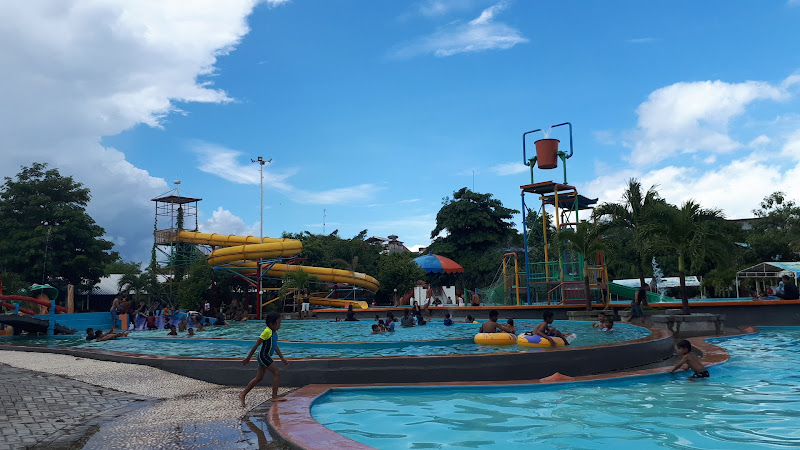
Kupang Waterpark
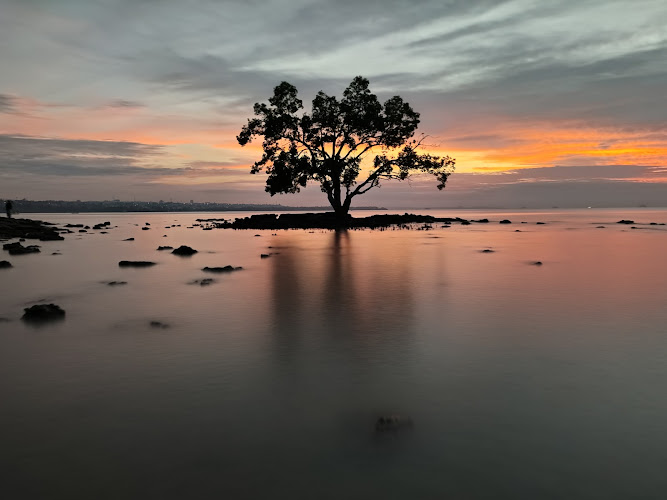
Oesapa Beach
Find Accommodations Nearby
Recommended Tours & Activities
Visitor Reviews
There are no reviews yet. Be the first one to write one.
Share Your Experience
Have you visited Kupang Lighthouse? Help other travelers by leaving a review.