
National Centre for the Performing Arts
About National Centre for the Performing Arts
Description
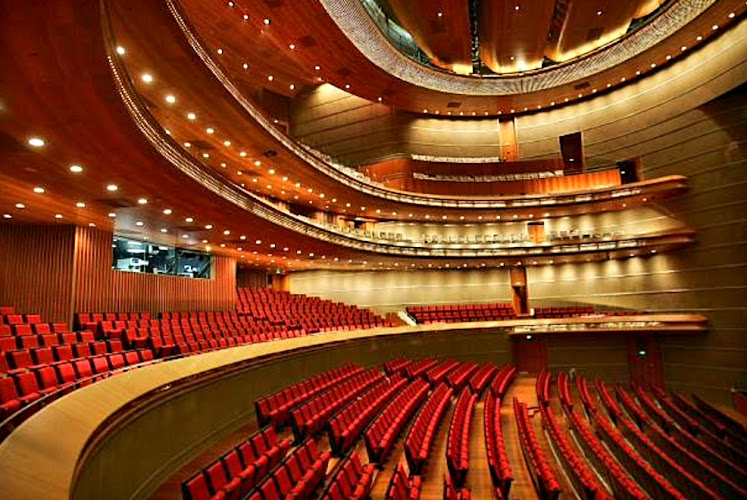
The National Centre for the Performing Arts stands as one of Beijing's most striking architectural achievements, and honestly, the first time you see it, you might wonder if a spaceship has landed right in the heart of the Chinese capital. This egg-shaped titanium and glass dome sits partially submerged in an artificial lake, creating an otherworldly appearance that's equal parts futuristic and elegant. Locals sometimes call it "The Giant Egg," and the nickname couldn't be more fitting. Designed by French architect Paul Andreu, this performance venue opened its doors in 2007 after years of construction and considerable debate about its unconventional design in such a historically significant city. But you know what? The controversy has mostly faded, and what remains is an extraordinary space where world-class opera, ballet, concerts, and theatrical performances come alive beneath that remarkable dome. The building itself spans roughly 12,000 square meters and contains multiple performance halls, each designed with specific acoustic properties that rival any major opera house in Europe or North America. When you approach the structure, you'll walk through an underwater corridor that passes beneath the surrounding lake – an experience that feels almost ceremonial, as if you're crossing into another realm dedicated entirely to the arts. And that transition from the bustling streets of Beijing into this serene, artistic sanctuary is part of what makes visiting here so memorable. Inside, the spaces feel both grand and intimate, with careful attention paid to sightlines, acoustics, and audience comfort. The main Opera Hall seats around 2,400 people, while the Concert Hall accommodates approximately 2,000, and the Theatre Hall holds about 1,040 guests. There's also a smaller Multi-functional Theatre for more experimental works. The variety of programming means there's usually something happening that'll catch your interest, whether you're a die-hard opera fan or someone just curious about experiencing world-class performance art.Key Features
The National Centre for the Performing Arts offers several distinctive features that set it apart from other cultural venues: • The iconic titanium and glass dome architecture that appears to float on the surrounding artificial lake, creating stunning photo opportunities especially at dusk when the building illuminates • World-class acoustics across all performance spaces, designed by specialists who studied some of the finest concert halls globally • An underground passageway that takes visitors beneath the lake to reach the main entrance, adding a unique theatrical element to your arrival • Multiple performance venues under one roof, including dedicated spaces for opera, concerts, theater, and experimental performances • Wheelchair accessible throughout, with proper facilities including accessible restrooms, parking, and entrance points that make the venue welcoming for all visitors • On-site restaurant facilities where you can grab a meal or drinks before shows or during intermissions • Modern payment systems accepting credit cards, debit cards, and mobile payment options – pretty convenient for international travelers • Family-friendly amenities including changing tables for parents traveling with infants • Regular performances by both international touring companies and China's finest performing arts groups • Exhibition spaces showcasing rotating displays about performing arts, architecture, and cultural history • A gift shop where you can pick up souvenirs, recordings, and arts-related merchandise • Professional English-language support services and translated materials for international visitors attending performancesBest Time to Visit
Timing your visit to the National Centre for the Performing Arts really depends on what you're hoping to experience, but I've learned through multiple visits that certain periods offer advantages worth considering. The performance season typically runs strongest from September through June, mirroring the traditional arts calendar in many major cities worldwide. During these months, you'll find the most diverse programming with international touring productions, major opera premieres, and concerts by renowned orchestras and soloists. The autumn months of September through November are particularly special because the weather in Beijing is absolutely gorgeous – crisp and clear without the brutal summer heat or winter cold – and the cultural season is just kicking into high gear. Spring, especially April and May, brings another peak in programming quality. Many companies save their biggest productions for spring debuts, and the city itself is coming alive after winter. Plus, the surrounding gardens and lakeside setting around the Centre look their best during this time. That said, I wouldn't completely write off summer visits. While July and August see somewhat lighter programming (many major opera houses worldwide take summer breaks), the Centre often hosts special festivals, family-friendly performances, and experimental works during these months. And if you're traveling with kids during summer holidays, you'll find shows specifically designed for younger audiences. Winter performances, particularly around Chinese New Year and the holiday season in December, offer their own magic. The building looks especially striking reflected in the partially frozen lake, and holiday concerts and special celebrations create a festive atmosphere. Just bundle up – Beijing winters are no joke. For the absolute best experience, try to attend performances on weekdays rather than weekends when possible. The crowds are smaller, ticket prices sometimes drop slightly, and you'll have more space to explore the building before and after shows. And here's something not everyone realizes: even if you're not attending a performance, the Centre offers daytime tours that let you explore the architecture and performance spaces. These tours run year-round except during major holidays, giving you flexibility if your travel dates don't align with performance schedules.How to Get There
Getting to the National Centre for the Performing Arts is remarkably straightforward, which is saying something for a city as massive as Beijing. The Centre sits right in the heart of the capital, just west of Tiananmen Square and close to the Forbidden City, making it easy to combine with other sightseeing. The subway is probably your best bet for reaching the venue. Line 1 stops at Tiananmen West Station, which puts you within a five-minute walk of the Centre. Just exit the station and head south – you'll see that distinctive egg-shaped dome rising from its artificial lake, impossible to miss. Alternatively, you can get off at Xidan Station on Lines 1 or 4, though that's a slightly longer walk of about fifteen minutes. Taxis work well too, especially if you're coming from farther away or traveling in a group. Most Beijing taxi drivers will recognize "Guojia Da Juyuan" (the Chinese name) immediately, though having the name written in Chinese characters on your phone doesn't hurt. Ride-sharing apps like Didi operate efficiently in Beijing and often cost less than traditional taxis. The area around the Centre can get congested during evening rush hour and before popular performances, so build in extra time. If you're staying in central Beijing, the Centre is actually quite walkable from many hotels. I've strolled there from Wangfujing Street area in about twenty minutes, and it's a pleasant walk through some historic neighborhoods. The area around the venue itself is beautifully landscaped with the surrounding lake and pathways, making for a lovely approach on foot. For international visitors, parking is available if you're renting a car, though I'd honestly recommend against driving yourself in Beijing unless you're very comfortable with chaotic traffic conditions. The Centre has designated parking areas including accessible spaces, but navigating Beijing roads takes some getting used to. One tip that saved me some stress: arrive at least 45 minutes before curtain time, especially for evening performances. This gives you time to navigate security checks, pick up tickets from will-call if needed, find your seats, and maybe grab a drink at the bar. The security screening is thorough but moves relatively quickly.Tips for Visiting
After attending probably a dozen performances here over the years, I've picked up some insights that might make your visit smoother and more enjoyable. First and most important: book your tickets well in advance, especially for high-profile international productions or popular Chinese opera performances. The best seats sell out weeks or even months ahead for marquee events. The Centre's official website offers online booking with English language options, though you might need a Chinese payment method. International ticket agencies sometimes offer packages for major performances if you're planning from abroad. Dress codes here lean more formal than casual, though you won't be turned away for wearing nice jeans and a decent shirt. That said, I've noticed most locals dress up for performances – think business casual at minimum, with many people going full formal for opening nights and galas. There's something special about dressing up for the theatre that adds to the whole experience anyway. The underwater entrance tunnel I mentioned earlier? It's quite long and you'll be walking for a solid few minutes. Wear comfortable shoes because you'll be doing a fair amount of walking once inside too. The building is enormous and performance halls are spread out across multiple levels. Food and beverage options inside are decent but not cheap. You can grab snacks and drinks during intermissions, but I'd recommend eating a proper meal before arriving. The on-site restaurant requires reservations for dinner service before evening performances. Alternatively, tons of excellent restaurants surround the area within walking distance. Photography policies are strict during performances – don't even think about it once the lights go down. But before shows and during intermissions, the architecture and interior design make for fantastic photos. The exterior is fair game anytime, and sunset shots reflecting off the dome and lake are genuinely stunning. Language can be a barrier for some performances, though major international productions often include surtitles in multiple languages. Chinese opera and traditional performances might not have English translations, but honestly, the visual spectacle often transcends language barriers. Staff members at information desks usually have at least basic English skills and are generally helpful. Keep your ticket stub throughout the performance and when exiting. Security sometimes checks them, and you'll need it to reclaim any items from coat check. Speaking of which, the coat check service during winter is essential – theatres get warm and you don't want to be holding your heavy coat through a three-hour opera. If you're visiting with kids, check the recommended age restrictions for performances. Some shows welcome children while others specifically request audiences above certain ages. The family-friendly performances scheduled regularly are genuinely enjoyable and designed with younger attention spans in mind. One last thing that caught me off guard initially: intermissions here can be lengthy, sometimes 20-30 minutes for major productions. This isn't a quick bathroom break – it's a social event where people mingle, discuss the performance, and enjoy refreshments. Embrace it rather than rushing back to your seat. The acoustics throughout the building are so carefully engineered that even less expensive seats offer excellent sound quality. Don't stress too much about getting the absolute best seats if budget is a concern. I've had memorable experiences from various vantage points throughout the halls.Key Features
- Key Features
- Best Time to Visit
- How to Get There
- Tips for Visiting
More Details
Updated January 18, 2026
Table of Contents
- Description
- Key Features
- Best Time to Visit
- How to Get There
- Tips for Visiting
- Key Highlights
- Location
- Places to Stay Near National Centre for the Performing Arts
- Find and Book a Tour
- Explore More Travel Guides
- Nearby Places You Might Like
- Traveler Reviews for National Centre for the Performing Arts
- Share Your Experience
Description
The National Centre for the Performing Arts stands as one of Beijing’s most striking architectural achievements, and honestly, the first time you see it, you might wonder if a spaceship has landed right in the heart of the Chinese capital. This egg-shaped titanium and glass dome sits partially submerged in an artificial lake, creating an otherworldly appearance that’s equal parts futuristic and elegant. Locals sometimes call it “The Giant Egg,” and the nickname couldn’t be more fitting.
Designed by French architect Paul Andreu, this performance venue opened its doors in 2007 after years of construction and considerable debate about its unconventional design in such a historically significant city. But you know what? The controversy has mostly faded, and what remains is an extraordinary space where world-class opera, ballet, concerts, and theatrical performances come alive beneath that remarkable dome.
The building itself spans roughly 12,000 square meters and contains multiple performance halls, each designed with specific acoustic properties that rival any major opera house in Europe or North America. When you approach the structure, you’ll walk through an underwater corridor that passes beneath the surrounding lake – an experience that feels almost ceremonial, as if you’re crossing into another realm dedicated entirely to the arts. And that transition from the bustling streets of Beijing into this serene, artistic sanctuary is part of what makes visiting here so memorable.
Inside, the spaces feel both grand and intimate, with careful attention paid to sightlines, acoustics, and audience comfort. The main Opera Hall seats around 2,400 people, while the Concert Hall accommodates approximately 2,000, and the Theatre Hall holds about 1,040 guests. There’s also a smaller Multi-functional Theatre for more experimental works. The variety of programming means there’s usually something happening that’ll catch your interest, whether you’re a die-hard opera fan or someone just curious about experiencing world-class performance art.
Key Features
The National Centre for the Performing Arts offers several distinctive features that set it apart from other cultural venues:
• The iconic titanium and glass dome architecture that appears to float on the surrounding artificial lake, creating stunning photo opportunities especially at dusk when the building illuminates
• World-class acoustics across all performance spaces, designed by specialists who studied some of the finest concert halls globally
• An underground passageway that takes visitors beneath the lake to reach the main entrance, adding a unique theatrical element to your arrival
• Multiple performance venues under one roof, including dedicated spaces for opera, concerts, theater, and experimental performances
• Wheelchair accessible throughout, with proper facilities including accessible restrooms, parking, and entrance points that make the venue welcoming for all visitors
• On-site restaurant facilities where you can grab a meal or drinks before shows or during intermissions
• Modern payment systems accepting credit cards, debit cards, and mobile payment options – pretty convenient for international travelers
• Family-friendly amenities including changing tables for parents traveling with infants
• Regular performances by both international touring companies and China’s finest performing arts groups
• Exhibition spaces showcasing rotating displays about performing arts, architecture, and cultural history
• A gift shop where you can pick up souvenirs, recordings, and arts-related merchandise
• Professional English-language support services and translated materials for international visitors attending performances
Best Time to Visit
Timing your visit to the National Centre for the Performing Arts really depends on what you’re hoping to experience, but I’ve learned through multiple visits that certain periods offer advantages worth considering.
The performance season typically runs strongest from September through June, mirroring the traditional arts calendar in many major cities worldwide. During these months, you’ll find the most diverse programming with international touring productions, major opera premieres, and concerts by renowned orchestras and soloists. The autumn months of September through November are particularly special because the weather in Beijing is absolutely gorgeous – crisp and clear without the brutal summer heat or winter cold – and the cultural season is just kicking into high gear.
Spring, especially April and May, brings another peak in programming quality. Many companies save their biggest productions for spring debuts, and the city itself is coming alive after winter. Plus, the surrounding gardens and lakeside setting around the Centre look their best during this time.
That said, I wouldn’t completely write off summer visits. While July and August see somewhat lighter programming (many major opera houses worldwide take summer breaks), the Centre often hosts special festivals, family-friendly performances, and experimental works during these months. And if you’re traveling with kids during summer holidays, you’ll find shows specifically designed for younger audiences.
Winter performances, particularly around Chinese New Year and the holiday season in December, offer their own magic. The building looks especially striking reflected in the partially frozen lake, and holiday concerts and special celebrations create a festive atmosphere. Just bundle up – Beijing winters are no joke.
For the absolute best experience, try to attend performances on weekdays rather than weekends when possible. The crowds are smaller, ticket prices sometimes drop slightly, and you’ll have more space to explore the building before and after shows. And here’s something not everyone realizes: even if you’re not attending a performance, the Centre offers daytime tours that let you explore the architecture and performance spaces. These tours run year-round except during major holidays, giving you flexibility if your travel dates don’t align with performance schedules.
How to Get There
Getting to the National Centre for the Performing Arts is remarkably straightforward, which is saying something for a city as massive as Beijing. The Centre sits right in the heart of the capital, just west of Tiananmen Square and close to the Forbidden City, making it easy to combine with other sightseeing.
The subway is probably your best bet for reaching the venue. Line 1 stops at Tiananmen West Station, which puts you within a five-minute walk of the Centre. Just exit the station and head south – you’ll see that distinctive egg-shaped dome rising from its artificial lake, impossible to miss. Alternatively, you can get off at Xidan Station on Lines 1 or 4, though that’s a slightly longer walk of about fifteen minutes.
Taxis work well too, especially if you’re coming from farther away or traveling in a group. Most Beijing taxi drivers will recognize “Guojia Da Juyuan” (the Chinese name) immediately, though having the name written in Chinese characters on your phone doesn’t hurt. Ride-sharing apps like Didi operate efficiently in Beijing and often cost less than traditional taxis. The area around the Centre can get congested during evening rush hour and before popular performances, so build in extra time.
If you’re staying in central Beijing, the Centre is actually quite walkable from many hotels. I’ve strolled there from Wangfujing Street area in about twenty minutes, and it’s a pleasant walk through some historic neighborhoods. The area around the venue itself is beautifully landscaped with the surrounding lake and pathways, making for a lovely approach on foot.
For international visitors, parking is available if you’re renting a car, though I’d honestly recommend against driving yourself in Beijing unless you’re very comfortable with chaotic traffic conditions. The Centre has designated parking areas including accessible spaces, but navigating Beijing roads takes some getting used to.
One tip that saved me some stress: arrive at least 45 minutes before curtain time, especially for evening performances. This gives you time to navigate security checks, pick up tickets from will-call if needed, find your seats, and maybe grab a drink at the bar. The security screening is thorough but moves relatively quickly.
Tips for Visiting
After attending probably a dozen performances here over the years, I’ve picked up some insights that might make your visit smoother and more enjoyable.
First and most important: book your tickets well in advance, especially for high-profile international productions or popular Chinese opera performances. The best seats sell out weeks or even months ahead for marquee events. The Centre’s official website offers online booking with English language options, though you might need a Chinese payment method. International ticket agencies sometimes offer packages for major performances if you’re planning from abroad.
Dress codes here lean more formal than casual, though you won’t be turned away for wearing nice jeans and a decent shirt. That said, I’ve noticed most locals dress up for performances – think business casual at minimum, with many people going full formal for opening nights and galas. There’s something special about dressing up for the theatre that adds to the whole experience anyway.
The underwater entrance tunnel I mentioned earlier? It’s quite long and you’ll be walking for a solid few minutes. Wear comfortable shoes because you’ll be doing a fair amount of walking once inside too. The building is enormous and performance halls are spread out across multiple levels.
Food and beverage options inside are decent but not cheap. You can grab snacks and drinks during intermissions, but I’d recommend eating a proper meal before arriving. The on-site restaurant requires reservations for dinner service before evening performances. Alternatively, tons of excellent restaurants surround the area within walking distance.
Photography policies are strict during performances – don’t even think about it once the lights go down. But before shows and during intermissions, the architecture and interior design make for fantastic photos. The exterior is fair game anytime, and sunset shots reflecting off the dome and lake are genuinely stunning.
Language can be a barrier for some performances, though major international productions often include surtitles in multiple languages. Chinese opera and traditional performances might not have English translations, but honestly, the visual spectacle often transcends language barriers. Staff members at information desks usually have at least basic English skills and are generally helpful.
Keep your ticket stub throughout the performance and when exiting. Security sometimes checks them, and you’ll need it to reclaim any items from coat check. Speaking of which, the coat check service during winter is essential – theatres get warm and you don’t want to be holding your heavy coat through a three-hour opera.
If you’re visiting with kids, check the recommended age restrictions for performances. Some shows welcome children while others specifically request audiences above certain ages. The family-friendly performances scheduled regularly are genuinely enjoyable and designed with younger attention spans in mind.
One last thing that caught me off guard initially: intermissions here can be lengthy, sometimes 20-30 minutes for major productions. This isn’t a quick bathroom break – it’s a social event where people mingle, discuss the performance, and enjoy refreshments. Embrace it rather than rushing back to your seat.
The acoustics throughout the building are so carefully engineered that even less expensive seats offer excellent sound quality. Don’t stress too much about getting the absolute best seats if budget is a concern. I’ve had memorable experiences from various vantage points throughout the halls.
Key Highlights
- Key Features
- Best Time to Visit
- How to Get There
- Tips for Visiting
Location
Places to Stay Near National Centre for the Performing Arts
Find and Book a Tour
Explore More Travel Guides
No reviews found! Be the first to review!
Traveler Reviews for National Centre for the Performing Arts
There are no reviews yet. Be the first one to write one.
Have you visited National Centre for the Performing Arts? Help other travelers by sharing your review.
You Might Also Like
Wanshou Gongyuan
Xuanwu Park
Lei Feng Memorial
Find Accommodations Nearby
Recommended Tours & Activities
Visitor Reviews
There are no reviews yet. Be the first one to write one.
Share Your Experience
Have you visited National Centre for the Performing Arts? Help other travelers by leaving a review.