
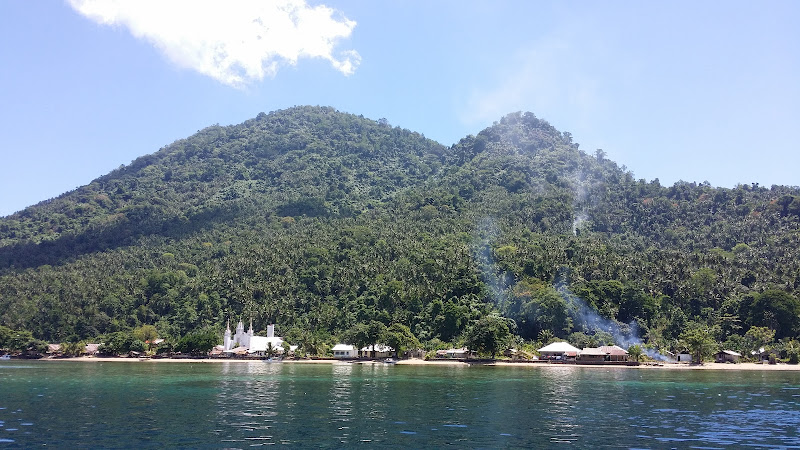
Manadotua Island
About Manadotua Island
Description
Manadotua Island rises from the waters like a testament to nature's raw power, its volcanic origins evident in every craggy slope and darkened stone. This isn't your typical postcard-perfect island with endless white beaches – though it has its share of coastal beauty. Instead, what you'll find here is something more primal, more honest. The island speaks to those travelers who crave authenticity over air-conditioned comfort, who'd rather sweat their way up a mountain trail than lounge poolside with a cocktail. The volcanic peak dominates the landscape, drawing adventurers upward with promises of panoramic views that make the burning legs worthwhile. And beneath the waves? That's where Manadotua really shows off. The coral reefs surrounding this geological wonder have created an underwater ecosystem that scuba divers dream about when they're stuck in traffic back home. I've talked to several folks who made the journey here expecting "just another island," and they left with memory cards full of photos and stories they'll be boring their friends with for years. What strikes most visitors isn't just the natural beauty though – it's the sense of discovery. Manadotua hasn't been completely overwhelmed by tourism infrastructure, which means you'll actually feel like you're exploring rather than following a well-worn tourist conveyor belt. Sure, that means some inconveniences, but isn't that part of the appeal? The island maintains that delicate balance between accessible and untamed, developed enough that you won't be completely roughing it, but wild enough that you'll actually feel like an explorer.Key Features
The island delivers experiences that range from heart-pounding to meditative, often within the same afternoon. Here's what makes Manadotua worth the journey:- Volcanic Peak Hiking – The trail to the summit isn't for Sunday strollers, but it rewards effort with views that stretch across the seascape. The volcanic terrain beneath your boots tells a geological story millions of years in the making.
- World-Class Scuba Diving – The coral reefs here flourish in ways that'll make underwater photographers weep with joy. The volcanic minerals enriching the waters have created conditions where marine life doesn't just survive but thrives spectacularly.
- Pristine Coral Reef Systems – Even snorkelers get access to coral gardens that most islands would advertise as their main attraction. The reef health here outpaces many more famous diving destinations.
- Diverse Marine Ecosystem – From tiny nudibrancs to passing pelagics, the waters around Manadotua host an impressive cast of underwater characters. You never quite know what might swim past during a dive.
- Volcanic Rock Formations – The coastline features dramatic formations where ancient lava met ocean, creating sculptures that no human artist could replicate. These aren't just pretty – they're geology lessons frozen in stone.
- Multiple Hiking Routes – Beyond the main peak trail, smaller paths wind through various ecosystems, each offering different perspectives on the island's natural diversity.
- Limited Tourism Development – What some might see as a drawback is actually an asset. The relatively light tourist footprint means you're experiencing something closer to what explorers found decades ago.
- Clear Waters – Visibility underwater often exceeds what you'd find at heavily visited dive sites, partly because fewer boats means less stirred-up sediment and environmental stress.
Best Time to Visit
Timing your visit to Manadotua requires thinking about what matters most to you – because there's no universally perfect season. The dry months typically offer easier hiking conditions and calmer seas, which usually means better visibility for diving. But here's something most guidebooks won't tell you: the shoulder seasons can actually be magical if you're willing to risk occasional rain. I've heard from travelers who visited during the transitional periods between wet and dry seasons and encountered fewer crowds, lower prices, and still-decent weather. Yes, you might get caught in a tropical downpour, but is that really such a hardship? Plus, the island's vegetation looks absolutely incredible after rain, all glistening and refreshed. For diving specifically, you'll want to check local conditions because while the reefs are accessible year-round, certain months bring stronger currents or different marine species. Some divers actually prefer slightly rougher conditions because that's when the bigger fish show up. If you're after calm, aquarium-like conditions, stick to the driest months. But if you want some adventure with your underwater exploration, don't automatically rule out the rainier season. Hikers should definitely favor dry periods for tackling the volcanic peak. Wet volcanic rock gets treacherous fast, and the views from the summit aren't nearly as impressive when you're standing in a cloud. That said, the lower-elevation trails remain accessible most of the year, and some people find the cooler temperatures during cloudier weather actually make for more comfortable walking. The local climate patterns can shift, so checking recent weather reports and talking to dive operators or guides before finalizing your dates makes sense. And honestly? Sometimes the "worst" time to visit according to guidebooks turns out to be the best time for your particular travel style. If you hate crowds more than you hate getting a bit damp, the rainy season might be your sweet spot.How to Get There
Getting to Manadotua requires more effort than simply booking a direct flight, and that's part of what keeps it special. You'll need to approach this journey in stages, treating the transit itself as part of the adventure rather than an inconvenience to endure. Most travelers route through the nearest major city with international connections, then arrange onward transportation via smaller aircraft or boat services. The boat option takes longer but offers scenic rewards – watching the island emerge from the ocean as you approach provides context that flying over doesn't quite capture. I knew someone who took the boat route specifically because they wanted that gradual reveal, that sense of voyaging rather than just traveling. Local ferry services operate on schedules that might charitably be described as "flexible." If you're the type who gets anxious when departure times shift by an hour or two, you'll need to adjust your mindset before arriving. Bring a book, download some podcasts, and embrace the pace. The locals certainly aren't stressed about it, and neither should you be. Some visitors arrange private boat charters, which costs more but offers schedule control and the possibility of spotting dolphins or other marine life during the crossing. If you're traveling as a group, the per-person cost becomes more reasonable, and you can sometimes negotiate stops for snorkeling along the way. Once you're on the island, transportation is fairly straightforward. The island isn't huge, so getting around doesn't require complex logistics. Walking works for nearby destinations, and local guides can arrange transport to trailheads or diving spots. Don't expect ride-sharing apps or rental car counters though – this is still a place where you might hire a boat from someone's cousin who knows a guy. Planning ahead helps tremendously. Contact accommodations before arriving to ask about transportation arrangements, as many can coordinate pickups if they know you're coming. Showing up without any plans isn't impossible, but it adds unnecessary stress to what should be a relaxing adventure.Tips for Visiting
Manadotua rewards prepared travelers while punishing those who expect everything to be handed to them. Here's what you actually need to know: Bring cash – and more than you think you'll need. ATMs aren't exactly on every corner, and card payment systems haven't penetrated everywhere. Running out of money mid-trip creates problems nobody wants. For hikers, proper footwear isn't optional. Those volcanic rocks will shred inappropriate shoes and possibly your feet along with them. Break in your hiking boots before the trip, because discovering they give you blisters when you're two hours up a mountain trail is a special kind of misery. Also pack more water than seems reasonable. The tropical sun is unforgiving, and dehydration sneaks up fast. Divers should bring their certification cards obviously, but also consider bringing your own mask if you're picky about fit. Rental gear exists but might not match the quality you're accustomed to. A reef-safe sunscreen is non-negotiable – the coral reefs here are too precious to damage with chemical-laden products. Check the ingredients before you pack. Sun protection extends beyond sunscreen though. A wide-brimmed hat, lightweight long sleeves, and serious sunglasses prevent the kind of sunburn that ruins vacations. The tropical sun reflects off water and light-colored rock, hitting you from angles you don't expect. Learn a few phrases in the local language. Even butchered attempts at greetings earn you genuine smiles and better service. People appreciate effort, even when your pronunciation is catastrophic. Respect local customs and dress codes, particularly if visiting any communities or cultural sites. What's acceptable beachwear on the coast might not be appropriate elsewhere. When in doubt, err toward modesty. Hire local guides for both hiking and diving. Yes, it costs money, but they know things you don't – like which route up the mountain is actually safer right now, or where the turtles have been hanging out this week. Plus, you're supporting the local economy directly rather than funneling money through international booking platforms. Pack a basic first aid kit including blister treatments, pain relievers, and any prescription medications you need. The island has medical facilities, but they might not stock your specific preferred brands. Also include insect repellent because tropical mosquitoes don't mess around. Bring a waterproof bag or case for electronics and important documents. Between boat rides, rain showers, and beach visits, your stuff will face moisture challenges. Those silica gel packets you usually throw away? Save them and pack them with camera equipment. Set realistic expectations about internet connectivity. If you absolutely must stay connected for work, this might not be your ideal destination. But if you can embrace occasional digital disconnection, you'll probably enjoy the island more. The stars are incredible when you're not staring at a screen. Finally, leave the attitude at home. Manadotua isn't set up to cater to demanding tourists who expect everything immediately. Patience, flexibility, and good humor will serve you far better than complaints. The island operates on its own rhythm, and you can either sync with it or spend your entire visit frustrated. Your choice.Key Features
- Volcanic cone with a summit hike offering panoramic views
- Part of Bunaken-Manado Tua Marine National Park (excellent diving/snorkeling)
- Close boat transfer from Manado city (about 45–60 minutes)
- Traditional island villages and coconut groves
- Protected coral walls with rich marine biodiversity
More Details
Updated January 18, 2026
Table of Contents
Description
Manadotua Island rises from the waters like a testament to nature’s raw power, its volcanic origins evident in every craggy slope and darkened stone. This isn’t your typical postcard-perfect island with endless white beaches – though it has its share of coastal beauty. Instead, what you’ll find here is something more primal, more honest. The island speaks to those travelers who crave authenticity over air-conditioned comfort, who’d rather sweat their way up a mountain trail than lounge poolside with a cocktail.
The volcanic peak dominates the landscape, drawing adventurers upward with promises of panoramic views that make the burning legs worthwhile. And beneath the waves? That’s where Manadotua really shows off. The coral reefs surrounding this geological wonder have created an underwater ecosystem that scuba divers dream about when they’re stuck in traffic back home. I’ve talked to several folks who made the journey here expecting “just another island,” and they left with memory cards full of photos and stories they’ll be boring their friends with for years.
What strikes most visitors isn’t just the natural beauty though – it’s the sense of discovery. Manadotua hasn’t been completely overwhelmed by tourism infrastructure, which means you’ll actually feel like you’re exploring rather than following a well-worn tourist conveyor belt. Sure, that means some inconveniences, but isn’t that part of the appeal? The island maintains that delicate balance between accessible and untamed, developed enough that you won’t be completely roughing it, but wild enough that you’ll actually feel like an explorer.
Key Features
The island delivers experiences that range from heart-pounding to meditative, often within the same afternoon. Here’s what makes Manadotua worth the journey:
- Volcanic Peak Hiking – The trail to the summit isn’t for Sunday strollers, but it rewards effort with views that stretch across the seascape. The volcanic terrain beneath your boots tells a geological story millions of years in the making.
- World-Class Scuba Diving – The coral reefs here flourish in ways that’ll make underwater photographers weep with joy. The volcanic minerals enriching the waters have created conditions where marine life doesn’t just survive but thrives spectacularly.
- Pristine Coral Reef Systems – Even snorkelers get access to coral gardens that most islands would advertise as their main attraction. The reef health here outpaces many more famous diving destinations.
- Diverse Marine Ecosystem – From tiny nudibrancs to passing pelagics, the waters around Manadotua host an impressive cast of underwater characters. You never quite know what might swim past during a dive.
- Volcanic Rock Formations – The coastline features dramatic formations where ancient lava met ocean, creating sculptures that no human artist could replicate. These aren’t just pretty – they’re geology lessons frozen in stone.
- Multiple Hiking Routes – Beyond the main peak trail, smaller paths wind through various ecosystems, each offering different perspectives on the island’s natural diversity.
- Limited Tourism Development – What some might see as a drawback is actually an asset. The relatively light tourist footprint means you’re experiencing something closer to what explorers found decades ago.
- Clear Waters – Visibility underwater often exceeds what you’d find at heavily visited dive sites, partly because fewer boats means less stirred-up sediment and environmental stress.
Best Time to Visit
Timing your visit to Manadotua requires thinking about what matters most to you – because there’s no universally perfect season. The dry months typically offer easier hiking conditions and calmer seas, which usually means better visibility for diving. But here’s something most guidebooks won’t tell you: the shoulder seasons can actually be magical if you’re willing to risk occasional rain.
I’ve heard from travelers who visited during the transitional periods between wet and dry seasons and encountered fewer crowds, lower prices, and still-decent weather. Yes, you might get caught in a tropical downpour, but is that really such a hardship? Plus, the island’s vegetation looks absolutely incredible after rain, all glistening and refreshed.
For diving specifically, you’ll want to check local conditions because while the reefs are accessible year-round, certain months bring stronger currents or different marine species. Some divers actually prefer slightly rougher conditions because that’s when the bigger fish show up. If you’re after calm, aquarium-like conditions, stick to the driest months. But if you want some adventure with your underwater exploration, don’t automatically rule out the rainier season.
Hikers should definitely favor dry periods for tackling the volcanic peak. Wet volcanic rock gets treacherous fast, and the views from the summit aren’t nearly as impressive when you’re standing in a cloud. That said, the lower-elevation trails remain accessible most of the year, and some people find the cooler temperatures during cloudier weather actually make for more comfortable walking.
The local climate patterns can shift, so checking recent weather reports and talking to dive operators or guides before finalizing your dates makes sense. And honestly? Sometimes the “worst” time to visit according to guidebooks turns out to be the best time for your particular travel style. If you hate crowds more than you hate getting a bit damp, the rainy season might be your sweet spot.
How to Get There
Getting to Manadotua requires more effort than simply booking a direct flight, and that’s part of what keeps it special. You’ll need to approach this journey in stages, treating the transit itself as part of the adventure rather than an inconvenience to endure.
Most travelers route through the nearest major city with international connections, then arrange onward transportation via smaller aircraft or boat services. The boat option takes longer but offers scenic rewards – watching the island emerge from the ocean as you approach provides context that flying over doesn’t quite capture. I knew someone who took the boat route specifically because they wanted that gradual reveal, that sense of voyaging rather than just traveling.
Local ferry services operate on schedules that might charitably be described as “flexible.” If you’re the type who gets anxious when departure times shift by an hour or two, you’ll need to adjust your mindset before arriving. Bring a book, download some podcasts, and embrace the pace. The locals certainly aren’t stressed about it, and neither should you be.
Some visitors arrange private boat charters, which costs more but offers schedule control and the possibility of spotting dolphins or other marine life during the crossing. If you’re traveling as a group, the per-person cost becomes more reasonable, and you can sometimes negotiate stops for snorkeling along the way.
Once you’re on the island, transportation is fairly straightforward. The island isn’t huge, so getting around doesn’t require complex logistics. Walking works for nearby destinations, and local guides can arrange transport to trailheads or diving spots. Don’t expect ride-sharing apps or rental car counters though – this is still a place where you might hire a boat from someone’s cousin who knows a guy.
Planning ahead helps tremendously. Contact accommodations before arriving to ask about transportation arrangements, as many can coordinate pickups if they know you’re coming. Showing up without any plans isn’t impossible, but it adds unnecessary stress to what should be a relaxing adventure.
Tips for Visiting
Manadotua rewards prepared travelers while punishing those who expect everything to be handed to them. Here’s what you actually need to know:
Bring cash – and more than you think you’ll need. ATMs aren’t exactly on every corner, and card payment systems haven’t penetrated everywhere. Running out of money mid-trip creates problems nobody wants.
For hikers, proper footwear isn’t optional. Those volcanic rocks will shred inappropriate shoes and possibly your feet along with them. Break in your hiking boots before the trip, because discovering they give you blisters when you’re two hours up a mountain trail is a special kind of misery. Also pack more water than seems reasonable. The tropical sun is unforgiving, and dehydration sneaks up fast.
Divers should bring their certification cards obviously, but also consider bringing your own mask if you’re picky about fit. Rental gear exists but might not match the quality you’re accustomed to. A reef-safe sunscreen is non-negotiable – the coral reefs here are too precious to damage with chemical-laden products. Check the ingredients before you pack.
Sun protection extends beyond sunscreen though. A wide-brimmed hat, lightweight long sleeves, and serious sunglasses prevent the kind of sunburn that ruins vacations. The tropical sun reflects off water and light-colored rock, hitting you from angles you don’t expect.
Learn a few phrases in the local language. Even butchered attempts at greetings earn you genuine smiles and better service. People appreciate effort, even when your pronunciation is catastrophic.
Respect local customs and dress codes, particularly if visiting any communities or cultural sites. What’s acceptable beachwear on the coast might not be appropriate elsewhere. When in doubt, err toward modesty.
Hire local guides for both hiking and diving. Yes, it costs money, but they know things you don’t – like which route up the mountain is actually safer right now, or where the turtles have been hanging out this week. Plus, you’re supporting the local economy directly rather than funneling money through international booking platforms.
Pack a basic first aid kit including blister treatments, pain relievers, and any prescription medications you need. The island has medical facilities, but they might not stock your specific preferred brands. Also include insect repellent because tropical mosquitoes don’t mess around.
Bring a waterproof bag or case for electronics and important documents. Between boat rides, rain showers, and beach visits, your stuff will face moisture challenges. Those silica gel packets you usually throw away? Save them and pack them with camera equipment.
Set realistic expectations about internet connectivity. If you absolutely must stay connected for work, this might not be your ideal destination. But if you can embrace occasional digital disconnection, you’ll probably enjoy the island more. The stars are incredible when you’re not staring at a screen.
Finally, leave the attitude at home. Manadotua isn’t set up to cater to demanding tourists who expect everything immediately. Patience, flexibility, and good humor will serve you far better than complaints. The island operates on its own rhythm, and you can either sync with it or spend your entire visit frustrated. Your choice.
Key Highlights
- Volcanic cone with a summit hike offering panoramic views
- Part of Bunaken-Manado Tua Marine National Park (excellent diving/snorkeling)
- Close boat transfer from Manado city (about 45–60 minutes)
- Traditional island villages and coconut groves
- Protected coral walls with rich marine biodiversity
Location
Places to Stay Near Manadotua Island
Find and Book a Tour
Explore More Travel Guides
No reviews found! Be the first to review!
Traveler Reviews for Manadotua Island
There are no reviews yet. Be the first one to write one.
Have you visited Manadotua Island? Help other travelers by sharing your review.
Nearby Attractions
You Might Also Like
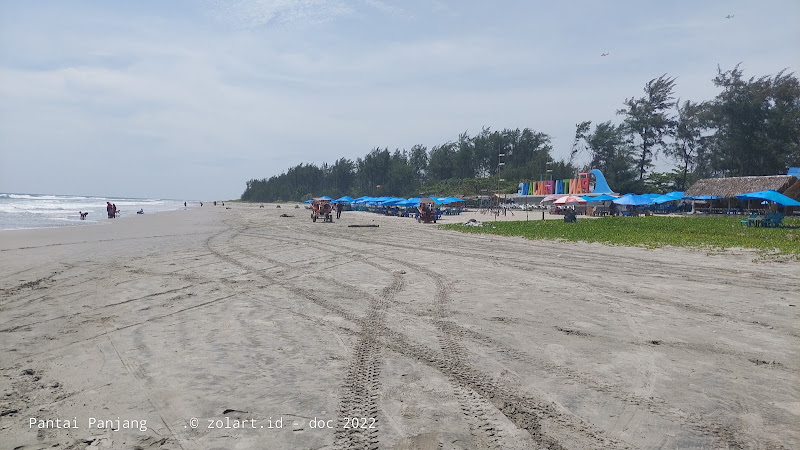
Panjang Beach
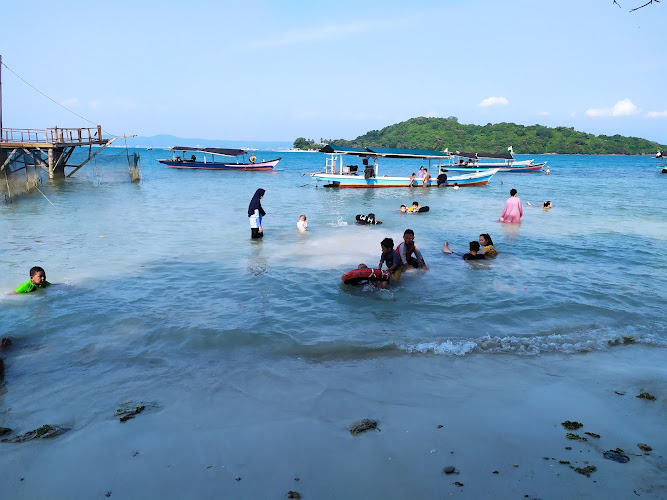
Mutun Beach

Pantai Duta Wisata
Find Accommodations Nearby
Recommended Tours & Activities
Visitor Reviews
There are no reviews yet. Be the first one to write one.
Share Your Experience
Have you visited Manadotua Island? Help other travelers by leaving a review.