
Westerplatte
About Westerplatte
Westerplatte stands as one of Poland's most significant historical landmarks, marking the exact spot where the first shots of World War II were fired on September 1, 1939. Located on a peninsula jutting into the Baltic Sea near Gdańsk, this former military outpost transformed into a powerful symbol of Polish resistance against overwhelming odds. When German battleship Schleswig-Holstein opened fire at 4:45 AM that fateful morning, a garrison of just 182 Polish soldiers faced a force of approximately 3,500 German troops equipped with superior firepower and naval support.
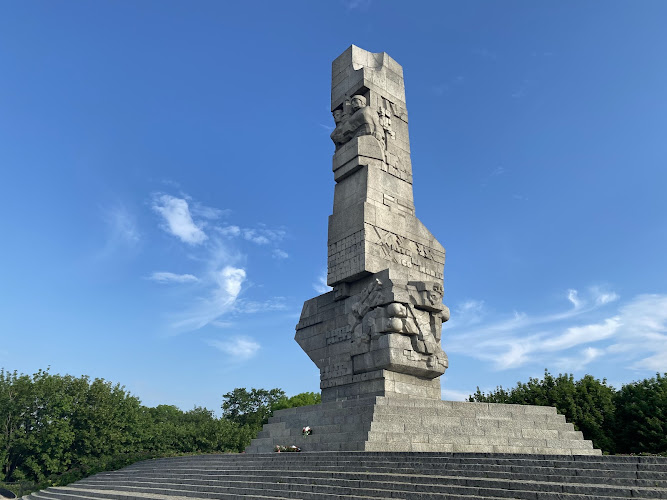
The defenders held out for seven days instead of the expected few hours, creating a legend that would inspire generations. Walking across these grounds today, visitors encounter an atmosphere heavy with history—the kind that makes you pause and really think about what happened here. The main monument, a towering 25-meter structure designed by architects Henryk Marconi and Henryk Świ�
tkowski, dominates the landscape like a stone sentinel keeping watch over the past.
What strikes most travelers about Westerplatte isn't just the monument itself but the entire feeling of the place. The peninsula has been deliberately preserved to maintain its wartime character, with ruins of barracks, guardhouses, and defensive positions scattered throughout the area. It's not overly polished or theme-park-like, which honestly makes it more powerful. You're walking on actual ground where real people made impossible choices under fire.
The site covers roughly 130 acres of windswept terrain, mixing memorial elements with natural coastal beauty. And that contrast between the peaceful Baltic views and the violent history creates something pretty unforgettable. Many visitors mention feeling a genuine connection to the events here in a way that reading about them in books never quite achieved.
Key Features
The attractions at Westerplatte offer travelers multiple ways to engage with this pivotal moment in history:
- The Main Monument - This imposing granite structure serves as the centerpiece, featuring a eternal flame and plaques honoring the defenders. The design represents strength and endurance, much like the garrison itself.
- Ruins of the Guardhouse - The damaged remains of the main guardhouse show actual battle scars, with visible bullet holes and shell damage that bring the conflict into sharp focus. It's one thing to read about bombardment and another to see walls literally torn apart by it.
- Barracks Ruins - Scattered foundations and partially destroyed buildings help visitors visualize the cramped conditions defenders endured while under constant attack.
- Marked Defensive Positions - Throughout the grounds, you'll find numbered positions showing where Polish soldiers held the line. Information boards explain what happened at each location during the siege.
- Coastal Fortifications - Remnants of pre-war defensive structures demonstrate the strategic importance of this peninsula and why both sides fought so fiercely for it.
- Museum Exhibition - A small but well-curated display provides context through photographs, personal items, and documents from the battle. The exhibition helps connect the physical ruins to the human stories.
- Memorial Plaques - Individual markers commemorate specific defenders and events, allowing visitors to connect with personal stories rather than just abstract history.
- Walking Paths - Well-maintained trails guide visitors through the site in a logical sequence, though you're free to explore at your own pace.
- Observation Points - Strategic viewpoints let you see the peninsula's geography and understand the tactical situation the defenders faced.
- Natural Surroundings - The Baltic coastline and forested areas provide surprising moments of beauty amidst the somber historical elements.
Best Time to Visit
Timing your visit to Westerplatte depends on what kind of experience you're after. The site is open year-round, but each season offers something different.
Late spring through early autumn (May through September) brings the most comfortable weather for walking the grounds extensively. Temperatures hover between 15-25°C, and you'll have longer daylight hours to explore thoroughly. But here's the thing—these months also attract the largest crowds, particularly during July and August when tour buses arrive regularly. If you don't mind company while you explore, summer works perfectly fine.
September holds special significance because it marks the anniversary of the battle. Commemoration ceremonies on September 1st draw officials, veterans' families, and history enthusiasts from across Europe. Attending these events provides powerful emotional context, though expect substantial crowds and possible access restrictions to certain areas during official observances.
I've talked to travelers who visited during shoulder season (April-May or September-October) and most describe it as ideal. You get decent weather without summer's masses, and something about the cooler temperatures seems to fit the site's solemn nature. The Baltic wind picks up during these months, which actually adds to the atmosphere—you can imagine what soldiers faced defending exposed positions.
Winter visits offer the most contemplative experience. From November through March, you'll often have large sections of the site to yourself. The bare trees, grey skies, and biting wind create an environment closer to what defenders experienced during that September siege (though they faced warmer temperatures). Just bundle up properly because the coastal wind doesn't mess around. Some facilities may have reduced hours, so check ahead.
Weekday mornings provide the quietest visiting times regardless of season. Most tour groups arrive after 10 AM, so getting there right when it opens gives you precious time for undisturbed reflection.
How to Get There
Reaching Westerplatte from Gdańsk is straightforward, with several transport options depending on your preferences and budget.
The most scenic approach involves taking a ferry from Gdańsk's city center. Several companies operate regular boats from the Green Gate pier area during tourist season (roughly April through October). The journey takes about 45 minutes and costs around 30-40 PLN for a round trip. Sailing along the same waterway the German battleship used creates a powerful connection to the historical events. You'll see Gdańsk's famous waterfront architecture, pass by working shipyards, and understand the strategic waterways that made this peninsula so important. Ferries typically run every hour or two during peak season but check current schedules since they vary.
City bus number 138 provides the most budget-friendly option, departing from various points in Gdańsk and taking approximately 30-40 minutes depending on traffic. A standard ticket costs just a few PLN, making this perfect for travelers watching expenses. The bus drops you within easy walking distance of the monument. Service runs throughout the year, though less frequently during off-season months.
Taxis or rideshare services offer convenience if you're traveling with family or prefer direct transport. The drive from central Gdańsk takes roughly 20-25 minutes and shouldn't cost more than 50-70 PLN. This works especially well if you're visiting during winter when ferry services don't operate.
Many travelers combine Westerplatte with a visit to the nearby Museum of the Second World War in Gdańsk, which provides broader context for what happened at the peninsula. You can easily do both in a single day.
Organized tours from Gdańsk typically include Westerplatte as part of broader WWII-themed itineraries. These range from half-day to full-day excursions and include guide commentary, which some travelers find valuable for understanding the site's significance. Prices vary widely based on group size and what else is included.
If you're driving independently, the site offers free parking right near the main entrance—a nice bonus that's increasingly rare at major tourist destinations. The route from Gdańsk is well-marked with signs pointing to "Westerplatte."
Tips for Visiting
Making the most of your Westerplatte experience requires some practical planning and the right mindset.
Allocate at least 90 minutes to two hours for a thorough visit. Many first-timers underestimate how much there is to see and end up rushing through, which really defeats the purpose. The site deserves slow, contemplative exploration rather than a quick photo stop.
Wear comfortable walking shoes with good grip. The terrain includes uneven paths, gravel, grass, and sometimes muddy sections, especially after rain. Those Instagram-worthy shoes won't cut it here, and you'll be miserable trying to navigate ruins in sandals or dress shoes.
Dress for changeable weather even during summer. The coastal location means wind and sudden temperature drops happen frequently. Layering works better than a single heavy jacket. And in winter, seriously consider bringing gloves and a warm hat—that Baltic wind finds every gap in your clothing.
Download information beforehand or bring a guidebook. While the site has information boards, having background knowledge enriches the experience considerably. Understanding who defended which position and what happened on specific days transforms ruins from generic rubble into meaningful landmarks.
Photography is permitted and encouraged, but approach it respectfully. This is fundamentally a war grave and memorial. I've seen tourists posing cheerfully in front of damaged structures for selfies, which strikes me as tone-deaf considering what happened here. Document your visit, absolutely, but maintain awareness of the site's significance.
Visit the small museum exhibition before walking the grounds if possible. The context provided helps you visualize events as you explore the physical locations. Seeing photographs of the guardhouse before it was destroyed makes standing before its ruins much more impactful.
Bring water and snacks, especially during summer. There aren't refreshment facilities on-site, and exploring under the sun gets dehydrating. A small backpack works better than juggling bottles while trying to take photos or read information boards.
Consider an audio guide or hiring a local guide if history isn't your strong suit. The bare ruins don't speak for themselves unless you understand what you're looking at. Many travelers mention wishing they'd had more context during their visit.
Respect any roped-off areas or signs indicating dangerous structures. Some ruins are unstable, and wandering into restricted sections risks both personal injury and damage to historical fabric.
Allow time for quiet reflection. The site invites contemplation about courage, futility, nationalism, and the human cost of conflict. Don't just rush through ticking off sights—sit for a few minutes near the main monument or by the water and really think about what this place represents.
If visiting during peak season, arrive early or late in the day. The soft light during golden hour creates beautiful photography opportunities, and you'll avoid the midday tour bus rush.
Check the weather forecast but don't let grey skies deter you. Some of the most atmospheric visits happen during overcast or misty conditions that somehow feel appropriate to the site's somber history.
Remember that Westerplatte represents both Polish resistance and the beginning of humanity's deadliest conflict. It's a place of pride and tragedy simultaneously. Approaching it with that understanding creates a richer, more meaningful experience than treating it as just another tourist checkbox.
Key Features
- Monument to the Defenders of the Coast (towering symbolic memorial)
- Ruined barracks, fortifications and casemates open to explore
- Westerplatte Museum with artifacts, documents and multimedia displays
- Small military cemetery honoring Polish defenders
- Scenic waterfront views across the Dead Vistula and Baltic approaches
Nearby Attractions
You Might Also Like
80-751 Gdańsk

Artus Court

Brama Żuławska
Tours & Activities
GetYourGuide provides this tour inventory. We may earn a commission if you book through it; verify current availability, prices, and terms with the provider.
Visitor Reviews
There are no reviews yet. Be the first one to write one.
Share Your Experience
Have you visited Westerplatte? Help other travelers by leaving a review.