
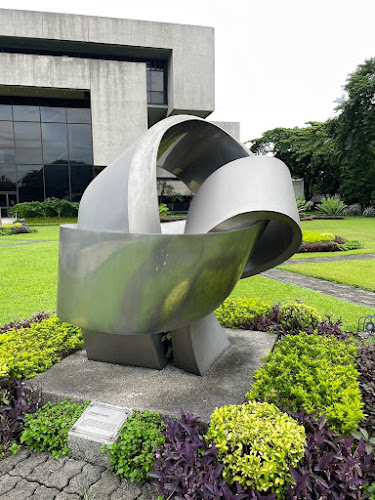
Asia-Pacific Economic Cooperation (APEC) Sculpture Garden
About Asia-Pacific Economic Cooperation (APEC) Sculpture Garden
Description
The APEC Sculpture Garden stands as an unexpected artistic treasure that many travelers overlook when visiting the Philippines. I'll be honest - when I first heard about this place, I wasn't expecting much. But there's something genuinely special about wandering through a collection of sculptures created by artists from across the Asia-Pacific region, each piece representing a different member economy of APEC. This outdoor gallery showcases works that were commissioned during one of the APEC summits, and what makes it particularly interesting is how each sculpture reflects the cultural identity and artistic traditions of its country of origin. You're essentially taking a visual journey through Asia and the Pacific without ever leaving the garden grounds. The pieces range from traditional to contemporary, abstract to representational, and some of them are genuinely thought-provoking. What struck me most during my visit was how the garden manages to be both a political statement and a peaceful retreat at the same time. And I don't mean political in a divisive way - more like a celebration of international cooperation through art. Each sculpture tells a story, whether it's about the artist's homeland, their interpretation of unity, or their unique aesthetic vision. The garden isn't massive, but it doesn't need to be. Quality over quantity, as they say. The space itself is well-maintained, with walking paths that guide you naturally from one sculpture to the next. It's the kind of place where you can spend thirty minutes or two hours depending on how deeply you want to engage with the art. Some visitors breeze through, snapping quick photos, while others sit and contemplate individual pieces. Both approaches are perfectly valid, though I'd argue you get more out of taking your time.Key Features
• Multiple sculptures representing APEC member economies including Australia, Canada, China, Indonesia, Japan, Malaysia, Mexico, Philippines, Russia, Thailand, and others • Wheelchair accessible pathways throughout the garden making it inclusive for visitors with mobility challenges • Family-friendly environment that's genuinely appropriate for children without being dumbed down or overly simplified • Open-air setting that combines art appreciation with fresh air and natural surroundings • Free admission which is increasingly rare for quality cultural attractions these days • Educational opportunity to learn about different artistic traditions and cultural perspectives from across the Asia-Pacific region • Relatively uncrowded compared to other tourist attractions allowing for peaceful contemplation • Photography-friendly space where you can capture interesting angles and compositions without restrictions • Compact layout that doesn't require excessive walking making it accessible for various fitness levels • Unique collection that you won't find replicated anywhere else in the worldBest Time to Visit
Here's where things get practical. The Philippines has a tropical climate, which means you need to think strategically about when you visit outdoor attractions. I learned this the hard way during my first trip to Manila when I decided to wander around at 2 PM in April - not my brightest moment. The absolute best time to visit the APEC Sculpture Garden is during the cooler months from November through February. Temperatures are more manageable, humidity is lower, and you're less likely to get caught in a sudden downpour. Morning visits work particularly well during these months - aim for between 7 AM and 10 AM when the light is beautiful for photography and the heat hasn't built up yet. But let's be real - not everyone can plan their travel around the perfect weather window. If you're visiting during the hotter months from March to May, definitely go early in the morning or late in the afternoon. The midday sun can be brutal, and since this is an outdoor garden with limited shade in some areas, you'll be uncomfortable pretty quickly. I've seen tourists power through the heat out of stubbornness, and it never looks fun. The rainy season from June to October presents its own challenges. You might get lucky with clear skies, or you might get absolutely drenched. Check the weather forecast before heading out, and carry an umbrella even if it looks clear - tropical weather changes fast. Actually, the garden can be quite atmospheric during light rain, though I wouldn't recommend visiting during heavy storms for obvious safety reasons. Weekdays are generally quieter than weekends, which matters if you prefer experiencing art without crowds. And honestly, sculptures deserve to be viewed without someone's elbow in your photo or groups blocking your view. Early Sunday mornings can work well too since many locals are at church or sleeping in after Saturday night.How to Get There
Getting to the APEC Sculpture Garden requires a bit of local knowledge since it's not as prominently marked as some major tourist attractions. The garden is located within a larger complex, so you're not just looking for a standalone entrance. For international travelers staying in Manila or nearby areas, ride-hailing apps like Grab are probably your most convenient option. They're reliable, affordable by international standards, and drivers generally know how to find the location when you input it in the app. Just make sure your phone is charged and you have data connectivity. Taxis work too, though you'll want to insist on using the meter or agree on a price before getting in. Some taxi drivers see tourists and suddenly forget their meters exist - it's an old story in many cities worldwide. Having the destination written down in both English and Tagalog can help avoid confusion. If you're feeling adventurous and want to experience local transportation, jeepneys are an option, though they require knowing the specific routes. Ask locals for help - Filipinos are generally friendly and willing to assist confused-looking tourists. But I'll admit the jeepney system has a learning curve if you're not familiar with it. For those renting cars, parking is available in the area, though you'll want to arrive early on weekends when spaces fill up faster. Having GPS navigation really helps since street signage isn't always consistent or clear. The garden's accessible entrance means visitors using wheelchairs or other mobility aids can enter without barriers, which isn't something you can take for granted at every attraction in the Philippines. It's worth noting this when planning your route.Tips for Visiting
Bring water - this seems obvious but you'd be surprised how many people show up unprepared. There might not be vendors immediately nearby, and staying hydrated in tropical heat isn't optional. Wear comfortable walking shoes with good grip. The pathways are generally well-maintained, but you'll be on your feet, and this isn't the place for impractical footwear. I once saw someone touring in brand new flip-flops and they looked miserable. Sunscreen and a hat are essential unless you're visiting during overcast conditions or very early morning. The sun in the Philippines doesn't mess around, and sunburn can ruin the rest of your trip. Don't be like those tourists who turn lobster-red because they "didn't think they'd be outside that long." Bring your camera but also take time to actually look at the sculptures with your eyes rather than only through your phone screen. I know this sounds like old-person advice, but there's something different about experiencing art directly versus through a lens. Do both. If you're visiting with children, take a few minutes before arriving to explain what they'll see. Kids appreciate art more when they understand the context, even in simple terms. Frame it as a treasure hunt where they find sculptures from different countries - suddenly they're engaged instead of bored. Consider visiting as part of a larger day trip that includes other nearby attractions. The sculpture garden doesn't require an entire day, so combining it with other destinations makes logistical sense and maximizes your time. Download or screenshot information about APEC and the member economies before arriving since internet connectivity might be spotty. Having background knowledge enhances your appreciation of each sculpture when you understand what country it represents. Respect the artwork - this should go without saying, but don't touch, climb on, or otherwise interact inappropriately with the sculptures. They're cultural treasures, not playground equipment. If you're visiting during peak heat hours despite my earlier advice, take breaks in whatever shade you can find. Heat exhaustion isn't worth pushing through for art appreciation. Ask questions if there are any staff members or guides around. Local knowledge adds layers of understanding that plaques and signs can't always convey. Some of the best information I've gotten at cultural sites came from casual conversations with people who work there. The garden works well for solo travelers, couples, families, and even small groups. It's one of those rare places that adapts to different visiting styles without losing its essential character. Just be mindful of other visitors and share the space respectfully.Key Features
- Key Features
- Best Time to Visit
- How to Get There
- Tips for Visiting
More Details
Updated January 18, 2026
Table of Contents
- Description
- Key Features
- Best Time to Visit
- How to Get There
- Tips for Visiting
- Key Highlights
- Location
- Places to Stay Near Asia-Pacific Economic Cooperation (APEC) Sculpture Garden
- Find and Book a Tour
- Explore More Travel Guides
- Nearby Places You Might Like
- Traveler Reviews for Asia-Pacific Economic Cooperation (APEC) Sculpture Garden
- Share Your Experience
Description
The APEC Sculpture Garden stands as an unexpected artistic treasure that many travelers overlook when visiting the Philippines. I’ll be honest – when I first heard about this place, I wasn’t expecting much. But there’s something genuinely special about wandering through a collection of sculptures created by artists from across the Asia-Pacific region, each piece representing a different member economy of APEC.
This outdoor gallery showcases works that were commissioned during one of the APEC summits, and what makes it particularly interesting is how each sculpture reflects the cultural identity and artistic traditions of its country of origin. You’re essentially taking a visual journey through Asia and the Pacific without ever leaving the garden grounds. The pieces range from traditional to contemporary, abstract to representational, and some of them are genuinely thought-provoking.
What struck me most during my visit was how the garden manages to be both a political statement and a peaceful retreat at the same time. And I don’t mean political in a divisive way – more like a celebration of international cooperation through art. Each sculpture tells a story, whether it’s about the artist’s homeland, their interpretation of unity, or their unique aesthetic vision. The garden isn’t massive, but it doesn’t need to be. Quality over quantity, as they say.
The space itself is well-maintained, with walking paths that guide you naturally from one sculpture to the next. It’s the kind of place where you can spend thirty minutes or two hours depending on how deeply you want to engage with the art. Some visitors breeze through, snapping quick photos, while others sit and contemplate individual pieces. Both approaches are perfectly valid, though I’d argue you get more out of taking your time.
Key Features
• Multiple sculptures representing APEC member economies including Australia, Canada, China, Indonesia, Japan, Malaysia, Mexico, Philippines, Russia, Thailand, and others
• Wheelchair accessible pathways throughout the garden making it inclusive for visitors with mobility challenges
• Family-friendly environment that’s genuinely appropriate for children without being dumbed down or overly simplified
• Open-air setting that combines art appreciation with fresh air and natural surroundings
• Free admission which is increasingly rare for quality cultural attractions these days
• Educational opportunity to learn about different artistic traditions and cultural perspectives from across the Asia-Pacific region
• Relatively uncrowded compared to other tourist attractions allowing for peaceful contemplation
• Photography-friendly space where you can capture interesting angles and compositions without restrictions
• Compact layout that doesn’t require excessive walking making it accessible for various fitness levels
• Unique collection that you won’t find replicated anywhere else in the world
Best Time to Visit
Here’s where things get practical. The Philippines has a tropical climate, which means you need to think strategically about when you visit outdoor attractions. I learned this the hard way during my first trip to Manila when I decided to wander around at 2 PM in April – not my brightest moment.
The absolute best time to visit the APEC Sculpture Garden is during the cooler months from November through February. Temperatures are more manageable, humidity is lower, and you’re less likely to get caught in a sudden downpour. Morning visits work particularly well during these months – aim for between 7 AM and 10 AM when the light is beautiful for photography and the heat hasn’t built up yet.
But let’s be real – not everyone can plan their travel around the perfect weather window. If you’re visiting during the hotter months from March to May, definitely go early in the morning or late in the afternoon. The midday sun can be brutal, and since this is an outdoor garden with limited shade in some areas, you’ll be uncomfortable pretty quickly. I’ve seen tourists power through the heat out of stubbornness, and it never looks fun.
The rainy season from June to October presents its own challenges. You might get lucky with clear skies, or you might get absolutely drenched. Check the weather forecast before heading out, and carry an umbrella even if it looks clear – tropical weather changes fast. Actually, the garden can be quite atmospheric during light rain, though I wouldn’t recommend visiting during heavy storms for obvious safety reasons.
Weekdays are generally quieter than weekends, which matters if you prefer experiencing art without crowds. And honestly, sculptures deserve to be viewed without someone’s elbow in your photo or groups blocking your view. Early Sunday mornings can work well too since many locals are at church or sleeping in after Saturday night.
How to Get There
Getting to the APEC Sculpture Garden requires a bit of local knowledge since it’s not as prominently marked as some major tourist attractions. The garden is located within a larger complex, so you’re not just looking for a standalone entrance.
For international travelers staying in Manila or nearby areas, ride-hailing apps like Grab are probably your most convenient option. They’re reliable, affordable by international standards, and drivers generally know how to find the location when you input it in the app. Just make sure your phone is charged and you have data connectivity.
Taxis work too, though you’ll want to insist on using the meter or agree on a price before getting in. Some taxi drivers see tourists and suddenly forget their meters exist – it’s an old story in many cities worldwide. Having the destination written down in both English and Tagalog can help avoid confusion.
If you’re feeling adventurous and want to experience local transportation, jeepneys are an option, though they require knowing the specific routes. Ask locals for help – Filipinos are generally friendly and willing to assist confused-looking tourists. But I’ll admit the jeepney system has a learning curve if you’re not familiar with it.
For those renting cars, parking is available in the area, though you’ll want to arrive early on weekends when spaces fill up faster. Having GPS navigation really helps since street signage isn’t always consistent or clear.
The garden’s accessible entrance means visitors using wheelchairs or other mobility aids can enter without barriers, which isn’t something you can take for granted at every attraction in the Philippines. It’s worth noting this when planning your route.
Tips for Visiting
Bring water – this seems obvious but you’d be surprised how many people show up unprepared. There might not be vendors immediately nearby, and staying hydrated in tropical heat isn’t optional.
Wear comfortable walking shoes with good grip. The pathways are generally well-maintained, but you’ll be on your feet, and this isn’t the place for impractical footwear. I once saw someone touring in brand new flip-flops and they looked miserable.
Sunscreen and a hat are essential unless you’re visiting during overcast conditions or very early morning. The sun in the Philippines doesn’t mess around, and sunburn can ruin the rest of your trip. Don’t be like those tourists who turn lobster-red because they “didn’t think they’d be outside that long.”
Bring your camera but also take time to actually look at the sculptures with your eyes rather than only through your phone screen. I know this sounds like old-person advice, but there’s something different about experiencing art directly versus through a lens. Do both.
If you’re visiting with children, take a few minutes before arriving to explain what they’ll see. Kids appreciate art more when they understand the context, even in simple terms. Frame it as a treasure hunt where they find sculptures from different countries – suddenly they’re engaged instead of bored.
Consider visiting as part of a larger day trip that includes other nearby attractions. The sculpture garden doesn’t require an entire day, so combining it with other destinations makes logistical sense and maximizes your time.
Download or screenshot information about APEC and the member economies before arriving since internet connectivity might be spotty. Having background knowledge enhances your appreciation of each sculpture when you understand what country it represents.
Respect the artwork – this should go without saying, but don’t touch, climb on, or otherwise interact inappropriately with the sculptures. They’re cultural treasures, not playground equipment.
If you’re visiting during peak heat hours despite my earlier advice, take breaks in whatever shade you can find. Heat exhaustion isn’t worth pushing through for art appreciation.
Ask questions if there are any staff members or guides around. Local knowledge adds layers of understanding that plaques and signs can’t always convey. Some of the best information I’ve gotten at cultural sites came from casual conversations with people who work there.
The garden works well for solo travelers, couples, families, and even small groups. It’s one of those rare places that adapts to different visiting styles without losing its essential character. Just be mindful of other visitors and share the space respectfully.
Key Highlights
- Key Features
- Best Time to Visit
- How to Get There
- Tips for Visiting
Location
Places to Stay Near Asia-Pacific Economic Cooperation (APEC) Sculpture Garden
Find and Book a Tour
Explore More Travel Guides
No reviews found! Be the first to review!
Traveler Reviews for Asia-Pacific Economic Cooperation (APEC) Sculpture Garden
There are no reviews yet. Be the first one to write one.
Have you visited Asia-Pacific Economic Cooperation (APEC) Sculpture Garden? Help other travelers by sharing your review.
You Might Also Like
MOA NEON ALLEY

Archdiocesan Shrine of Jesus the Way, the Truth, and the Life
Philippine Air Force Aerospace Museum
Find Accommodations Nearby
Recommended Tours & Activities
Visitor Reviews
There are no reviews yet. Be the first one to write one.
Share Your Experience
Have you visited Asia-Pacific Economic Cooperation (APEC) Sculpture Garden? Help other travelers by leaving a review.