Description
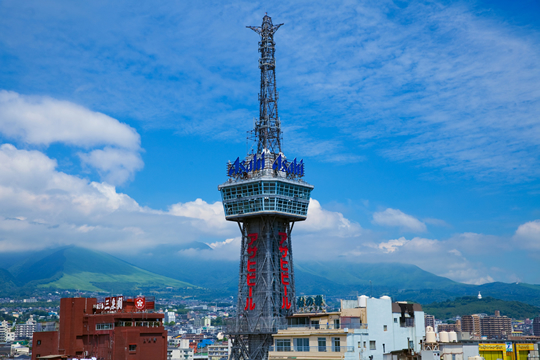
Standing proudly in one of Japan’s most famous hot spring cities, Beppu Tower has been welcoming visitors since the late 1950s when it was constructed between 1956 and 1957. This 100-meter steel structure might not be the tallest observation tower you’ll encounter in Japan, but there’s something genuinely charming about its retro appeal and the way it represents a specific era of Japanese architecture. The observation deck sits at 55 meters above ground level, providing sweeping views of Beppu city, the surrounding mountains, and on exceptionally clear days, the shimmering Beppu Bay stretching out toward the horizon.
I’ve always thought these mid-century towers have a particular personality that modern structures somehow lack—they’re like time capsules that transport you back to an era when these observation decks were the height of modern tourism literally and figuratively. Beppu Tower isn’t trying to compete with Tokyo Skytree or any contemporary architectural marvel. Instead, it offers visitors a more intimate, nostalgic experience that honestly feels refreshing in today’s world of ever-taller and flashier attractions.
The tower functions primarily as an observation deck and tourist attraction, drawing both international travelers and domestic visitors who appreciate its historical significance. After sunset, the tower becomes particularly photogenic as it illuminates the night sky, creating a beautiful nightscape that photographers and Instagram enthusiasts absolutely adore. The gift shop at ground level stocks local Beppu souvenirs and regional specialties, making it convenient for travelers looking to bring home mementos from their visit.
What strikes many visitors—and what struck me when I researched this place thoroughly—is how the tower represents post-war Japan’s optimism and modernization efforts. Built during a period when Japan was rebuilding and reimagining itself, Beppu Tower stands as a testament to the city’s confidence in its future as a premier tourist destination.
Key Features
The tower presents several noteworthy characteristics that make it worth considering during your Beppu itinerary:
• An observation platform positioned at 55 meters offering 360-degree panoramic views of Beppu city, the bay, and the surrounding mountainous landscape
• Original 1950s architectural design that showcases mid-century Japanese engineering and aesthetic sensibilities
• Evening illumination that transforms the tower into a glowing landmark visible throughout the city
• On-site gift shop featuring regional products, traditional crafts, and Beppu-specific souvenirs
• Free and paid parking options available for visitors arriving by car
• Family-friendly environment suitable for children of all ages
• Relatively quick visit duration, making it perfect for travelers with packed itineraries
• Historical significance as one of the earlier tourist observation towers built in post-war Japan
• Convenient location within Beppu’s main tourist area, easily accessible from other attractions
• Affordable admission prices compared to many modern observation decks
• Less crowded atmosphere than major city towers, allowing for a more relaxed viewing experience
Best Time to Visit
Timing your visit to Beppu Tower can significantly enhance your experience, and honestly, there are several factors worth considering depending on what you’re hoping to see and experience.
For the absolute best visibility and clearest views, autumn months from September through November typically offer the most cooperative weather conditions. The air tends to be crisp and clear during this season, with lower humidity levels that can otherwise obscure distant vistas. I always recommend checking the weather forecast a day or two before your planned visit because even the best season can’t guarantee perfect conditions on any given day.
Spring, particularly late March through May, presents another excellent window for visiting. The cherry blossom season brings an added dimension to the landscape views, though you’ll want to time this carefully as sakura blooms are notoriously unpredictable and brief. The temperatures during spring are comfortable for walking around the area before or after your tower visit.
Here’s where opinions might differ, but I genuinely think visiting during twilight hours provides the most memorable experience. Arriving about an hour before sunset allows you to witness the city in daylight, watch the sun disappear behind the mountains, and then see Beppu transform as city lights begin twinkling below. The tower’s own illumination adds to the magic once darkness falls completely. This timing does mean you’ll likely encounter more visitors, but the visual payoff is substantial.
Winter visits have their own appeal, especially on clear days when you might spot snow-capped mountains in the distance. However, Beppu’s winter weather can be unpredictable, and visibility may be compromised by cloud cover or precipitation. The tower’s indoor observation deck provides shelter from cold winds, making it more comfortable than outdoor viewing platforms.
Summer months, while popular with domestic tourists during school holidays, can present challenges with haze and humidity affecting long-distance views. But if summer is your only option, early morning visits right when the tower opens often provide better visibility before afternoon heat and moisture build up.
Weekday visits generally mean fewer crowds regardless of season, giving you more space at the observation windows and a more peaceful experience overall. Weekend and holiday periods can get surprisingly busy, especially when families are taking advantage of the kid-friendly environment.
How to Get There
Reaching Beppu Tower is relatively straightforward, which is one of its practical advantages for travelers already dealing with the complexities of navigating a foreign country.
If you’re arriving by train—which many international visitors do when traveling around Kyushu—Beppu Station serves as your primary transit hub. From there, you have several options. The most economical approach involves taking a local bus, with several routes passing near the tower. The journey takes approximately 10-15 minutes depending on traffic conditions. Bus transportation in Beppu is generally reliable, though having your destination written in Japanese can help when confirming routes with drivers.
Walking from Beppu Station is entirely feasible for travelers who enjoy exploring cities on foot. The distance is roughly 2 kilometers, which translates to about 20-25 minutes of casual walking. This route takes you through interesting neighborhoods and past various shops and restaurants, turning your journey into part of the experience rather than just transit time. I always think walking reveals aspects of a destination that you’d miss from vehicle windows.
Taxis are readily available at Beppu Station and throughout the city, offering the most convenient though priciest option. The fare shouldn’t be excessive given the short distance, and taxi drivers are generally familiar with major tourist attractions like the tower. Having the destination name written in Japanese characters proves helpful even though most drivers will recognize “Beppu Tower” in English.
For visitors renting cars to explore Kyushu more extensively, the tower provides both free and paid parking options on-site. This flexibility is genuinely appreciated because parking can be a significant headache at many Japanese tourist attractions. The availability of parking makes the tower an easy addition to a driving itinerary that might include the famous hot springs, jigoku (hells), or other Beppu area attractions.
Cycling is another legitimate option if you’re comfortable navigating Japanese road rules and traffic patterns. Beppu’s relatively compact size and generally flat terrain in the downtown area make it bicycle-friendly, and some accommodations offer bike rentals.
Tips for Visiting
A successful visit to Beppu Tower involves more than just showing up and taking the elevator to the observation deck. These practical suggestions can help maximize your experience.
First and foremost, manage your expectations appropriately. Beppu Tower isn’t going to compete with Tokyo Tower or Osaka’s Umeda Sky Building in terms of height, modern amenities, or dramatic architectural statements. What it offers instead is a more modest, nostalgic experience that appeals to travelers interested in mid-century Japanese culture and history. Approaching it with appreciation for what it represents rather than expecting cutting-edge facilities will significantly enhance your satisfaction.
Bring your camera obviously, but consider what you’re actually hoping to photograph. Wide-angle lenses work well for capturing the full cityscape, while telephoto options let you pick out interesting details in the distance. The windows can sometimes create reflections or glare, so cupping your hand or lens hood against the glass helps minimize this issue. And if you’re serious about photography, that twilight timing I mentioned earlier really does produce the most dynamic images.
The gift shop deserves more than a cursory glance if you’re interested in local products. While many tourist gift shops stock generic Japanese souvenirs, this one includes items specific to Beppu’s hot spring culture and regional specialties. It’s a convenient one-stop opportunity for picking up small gifts without dedicating separate time to souvenir shopping.
Families with children will appreciate that the tower is genuinely kid-friendly without being specifically designed as a children’s attraction. The observation deck isn’t so high that young kids feel frightened, and the relatively quick visit duration matches children’s attention spans better than some attractions. There are restroom facilities available, which any parent knows is crucial information when planning activities with kids.
Consider combining your tower visit with other nearby attractions rather than making it a standalone destination. Beppu’s compact tourist area means you can easily walk to various hot spring facilities, restaurants, and shops before or after visiting the tower. This clustering of activities makes efficient use of your time, particularly valuable if you’re only spending a day or two in Beppu.
Weather awareness matters more than you might initially think. Even if rain isn’t forecasted, hazy or overcast conditions dramatically reduce the observation deck’s appeal since visibility drops significantly. Checking real-time weather conditions on the day of your visit allows you to adjust timing if current conditions aren’t ideal. Being flexible with your schedule pays dividends with observation deck visits anywhere, not just here.
The tower’s historical context adds depth to the experience for visitors who take a moment to consider what they’re seeing. Reading about post-war Japanese reconstruction and the development of domestic tourism helps you appreciate why these towers were built and what they meant to communities. You’re not just looking at views—you’re standing in a structure that represents a specific moment in Japanese history.
Don’t rush your visit. Sure, you can technically go up, look around, and come down in 20 minutes. But taking time to observe different directions, watch how light changes if you’re there during transition hours, and simply absorb the atmosphere makes the experience more meaningful. Travel isn’t just about checking boxes on an itinerary; it’s about genuine experiences and observations.
Finally, remember that Beppu Tower won’t be everyone’s favorite Beppu attraction, and that’s completely fine. Some visitors rate it highly for its nostalgic charm and convenient viewing platform, while others find it somewhat underwhelming compared to expectations. Your own interests, travel style, and what you’re hoping to experience will determine whether it’s a highlight or just a pleasant addition to your Beppu visit. Approaching it with realistic expectations and appreciation for its specific qualities gives you the best chance of enjoying what it genuinely offers.
 Real Journey Travels