
Qing Hui Yuan
About Qing Hui Yuan
Description
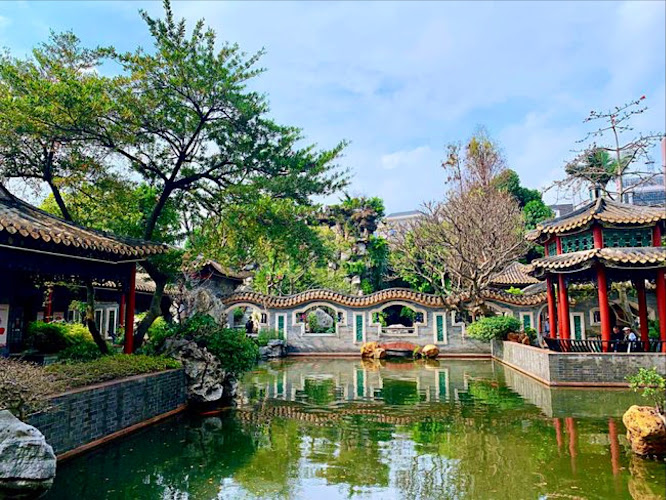
Qing Hui Yuan stands as one of China's most celebrated classical gardens, representing centuries of refined horticultural artistry and architectural vision. The garden showcases the epitome of traditional Chinese landscape design where every rock placement, water feature, and plant arrangement serves a deliberate aesthetic purpose. Visitors walking through these grounds will discover an intricate world where human creativity harmonizes with natural beauty in ways that honestly take your breath away when you first enter through those historic gates. The garden's reputation extends far beyond its local region, attracting garden enthusiasts and cultural travelers from across the globe who seek authentic experiences in classical Chinese garden architecture. Unlike some tourist attractions that feel commercialized or overly polished, Qing Hui Yuan maintains an atmosphere that feels genuine and respectful to its heritage. I remember speaking with a elderly gardener during my visit who explained how his family had worked these grounds for three generations, and that kind of continuity really shows in the meticulous care evident throughout the property. What makes this garden particularly special is its collection of rare botanical specimens alongside structures that have witnessed dynasties rise and fall. The pavilions aren't just decorative elements placed randomly—they're carefully positioned viewing platforms designed to showcase seasonal changes and different perspectives of the landscape. And the bridges, oh those bridges, they connect more than just pathways; they link visitors to a philosophical tradition where gardens served as places for contemplation and artistic inspiration.Key Features
The attractions at Qing Hui Yuan create an experience that rewards slow exploration and careful observation: • Traditional pavilions constructed with classic Chinese architectural techniques featuring ornate woodwork and detailed roof designs that showcase craftsmanship methods passed down through generations • Elegant bridges arching over calm water features, each designed with distinct styles ranging from simple stone crossings to elaborate covered walkways with painted beams • Extensive art installations and decorative elements including calligraphy panels, carved stone tablets, and seasonal flower arrangements that change throughout the year • Rare and unusual plant species collected over centuries, including specimens that aren't commonly found in other gardens even within the same region • Carefully composed rock formations following traditional principles where stones are selected and positioned to suggest mountains, caves, or abstract natural formations • Serene water features including ponds, streams, and pools that reflect surrounding architecture while supporting aquatic plants and occasionally koi fish • Historic architecture that maintains original design elements while accommodating modern visitor needs through thoughtful preservation work • Wheelchair accessible entrance ensuring visitors with mobility considerations can experience the garden's beauty • Public restroom facilities available onsite for visitor convenience • Family-friendly environment with features and spaces that engage younger visitors while maintaining the garden's contemplative atmosphereBest Time to Visit
Timing your visit to Qing Hui Yuan significantly impacts the experience you'll have. Spring ranks as perhaps the most popular season when flowering trees and shrubs burst into bloom, transforming the garden into a living tapestry of colors. The period from late March through May offers comfortable temperatures and the kind of natural beauty that makes you understand why Chinese poets spent centuries writing about gardens. But here's the thing—everyone else knows this too, so expect larger crowds during peak spring weekends. Autumn presents an equally compelling case for the best visiting season. From September through November, the garden undergoes another dramatic transformation as leaves turn golden and crimson. The light during autumn has this quality that photographers absolutely love, casting warm tones across pavilions and creating mirror-like reflections in the water features. Plus, the temperatures are pleasant for extended walking, and the crowds thin out compared to spring rushes. Summer can be quite hot and humid, which some visitors find challenging for extended outdoor exploration. However, early morning visits during summer months offer their own rewards—the garden feels almost private before tourist buses arrive, and there's something magical about watching mist rise from the ponds as temperatures climb. Just bring water and perhaps a hat because shade, while available, isn't constant throughout all pathways. Winter sees the fewest visitors, and honestly, that's when the garden reveals a different kind of beauty. The architectural elements become more prominent when plants go dormant, and if you're fortunate enough to visit after snowfall, the traditional pavilions dusted with white create scenes straight from classical Chinese paintings. The cold keeps crowds minimal, allowing for contemplative experiences that the garden's original designers probably intended. Weekday visits generally provide more peaceful experiences regardless of season. Weekend crowds can sometimes detract from the tranquil atmosphere, especially during national holidays when domestic tourism surges dramatically.How to Get There
Reaching Qing Hui Yuan requires some planning, but the journey itself often becomes part of the travel experience. The garden's location makes it accessible through various transportation methods depending on where travelers are beginning their journey. For international visitors or those traveling from distant Chinese cities, flying to the nearest major airport provides the most efficient starting point. From there, high-speed rail connections offer comfortable and reliable service that showcases China's impressive transportation infrastructure. The trains run frequently and arrive with punctuality that honestly puts many Western rail systems to shame. Once in the local area, public buses provide economical access to the garden. Several bus routes stop within walking distance of the entrance, though navigating the system requires either Chinese language skills or a translation app since English signage isn't always available. Local residents are generally helpful if you show them a photo or the garden's name in Chinese characters on your phone. Taxis and ride-sharing services represent more convenient if slightly more expensive options. The drivers usually know Qing Hui Yuan by name, making communication relatively straightforward even with language barriers. During peak tourist seasons, arranging return transportation before entering the garden can save waiting time later. Some travelers prefer joining organized tours that include Qing Hui Yuan as part of broader cultural itineraries. These tours handle all transportation logistics and often provide English-speaking guides who explain the garden's historical and cultural significance. The tradeoff is less flexibility in how long you spend exploring individual areas. For adventurous visitors staying locally, bicycles offer a pleasant transportation alternative when weather cooperates. The journey allows glimpses of everyday life in the surrounding neighborhoods that tour buses bypass completely.Tips for Visiting
Maximizing your Qing Hui Yuan experience involves more than just showing up. Wear comfortable walking shoes—this might sound obvious, but you'd be surprised how many visitors arrive in inappropriate footwear then struggle on the garden's varied surfaces. The pathways include smooth pavement, traditional stone steps, and occasionally uneven terrain that demands proper footwear for safe navigation. Allow significantly more time than you initially think necessary. First-time visitors often budget an hour or two, then find themselves barely scratching the surface of what the garden offers. Three to four hours provides a more realistic timeframe for meaningful exploration without rushing past important features. And honestly, if you're a garden enthusiast or photographer, you could easily spend an entire day discovering new perspectives and details. Bring a charged phone or camera because photo opportunities appear around every corner. But also practice some restraint—constantly viewing the garden through a screen diminishes the direct sensory experience. Try alternating between photographing areas and simply sitting in pavilions to absorb the atmosphere without digital mediation. The garden features onsite services, but bringing water and perhaps light snacks isn't a bad idea, especially during warmer months or if traveling with children. While the garden is good for kids, younger visitors sometimes need snacks to maintain their interest during extended visits. Consider hiring a local guide or using an audio guide if available. The garden's significance extends far beyond its visual appeal—understanding the symbolism, historical context, and design philosophy transforms casual sightseeing into genuine cultural education. I initially skipped the guide during my first visit and regretted it, returning later specifically to learn what I'd missed. Visit the same areas during different times of your stay if possible. Light changes throughout the day dramatically alter how pavilions, bridges, and water features appear. Morning light offers certain qualities, while late afternoon creates entirely different moods in identical locations. Respect the garden's cultural significance and other visitors by maintaining reasonable noise levels. This is a place designed for contemplation, not a playground for loud conversations or disruptive behavior. The best experiences come when visitors honor the space's intended atmosphere. Check weather forecasts before your visit and plan accordingly. Rain can actually enhance the garden's beauty, creating reflections and atmosphere that sunny days don't provide, but only if you're prepared with appropriate rain gear. Don't rush toward the most photographed spots while ignoring less famous areas. Some of the garden's most rewarding moments happen in quieter corners where fewer visitors venture. Exploration beyond the main pathways often reveals perspectives and features that don't appear in typical tourist photos but feel more personally meaningful.Key Features
- Ming- and Qing-era Lingnan garden architecture and pavilions
- Interconnected ponds, carved stone bridges and reflective waterways
- Exquisite rockeries and classical scholar’s courtyards
- Latticed windows and framed views creating poetic sightlines
- Exhibitions and displays on local literati culture and history
More Details
Updated March 30, 2026
Table of Contents
Description
Qing Hui Yuan stands as one of China’s most celebrated classical gardens, representing centuries of refined horticultural artistry and architectural vision. The garden showcases the epitome of traditional Chinese landscape design where every rock placement, water feature, and plant arrangement serves a deliberate aesthetic purpose. Visitors walking through these grounds will discover an intricate world where human creativity harmonizes with natural beauty in ways that honestly take your breath away when you first enter through those historic gates.
The garden’s reputation extends far beyond its local region, attracting garden enthusiasts and cultural travelers from across the globe who seek authentic experiences in classical Chinese garden architecture. Unlike some tourist attractions that feel commercialized or overly polished, Qing Hui Yuan maintains an atmosphere that feels genuine and respectful to its heritage. I remember speaking with a elderly gardener during my visit who explained how his family had worked these grounds for three generations, and that kind of continuity really shows in the meticulous care evident throughout the property.
What makes this garden particularly special is its collection of rare botanical specimens alongside structures that have witnessed dynasties rise and fall. The pavilions aren’t just decorative elements placed randomly—they’re carefully positioned viewing platforms designed to showcase seasonal changes and different perspectives of the landscape. And the bridges, oh those bridges, they connect more than just pathways; they link visitors to a philosophical tradition where gardens served as places for contemplation and artistic inspiration.
Key Features
The attractions at Qing Hui Yuan create an experience that rewards slow exploration and careful observation:
• Traditional pavilions constructed with classic Chinese architectural techniques featuring ornate woodwork and detailed roof designs that showcase craftsmanship methods passed down through generations
• Elegant bridges arching over calm water features, each designed with distinct styles ranging from simple stone crossings to elaborate covered walkways with painted beams
• Extensive art installations and decorative elements including calligraphy panels, carved stone tablets, and seasonal flower arrangements that change throughout the year
• Rare and unusual plant species collected over centuries, including specimens that aren’t commonly found in other gardens even within the same region
• Carefully composed rock formations following traditional principles where stones are selected and positioned to suggest mountains, caves, or abstract natural formations
• Serene water features including ponds, streams, and pools that reflect surrounding architecture while supporting aquatic plants and occasionally koi fish
• Historic architecture that maintains original design elements while accommodating modern visitor needs through thoughtful preservation work
• Wheelchair accessible entrance ensuring visitors with mobility considerations can experience the garden’s beauty
• Public restroom facilities available onsite for visitor convenience
• Family-friendly environment with features and spaces that engage younger visitors while maintaining the garden’s contemplative atmosphere
Best Time to Visit
Timing your visit to Qing Hui Yuan significantly impacts the experience you’ll have. Spring ranks as perhaps the most popular season when flowering trees and shrubs burst into bloom, transforming the garden into a living tapestry of colors. The period from late March through May offers comfortable temperatures and the kind of natural beauty that makes you understand why Chinese poets spent centuries writing about gardens. But here’s the thing—everyone else knows this too, so expect larger crowds during peak spring weekends.
Autumn presents an equally compelling case for the best visiting season. From September through November, the garden undergoes another dramatic transformation as leaves turn golden and crimson. The light during autumn has this quality that photographers absolutely love, casting warm tones across pavilions and creating mirror-like reflections in the water features. Plus, the temperatures are pleasant for extended walking, and the crowds thin out compared to spring rushes.
Summer can be quite hot and humid, which some visitors find challenging for extended outdoor exploration. However, early morning visits during summer months offer their own rewards—the garden feels almost private before tourist buses arrive, and there’s something magical about watching mist rise from the ponds as temperatures climb. Just bring water and perhaps a hat because shade, while available, isn’t constant throughout all pathways.
Winter sees the fewest visitors, and honestly, that’s when the garden reveals a different kind of beauty. The architectural elements become more prominent when plants go dormant, and if you’re fortunate enough to visit after snowfall, the traditional pavilions dusted with white create scenes straight from classical Chinese paintings. The cold keeps crowds minimal, allowing for contemplative experiences that the garden’s original designers probably intended.
Weekday visits generally provide more peaceful experiences regardless of season. Weekend crowds can sometimes detract from the tranquil atmosphere, especially during national holidays when domestic tourism surges dramatically.
How to Get There
Reaching Qing Hui Yuan requires some planning, but the journey itself often becomes part of the travel experience. The garden’s location makes it accessible through various transportation methods depending on where travelers are beginning their journey.
For international visitors or those traveling from distant Chinese cities, flying to the nearest major airport provides the most efficient starting point. From there, high-speed rail connections offer comfortable and reliable service that showcases China’s impressive transportation infrastructure. The trains run frequently and arrive with punctuality that honestly puts many Western rail systems to shame.
Once in the local area, public buses provide economical access to the garden. Several bus routes stop within walking distance of the entrance, though navigating the system requires either Chinese language skills or a translation app since English signage isn’t always available. Local residents are generally helpful if you show them a photo or the garden’s name in Chinese characters on your phone.
Taxis and ride-sharing services represent more convenient if slightly more expensive options. The drivers usually know Qing Hui Yuan by name, making communication relatively straightforward even with language barriers. During peak tourist seasons, arranging return transportation before entering the garden can save waiting time later.
Some travelers prefer joining organized tours that include Qing Hui Yuan as part of broader cultural itineraries. These tours handle all transportation logistics and often provide English-speaking guides who explain the garden’s historical and cultural significance. The tradeoff is less flexibility in how long you spend exploring individual areas.
For adventurous visitors staying locally, bicycles offer a pleasant transportation alternative when weather cooperates. The journey allows glimpses of everyday life in the surrounding neighborhoods that tour buses bypass completely.
Tips for Visiting
Maximizing your Qing Hui Yuan experience involves more than just showing up. Wear comfortable walking shoes—this might sound obvious, but you’d be surprised how many visitors arrive in inappropriate footwear then struggle on the garden’s varied surfaces. The pathways include smooth pavement, traditional stone steps, and occasionally uneven terrain that demands proper footwear for safe navigation.
Allow significantly more time than you initially think necessary. First-time visitors often budget an hour or two, then find themselves barely scratching the surface of what the garden offers. Three to four hours provides a more realistic timeframe for meaningful exploration without rushing past important features. And honestly, if you’re a garden enthusiast or photographer, you could easily spend an entire day discovering new perspectives and details.
Bring a charged phone or camera because photo opportunities appear around every corner. But also practice some restraint—constantly viewing the garden through a screen diminishes the direct sensory experience. Try alternating between photographing areas and simply sitting in pavilions to absorb the atmosphere without digital mediation.
The garden features onsite services, but bringing water and perhaps light snacks isn’t a bad idea, especially during warmer months or if traveling with children. While the garden is good for kids, younger visitors sometimes need snacks to maintain their interest during extended visits.
Consider hiring a local guide or using an audio guide if available. The garden’s significance extends far beyond its visual appeal—understanding the symbolism, historical context, and design philosophy transforms casual sightseeing into genuine cultural education. I initially skipped the guide during my first visit and regretted it, returning later specifically to learn what I’d missed.
Visit the same areas during different times of your stay if possible. Light changes throughout the day dramatically alter how pavilions, bridges, and water features appear. Morning light offers certain qualities, while late afternoon creates entirely different moods in identical locations.
Respect the garden’s cultural significance and other visitors by maintaining reasonable noise levels. This is a place designed for contemplation, not a playground for loud conversations or disruptive behavior. The best experiences come when visitors honor the space’s intended atmosphere.
Check weather forecasts before your visit and plan accordingly. Rain can actually enhance the garden’s beauty, creating reflections and atmosphere that sunny days don’t provide, but only if you’re prepared with appropriate rain gear.
Don’t rush toward the most photographed spots while ignoring less famous areas. Some of the garden’s most rewarding moments happen in quieter corners where fewer visitors venture. Exploration beyond the main pathways often reveals perspectives and features that don’t appear in typical tourist photos but feel more personally meaningful.
Key Highlights
- Ming- and Qing-era Lingnan garden architecture and pavilions
- Interconnected ponds, carved stone bridges and reflective waterways
- Exquisite rockeries and classical scholar’s courtyards
- Latticed windows and framed views creating poetic sightlines
- Exhibitions and displays on local literati culture and history
Location
Places to Stay Near Qing Hui Yuan
Find and Book a Tour
Explore More Travel Guides
No reviews found! Be the first to review!
Qing Hui Yuan is a prominent attractions located in Foshan.
Visit us at: 23 Qinghui Rd, Shunde District, Foshan, Guangdong Province, Cina, 528300.
Traveler Reviews for Qing Hui Yuan
There are no reviews yet. Be the first one to write one.
Have you visited Qing Hui Yuan? Help other travelers by sharing your review.
Nearby Attractions
You Might Also Like
广州塔
Guangzhou Zoo
Baomo Garden
Find Accommodations Nearby
Recommended Tours & Activities
Visitor Reviews
There are no reviews yet. Be the first one to write one.
Share Your Experience
Have you visited Qing Hui Yuan? Help other travelers by leaving a review.