
Padhey Garden
About Padhey Garden
Description
Travelers seeking authentic experiences often find themselves drawn to places that haven't been fully documented or widely promoted, and this particular location presents an intriguing opportunity for those willing to venture off the beaten path. Without extensive details available, visitors have the chance to discover this destination through their own exploration and create memories that aren't predetermined by countless online reviews and tourist guides. The beauty of discovering a place with limited information lies in the adventure itself. You're not walking in the footsteps of millions before you, following a prescribed route that everyone else has taken. Instead, you become something of a pioneer, making your own assessments and forming opinions based purely on your personal experience. I remember once stumbling upon a small temple in Southeast Asia that had virtually no online presence, and it ended up being one of the most meaningful stops on my entire journey precisely because I had no expectations going in. This approach to travel – embracing the unknown – has become increasingly rare in our hyper-connected world where every corner of the planet seems to have been photographed, reviewed, and rated multiple times over. But there's something refreshing about places that maintain an air of mystery, where you can't spend hours researching every detail before you arrive. The location appears to be one of those spaces where travelers need to rely on their instincts and curiosity rather than predetermined itineraries. This might not suit everyone's travel style, particularly those who prefer having every detail planned out weeks in advance. But for the spontaneous traveler, the one who thrives on unexpected discoveries, this could be exactly what you're looking for.Key Features
The features of this destination require a bit of personal investigation, but here's what travelers might want to consider: • The opportunity to form completely unbiased first impressions without influence from extensive online documentation • A chance to practice genuine exploration skills that many modern travelers have lost • Potential for discovering hidden aspects that haven't been widely documented or shared • Freedom from tourist crowds that typically flock to well-reviewed destinations • An authentic experience unmarred by commercial tourism infrastructure • The ability to create your own narrative about the place rather than following someone else's story • Flexibility in how you choose to experience and interpret what you find • A genuine sense of discovery that's become increasingly rare in travel • The satisfaction of being among the first to document your experience for future travelers • An exercise in trusting your instincts and making real-time decisions about your itineraryBest Time to Visit
Without specific seasonal information available, travelers will need to rely on general regional patterns and their own schedule flexibility. And honestly? Sometimes that's not such a bad thing. The best time to visit any destination typically depends on what you're hoping to get out of the experience. If you're someone who enjoys solitude and doesn't mind unpredictable conditions, shoulder seasons or off-peak times often provide the most authentic experiences. You'll encounter fewer tourists, prices tend to be lower, and local residents are often more willing to engage with visitors when they're not overwhelmed by constant tourist traffic. For destinations with limited information, I'd personally recommend visiting during moderate weather periods when you're less likely to encounter extreme conditions that might impact your ability to explore. Spring and fall typically offer comfortable temperatures in many regions, though this obviously varies depending on the specific geographic location. But here's the thing about timing – sometimes the "worst" time to visit somewhere turns out to be the best time. I once visited a coastal town during what was supposedly the rainy season, and while yes, it rained, the dramatic storms created some of the most spectacular views I've ever witnessed. The streets were empty, locals had time to chat, and prices were about half what they'd be during peak season. Consider your own tolerance for uncertainty when planning your visit. If you need guaranteed sunshine and perfect conditions, you might want to do some additional research about regional weather patterns. If you're more flexible and adventurous, picking a time that works with your schedule might be just as good as any other approach.How to Get There
The journey to this destination will require some initiative on your part, which is actually part of the adventure. Modern travelers have become so accustomed to having every transportation option laid out in detail that we've forgotten how to simply figure things out when we arrive. Start by identifying the nearest major city or transportation hub to the location. From there, you can typically find local transportation options – whether buses, trains, rental cars, or taxis – that can get you where you need to go. Local residents are usually your best resource for navigation advice, and honestly, asking for directions is one of the best ways to start conversations with people who live in the area. Don't be afraid to use old-school navigation methods. Paper maps still work remarkably well, and they don't run out of battery at inconvenient moments. Local tourism offices, when available, can provide valuable information that hasn't necessarily made it onto the internet. If you're flying into the region, plan for some flexibility in your ground transportation. Having a backup plan never hurts, especially when visiting places with less established tourist infrastructure. I've learned through various travel mishaps that building in extra time and remaining flexible about your arrival plans can turn potential frustrations into unexpected adventures. Consider reaching out to accommodation providers in advance if possible. Even without extensive online presences, many places can still be contacted through phone calls or email, and staff members often have excellent advice about the most practical ways to reach them.Tips for Visiting
Visiting a destination with limited documented information requires a slightly different mindset than typical tourist travel. Here's what you need to know. Pack more comprehensively than you might for a well-documented destination. Without detailed packing lists available online, you'll want to cover your bases with essentials that work across various scenarios. Comfortable walking shoes are non-negotiable – you never know how much exploring you'll end up doing on foot. Bring cash in appropriate denominations. Places with less tourist infrastructure often operate primarily on cash, and having small bills makes transactions much smoother. I can't tell you how many times I've been stuck trying to break large bills in places where that's genuinely difficult. Download offline maps before you arrive. Even if you don't have detailed information about the destination itself, having basic geographic orientation through offline mapping apps can be incredibly helpful. Google Maps and similar services allow you to download regional maps that work without internet connection. Keep your expectations flexible and your attitude positive. The travelers who struggle most in less-documented destinations are those who expect everything to match their preconceived notions. Things might not work exactly as you anticipated, and that's perfectly fine. Some of the best travel experiences come from adapting to unexpected situations. Respect local customs even when you're not entirely sure what they are. Observing how locals behave and following their lead is usually a safe approach. Dress modestly until you understand local norms, speak quietly in public spaces, and always ask permission before photographing people. Document your own experience thoughtfully. Since information about this place is limited, your observations could genuinely help future travelers. Take notes about practical details like transportation options, costs, and logistics that others might find useful. Stay aware of your surroundings and trust your instincts. This advice applies everywhere, but it's especially important when you don't have extensive reviews and safety information to rely on. If something feels off, listen to that feeling. Finally, embrace the uncertainty. The discomfort of not knowing exactly what to expect often transforms into the thrill of genuine discovery. You're engaging with travel in its purest form – as an adventure into the unknown rather than a carefully orchestrated experience. That's becoming increasingly rare, and it's actually quite special when you think about it.Key Features
- Key Features
- Best Time to Visit
- How to Get There
- Tips for Visiting
More Details
Updated March 30, 2026
Table of Contents
Description
Travelers seeking authentic experiences often find themselves drawn to places that haven’t been fully documented or widely promoted, and this particular location presents an intriguing opportunity for those willing to venture off the beaten path. Without extensive details available, visitors have the chance to discover this destination through their own exploration and create memories that aren’t predetermined by countless online reviews and tourist guides.
The beauty of discovering a place with limited information lies in the adventure itself. You’re not walking in the footsteps of millions before you, following a prescribed route that everyone else has taken. Instead, you become something of a pioneer, making your own assessments and forming opinions based purely on your personal experience. I remember once stumbling upon a small temple in Southeast Asia that had virtually no online presence, and it ended up being one of the most meaningful stops on my entire journey precisely because I had no expectations going in.
This approach to travel – embracing the unknown – has become increasingly rare in our hyper-connected world where every corner of the planet seems to have been photographed, reviewed, and rated multiple times over. But there’s something refreshing about places that maintain an air of mystery, where you can’t spend hours researching every detail before you arrive.
The location appears to be one of those spaces where travelers need to rely on their instincts and curiosity rather than predetermined itineraries. This might not suit everyone’s travel style, particularly those who prefer having every detail planned out weeks in advance. But for the spontaneous traveler, the one who thrives on unexpected discoveries, this could be exactly what you’re looking for.
Key Features
The features of this destination require a bit of personal investigation, but here’s what travelers might want to consider:
• The opportunity to form completely unbiased first impressions without influence from extensive online documentation
• A chance to practice genuine exploration skills that many modern travelers have lost
• Potential for discovering hidden aspects that haven’t been widely documented or shared
• Freedom from tourist crowds that typically flock to well-reviewed destinations
• An authentic experience unmarred by commercial tourism infrastructure
• The ability to create your own narrative about the place rather than following someone else’s story
• Flexibility in how you choose to experience and interpret what you find
• A genuine sense of discovery that’s become increasingly rare in travel
• The satisfaction of being among the first to document your experience for future travelers
• An exercise in trusting your instincts and making real-time decisions about your itinerary
Best Time to Visit
Without specific seasonal information available, travelers will need to rely on general regional patterns and their own schedule flexibility. And honestly? Sometimes that’s not such a bad thing.
The best time to visit any destination typically depends on what you’re hoping to get out of the experience. If you’re someone who enjoys solitude and doesn’t mind unpredictable conditions, shoulder seasons or off-peak times often provide the most authentic experiences. You’ll encounter fewer tourists, prices tend to be lower, and local residents are often more willing to engage with visitors when they’re not overwhelmed by constant tourist traffic.
For destinations with limited information, I’d personally recommend visiting during moderate weather periods when you’re less likely to encounter extreme conditions that might impact your ability to explore. Spring and fall typically offer comfortable temperatures in many regions, though this obviously varies depending on the specific geographic location.
But here’s the thing about timing – sometimes the “worst” time to visit somewhere turns out to be the best time. I once visited a coastal town during what was supposedly the rainy season, and while yes, it rained, the dramatic storms created some of the most spectacular views I’ve ever witnessed. The streets were empty, locals had time to chat, and prices were about half what they’d be during peak season.
Consider your own tolerance for uncertainty when planning your visit. If you need guaranteed sunshine and perfect conditions, you might want to do some additional research about regional weather patterns. If you’re more flexible and adventurous, picking a time that works with your schedule might be just as good as any other approach.
How to Get There
The journey to this destination will require some initiative on your part, which is actually part of the adventure. Modern travelers have become so accustomed to having every transportation option laid out in detail that we’ve forgotten how to simply figure things out when we arrive.
Start by identifying the nearest major city or transportation hub to the location. From there, you can typically find local transportation options – whether buses, trains, rental cars, or taxis – that can get you where you need to go. Local residents are usually your best resource for navigation advice, and honestly, asking for directions is one of the best ways to start conversations with people who live in the area.
Don’t be afraid to use old-school navigation methods. Paper maps still work remarkably well, and they don’t run out of battery at inconvenient moments. Local tourism offices, when available, can provide valuable information that hasn’t necessarily made it onto the internet.
If you’re flying into the region, plan for some flexibility in your ground transportation. Having a backup plan never hurts, especially when visiting places with less established tourist infrastructure. I’ve learned through various travel mishaps that building in extra time and remaining flexible about your arrival plans can turn potential frustrations into unexpected adventures.
Consider reaching out to accommodation providers in advance if possible. Even without extensive online presences, many places can still be contacted through phone calls or email, and staff members often have excellent advice about the most practical ways to reach them.
Tips for Visiting
Visiting a destination with limited documented information requires a slightly different mindset than typical tourist travel. Here’s what you need to know.
Pack more comprehensively than you might for a well-documented destination. Without detailed packing lists available online, you’ll want to cover your bases with essentials that work across various scenarios. Comfortable walking shoes are non-negotiable – you never know how much exploring you’ll end up doing on foot.
Bring cash in appropriate denominations. Places with less tourist infrastructure often operate primarily on cash, and having small bills makes transactions much smoother. I can’t tell you how many times I’ve been stuck trying to break large bills in places where that’s genuinely difficult.
Download offline maps before you arrive. Even if you don’t have detailed information about the destination itself, having basic geographic orientation through offline mapping apps can be incredibly helpful. Google Maps and similar services allow you to download regional maps that work without internet connection.
Keep your expectations flexible and your attitude positive. The travelers who struggle most in less-documented destinations are those who expect everything to match their preconceived notions. Things might not work exactly as you anticipated, and that’s perfectly fine. Some of the best travel experiences come from adapting to unexpected situations.
Respect local customs even when you’re not entirely sure what they are. Observing how locals behave and following their lead is usually a safe approach. Dress modestly until you understand local norms, speak quietly in public spaces, and always ask permission before photographing people.
Document your own experience thoughtfully. Since information about this place is limited, your observations could genuinely help future travelers. Take notes about practical details like transportation options, costs, and logistics that others might find useful.
Stay aware of your surroundings and trust your instincts. This advice applies everywhere, but it’s especially important when you don’t have extensive reviews and safety information to rely on. If something feels off, listen to that feeling.
Finally, embrace the uncertainty. The discomfort of not knowing exactly what to expect often transforms into the thrill of genuine discovery. You’re engaging with travel in its purest form – as an adventure into the unknown rather than a carefully orchestrated experience. That’s becoming increasingly rare, and it’s actually quite special when you think about it.
Key Highlights
- Key Features
- Best Time to Visit
- How to Get There
- Tips for Visiting
Location
Places to Stay Near Padhey Garden
Find and Book a Tour
Explore More Travel Guides
No reviews found! Be the first to review!
Padhey Garden is a prominent Outdoors & Nature located in Amravati.
Visit us at: XQ63+RCC.
Traveler Reviews for Padhey Garden
There are no reviews yet. Be the first one to write one.
Have you visited Padhey Garden? Help other travelers by sharing your review.
You Might Also Like
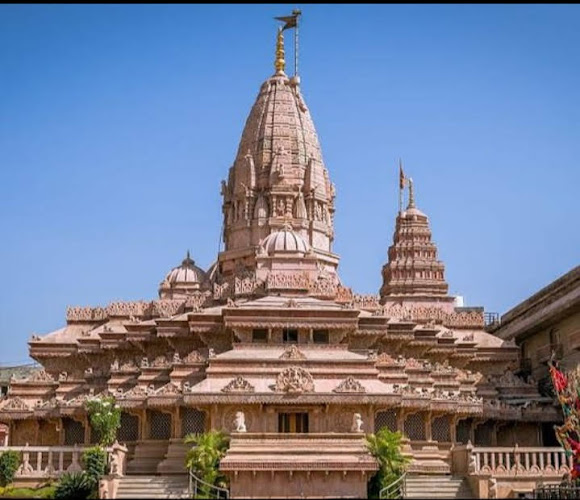
Shri Ambadevi Temple, Amravati

Muncipal Park
Badnera
Find Accommodations Nearby
Recommended Tours & Activities
Visitor Reviews
There are no reviews yet. Be the first one to write one.
Share Your Experience
Have you visited Padhey Garden? Help other travelers by leaving a review.