

FarmHouse Krushi Paryatan Kendra
About FarmHouse Krushi Paryatan Kendra
Description
FarmHouse Krushi Paryatan Kendra presents travelers with something genuinely different from the usual tourist circuit experience. This women-owned establishment manages to be several things at once - a working farm, an exhibition space, a proper restaurant, and an immersive agricultural tourism destination that actually delivers on its promises. Set within a forest environment, the property offers visitors a chance to step away from urban chaos and reconnect with traditional farming practices while enjoying hearty meals prepared from ingredients grown right on the premises. The concept here is straightforward yet increasingly rare in our modern world. You're not just eating at another restaurant that sources locally - you're dining at a place where you can literally walk through the farm that produced your lunch. The spacious dining areas don't try too hard with fancy decor or pretentious styling. Instead, the focus remains squarely on authentic experiences, from the farm household tours that show you how rural Maharashtra families have lived for generations to the farm shop where you can take home organic produce and artisanal goods. What makes this spot particularly appealing for travelers is how it manages to be both educational and relaxing. And honestly, that's harder to pull off than you'd think. Many agritourism destinations lean too heavily into the educational aspect and feel like school field trips, while others are so focused on leisure that they lose any authentic connection to actual farming. FarmHouse Krushi Paryatan Kendra finds a sweet middle ground. The forest setting adds an unexpected layer to the experience. You're not just visiting open farmlands but rather exploring an integrated ecosystem where agriculture and forest coexist. The air smells different here - equal parts earth and greenery - and the temperature drops noticeably compared to nearby urban areas. For travelers who've spent days in crowded city centers, the change feels almost medicinal.Key Features
The venue offers an impressive range of features that cater to diverse traveler needs: • Complete wheelchair accessibility including entrance, parking areas, and seating arrangements, though restrooms aren't yet fully accessible • All-you-can-eat dining options that showcase traditional specialties and organic vegetarian dishes prepared using time-tested recipes • Rooftop seating that provides forest canopy views - particularly stunning during sunset hours when golden light filters through the trees • Farm household tours that take visitors inside actual working farm operations and traditional rural homes • On-site farm shop selling organic produce, preserves, spices, and handcrafted items you won't find in regular stores • Private dining rooms available for groups wanting intimate experiences or celebrations • Fireplace seating during cooler months that creates an unexpectedly cozy atmosphere for evening meals • Changing tables and high chairs making it genuinely family-friendly rather than just claiming to be • Outdoor seating areas where dogs are welcome, which any pet-owning traveler knows is harder to find than it should be • Counter service and table service options depending on whether you're grabbing a quick bite or settling in for leisurely dining • Multiple meal times covered including brunch, lunch, and dinner with reservations recommended for all services • Digital payment options including Google Pay and NFC mobile payments for international travelers • Free parking both on-site and along nearby streets, solving one of the biggest headaches for visitors with rental vehicles • Takeout and no-contact delivery services for those wanting to enjoy farm-fresh meals back at their accommodationsBest Time to Visit
Timing your visit to FarmHouse Krushi Paryatan Kendra makes a substantial difference in your experience. The monsoon season from June through September transforms the landscape entirely. The forest becomes impossibly green, waterfalls appear seemingly from nowhere, and the farm operates at peak productivity with rice paddies reflecting cloudy skies. But be prepared - this season also means muddy paths, leeches on forest trails, and occasional disruptions to outdoor activities. Still, if you've only seen India during dry months, the monsoon offers a completely different perspective that's worth experiencing at least once. October through February represents the sweet spot for most travelers. Temperatures range from pleasantly warm during day to genuinely cool at night, making the fireplace seating actually desirable rather than decorative. The farm harvest season means fruits and vegetables are at their absolute freshest, and the kitchen can work with a broader ingredient palette. Morning fog rolling through the forest creates an almost magical atmosphere that photographers particularly appreciate. March through May brings significant heat, though the forest canopy provides considerable relief compared to exposed areas. This period sees fewer crowds, which means more personalized attention during farm tours and easier reservation availability. The farm focuses on summer crops during these months, and you'll find items like mangoes, cucumbers, and melons featured prominently in dishes. Weekdays generally provide calmer experiences than weekends when local families and groups arrive in larger numbers. And I get it - sometimes you want that lively energy, but sometimes you're traveling specifically to escape crowds. Wednesday and Thursday visits typically offer the best balance between full service availability and manageable visitor numbers. Holiday periods around Diwali, Christmas, and New Year see the property at its busiest. They often organize special events and traditional celebrations during these times, which can be culturally enriching but also means advance reservations become essential rather than just recommended.How to Get There
Getting to FarmHouse Krushi Paryatan Kendra requires some planning since you're heading into forested areas rather than major tourist zones. The closest major transportation hub depends on which direction you're approaching from, but most travelers route through regional centers before making the final journey. Self-driving offers the most flexibility and remains the preferred option for many visitors. The roads leading to the property vary in quality - main routes stay well-maintained year-round, but the final approach involves narrower roads that can become challenging during heavy rains. GPS navigation works reasonably well in the area, though cellular signals get spotty as you enter deeper forest zones. Download offline maps before leaving urban areas, trust me on this one. Private taxi services and ride-sharing apps operate in surrounding towns and can be hired for the journey. Negotiate round-trip rates beforehand since finding return transportation from this location can prove difficult if you haven't arranged it advance. Local taxi drivers know the area well and can provide valuable insights during the drive, plus they're accustomed to the road conditions. Public transportation reaches nearby villages but doesn't connect directly to the property. Budget travelers sometimes take buses or trains to the nearest town, then arrange taxi service for the remaining distance. This approach works but adds complexity and time to your journey. The final stretch involves traveling through actual forest areas where wildlife crossings happen regularly. Drive carefully during dawn and dusk hours when animal activity peaks. Peacocks, monkeys, and occasionally larger animals appear on roadways, so maintain reasonable speeds and stay alert. For international travelers without vehicle access, booking through tour operators that include transportation makes practical sense. Several regional tourism companies offer day trips or overnight packages that handle all logistics while providing guided experiences.Tips for Visiting
Make reservations for meal times even if you're visiting during supposed off-peak periods. The kitchen prepares many dishes fresh to order using ingredients harvested that morning, which means they need reasonable advance notice to plan properly. Walk-ins sometimes work, but you risk limited menu options or significant wait times. Wear appropriate footwear - and I mean actually appropriate, not those fashionable sandals you've been wearing everywhere else. The farm tours involve walking through working agricultural areas with uneven terrain, potential mud, and organic matter you'd rather not contemplate too deeply. Closed-toe shoes with good grip aren't optional accessories here, they're practical necessities. Bring cash as backup despite the digital payment options. Technology works great until it doesn't, and cellular connectivity here can be unpredictable. Having physical currency ensures you can complete purchases at the farm shop and settle bills without complications. Plan to spend more time than you initially think. Most visitors arrive intending to grab lunch and maybe stroll around briefly, then find themselves still there four hours later. The pace here encourages lingering rather than rushing, and fighting that rhythm means missing much of what makes the place special. Ask questions during farm tours. The staff genuinely enjoys sharing knowledge about agricultural practices, traditional farming methods, and the specific challenges of forest farming. Don't just follow along silently - engage with guides and you'll learn fascinating details that don't appear in any brochure. Try dishes you've never encountered before. The menu features traditional specialties that many travelers haven't experienced, and the chefs prepare them authentically rather than adjusting flavors for international palates. Yes, some dishes might surprise you, but isn't that partly why you're traveling? Check the exhibition spaces which often get overlooked by visitors focused solely on dining. These areas showcase farming equipment, traditional implements, and agricultural history that provides valuable context for understanding rural Maharashtra culture. Visit the farm shop before leaving. The organic produce, homemade preserves, and traditional products make excellent gifts or personal souvenirs that actually mean something beyond typical tourist merchandise. Just remember that fresh produce won't survive long international flights without proper packaging. Respect the working farm environment. This isn't a theme park with staged agricultural activities - it's a genuine working farm where real people produce real crops. Stay on designated paths, don't disturb animals or plantings, and follow staff guidance about where visitors can and cannot go. Consider staying for sunset if your schedule allows. The rooftop seating provides spectacular views as daylight fades and the forest transitions to evening. The temperature drops pleasantly, lights begin twinkling across dining areas, and the whole atmosphere shifts into something quite memorable.Key Features
- Working demonstration farm with seasonal crops
- Onsite restaurant serving farm-to-table regional cuisine
- Exhibition/educational displays about local agriculture
- Farm shop selling fresh produce and local products
- Women-led enterprise and community-focused programming
More Details
Updated March 30, 2026
Table of Contents
Description
FarmHouse Krushi Paryatan Kendra presents travelers with something genuinely different from the usual tourist circuit experience. This women-owned establishment manages to be several things at once – a working farm, an exhibition space, a proper restaurant, and an immersive agricultural tourism destination that actually delivers on its promises. Set within a forest environment, the property offers visitors a chance to step away from urban chaos and reconnect with traditional farming practices while enjoying hearty meals prepared from ingredients grown right on the premises.
The concept here is straightforward yet increasingly rare in our modern world. You’re not just eating at another restaurant that sources locally – you’re dining at a place where you can literally walk through the farm that produced your lunch. The spacious dining areas don’t try too hard with fancy decor or pretentious styling. Instead, the focus remains squarely on authentic experiences, from the farm household tours that show you how rural Maharashtra families have lived for generations to the farm shop where you can take home organic produce and artisanal goods.
What makes this spot particularly appealing for travelers is how it manages to be both educational and relaxing. And honestly, that’s harder to pull off than you’d think. Many agritourism destinations lean too heavily into the educational aspect and feel like school field trips, while others are so focused on leisure that they lose any authentic connection to actual farming. FarmHouse Krushi Paryatan Kendra finds a sweet middle ground.
The forest setting adds an unexpected layer to the experience. You’re not just visiting open farmlands but rather exploring an integrated ecosystem where agriculture and forest coexist. The air smells different here – equal parts earth and greenery – and the temperature drops noticeably compared to nearby urban areas. For travelers who’ve spent days in crowded city centers, the change feels almost medicinal.
Key Features
The venue offers an impressive range of features that cater to diverse traveler needs:
• Complete wheelchair accessibility including entrance, parking areas, and seating arrangements, though restrooms aren’t yet fully accessible
• All-you-can-eat dining options that showcase traditional specialties and organic vegetarian dishes prepared using time-tested recipes
• Rooftop seating that provides forest canopy views – particularly stunning during sunset hours when golden light filters through the trees
• Farm household tours that take visitors inside actual working farm operations and traditional rural homes
• On-site farm shop selling organic produce, preserves, spices, and handcrafted items you won’t find in regular stores
• Private dining rooms available for groups wanting intimate experiences or celebrations
• Fireplace seating during cooler months that creates an unexpectedly cozy atmosphere for evening meals
• Changing tables and high chairs making it genuinely family-friendly rather than just claiming to be
• Outdoor seating areas where dogs are welcome, which any pet-owning traveler knows is harder to find than it should be
• Counter service and table service options depending on whether you’re grabbing a quick bite or settling in for leisurely dining
• Multiple meal times covered including brunch, lunch, and dinner with reservations recommended for all services
• Digital payment options including Google Pay and NFC mobile payments for international travelers
• Free parking both on-site and along nearby streets, solving one of the biggest headaches for visitors with rental vehicles
• Takeout and no-contact delivery services for those wanting to enjoy farm-fresh meals back at their accommodations
Best Time to Visit
Timing your visit to FarmHouse Krushi Paryatan Kendra makes a substantial difference in your experience. The monsoon season from June through September transforms the landscape entirely. The forest becomes impossibly green, waterfalls appear seemingly from nowhere, and the farm operates at peak productivity with rice paddies reflecting cloudy skies. But be prepared – this season also means muddy paths, leeches on forest trails, and occasional disruptions to outdoor activities. Still, if you’ve only seen India during dry months, the monsoon offers a completely different perspective that’s worth experiencing at least once.
October through February represents the sweet spot for most travelers. Temperatures range from pleasantly warm during day to genuinely cool at night, making the fireplace seating actually desirable rather than decorative. The farm harvest season means fruits and vegetables are at their absolute freshest, and the kitchen can work with a broader ingredient palette. Morning fog rolling through the forest creates an almost magical atmosphere that photographers particularly appreciate.
March through May brings significant heat, though the forest canopy provides considerable relief compared to exposed areas. This period sees fewer crowds, which means more personalized attention during farm tours and easier reservation availability. The farm focuses on summer crops during these months, and you’ll find items like mangoes, cucumbers, and melons featured prominently in dishes.
Weekdays generally provide calmer experiences than weekends when local families and groups arrive in larger numbers. And I get it – sometimes you want that lively energy, but sometimes you’re traveling specifically to escape crowds. Wednesday and Thursday visits typically offer the best balance between full service availability and manageable visitor numbers.
Holiday periods around Diwali, Christmas, and New Year see the property at its busiest. They often organize special events and traditional celebrations during these times, which can be culturally enriching but also means advance reservations become essential rather than just recommended.
How to Get There
Getting to FarmHouse Krushi Paryatan Kendra requires some planning since you’re heading into forested areas rather than major tourist zones. The closest major transportation hub depends on which direction you’re approaching from, but most travelers route through regional centers before making the final journey.
Self-driving offers the most flexibility and remains the preferred option for many visitors. The roads leading to the property vary in quality – main routes stay well-maintained year-round, but the final approach involves narrower roads that can become challenging during heavy rains. GPS navigation works reasonably well in the area, though cellular signals get spotty as you enter deeper forest zones. Download offline maps before leaving urban areas, trust me on this one.
Private taxi services and ride-sharing apps operate in surrounding towns and can be hired for the journey. Negotiate round-trip rates beforehand since finding return transportation from this location can prove difficult if you haven’t arranged it advance. Local taxi drivers know the area well and can provide valuable insights during the drive, plus they’re accustomed to the road conditions.
Public transportation reaches nearby villages but doesn’t connect directly to the property. Budget travelers sometimes take buses or trains to the nearest town, then arrange taxi service for the remaining distance. This approach works but adds complexity and time to your journey.
The final stretch involves traveling through actual forest areas where wildlife crossings happen regularly. Drive carefully during dawn and dusk hours when animal activity peaks. Peacocks, monkeys, and occasionally larger animals appear on roadways, so maintain reasonable speeds and stay alert.
For international travelers without vehicle access, booking through tour operators that include transportation makes practical sense. Several regional tourism companies offer day trips or overnight packages that handle all logistics while providing guided experiences.
Tips for Visiting
Make reservations for meal times even if you’re visiting during supposed off-peak periods. The kitchen prepares many dishes fresh to order using ingredients harvested that morning, which means they need reasonable advance notice to plan properly. Walk-ins sometimes work, but you risk limited menu options or significant wait times.
Wear appropriate footwear – and I mean actually appropriate, not those fashionable sandals you’ve been wearing everywhere else. The farm tours involve walking through working agricultural areas with uneven terrain, potential mud, and organic matter you’d rather not contemplate too deeply. Closed-toe shoes with good grip aren’t optional accessories here, they’re practical necessities.
Bring cash as backup despite the digital payment options. Technology works great until it doesn’t, and cellular connectivity here can be unpredictable. Having physical currency ensures you can complete purchases at the farm shop and settle bills without complications.
Plan to spend more time than you initially think. Most visitors arrive intending to grab lunch and maybe stroll around briefly, then find themselves still there four hours later. The pace here encourages lingering rather than rushing, and fighting that rhythm means missing much of what makes the place special.
Ask questions during farm tours. The staff genuinely enjoys sharing knowledge about agricultural practices, traditional farming methods, and the specific challenges of forest farming. Don’t just follow along silently – engage with guides and you’ll learn fascinating details that don’t appear in any brochure.
Try dishes you’ve never encountered before. The menu features traditional specialties that many travelers haven’t experienced, and the chefs prepare them authentically rather than adjusting flavors for international palates. Yes, some dishes might surprise you, but isn’t that partly why you’re traveling?
Check the exhibition spaces which often get overlooked by visitors focused solely on dining. These areas showcase farming equipment, traditional implements, and agricultural history that provides valuable context for understanding rural Maharashtra culture.
Visit the farm shop before leaving. The organic produce, homemade preserves, and traditional products make excellent gifts or personal souvenirs that actually mean something beyond typical tourist merchandise. Just remember that fresh produce won’t survive long international flights without proper packaging.
Respect the working farm environment. This isn’t a theme park with staged agricultural activities – it’s a genuine working farm where real people produce real crops. Stay on designated paths, don’t disturb animals or plantings, and follow staff guidance about where visitors can and cannot go.
Consider staying for sunset if your schedule allows. The rooftop seating provides spectacular views as daylight fades and the forest transitions to evening. The temperature drops pleasantly, lights begin twinkling across dining areas, and the whole atmosphere shifts into something quite memorable.
Key Highlights
- Working demonstration farm with seasonal crops
- Onsite restaurant serving farm-to-table regional cuisine
- Exhibition/educational displays about local agriculture
- Farm shop selling fresh produce and local products
- Women-led enterprise and community-focused programming
Location
Places to Stay Near FarmHouse Krushi Paryatan Kendra
Find and Book a Tour
Explore More Travel Guides
No reviews found! Be the first to review!
FarmHouse Krushi Paryatan Kendra is a prominent restaurants located in Amravati.
Visit us at: FarmHouse Krushi Paryatan Kendra, VMV, Amravati Walgaon Rd, near Rajani Mangal Karyalay, Amravati, Maharashtra 444604, India.
Traveler Reviews for FarmHouse Krushi Paryatan Kendra
There are no reviews yet. Be the first one to write one.
Have you visited FarmHouse Krushi Paryatan Kendra? Help other travelers by sharing your review.
Nearby Attractions
You Might Also Like
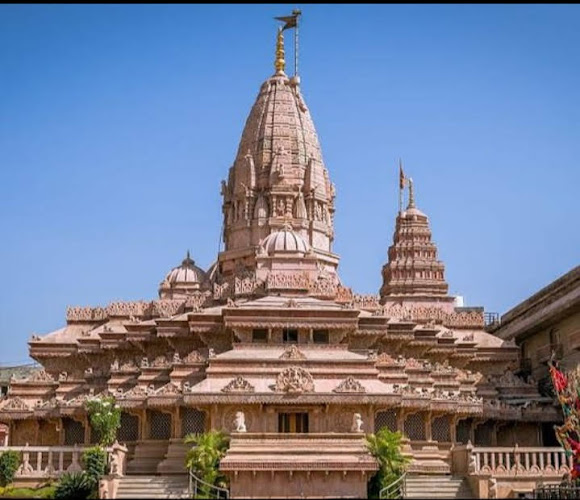
Shri Ambadevi Temple, Amravati
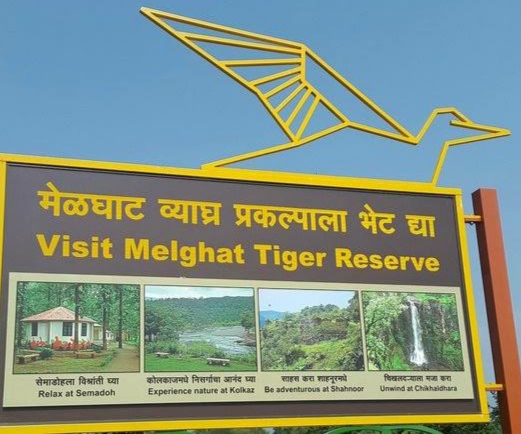
Melghat Tiger Reserve
Badnera
Find Accommodations Nearby
Recommended Tours & Activities
Visitor Reviews
There are no reviews yet. Be the first one to write one.
Share Your Experience
Have you visited FarmHouse Krushi Paryatan Kendra? Help other travelers by leaving a review.