
ISKCON – Amravati
About ISKCON – Amravati
Description
ISKCON Amravati stands as a spiritual sanctuary dedicated to Lord Krishna in the heart of Maharashtra's cultural landscape. The temple complex represents more than just a place of worship – it's become a significant destination for travelers seeking spiritual enrichment, architectural beauty, and a deeper understanding of Vedic culture. When you step through the entrance, there's this immediate shift in atmosphere that's hard to describe unless you've experienced it yourself. The air feels different, quieter somehow, even when there are hundreds of devotees and visitors moving through the courtyards. I remember my first visit to an ISKCON temple years ago, and what struck me most was how welcoming they were to everyone, regardless of background or belief system. That same spirit permeates the Amravati temple. The priests and volunteers here genuinely want you to understand Krishna consciousness, not in a pushy way, but through gentle guidance and that infectious enthusiasm they have for sharing their faith. You'll find both local devotees who've been coming here for years and curious travelers from across the globe, all coexisting in this peaceful space. The temple follows the International Society for Krishna Consciousness traditions established by A.C. Bhaktivedanta Swami Prabhupada, which means you'll encounter the same philosophical foundations and practices found in ISKCON centers worldwide. But there's something distinctly Maharashtrian about this particular temple too – maybe it's the local devotees' approach, or the way regional festivals get celebrated alongside the traditional Krishna janmashtami and other major observances. What makes ISKCON Amravati particularly appealing for travelers is its dual nature. It functions as an active place of worship where serious spiritual seekers can dive deep into meditation, kirtan, and scriptural study. At the same time, it welcomes tourists who simply want to admire the architecture, learn something new, or find a moment of peace in their busy travel schedules. And honestly, that balance isn't always easy to achieve, but they manage it well here.Key Features
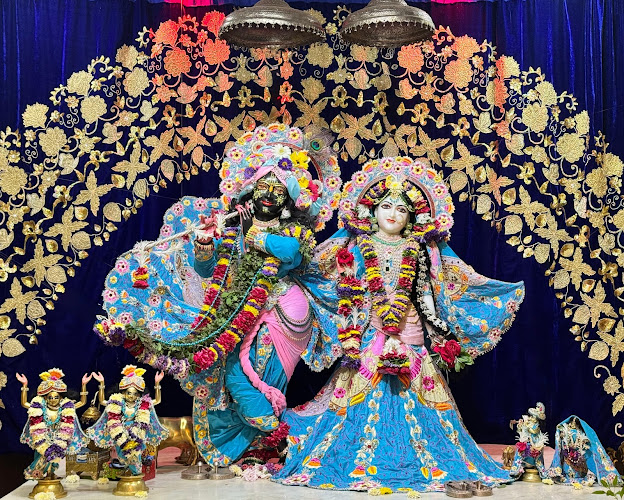
The temple complex offers several distinctive elements that set it apart from other religious sites in the region: • Beautifully adorned deities of Radha Krishna that serve as the central focus of worship, with intricate decorations that change according to seasons and festivals • Daily aarti ceremonies that create an immersive sensory experience through traditional music, incense, and ceremonial lamp offerings • Prasadam distribution where visitors can taste sanctified vegetarian food prepared according to ancient Vedic recipes and offered to the deities first • Comprehensive accessibility features including wheelchair-accessible entrances, parking facilities, and restrooms – something I've noticed many historic temples struggle with • A well-stocked bookstore featuring spiritual literature, including the Bhagavad Gita As It Is and other philosophical texts in multiple languages • Educational programs and lectures on Vedic philosophy, yoga, and meditation practices open to both beginners and advanced practitioners • Clean, maintained restroom facilities which trust me, as a traveler you'll appreciate more than you might think • Spacious temple hall allowing for community gatherings, kirtan sessions, and festival celebrations without feeling cramped • Peaceful garden areas where you can sit quietly, reflect, or simply escape the heat during afternoon hours • Gift shop offering traditional items like incense, prayer beads, deity pictures, and authentic Indian handicraftsBest Time to Visit
Timing your visit to ISKCON Amravati can significantly impact your experience, and there's multiple factors worth considering here. The temple remains open throughout the year, but certain periods offer unique advantages depending on what you're hoping to get from your visit. Festival times are absolutely magical if you want to see the temple at its most energetic and decorated. Krishna Janmashtami, celebrating Lord Krishna's birth, typically falls in August or September and transforms the entire complex into a celebration that lasts well into the night. Thousands of devotees gather, the deity decorations reach their peak splendor, and the kirtan goes on for hours. But be prepared for crowds – like, serious crowds. If you're someone who gets overwhelmed easily, this might not be your ideal timing. Radha Ashtami, celebrating Radha's appearance day, and Gaura Purnima, marking the birth of Chaitanya Mahaprabhu, are other significant festivals that draw large gatherings. These events give you genuine insight into ISKCON's devotional practices and community spirit that you just won't experience during regular days. For a more contemplative visit where you can actually hear yourself think and have meaningful conversations with temple residents, weekday mornings are ideal. The early morning aarti around sunrise holds a special quality – fewer tourists, serious practitioners in attendance, and this serene atmosphere that's perfect for meditation or quiet observation. Weather-wise, October through February offers the most comfortable conditions for exploring Amravati and the temple grounds. Summer months from March to June get brutally hot in this part of Maharashtra, with temperatures often crossing 40 degrees Celsius. The monsoon season from July to September brings relief from heat but can make travel logistics more complicated with heavy rains. If you're planning to attend the evening aarti, arriving around sunset provides a beautiful transition from daylight to the lamp-lit ceremony. The temperature cools down, and there's usually a decent gathering without being overwhelming.How to Get There
Getting to ISKCON Amravati requires a bit of planning, but the journey itself can be part of your Maharashtra travel experience. Amravati serves as a divisional headquarters and is reasonably well-connected to major cities in the region. By air, your nearest major airport is Dr. Babasaheb Ambedkar International Airport in Nagpur, located approximately 155 kilometers from Amravati. Several domestic airlines operate regular flights connecting Nagpur with Delhi, Mumbai, Bangalore, and other metropolitan areas. From Nagpur airport, you'll need to arrange ground transportation – either a pre-booked taxi, app-based cab service, or bus to Amravati. The drive takes around three to four hours depending on traffic and road conditions. Rail connectivity to Amravati has improved considerably over recent years. Amravati Railway Station connects to major cities including Mumbai, Nagpur, Pune, and Hyderabad through various express and passenger trains. Once you arrive at the station, the ISKCON temple is accessible via auto-rickshaw, taxi, or local bus services. Make sure to confirm the fare beforehand with auto-rickshaw drivers to avoid any misunderstandings – it's just practical advice for traveling anywhere in India really. Road travel offers flexibility if you're already exploring Maharashtra. State transport buses operated by MSRTC connect Amravati with surrounding cities and towns with varying levels of comfort from ordinary to luxury coaches. Private bus operators also serve major routes. If you're driving yourself, the roads leading to Amravati are generally in decent condition, though as with anywhere in India, defensive driving skills come in handy. Within Amravati city, local transportation includes auto-rickshaws, cycle-rickshaws, and increasingly, app-based cab services. The temple's wheelchair-accessible parking lot makes it convenient for those traveling by private vehicle.Tips for Visiting
Drawing from both common visitor experiences and practical realities of temple visits in India, here are some insights that'll help make your visit smoother and more meaningful. Dress modestly – this isn't just about following rules, it's about showing respect and honestly, you'll feel more comfortable. Shoulders and knees should be covered at minimum. Women might want to bring a scarf or shawl, which can serve multiple purposes from covering your head if desired to providing extra modesty. Some travelers worry excessively about this, but really, just avoid beachwear and you'll be fine. Remove your shoes before entering the temple premises, and I'd suggest bringing socks because the marble floors can get scorching hot during summer afternoons. The temple provides shoe storage facilities, but keeping your footwear in sight or using the paid counters gives additional peace of mind. Photography policies vary and might have restrictions in certain areas, especially near the main deities. Always ask permission before photographing, and definitely avoid using flash during aarti ceremonies or when devotees are in prayer. It's just considerate, you know? Arrive with an empty stomach if you want to fully enjoy the prasadam experience. The sanctified food served here follows strict vegetarian preparation methods and offers an authentic taste of Krishna consciousness cuisine. And listen, even if you're not particularly spiritual, the food alone is worth experiencing – there's something special about meals prepared with that level of devotion and care. Participate in the kirtan if you feel moved to do so. Don't worry about knowing the words or getting the pronunciation perfect – the devotional singing welcomes everyone, and honestly, some of the most devoted practitioners I've met started out just clapping along awkwardly to the rhythm. The repetitive nature of the chants makes them easy to pick up after a few rounds. Plan to spend at least two to three hours if you want more than just a quick darshan. There's the main temple hall to explore, often ongoing classes or lectures you can sit in on, the bookstore to browse, garden areas to relax in, and if timing works out, the aarti ceremonies to attend. Rushing through defeats the purpose. Stay hydrated, especially during warmer months. The temple usually has water facilities, but carrying your own bottle ensures you're not searching desperately when thirst strikes. Interact with the devotees and volunteers if you're curious about the philosophy or practices. In my experience, they're generally happy to answer questions and share their perspectives. Some might be more chatty than others, but you'll usually find someone willing to explain aspects of Krishna consciousness or Vedic traditions. Be mindful during prayer times and ceremonies. Stepping aside to let devotees have direct access to the deities, keeping conversation volumes low, and just being aware of the sacred space around you goes a long way. You're a guest in their spiritual home essentially. Small denominations of cash come in handy for donations, purchasing prasadam, or buying items from the bookstore and gift shop. While some ISKCON temples have adapted to digital payments, having physical currency as backup saves potential hassle. If you're traveling with children, prepare them beforehand about temple etiquette and what to expect. The ceremonies can be long for young attention spans, but many kids find the music, decorations, and overall atmosphere fascinating. Plus the prasadam usually wins them over completely. Consider visiting on a Sunday when many ISKCON temples worldwide hold special programs designed to be more accessible to working people and families. The Sunday feast programs often include extended kirtan, lectures in local languages, and elaborate prasadam meals. Don't feel obligated to participate in everything or stay for entire ceremonies if it doesn't resonate with you. Spiritual tourism should enhance your journey, not feel like an endurance test. It's perfectly acceptable to observe quietly, take what speaks to you, and move on when you're ready.Key Features
- Deities of Shri Shri Rukmini Dwarkadhish installed in 2000
- Vibrant bhajan and kirtan sessions throughout the day
- Large temple hall with photographic panels depicting Krishna’s pastimes
- Guest accommodation available for devotees and visitors
- Close cultural and pilgrimage link to Kuandanyapur Dham (birthplace of Rukmini)
More Details
Updated March 30, 2026
Table of Contents
Description
ISKCON Amravati stands as a spiritual sanctuary dedicated to Lord Krishna in the heart of Maharashtra’s cultural landscape. The temple complex represents more than just a place of worship – it’s become a significant destination for travelers seeking spiritual enrichment, architectural beauty, and a deeper understanding of Vedic culture. When you step through the entrance, there’s this immediate shift in atmosphere that’s hard to describe unless you’ve experienced it yourself. The air feels different, quieter somehow, even when there are hundreds of devotees and visitors moving through the courtyards.
I remember my first visit to an ISKCON temple years ago, and what struck me most was how welcoming they were to everyone, regardless of background or belief system. That same spirit permeates the Amravati temple. The priests and volunteers here genuinely want you to understand Krishna consciousness, not in a pushy way, but through gentle guidance and that infectious enthusiasm they have for sharing their faith. You’ll find both local devotees who’ve been coming here for years and curious travelers from across the globe, all coexisting in this peaceful space.
The temple follows the International Society for Krishna Consciousness traditions established by A.C. Bhaktivedanta Swami Prabhupada, which means you’ll encounter the same philosophical foundations and practices found in ISKCON centers worldwide. But there’s something distinctly Maharashtrian about this particular temple too – maybe it’s the local devotees’ approach, or the way regional festivals get celebrated alongside the traditional Krishna janmashtami and other major observances.
What makes ISKCON Amravati particularly appealing for travelers is its dual nature. It functions as an active place of worship where serious spiritual seekers can dive deep into meditation, kirtan, and scriptural study. At the same time, it welcomes tourists who simply want to admire the architecture, learn something new, or find a moment of peace in their busy travel schedules. And honestly, that balance isn’t always easy to achieve, but they manage it well here.
Key Features
The temple complex offers several distinctive elements that set it apart from other religious sites in the region:
• Beautifully adorned deities of Radha Krishna that serve as the central focus of worship, with intricate decorations that change according to seasons and festivals
• Daily aarti ceremonies that create an immersive sensory experience through traditional music, incense, and ceremonial lamp offerings
• Prasadam distribution where visitors can taste sanctified vegetarian food prepared according to ancient Vedic recipes and offered to the deities first
• Comprehensive accessibility features including wheelchair-accessible entrances, parking facilities, and restrooms – something I’ve noticed many historic temples struggle with
• A well-stocked bookstore featuring spiritual literature, including the Bhagavad Gita As It Is and other philosophical texts in multiple languages
• Educational programs and lectures on Vedic philosophy, yoga, and meditation practices open to both beginners and advanced practitioners
• Clean, maintained restroom facilities which trust me, as a traveler you’ll appreciate more than you might think
• Spacious temple hall allowing for community gatherings, kirtan sessions, and festival celebrations without feeling cramped
• Peaceful garden areas where you can sit quietly, reflect, or simply escape the heat during afternoon hours
• Gift shop offering traditional items like incense, prayer beads, deity pictures, and authentic Indian handicrafts
Best Time to Visit
Timing your visit to ISKCON Amravati can significantly impact your experience, and there’s multiple factors worth considering here. The temple remains open throughout the year, but certain periods offer unique advantages depending on what you’re hoping to get from your visit.
Festival times are absolutely magical if you want to see the temple at its most energetic and decorated. Krishna Janmashtami, celebrating Lord Krishna’s birth, typically falls in August or September and transforms the entire complex into a celebration that lasts well into the night. Thousands of devotees gather, the deity decorations reach their peak splendor, and the kirtan goes on for hours. But be prepared for crowds – like, serious crowds. If you’re someone who gets overwhelmed easily, this might not be your ideal timing.
Radha Ashtami, celebrating Radha’s appearance day, and Gaura Purnima, marking the birth of Chaitanya Mahaprabhu, are other significant festivals that draw large gatherings. These events give you genuine insight into ISKCON’s devotional practices and community spirit that you just won’t experience during regular days.
For a more contemplative visit where you can actually hear yourself think and have meaningful conversations with temple residents, weekday mornings are ideal. The early morning aarti around sunrise holds a special quality – fewer tourists, serious practitioners in attendance, and this serene atmosphere that’s perfect for meditation or quiet observation.
Weather-wise, October through February offers the most comfortable conditions for exploring Amravati and the temple grounds. Summer months from March to June get brutally hot in this part of Maharashtra, with temperatures often crossing 40 degrees Celsius. The monsoon season from July to September brings relief from heat but can make travel logistics more complicated with heavy rains.
If you’re planning to attend the evening aarti, arriving around sunset provides a beautiful transition from daylight to the lamp-lit ceremony. The temperature cools down, and there’s usually a decent gathering without being overwhelming.
How to Get There
Getting to ISKCON Amravati requires a bit of planning, but the journey itself can be part of your Maharashtra travel experience. Amravati serves as a divisional headquarters and is reasonably well-connected to major cities in the region.
By air, your nearest major airport is Dr. Babasaheb Ambedkar International Airport in Nagpur, located approximately 155 kilometers from Amravati. Several domestic airlines operate regular flights connecting Nagpur with Delhi, Mumbai, Bangalore, and other metropolitan areas. From Nagpur airport, you’ll need to arrange ground transportation – either a pre-booked taxi, app-based cab service, or bus to Amravati. The drive takes around three to four hours depending on traffic and road conditions.
Rail connectivity to Amravati has improved considerably over recent years. Amravati Railway Station connects to major cities including Mumbai, Nagpur, Pune, and Hyderabad through various express and passenger trains. Once you arrive at the station, the ISKCON temple is accessible via auto-rickshaw, taxi, or local bus services. Make sure to confirm the fare beforehand with auto-rickshaw drivers to avoid any misunderstandings – it’s just practical advice for traveling anywhere in India really.
Road travel offers flexibility if you’re already exploring Maharashtra. State transport buses operated by MSRTC connect Amravati with surrounding cities and towns with varying levels of comfort from ordinary to luxury coaches. Private bus operators also serve major routes. If you’re driving yourself, the roads leading to Amravati are generally in decent condition, though as with anywhere in India, defensive driving skills come in handy.
Within Amravati city, local transportation includes auto-rickshaws, cycle-rickshaws, and increasingly, app-based cab services. The temple’s wheelchair-accessible parking lot makes it convenient for those traveling by private vehicle.
Tips for Visiting
Drawing from both common visitor experiences and practical realities of temple visits in India, here are some insights that’ll help make your visit smoother and more meaningful.
Dress modestly – this isn’t just about following rules, it’s about showing respect and honestly, you’ll feel more comfortable. Shoulders and knees should be covered at minimum. Women might want to bring a scarf or shawl, which can serve multiple purposes from covering your head if desired to providing extra modesty. Some travelers worry excessively about this, but really, just avoid beachwear and you’ll be fine.
Remove your shoes before entering the temple premises, and I’d suggest bringing socks because the marble floors can get scorching hot during summer afternoons. The temple provides shoe storage facilities, but keeping your footwear in sight or using the paid counters gives additional peace of mind.
Photography policies vary and might have restrictions in certain areas, especially near the main deities. Always ask permission before photographing, and definitely avoid using flash during aarti ceremonies or when devotees are in prayer. It’s just considerate, you know?
Arrive with an empty stomach if you want to fully enjoy the prasadam experience. The sanctified food served here follows strict vegetarian preparation methods and offers an authentic taste of Krishna consciousness cuisine. And listen, even if you’re not particularly spiritual, the food alone is worth experiencing – there’s something special about meals prepared with that level of devotion and care.
Participate in the kirtan if you feel moved to do so. Don’t worry about knowing the words or getting the pronunciation perfect – the devotional singing welcomes everyone, and honestly, some of the most devoted practitioners I’ve met started out just clapping along awkwardly to the rhythm. The repetitive nature of the chants makes them easy to pick up after a few rounds.
Plan to spend at least two to three hours if you want more than just a quick darshan. There’s the main temple hall to explore, often ongoing classes or lectures you can sit in on, the bookstore to browse, garden areas to relax in, and if timing works out, the aarti ceremonies to attend. Rushing through defeats the purpose.
Stay hydrated, especially during warmer months. The temple usually has water facilities, but carrying your own bottle ensures you’re not searching desperately when thirst strikes.
Interact with the devotees and volunteers if you’re curious about the philosophy or practices. In my experience, they’re generally happy to answer questions and share their perspectives. Some might be more chatty than others, but you’ll usually find someone willing to explain aspects of Krishna consciousness or Vedic traditions.
Be mindful during prayer times and ceremonies. Stepping aside to let devotees have direct access to the deities, keeping conversation volumes low, and just being aware of the sacred space around you goes a long way. You’re a guest in their spiritual home essentially.
Small denominations of cash come in handy for donations, purchasing prasadam, or buying items from the bookstore and gift shop. While some ISKCON temples have adapted to digital payments, having physical currency as backup saves potential hassle.
If you’re traveling with children, prepare them beforehand about temple etiquette and what to expect. The ceremonies can be long for young attention spans, but many kids find the music, decorations, and overall atmosphere fascinating. Plus the prasadam usually wins them over completely.
Consider visiting on a Sunday when many ISKCON temples worldwide hold special programs designed to be more accessible to working people and families. The Sunday feast programs often include extended kirtan, lectures in local languages, and elaborate prasadam meals.
Don’t feel obligated to participate in everything or stay for entire ceremonies if it doesn’t resonate with you. Spiritual tourism should enhance your journey, not feel like an endurance test. It’s perfectly acceptable to observe quietly, take what speaks to you, and move on when you’re ready.
Key Highlights
- Deities of Shri Shri Rukmini Dwarkadhish installed in 2000
- Vibrant bhajan and kirtan sessions throughout the day
- Large temple hall with photographic panels depicting Krishna’s pastimes
- Guest accommodation available for devotees and visitors
- Close cultural and pilgrimage link to Kuandanyapur Dham (birthplace of Rukmini)
Location
Places to Stay Near ISKCON - Amravati
Find and Book a Tour
Explore More Travel Guides
No reviews found! Be the first to review!
ISKCON – Amravati is a prominent attractions located in Amravati.
Visit us at: XQ38+2QQ, Sri Sri Rukmini Dwarkadhish Mandir, Sarswati Colony, Rathi Nagar, VMV Road, Amravati, Maharashtra 444603, India.
Traveler Reviews for ISKCON – Amravati
There are no reviews yet. Be the first one to write one.
Have you visited ISKCON – Amravati? Help other travelers by sharing your review.
Nearby Attractions
You Might Also Like

Amravati

Muncipal Park

FarmHouse Krushi Paryatan Kendra
Find Accommodations Nearby
Recommended Tours & Activities
Visitor Reviews
There are no reviews yet. Be the first one to write one.
Share Your Experience
Have you visited ISKCON – Amravati? Help other travelers by leaving a review.