

Cactus Garden
About Cactus Garden
Description
The Cactus Garden offers travelers a unique camping experience surrounded by one of nature's most resilient and fascinating plant families. This campground serves as both a peaceful retreat and an educational opportunity for those wanting to immerse themselves in desert landscapes without venturing too far from essential amenities. The setting provides an interesting contrast to traditional forest or lakeside camping spots that most people are used to, and honestly, there's something quite meditative about being surrounded by these ancient, spiky survivors. What makes this place particularly special is how it manages to balance rustic outdoor living with practical conveniences that families and first-time campers really appreciate. You won't feel like you're completely roughing it out here, which depending on your camping philosophy might be either a blessing or a mild disappointment. But for those traveling with kids or elderly family members, the accessibility features make it possible for everyone to enjoy the desert environment together. The campground attracts a diverse crowd - from botany enthusiasts who spend hours photographing different cactus species to families looking for a weekend getaway that's different from the usual campground routine. And let me tell you, there's something genuinely humbling about sleeping under the stars in an environment where these plants have been thriving for thousands of years, adapting and surviving in conditions that would challenge most living things. The general atmosphere leans toward quiet contemplation rather than party-style camping. Most visitors come here specifically for the unique landscape and the chance to disconnect from daily life while still maintaining some comfort level. It's the kind of place where you'll hear more birdsong than boomboxes, which depending on your camping style, could be exactly what you're after.Key Features
The campground provides several amenities and characteristics that distinguish it from typical desert camping experiences:- Wheelchair Accessible Entrance: The facility takes accessibility seriously, with pathways and entrances designed to accommodate visitors with mobility challenges, making desert camping possible for everyone regardless of physical limitations
- Dedicated Picnic Areas: Multiple picnic tables are scattered throughout the grounds, offering shaded spots perfect for meals or just sitting and observing the unique plant life surrounding you
- Public Restroom Facilities: Clean, maintained restrooms mean you won't need to pack a portable toilet or venture into the wild for basic necessities, which honestly makes the experience much more pleasant for longer stays
- Family-Friendly Environment: The campground caters well to children, with safe areas for exploration and educational opportunities about desert ecosystems that can turn a simple camping trip into a learning adventure
- Desert Flora Display: The natural cactus collections create a living museum atmosphere where visitors can observe numerous species in their preferred growing conditions
- Educational Opportunities: Beyond just camping, the environment provides hands-on learning about desert adaptation, water conservation in plants, and ecosystem survival strategies
- Photography Paradise: The unique landscape offers countless opportunities for capturing stunning images, particularly during golden hour when the light plays off the cactus spines
- Stargazing Potential: Desert locations typically offer exceptional night sky viewing with minimal light pollution, making evening hours particularly memorable
Best Time to Visit
Timing your visit to the Cactus Garden really matters because desert climates can swing from absolutely delightful to borderline unbearable depending on the season. I've learned through various camping adventures that understanding these patterns makes the difference between a memorable trip and one you'll want to forget. The optimal window for visiting falls between late October and early April. During these cooler months, daytime temperatures hover in the comfortable range - typically between 60 and 75 degrees Fahrenheit - making hiking, exploring, and just sitting outside genuinely enjoyable. Nighttime temperatures can drop significantly, sometimes into the 40s or even 30s, so pack accordingly with proper sleeping bags and layers. Spring months, particularly March and early April, bring an added bonus if you time it right. Some cacti bloom during this period, transforming the landscape with unexpected bursts of color. The flowers are often vibrant yellows, pinks, and reds that seem almost impossible coming from such tough, thorny plants. But spring also attracts more visitors, so expect the campground to be busier during these peak bloom weeks. Summer visits from June through September require serious consideration. Desert heat isn't something to take lightly - temperatures regularly exceed 95 degrees and can push past 110 in peak summer. Unless you're particularly heat-tolerant and take proper precautions, summer camping here might test your limits more than you'd like. Some people do visit during this time specifically because it's less crowded, but you'll need to plan activities for early morning and evening hours, spending midday in whatever shade you can find. Fall, especially November, provides another sweet spot. The intense summer heat has broken, visitor numbers drop after school starts, and you'll often have more space to yourself. There's something peaceful about camping when you're not competing for spots or dealing with crowds. Weather patterns can be unpredictable though. Desert storms, while rare, can roll in suddenly with surprising intensity. Always check forecasts before your trip and have contingency plans.How to Get There
Reaching the Cactus Garden requires some planning since campgrounds in desert environments aren't usually accessible by public transportation. Most visitors arrive by personal vehicle, which is really the most practical option for bringing camping gear anyway. The roads leading to the campground are generally well-maintained and suitable for regular passenger vehicles - you won't necessarily need a four-wheel drive or high-clearance vehicle, though having one never hurts in desert areas. Always ensure your vehicle is in good working condition before heading out. And I can't stress this enough: make sure you've got a full tank of gas before leaving the last major town. Desert areas don't have gas stations conveniently located every few miles like urban areas do. GPS and smartphone navigation usually work fine for finding the general area, but cell service can become spotty or nonexistent once you're actually at the campground. Download offline maps before you leave civilization. Seriously, do this step. I've heard too many stories of people getting turned around because they assumed they'd have signal everywhere. For those traveling from out of state, the nearest major airport is typically your starting point. From there, renting a vehicle becomes necessary. Budget at least a couple hours drive time from any major city, potentially more depending on traffic and exactly where you're starting from. The journey itself can be quite scenic as you transition from urban areas into increasingly desert landscapes. If you're towing a trailer or RV, call ahead to confirm the campground can accommodate your setup size. Not all sites handle larger rigs well, and you definitely don't want to arrive and discover your camper won't fit. Road conditions matter particularly if you're visiting during or after rare rain events. Desert soil doesn't absorb water well, leading to flooding and washouts that can make roads temporarily impassable. Check local conditions before departing, especially during monsoon season in certain desert regions.Tips for Visiting
Successfully camping at the Cactus Garden requires preparation beyond what you might pack for a forest campground. Desert environments present unique challenges and opportunities that you'll want to address before arrival. Water management tops the list of priorities. Bring significantly more drinking water than you think you'll need - a good rule is at least one gallon per person per day, and honestly, pack extra beyond that. Dehydration happens faster in desert climates than most people realize, even during cooler months. The dry air pulls moisture from your body constantly, and you'll need to replenish it regularly. Sun protection goes beyond just slapping on some sunscreen, though that's definitely important. Bring wide-brimmed hats, long-sleeve lightweight shirts, and quality sunglasses. The UV exposure in desert environments is intense, and you'll feel the consequences of inadequate protection pretty quickly. Apply sunscreen generously and reapply frequently, even on cloudy days. Respect the cacti might sound obvious, but it's worth emphasizing. These plants defend themselves effectively with spines that easily penetrate skin and clothing. Some species have tiny glochids - hair-like spines that are incredibly difficult to remove once embedded. Watch where you step, where you sit, and especially watch children who might not understand the danger. Bring tweezers just in case someone has an unfortunate encounter. Temperature swings in deserts are dramatic. That pleasant 70-degree afternoon can drop to 40 degrees after sunset. Layer your clothing and bring a warm sleeping bag rated for lower temperatures than you expect. You can always unzip or remove layers if you're too warm, but being cold at night makes for miserable camping. Food storage matters more than you might expect. While you're not dealing with bears in most cactus environments, other wildlife like rodents, birds, and occasionally coyotes will investigate food sources. Secure everything in containers and never leave food outside your tent overnight. The picnic tables make meal preparation much easier, but plan simple camping meals that don't require extensive cooking. The less time you spend managing complicated recipes, the more time you have for enjoying your surroundings. And something about eating outside in the desert air makes even basic sandwiches taste better somehow. Take advantage of the educational opportunities. Many desert cacti have fascinating survival adaptations - their water storage systems, protective spines that also provide shade, and flowering patterns timed to cooler periods. If you're camping with kids, this becomes an outdoor classroom where they can learn about ecology, adaptation, and environmental science in real-time. Photography enthusiasts should bring extra battery packs since you'll likely take more photos than anticipated. The landscape changes dramatically throughout the day as light angles shift, creating different moods and shadow patterns. Early morning and late afternoon provide the most interesting lighting conditions. Start activities early in the day before temperatures peak. Even during cooler months, midday sun can be intense. Many experienced desert visitors adjust to a schedule of activity at sunrise, rest during peak heat hours, then more activity in late afternoon and evening. Check your gear before leaving home. Tent stakes that work fine in soft forest soil might struggle with hard desert ground. Bring extra stakes and possibly a mallet for securing your tent properly. Desert winds can pick up suddenly and a poorly secured tent creates problems quickly. Finally, practice Leave No Trace principles strictly. Desert ecosystems are fragile and slow to recover from damage. Pack out everything you bring in, stay on designated paths, and leave the cacti and other plants undisturbed for future visitors to enjoy.Key Features
- Curated collection of native and exotic cacti and succulents
- Designated tent pitches and quiet camping areas
- Interpretive signage and basic educational displays about arid plants
- Short walking paths and photogenic landscaped pockets
- Close proximity to Amravati town and transport links (approx 1.6 km from railway station)
More Details
Updated March 30, 2026
Table of Contents
Description
The Cactus Garden offers travelers a unique camping experience surrounded by one of nature’s most resilient and fascinating plant families. This campground serves as both a peaceful retreat and an educational opportunity for those wanting to immerse themselves in desert landscapes without venturing too far from essential amenities. The setting provides an interesting contrast to traditional forest or lakeside camping spots that most people are used to, and honestly, there’s something quite meditative about being surrounded by these ancient, spiky survivors.
What makes this place particularly special is how it manages to balance rustic outdoor living with practical conveniences that families and first-time campers really appreciate. You won’t feel like you’re completely roughing it out here, which depending on your camping philosophy might be either a blessing or a mild disappointment. But for those traveling with kids or elderly family members, the accessibility features make it possible for everyone to enjoy the desert environment together.
The campground attracts a diverse crowd – from botany enthusiasts who spend hours photographing different cactus species to families looking for a weekend getaway that’s different from the usual campground routine. And let me tell you, there’s something genuinely humbling about sleeping under the stars in an environment where these plants have been thriving for thousands of years, adapting and surviving in conditions that would challenge most living things.
The general atmosphere leans toward quiet contemplation rather than party-style camping. Most visitors come here specifically for the unique landscape and the chance to disconnect from daily life while still maintaining some comfort level. It’s the kind of place where you’ll hear more birdsong than boomboxes, which depending on your camping style, could be exactly what you’re after.
Key Features
The campground provides several amenities and characteristics that distinguish it from typical desert camping experiences:
- Wheelchair Accessible Entrance: The facility takes accessibility seriously, with pathways and entrances designed to accommodate visitors with mobility challenges, making desert camping possible for everyone regardless of physical limitations
- Dedicated Picnic Areas: Multiple picnic tables are scattered throughout the grounds, offering shaded spots perfect for meals or just sitting and observing the unique plant life surrounding you
- Public Restroom Facilities: Clean, maintained restrooms mean you won’t need to pack a portable toilet or venture into the wild for basic necessities, which honestly makes the experience much more pleasant for longer stays
- Family-Friendly Environment: The campground caters well to children, with safe areas for exploration and educational opportunities about desert ecosystems that can turn a simple camping trip into a learning adventure
- Desert Flora Display: The natural cactus collections create a living museum atmosphere where visitors can observe numerous species in their preferred growing conditions
- Educational Opportunities: Beyond just camping, the environment provides hands-on learning about desert adaptation, water conservation in plants, and ecosystem survival strategies
- Photography Paradise: The unique landscape offers countless opportunities for capturing stunning images, particularly during golden hour when the light plays off the cactus spines
- Stargazing Potential: Desert locations typically offer exceptional night sky viewing with minimal light pollution, making evening hours particularly memorable
Best Time to Visit
Timing your visit to the Cactus Garden really matters because desert climates can swing from absolutely delightful to borderline unbearable depending on the season. I’ve learned through various camping adventures that understanding these patterns makes the difference between a memorable trip and one you’ll want to forget.
The optimal window for visiting falls between late October and early April. During these cooler months, daytime temperatures hover in the comfortable range – typically between 60 and 75 degrees Fahrenheit – making hiking, exploring, and just sitting outside genuinely enjoyable. Nighttime temperatures can drop significantly, sometimes into the 40s or even 30s, so pack accordingly with proper sleeping bags and layers.
Spring months, particularly March and early April, bring an added bonus if you time it right. Some cacti bloom during this period, transforming the landscape with unexpected bursts of color. The flowers are often vibrant yellows, pinks, and reds that seem almost impossible coming from such tough, thorny plants. But spring also attracts more visitors, so expect the campground to be busier during these peak bloom weeks.
Summer visits from June through September require serious consideration. Desert heat isn’t something to take lightly – temperatures regularly exceed 95 degrees and can push past 110 in peak summer. Unless you’re particularly heat-tolerant and take proper precautions, summer camping here might test your limits more than you’d like. Some people do visit during this time specifically because it’s less crowded, but you’ll need to plan activities for early morning and evening hours, spending midday in whatever shade you can find.
Fall, especially November, provides another sweet spot. The intense summer heat has broken, visitor numbers drop after school starts, and you’ll often have more space to yourself. There’s something peaceful about camping when you’re not competing for spots or dealing with crowds.
Weather patterns can be unpredictable though. Desert storms, while rare, can roll in suddenly with surprising intensity. Always check forecasts before your trip and have contingency plans.
How to Get There
Reaching the Cactus Garden requires some planning since campgrounds in desert environments aren’t usually accessible by public transportation. Most visitors arrive by personal vehicle, which is really the most practical option for bringing camping gear anyway.
The roads leading to the campground are generally well-maintained and suitable for regular passenger vehicles – you won’t necessarily need a four-wheel drive or high-clearance vehicle, though having one never hurts in desert areas. Always ensure your vehicle is in good working condition before heading out. And I can’t stress this enough: make sure you’ve got a full tank of gas before leaving the last major town. Desert areas don’t have gas stations conveniently located every few miles like urban areas do.
GPS and smartphone navigation usually work fine for finding the general area, but cell service can become spotty or nonexistent once you’re actually at the campground. Download offline maps before you leave civilization. Seriously, do this step. I’ve heard too many stories of people getting turned around because they assumed they’d have signal everywhere.
For those traveling from out of state, the nearest major airport is typically your starting point. From there, renting a vehicle becomes necessary. Budget at least a couple hours drive time from any major city, potentially more depending on traffic and exactly where you’re starting from. The journey itself can be quite scenic as you transition from urban areas into increasingly desert landscapes.
If you’re towing a trailer or RV, call ahead to confirm the campground can accommodate your setup size. Not all sites handle larger rigs well, and you definitely don’t want to arrive and discover your camper won’t fit.
Road conditions matter particularly if you’re visiting during or after rare rain events. Desert soil doesn’t absorb water well, leading to flooding and washouts that can make roads temporarily impassable. Check local conditions before departing, especially during monsoon season in certain desert regions.
Tips for Visiting
Successfully camping at the Cactus Garden requires preparation beyond what you might pack for a forest campground. Desert environments present unique challenges and opportunities that you’ll want to address before arrival.
Water management tops the list of priorities. Bring significantly more drinking water than you think you’ll need – a good rule is at least one gallon per person per day, and honestly, pack extra beyond that. Dehydration happens faster in desert climates than most people realize, even during cooler months. The dry air pulls moisture from your body constantly, and you’ll need to replenish it regularly.
Sun protection goes beyond just slapping on some sunscreen, though that’s definitely important. Bring wide-brimmed hats, long-sleeve lightweight shirts, and quality sunglasses. The UV exposure in desert environments is intense, and you’ll feel the consequences of inadequate protection pretty quickly. Apply sunscreen generously and reapply frequently, even on cloudy days.
Respect the cacti might sound obvious, but it’s worth emphasizing. These plants defend themselves effectively with spines that easily penetrate skin and clothing. Some species have tiny glochids – hair-like spines that are incredibly difficult to remove once embedded. Watch where you step, where you sit, and especially watch children who might not understand the danger. Bring tweezers just in case someone has an unfortunate encounter.
Temperature swings in deserts are dramatic. That pleasant 70-degree afternoon can drop to 40 degrees after sunset. Layer your clothing and bring a warm sleeping bag rated for lower temperatures than you expect. You can always unzip or remove layers if you’re too warm, but being cold at night makes for miserable camping.
Food storage matters more than you might expect. While you’re not dealing with bears in most cactus environments, other wildlife like rodents, birds, and occasionally coyotes will investigate food sources. Secure everything in containers and never leave food outside your tent overnight.
The picnic tables make meal preparation much easier, but plan simple camping meals that don’t require extensive cooking. The less time you spend managing complicated recipes, the more time you have for enjoying your surroundings. And something about eating outside in the desert air makes even basic sandwiches taste better somehow.
Take advantage of the educational opportunities. Many desert cacti have fascinating survival adaptations – their water storage systems, protective spines that also provide shade, and flowering patterns timed to cooler periods. If you’re camping with kids, this becomes an outdoor classroom where they can learn about ecology, adaptation, and environmental science in real-time.
Photography enthusiasts should bring extra battery packs since you’ll likely take more photos than anticipated. The landscape changes dramatically throughout the day as light angles shift, creating different moods and shadow patterns. Early morning and late afternoon provide the most interesting lighting conditions.
Start activities early in the day before temperatures peak. Even during cooler months, midday sun can be intense. Many experienced desert visitors adjust to a schedule of activity at sunrise, rest during peak heat hours, then more activity in late afternoon and evening.
Check your gear before leaving home. Tent stakes that work fine in soft forest soil might struggle with hard desert ground. Bring extra stakes and possibly a mallet for securing your tent properly. Desert winds can pick up suddenly and a poorly secured tent creates problems quickly.
Finally, practice Leave No Trace principles strictly. Desert ecosystems are fragile and slow to recover from damage. Pack out everything you bring in, stay on designated paths, and leave the cacti and other plants undisturbed for future visitors to enjoy.
Key Highlights
- Curated collection of native and exotic cacti and succulents
- Designated tent pitches and quiet camping areas
- Interpretive signage and basic educational displays about arid plants
- Short walking paths and photogenic landscaped pockets
- Close proximity to Amravati town and transport links (approx 1.6 km from railway station)
Location
Places to Stay Near Cactus Garden
Find and Book a Tour
Explore More Travel Guides
No reviews found! Be the first to review!
Cactus Garden is a prominent Campground located in Amravati.
Visit us at: WQ9V+9WM, Amravati, Maharashtra 444901, India.
Traveler Reviews for Cactus Garden
There are no reviews yet. Be the first one to write one.
Have you visited Cactus Garden? Help other travelers by sharing your review.
Nearby Attractions
You Might Also Like
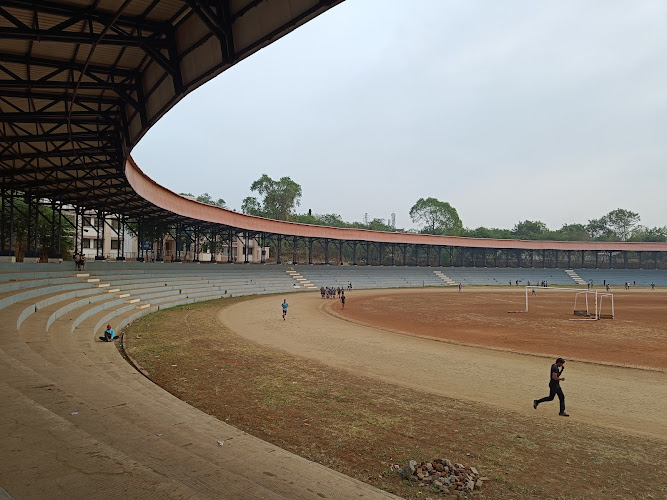
Jawaharlal Nehru Stadium

Shri Ekvira Devi Temple, Amravati
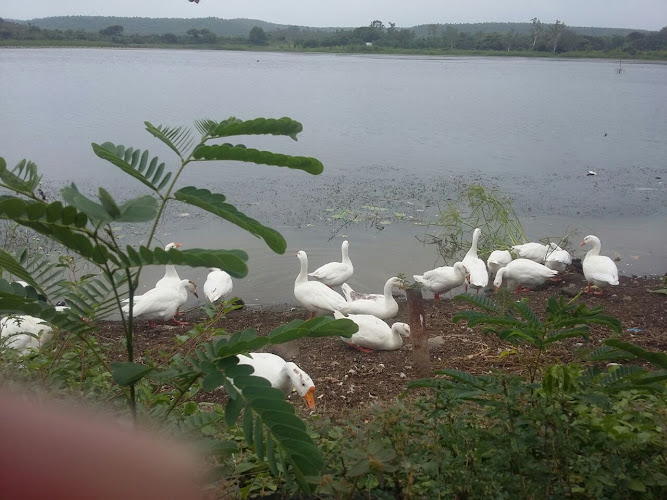
Wadali Talav
Find Accommodations Nearby
Recommended Tours & Activities
Visitor Reviews
There are no reviews yet. Be the first one to write one.
Share Your Experience
Have you visited Cactus Garden? Help other travelers by leaving a review.