
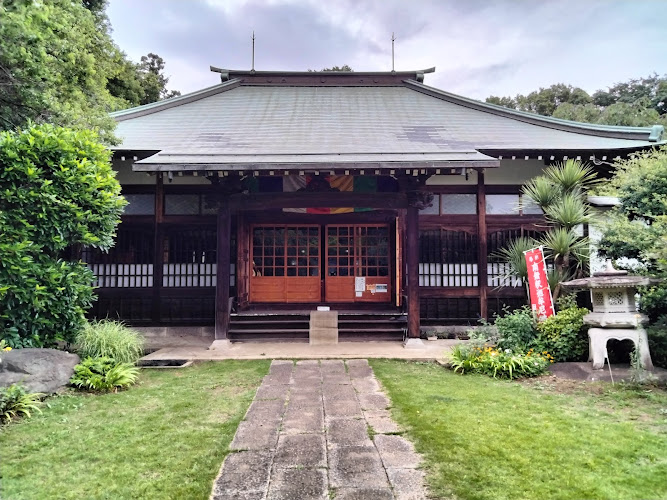
Kozenin
About Kozenin
Description
Kozenin stands as one of those Buddhist temples that manages to capture something genuine about Japan's spiritual landscape without the overwhelming tourist crowds you'll find at more famous locations. This temple has built its reputation particularly around autumn, when the grounds transform into what I'd honestly call one of the more impressive fall foliage displays in the region. And while it might not be the most accessible spot you'll ever visit, there's something about walking these temple grounds that feels authentically Japanese in a way that's increasingly hard to find. The temple itself represents centuries of Buddhist tradition, though what really draws people here isn't necessarily the religious architecture alone. It's the total experience - the way light filters through maple leaves in October and November, how the traditional temple buildings frame these natural displays, and that particular quietness you get at temples that haven't been completely overrun by tour buses. I've heard from travelers who've visited both the mega-famous temples and places like Kozenin, and many say they actually prefer the latter for its more contemplative atmosphere. What makes Kozenin particularly special is how it balances being a legitimate tourist attraction while maintaining its primary function as a place of worship and reflection. You're not going to find gift shops at every corner or constant announcements in multiple languages. But that's kind of the point - this is a temple first, tourist spot second, which honestly makes it a better tourist spot if that makes sense. The temple welcomes visitors throughout the year, though you'll quickly understand why autumn gets all the attention. The seasonal transformation here is dramatic enough that even locals who've seen countless fall color displays make the trip. That said, visiting outside peak season has its own rewards - fewer people, more space for personal reflection, and the chance to see the temple in its more everyday state.Key Features
Kozenin offers several distinctive elements that make it worth adding to your Japan itinerary: • Spectacular autumn foliage displays that rival much more famous locations, with maple trees creating natural canopies of red, orange, and gold throughout the temple grounds • Traditional Buddhist temple architecture that provides authentic cultural insight without the commercial overlay you'll find at more touristy religious sites • A relatively peaceful atmosphere compared to major tourist temples, allowing for actual contemplation and photography without fighting through crowds • Restroom facilities available on-site, which honestly shouldn't be overlooked when planning temple visits in more remote locations • Seasonal variations that give the temple different characters throughout the year, from fresh green growth in spring to stark winter landscapes • Opportunities for understanding Japanese Buddhist practices in a setting where these traditions remain central to the location's purpose • Photography opportunities that range from sweeping landscape shots to detailed close-ups of temple elements framed by natural beauty • A location that feels genuinely Japanese rather than curated for international tourism, offering a more authentic cultural experienceBest Time to Visit
Let's be straight about this - if you're coming to Kozenin, you're probably coming for the fall colors, and you'd be right to do so. The peak season typically runs from mid-October through mid-November, though exact timing shifts year to year depending on weather patterns. I've talked to people who've hit it at absolute peak, and they describe colors so intense they almost look artificial in photographs. But here's where it gets tricky. Everyone knows about this timing, which means those perfect autumn weekends can get genuinely busy. Not Tokyo-subway-at-rush-hour busy, but definitely more crowded than you might expect at what's otherwise a fairly peaceful temple. If you're coming during peak fall color season, weekdays are significantly better than weekends, and mornings tend to be quieter than afternoons. That said, don't completely write off the other seasons. Spring brings a different kind of beauty, with fresh green growth and occasional flowering that contrasts beautifully with the temple's traditional architecture. Summer is admittedly the least popular time - it's hot, humid, and the landscape is just... green. But if you want the temple practically to yourself and don't mind sweating a bit, summer has its appeal. Winter transforms Kozenin into something stark and contemplative. If you happen to catch it after a snowfall, you're in for something special - the temple buildings with snow-dusted roofs create those classic Japanese winter scenes that look like they've been pulled from woodblock prints. Just be prepared for cold weather and potentially icy conditions. Weather-wise, autumn days are typically clear and comfortable, with temperatures ranging from cool mornings to pleasant afternoons. This is jacket weather, not coat weather, though you'll want layers since temple grounds can be breezy.How to Get There
Getting to Kozenin requires a bit more effort than simply hopping off a subway in central Tokyo, which is partly why it maintains that less-crowded feel even during popular seasons. The temple isn't located in a major city center, so you'll need to plan your transportation with some care. Most travelers reach Kozenin by combining train travel with either a bus ride or taxi. The exact route depends on where you're starting from, but generally you'll want to research the nearest train station to the temple and then figure out the final leg from there. During peak autumn season, some areas run special buses to popular fall foliage spots, and Kozenin sometimes benefits from these services. Renting a car is definitely an option and gives you more flexibility with timing and the ability to explore surrounding areas. However, parking near the temple can be limited, particularly during busy periods. And remember - parking lots here aren't wheelchair accessible, which is something to factor into your planning if mobility is a consideration. Taxis work well for the final portion of the journey, especially if you're traveling as a group where the cost can be split. Just be aware that during peak season, getting a taxi back might require some waiting or advance arrangement. I'd strongly recommend downloading offline maps before you go, as cell service can be spotty in some areas. Having the temple location saved and a rough route planned takes a lot of stress out of the journey. Plan for the journey to take longer than you'd expect - rural Japan moves at a different pace than the cities, and bus schedules might have longer gaps between services than you're used to.Tips for Visiting
Before you head to Kozenin, there are some practical considerations that'll make your visit considerably smoother. First and foremost - this temple is not wheelchair accessible. Neither the entrance nor the parking lot accommodates wheelchairs, which is unfortunately common at older Japanese temples but definitely something that needs to be on your radar when planning. Wear comfortable walking shoes with good grip. Temple grounds can include uneven surfaces, steps, and potentially slippery conditions depending on weather. Those cute sandals you bought in Tokyo? Leave them at your hotel for this trip. Bring cash. While Japan has modernized tremendously, smaller temples often don't accept cards, and you'll want money for any offerings, parking fees, or small purchases. There might not be an ATM conveniently located nearby. Dress respectfully - this is an active place of worship. You don't need to wear formal clothing, but keep shoulders and knees covered, avoid anything too revealing, and remember you're entering a sacred space. And yes, sometimes you'll need to remove shoes before entering certain buildings, so socks without holes are a good idea. The restroom facilities are available, but they're basic temple restrooms, not modern tourist center facilities. Bring tissues or toilet paper just in case, though facilities are generally maintained reasonably well. Photography is typically allowed in the grounds, but be mindful of any posted restrictions, particularly inside temple buildings. And please, if you encounter people praying or ceremonies taking place, give them space and privacy. Timing your visit matters beyond just seasonal considerations. Early morning offers the best light for photography and the fewest crowds. Late afternoon can also be beautiful as the sun gets lower, but you'll be sharing the space with more people. Consider bringing snacks and water, especially if you're visiting during warmer months. There might not be extensive food options immediately nearby. If you're visiting during peak autumn season, prepare for some competition for the best photography spots. Be patient, be polite, and remember that everyone's trying to capture the same beautiful moments you are. Finally, take time to actually experience the temple beyond just photographing it. Sit on one of the benches if available, listen to the sounds around you, watch how light moves through the leaves. Some of my best travel memories aren't the photos I took but the moments I actually allowed myself to be present in a place. Kozenin offers that opportunity if you let it.Key Features
- Key Features
- Best Time to Visit
- How to Get There
- Tips for Visiting
More Details
Updated March 30, 2026
Table of Contents
Description
Kozenin stands as one of those Buddhist temples that manages to capture something genuine about Japan’s spiritual landscape without the overwhelming tourist crowds you’ll find at more famous locations. This temple has built its reputation particularly around autumn, when the grounds transform into what I’d honestly call one of the more impressive fall foliage displays in the region. And while it might not be the most accessible spot you’ll ever visit, there’s something about walking these temple grounds that feels authentically Japanese in a way that’s increasingly hard to find.
The temple itself represents centuries of Buddhist tradition, though what really draws people here isn’t necessarily the religious architecture alone. It’s the total experience – the way light filters through maple leaves in October and November, how the traditional temple buildings frame these natural displays, and that particular quietness you get at temples that haven’t been completely overrun by tour buses. I’ve heard from travelers who’ve visited both the mega-famous temples and places like Kozenin, and many say they actually prefer the latter for its more contemplative atmosphere.
What makes Kozenin particularly special is how it balances being a legitimate tourist attraction while maintaining its primary function as a place of worship and reflection. You’re not going to find gift shops at every corner or constant announcements in multiple languages. But that’s kind of the point – this is a temple first, tourist spot second, which honestly makes it a better tourist spot if that makes sense.
The temple welcomes visitors throughout the year, though you’ll quickly understand why autumn gets all the attention. The seasonal transformation here is dramatic enough that even locals who’ve seen countless fall color displays make the trip. That said, visiting outside peak season has its own rewards – fewer people, more space for personal reflection, and the chance to see the temple in its more everyday state.
Key Features
Kozenin offers several distinctive elements that make it worth adding to your Japan itinerary:
• Spectacular autumn foliage displays that rival much more famous locations, with maple trees creating natural canopies of red, orange, and gold throughout the temple grounds
• Traditional Buddhist temple architecture that provides authentic cultural insight without the commercial overlay you’ll find at more touristy religious sites
• A relatively peaceful atmosphere compared to major tourist temples, allowing for actual contemplation and photography without fighting through crowds
• Restroom facilities available on-site, which honestly shouldn’t be overlooked when planning temple visits in more remote locations
• Seasonal variations that give the temple different characters throughout the year, from fresh green growth in spring to stark winter landscapes
• Opportunities for understanding Japanese Buddhist practices in a setting where these traditions remain central to the location’s purpose
• Photography opportunities that range from sweeping landscape shots to detailed close-ups of temple elements framed by natural beauty
• A location that feels genuinely Japanese rather than curated for international tourism, offering a more authentic cultural experience
Best Time to Visit
Let’s be straight about this – if you’re coming to Kozenin, you’re probably coming for the fall colors, and you’d be right to do so. The peak season typically runs from mid-October through mid-November, though exact timing shifts year to year depending on weather patterns. I’ve talked to people who’ve hit it at absolute peak, and they describe colors so intense they almost look artificial in photographs.
But here’s where it gets tricky. Everyone knows about this timing, which means those perfect autumn weekends can get genuinely busy. Not Tokyo-subway-at-rush-hour busy, but definitely more crowded than you might expect at what’s otherwise a fairly peaceful temple. If you’re coming during peak fall color season, weekdays are significantly better than weekends, and mornings tend to be quieter than afternoons.
That said, don’t completely write off the other seasons. Spring brings a different kind of beauty, with fresh green growth and occasional flowering that contrasts beautifully with the temple’s traditional architecture. Summer is admittedly the least popular time – it’s hot, humid, and the landscape is just… green. But if you want the temple practically to yourself and don’t mind sweating a bit, summer has its appeal.
Winter transforms Kozenin into something stark and contemplative. If you happen to catch it after a snowfall, you’re in for something special – the temple buildings with snow-dusted roofs create those classic Japanese winter scenes that look like they’ve been pulled from woodblock prints. Just be prepared for cold weather and potentially icy conditions.
Weather-wise, autumn days are typically clear and comfortable, with temperatures ranging from cool mornings to pleasant afternoons. This is jacket weather, not coat weather, though you’ll want layers since temple grounds can be breezy.
How to Get There
Getting to Kozenin requires a bit more effort than simply hopping off a subway in central Tokyo, which is partly why it maintains that less-crowded feel even during popular seasons. The temple isn’t located in a major city center, so you’ll need to plan your transportation with some care.
Most travelers reach Kozenin by combining train travel with either a bus ride or taxi. The exact route depends on where you’re starting from, but generally you’ll want to research the nearest train station to the temple and then figure out the final leg from there. During peak autumn season, some areas run special buses to popular fall foliage spots, and Kozenin sometimes benefits from these services.
Renting a car is definitely an option and gives you more flexibility with timing and the ability to explore surrounding areas. However, parking near the temple can be limited, particularly during busy periods. And remember – parking lots here aren’t wheelchair accessible, which is something to factor into your planning if mobility is a consideration.
Taxis work well for the final portion of the journey, especially if you’re traveling as a group where the cost can be split. Just be aware that during peak season, getting a taxi back might require some waiting or advance arrangement.
I’d strongly recommend downloading offline maps before you go, as cell service can be spotty in some areas. Having the temple location saved and a rough route planned takes a lot of stress out of the journey.
Plan for the journey to take longer than you’d expect – rural Japan moves at a different pace than the cities, and bus schedules might have longer gaps between services than you’re used to.
Tips for Visiting
Before you head to Kozenin, there are some practical considerations that’ll make your visit considerably smoother. First and foremost – this temple is not wheelchair accessible. Neither the entrance nor the parking lot accommodates wheelchairs, which is unfortunately common at older Japanese temples but definitely something that needs to be on your radar when planning.
Wear comfortable walking shoes with good grip. Temple grounds can include uneven surfaces, steps, and potentially slippery conditions depending on weather. Those cute sandals you bought in Tokyo? Leave them at your hotel for this trip.
Bring cash. While Japan has modernized tremendously, smaller temples often don’t accept cards, and you’ll want money for any offerings, parking fees, or small purchases. There might not be an ATM conveniently located nearby.
Dress respectfully – this is an active place of worship. You don’t need to wear formal clothing, but keep shoulders and knees covered, avoid anything too revealing, and remember you’re entering a sacred space. And yes, sometimes you’ll need to remove shoes before entering certain buildings, so socks without holes are a good idea.
The restroom facilities are available, but they’re basic temple restrooms, not modern tourist center facilities. Bring tissues or toilet paper just in case, though facilities are generally maintained reasonably well.
Photography is typically allowed in the grounds, but be mindful of any posted restrictions, particularly inside temple buildings. And please, if you encounter people praying or ceremonies taking place, give them space and privacy.
Timing your visit matters beyond just seasonal considerations. Early morning offers the best light for photography and the fewest crowds. Late afternoon can also be beautiful as the sun gets lower, but you’ll be sharing the space with more people.
Consider bringing snacks and water, especially if you’re visiting during warmer months. There might not be extensive food options immediately nearby.
If you’re visiting during peak autumn season, prepare for some competition for the best photography spots. Be patient, be polite, and remember that everyone’s trying to capture the same beautiful moments you are.
Finally, take time to actually experience the temple beyond just photographing it. Sit on one of the benches if available, listen to the sounds around you, watch how light moves through the leaves. Some of my best travel memories aren’t the photos I took but the moments I actually allowed myself to be present in a place. Kozenin offers that opportunity if you let it.
Key Highlights
- Key Features
- Best Time to Visit
- How to Get There
- Tips for Visiting
Location
Places to Stay Near Kozenin
Find and Book a Tour
Explore More Travel Guides
No reviews found! Be the first to review!
Kozenin is a prominent attractions located in Kawaguchi.
Visit us at: 401 Angyoryoke, Kawaguchi, Saitama 334-0058, Japon.
Traveler Reviews for Kozenin
There are no reviews yet. Be the first one to write one.
Have you visited Kozenin? Help other travelers by sharing your review.
You Might Also Like
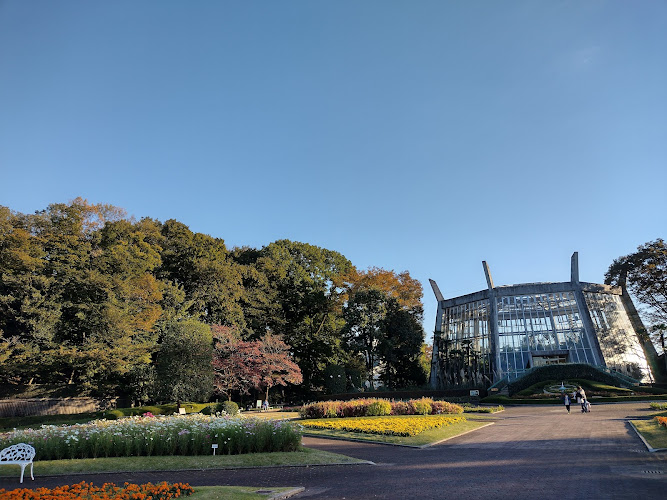
Kawaguchi City Green Center
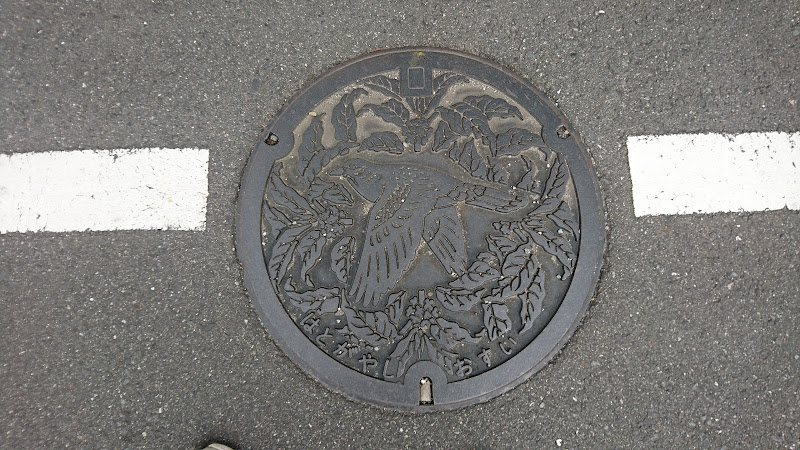
Hatogayahoncho
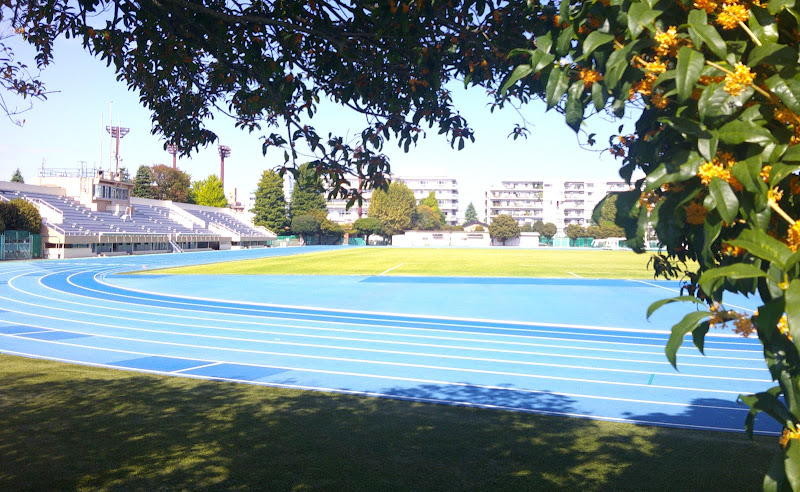
Aoki-cho park comprehensive playground
Find Accommodations Nearby
Recommended Tours & Activities
Visitor Reviews
There are no reviews yet. Be the first one to write one.
Share Your Experience
Have you visited Kozenin? Help other travelers by leaving a review.