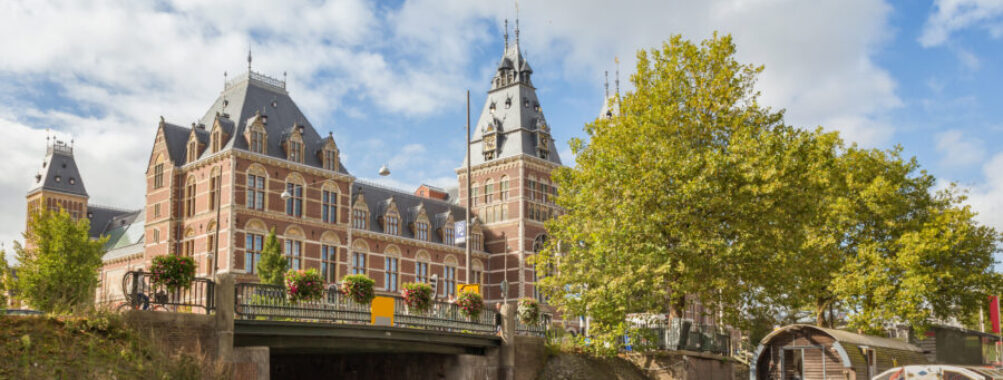
The Ultimate Guide to Sustainable Amsterdam: How to Experience Europe’s Greenest Capital Like a Local
Updated November 22, 2025
Walking along Amsterdam’s tree-lined canals on a crisp November morning, I watched locals effortlessly glide past on bicycles, their panniers filled with fresh produce from the weekend market. A silent electric boat hummed beneath a historic bridge while solar panels glinted on rooftops above centuries-old architecture. This wasn’t just another European city—this was a living laboratory for sustainable urban living.
Amsterdam isn’t simply jumping on the eco-tourism bandwagon; the city is fundamentally reimagining what urban sustainability means. With an ambitious goal to become Europe’s first fully emission-free city by 2050 and a comprehensive Sustainable Visitor Economy Strategy already in action, Amsterdam has transformed from a party capital into a model for conscious travel. The question isn’t whether you should visit, but how you can experience this green revolution firsthand while leaving the smallest footprint possible.
Table of Contents
- 🌱 Quick Guide: Sustainable Amsterdam at a Glance
- Why Amsterdam Leads Europe’s Sustainable Tourism Revolution
- Current Sustainability Milestones (2025 Status)
- Best Time to Visit Amsterdam for Sustainable Travel
- Spring: April to May
- Fall: September to October 🍂
- Winter: November to March (Budget-Conscious Option)
- Sustainable Accommodation: Where to Stay Green in Amsterdam
- Conscious Hotels: The Gold Standard ⭐
- Other Notable Sustainable Stays
- Sustainable Accommodation Comparison
- Green Transportation: Navigating Amsterdam Sustainably 🚲
- Cycling: The Quintessential Amsterdam Experience
- Public Transportation: Electric and Efficient
- Electric Canal Tours: A Greener Water Experience ⛵
- Sustainable Dining: Amsterdam’s Farm-to-Table Revolution 🌿
- De Kas: The Original Green Dining Experience
- Café de Ceuvel: Where Sustainability Meets Creativity
- Budget-Friendly Sustainable Options
- Sustainable Dining Price Guide
- Must-Visit Green Spaces and Sustainable Attractions 🌳
- De Ceuvel: Sustainable Living Laboratory
- Amsterdamse Bos: The City’s Green Lung
- Urban Gardens and City Farms
- Museums with Environmental Focus
- Sustainable Shopping: Thrift, Vintage, and Zero-Waste 🛍️
- The Ultimate Vintage Experience: IJ-Hallen
- Curated Vintage in The Nine Streets
- Zero-Waste Shopping
- Practical Cost Breakdown: Sustainable Amsterdam Budget 💰
- Three-Day Sustainable Amsterdam Budget
- Budget Profiles Explained
- Common Sustainable Travel Mistakes to Avoid ⚠️
- Mistake #1: Concentrating Only on the Overcrowded Center
- Mistake #2: Falling for “Greenwashing” Tours and Hotels
- Mistake #3: Ignoring the Plastic Water Bottle Problem
- Mistake #4: Renting Cars or Taking Taxis
- Mistake #5: Visiting During Peak Tulip Mania
- Extended Sustainable Amsterdam: Sample Itineraries 📅
- Four-Day Sustainable Exploration
- One-Week Sustainable Deep Dive
- Getting to Amsterdam Sustainably 🚂
- From Europe: Choose Trains Over Flights
- From Further Afield: Offset What You Can’t Avoid
- Beyond Amsterdam: Sustainable Day Trips 🚴
- Haarlem: Mini Amsterdam Without the Crowds
- Zaanse Schans: Windmills by Bike
- Waterland Region: Old Holland by Bike
- Final Thoughts: Your Sustainable Amsterdam Journey 🌍
- You’re Not Just Observing—You’re Participating
- The Most Valuable Souvenir
- Making It Last
- Essential Resources for Sustainable Amsterdam Travel
- Book Your Dream Experience
- More Travel Guides
🌱 Quick Guide: Sustainable Amsterdam at a Glance

- Best Time for Eco-Conscious Visitors: April-May or September-October (shoulder season reduces overtourism)
- Primary Green Transport: Bicycles (€12-15/day) and electric trams included in I Amsterdam City Card
- Accommodation Sweet Spot: €120-180/night at Green Key Gold certified hotels
- Daily Sustainable Budget: €60-90 for mindful travelers
- Must-Visit Green Spots: De Ceuvel creative space, Amsterdamse Bos forest, Plastic Whale canal tours
- Top Sustainable Activity: Cycling to neighborhood markets and urban farms
- Biggest Mistake to Avoid: Visiting only the overcrowded city center (explore Noord and Oost instead)
Why Amsterdam Leads Europe’s Sustainable Tourism Revolution
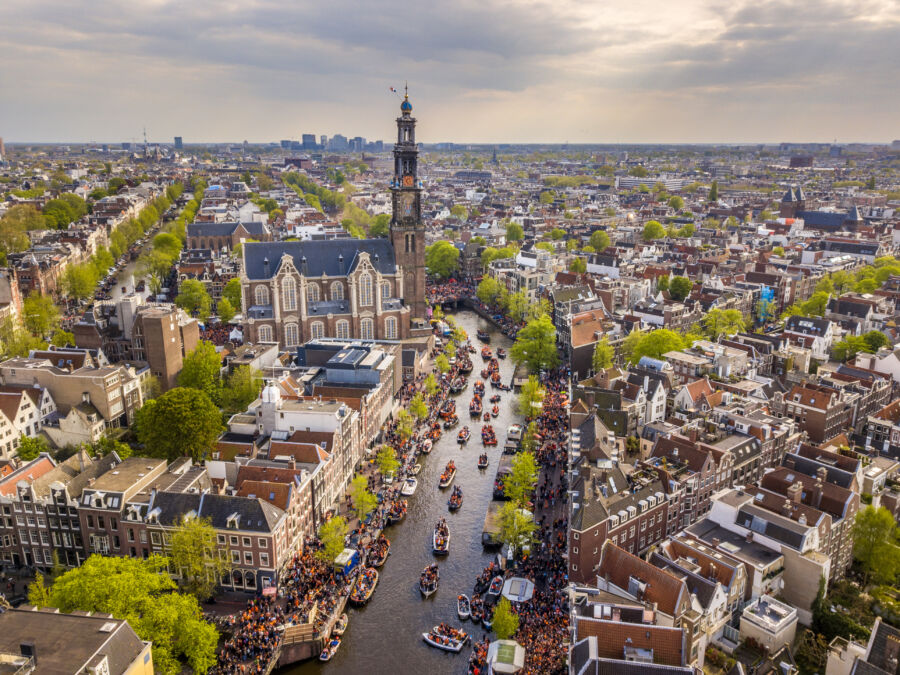
Amsterdam’s transformation into Europe’s eco-capital didn’t happen overnight. The city has been methodically building its green infrastructure for decades, but 2025 marks a pivotal year in its sustainability journey. After receiving the top ranking in the Arcadis 2024 Sustainable Cities Index, Amsterdam doubled down on its environmental commitments with measurable, ambitious goals.
The city’s Sustainable Visitor Economy Strategy targets what officials call “respectful tourists”—visitors who appreciate Amsterdam’s cultural uniqueness rather than treating it as a budget party destination. This shift means better experiences for conscious travelers like you, with improved infrastructure for cycling, expanded electric public transport, and a boom in sustainable accommodations and dining options.
What makes Amsterdam’s approach unique is its holistic integration of sustainability into daily life. This isn’t about segregating “eco” options from mainstream tourism—it’s about making the sustainable choice the easiest, most enjoyable choice. From the 75% of canal boats now powered by electricity to the city-wide renewable energy grid, green living is simply how Amsterdam operates.
Current Sustainability Milestones (2025 Status)
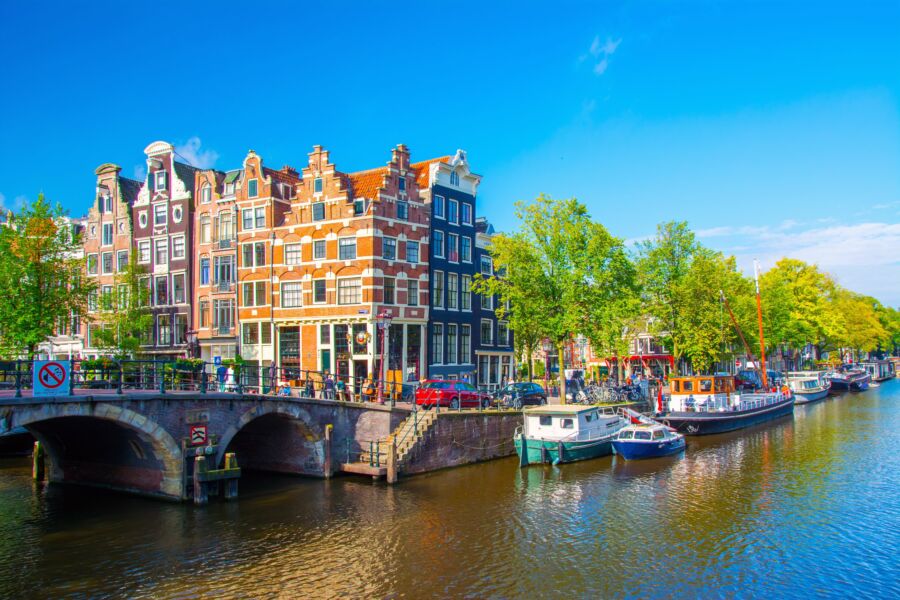
Amsterdam has hit several major benchmarks on its road to carbon neutrality:
- Energy: Over 40% generated from renewable sources (wind and solar)
- Public Transport: All diesel buses replaced with electric or hydrogen vehicles
- Zero-Emission Zones: Polluting cars are restricted from the historic center
- Hotels: Over 70% hold environmental certification (Green Key leading)
- Food Waste: 35% reduction since 2020 through composting initiatives
- Waterways: Cleaner canals thanks to Plastic Whale cleanup projects
Best Time to Visit Amsterdam for Sustainable Travel
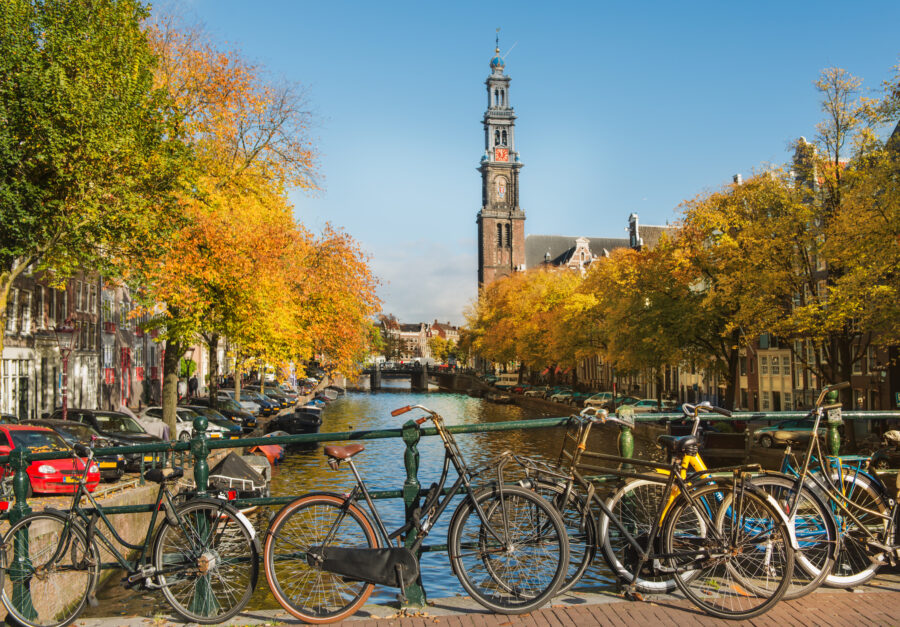
Timing your Amsterdam visit strategically reduces your environmental impact while enhancing your experience. The city faces significant overtourism pressure during peak summer months and tulip season, straining infrastructure and degrading the quality of life for residents. By visiting during shoulder seasons, you contribute to a more balanced tourism distribution throughout the year.
Spring: April to May
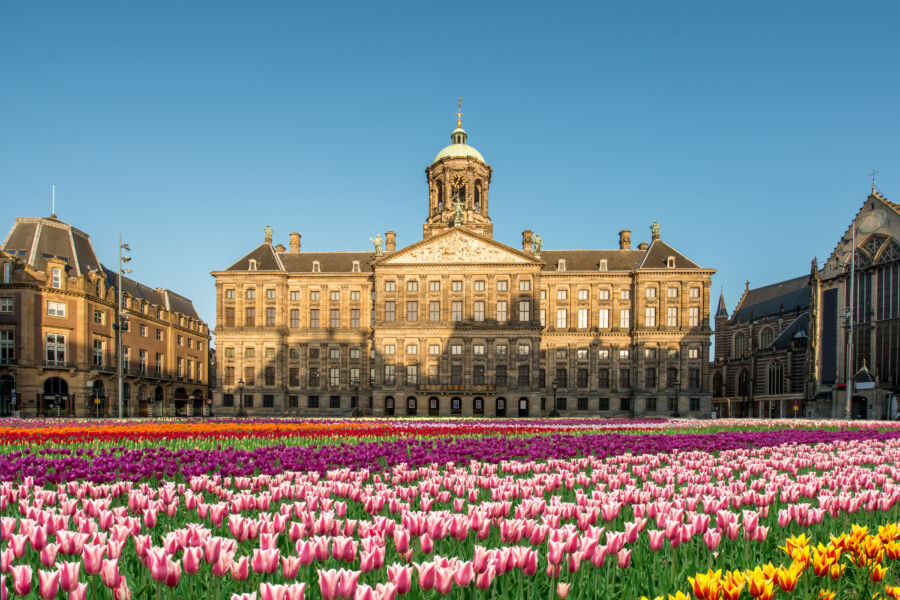
Late spring offers Amsterdam at its most vibrant without the crushing summer crowds. Average temperatures hover around 12-17°C (54-63°F), perfect for cycling. This period catches the tail end of the tulip season while avoiding the Easter rush.
- What to expect: Parks burst with blooms, outdoor cafés reopen terraces, and the city awakens from winter.
- Booking tip: Reserve accommodations 6-8 weeks in advance for the best sustainable hotel availability.
Fall: September to October 🍂
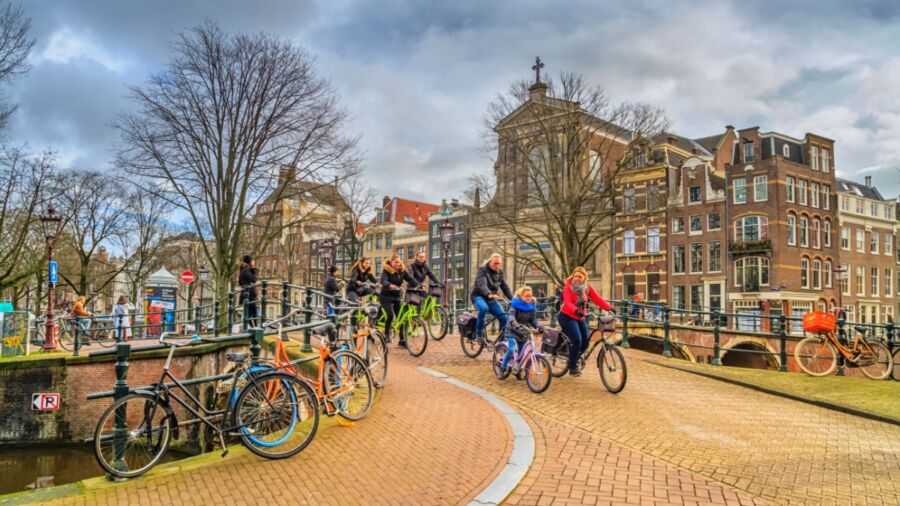
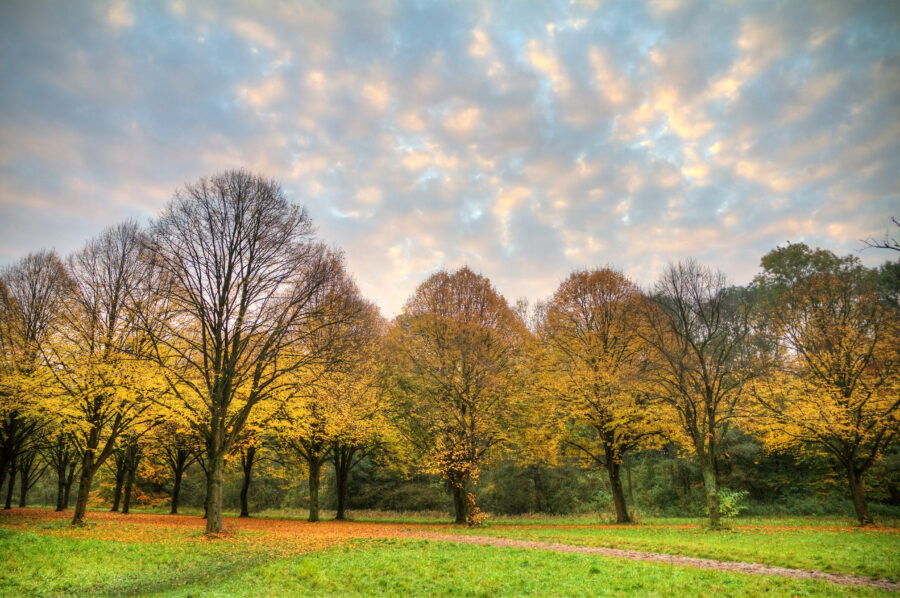
This is my personal favorite time to experience sustainable Amsterdam. The autumn light creates that famous Dutch golden hour photographers dream about, and temperatures remain mild at 13-18°C (55-64°F).
Seasonal highlights:
- Harvest season brings incredible local produce to markets
- Trees transform canal rings into russet-gold corridors
- Amsterdam Dance Event happens in October
- Fewer tourists mean authentic local experiences
Winter: November to March (Budget-Conscious Option)

Off-season Amsterdam rewards conscious travelers with significantly lower prices and authentic local vibes. Yes, it’s cold and often rainy, but the city’s café culture shines during the winter months.
Winter advantages:
- Accommodation deals are 30-40% cheaper than summer rates
- Attractions blissfully uncrowded
- Christmas markets and Amsterdam Light Festival (December-January)
- Experience Amsterdam as residents do
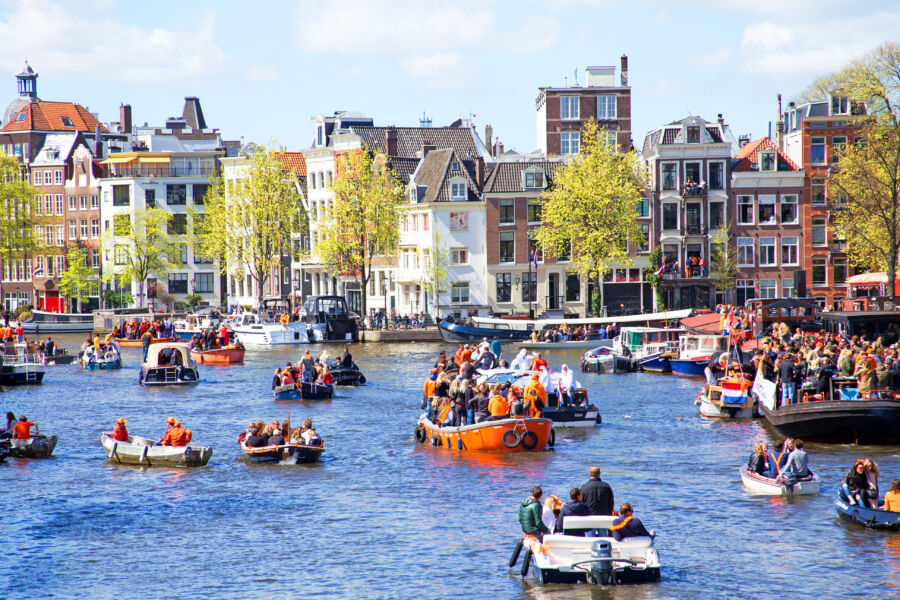
💡 Insider Tip: Avoid King’s Day (April 27) unless you specifically want the massive street party. While fun, it’s Amsterdam’s most crowded, wasteful day of the year, with tons of single-use plastics and overwhelmed public services.
Sustainable Accommodation: Where to Stay Green in Amsterdam
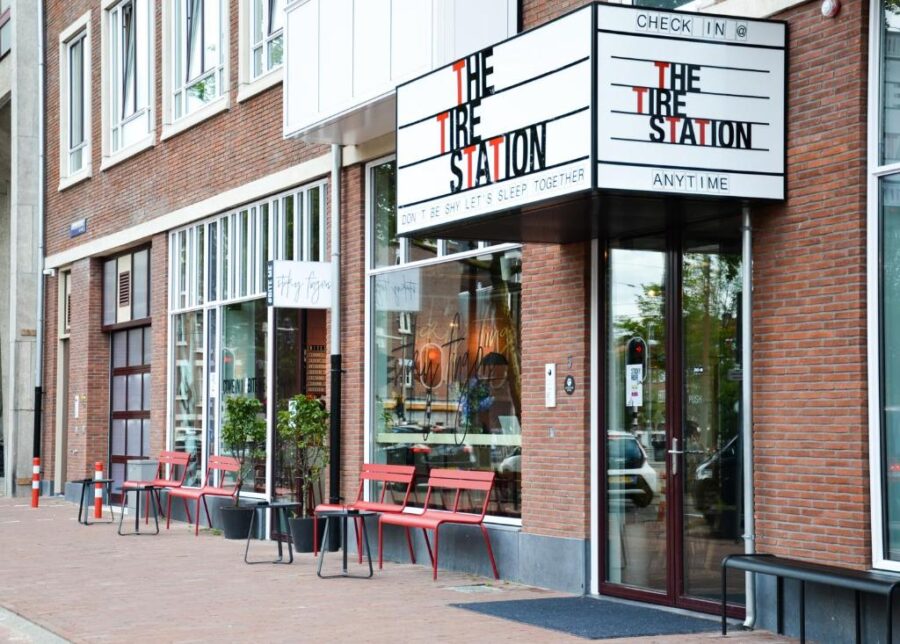
Amsterdam’s eco-accommodation scene has exploded beyond basic hostels with recycling bins. The city now boasts some of Europe’s most innovative sustainable hotels, where green technology meets Dutch design sensibility. These properties aren’t sacrificing comfort for conscience—they’re proving the two can coexist beautifully.
Conscious Hotels: The Gold Standard ⭐
The Conscious Hotels chain pioneered sustainable hospitality in Amsterdam and remains the benchmark. With four locations strategically placed near parks throughout the city, these Green Key Gold certified hotels implement comprehensive environmental practices without preaching.
Conscious Hotel Vondelpark
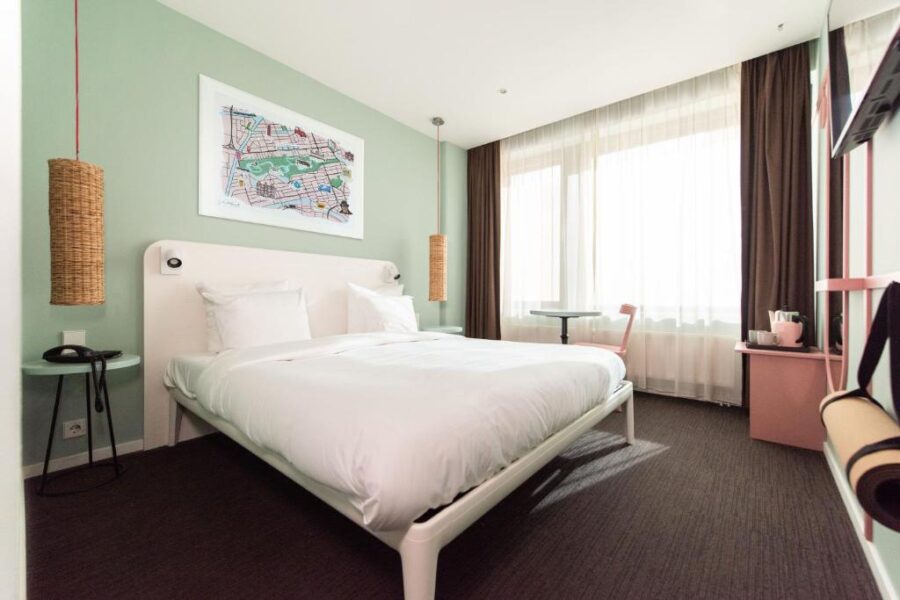
- Location: Steps from Vondelpark
- Nightly Rate: €140-180 (seasonal variation)
- Unique Features: Furniture made from recycled yogurt cups, water-saving showerheads, ultra-comfortable Auping beds
- Breakfast: 100% organic vegetarian buffet with seasonal, local ingredients
- Sustainability: Cashless operation, runs on renewable energy
- Book: Conscious Hotel Vondelpark
Conscious Hotel Westerpark
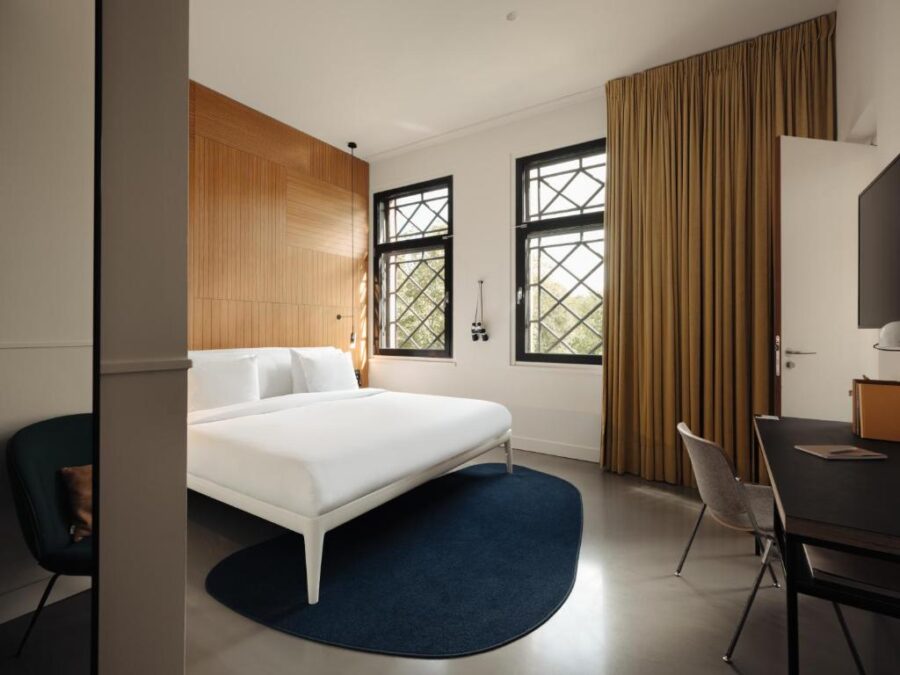
- Location: Overlooking Westerpark and Westergasfabriek cultural complex
- Nightly Rate: €130-170
- Unique Features: 100% electric hotel with sustainable energy system (ATES)
- Dining: On-site organic restaurant Bar Kantoor
- Best For: Travelers wanting easy access to Amsterdam Noord’s creative scene
- Book: Conscious Hotels Official Site
Conscious Hotel Museum Square

- Location: Walking distance from the Rijksmuseum and Van Gogh Museum
- Nightly Rate: €150-190
- Unique Features: Recycled materials, organic breakfast, bike rental services
- Special Perk: Afternoon reception with free wine and cheese from local producers
- Best For: Travelers prioritizing central location with green credentials
Other Notable Sustainable Stays
Hotel Jakarta Amsterdam (€200+/night)

Claims the title of the Netherlands’ most sustainable hotel. This stunning property on Java Island features:
- 200 rooms with Indonesian-influenced design
- All are built with recyclable materials
- Indoor garden with Amsterdam’s Hortus Botanicus showcasing Asian flora
- Staff wear sustainable fashion label clothing
- Includes Café Jakarta and a wellness area with a swimming pool
BOAT&CO (€160-220/night)
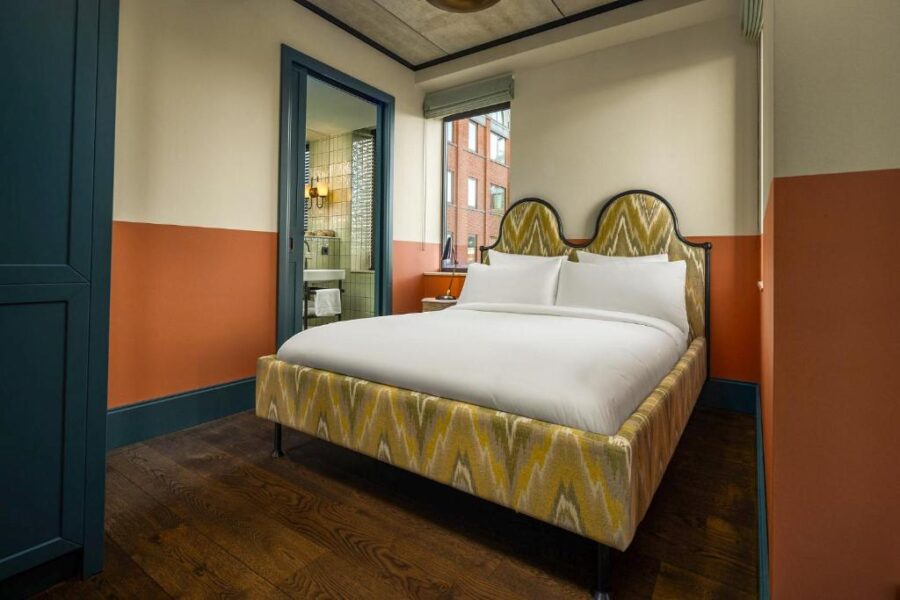
Takes a different approach with 84 hotel apartments equipped with full kitchens:
- Located in a fully climate-neutral neighborhood
- Full kitchens reduce restaurant waste
- Highest-grade insulation to store/reuse heat and cold airflow
- Perfect for longer stays or families wanting to minimize waste
Ecomama (€30-80 per person)
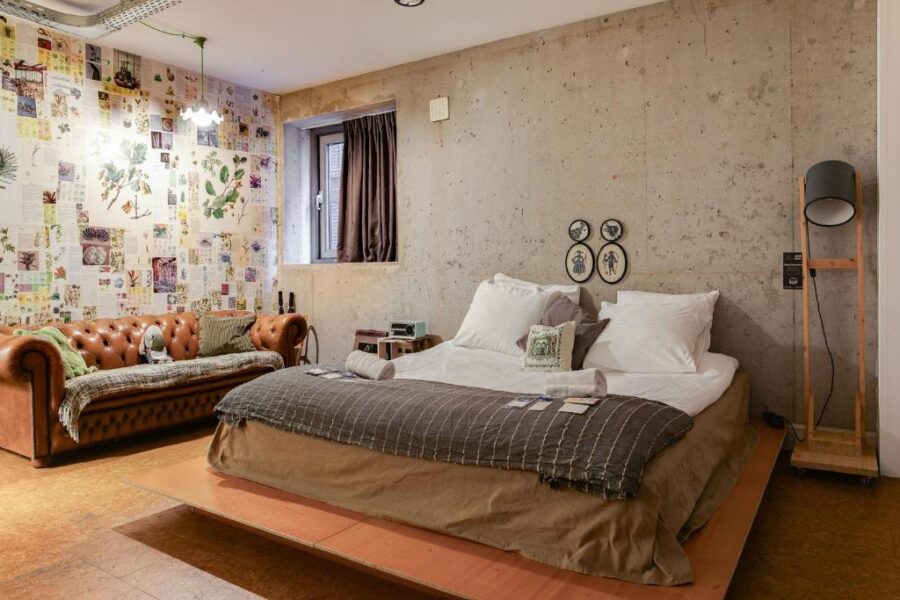
The budget-conscious option without compromising sustainability:
- Boutique hostel with dorm and private rooms
- Furnished with upcycled materials
- Organic breakfast café downstairs
- Champions local art and social enterprises
- Located in the trendy Jordaan neighborhood
- Ideal for solo sustainable travelers
Sustainable Accommodation Comparison
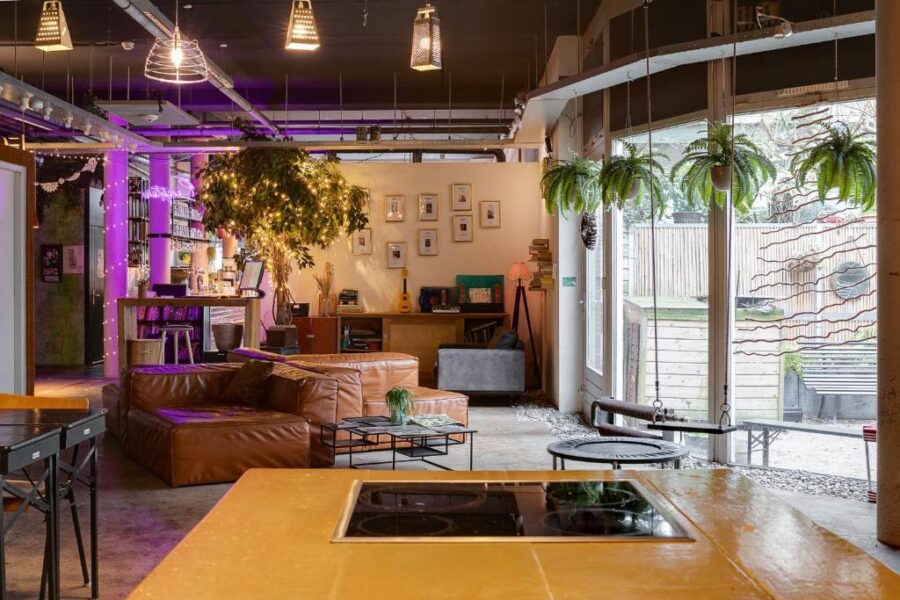
| Hotel Type | Nightly Rate | Green Certification | Best For |
|---|---|---|---|
| Conscious Hotels | €130-190 | Green Key Gold | Comfort + sustainability |
| Hotel Jakarta | €200+ | Highest sustainable standards | Luxury eco-travelers |
| BOAT&CO | €160-220 | Climate-neutral building | Longer stays, families |
| Ecomama Hostel | €30-80 | Upcycled design | Budget travelers, solo |
See Related: New Train Routes in Europe to Explore
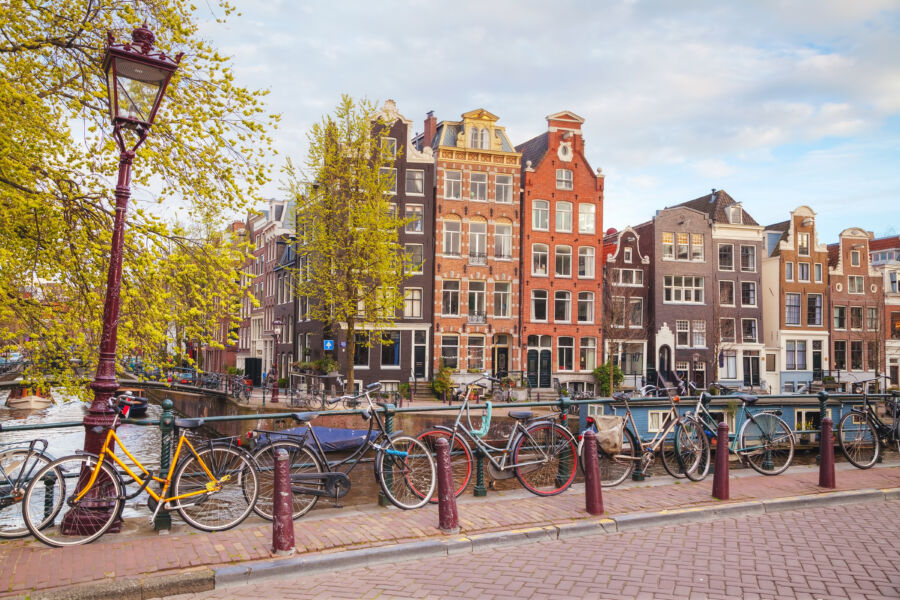
Transportation is where Amsterdam truly shines in the sustainability stakes. The city’s legendary cycling culture isn’t tourist propaganda—it’s how Amsterdammers of all ages actually live. With over 880,000 bicycles in a city of 850,000 residents, bikes outnumber people.
Cycling: The Quintessential Amsterdam Experience

Renting a bike isn’t just about being eco-friendly; it’s the most efficient way to experience Amsterdam. The city’s compact size and flat terrain make cycling accessible even if you’re not athletically inclined.
Bike Rental Costs:
- Daily: €12-15
- Weekly: €50-65
- Most sustainable hotels include free bike rentals
Reputable Rental Shops:
- MacBike (multiple locations)
- Bike City Amsterdam
- Many hotels offer complimentary bikes
Cycling Tips:
- Always lock your bike—Amsterdam is a paradise for bike thieves
- Watch for tram tracks (can catch your wheel if crossed at the wrong angle)
- Join the flow of cyclists; don’t hesitate at intersections
- Use hand signals for turns
Best Cycling Routes:
- Along the Amstel River south to Ouderkerk aan de Amstel (countryside views, farm shops)
- Northeast to IJmeer waterfront (modern architecture, expansive skies)
- 15km through Amsterdamse Bos (genuine forest within city limits)
Public Transportation: Electric and Efficient

Amsterdam’s public transport runs almost entirely on renewable electricity. The GVB network of trams, metros, and buses connects every neighborhood seamlessly.
I Amsterdam City Card:
- 24 hours: €65
- 48 hours: €85
- 72 hours: €100
- Includes: Unlimited public transport + free entry to major museums
- Worth it if: You plan to visit multiple attractions
- Purchase I Amsterdam City Card
Alternative Options:
- GVB multi-day ticket for shorter stays
- Contactless credit card for pay-as-you-go travel
- OV-chipkaart works across all public transport
Why It Matters: Using public transport reduces the need for taxis and ride-shares, which still predominantly use fossil fuels.
Electric Canal Tours: A Greener Water Experience ⛵

Canal cruises are practically mandatory in Amsterdam, but standard diesel boats contradict sustainable travel principles. Fortunately, over 75% of canal cruise operators now use electric boats.
Plastic Whale Tours (€32.50 per person)
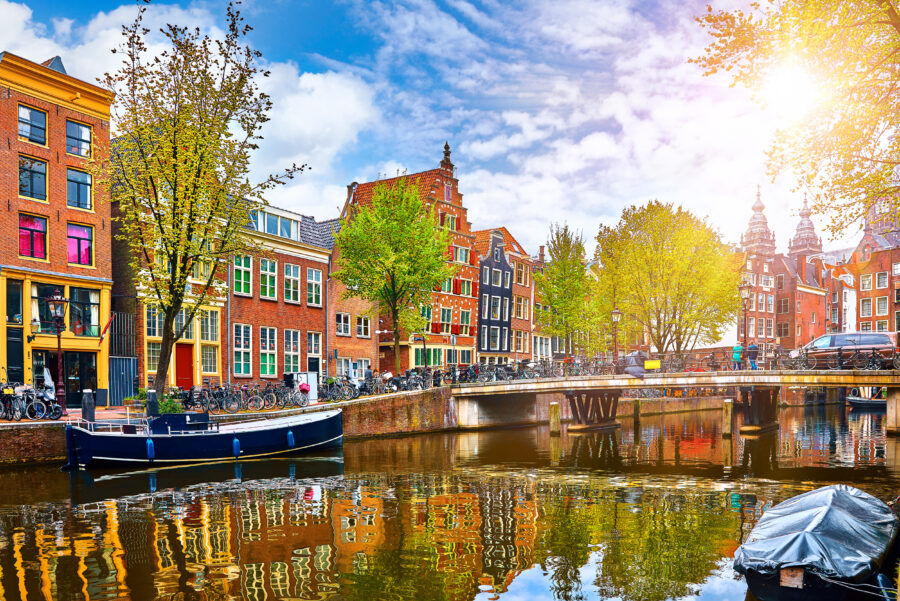
The most unique sustainable canal experience:
- Combines traditional sightseeing with plastic fishing
- Actively collect waste from canals using nets
- Learn about Amsterdam’s waterways and plastic pollution
- Boats made from recycled plastic waste
- Duration: 90 minutes
- Multiple departure locations
Self-Powered Options
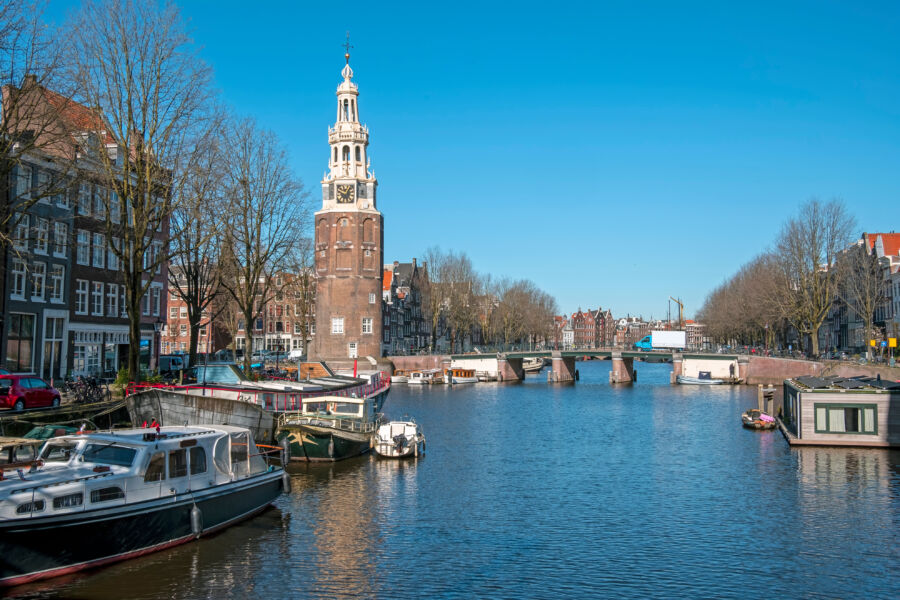
- Pedal boats/canal bikes: €10 per person per hour
- Slower but zero emissions
- Explore at your own pace
- Companies: Canal Motorboats, Boats4Rent near Rijksmuseum
💡 Money-Saving Green Transport Combo: Rent a bike for €50/week + buy a 7-day GVB pass for €40.50 = €90 investment provides complete mobility for a week. Far cheaper than daily tickets or canal tour packages!
Sustainable Dining: Amsterdam’s Farm-to-Table Revolution 🌿
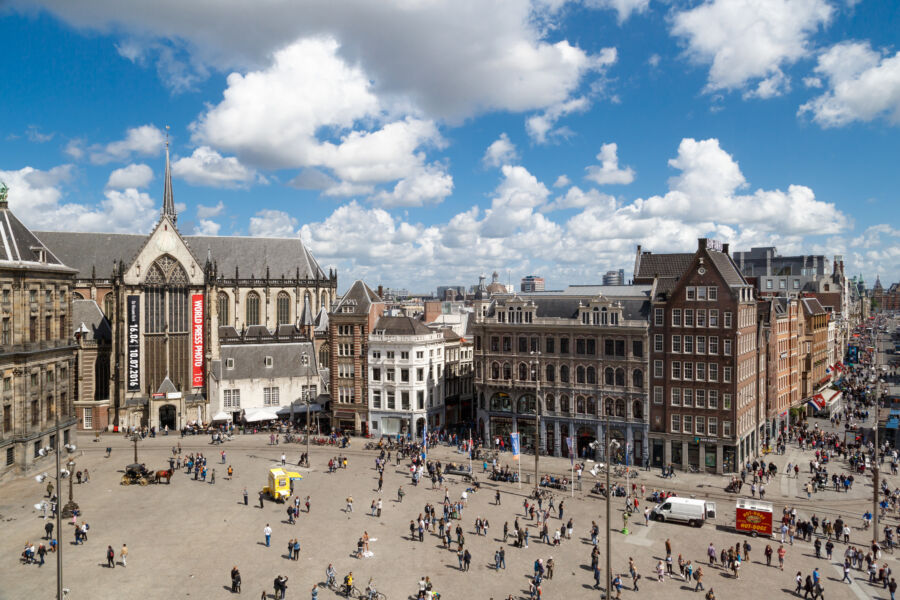
Amsterdam’s culinary scene has evolved dramatically from the touristy pancake houses that still line the center. A new generation of chefs and restaurateurs is reimagining Dutch cuisine through a sustainability lens, prioritizing local ingredients, zero-waste cooking, and plant-forward menus without sacrificing flavor.
De Kas: The Original Green Dining Experience
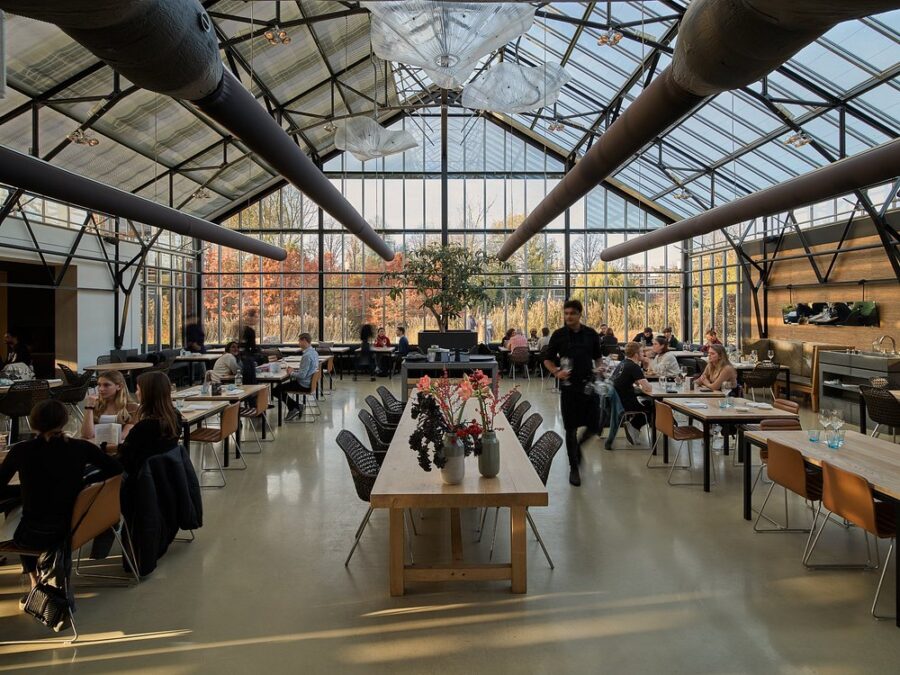
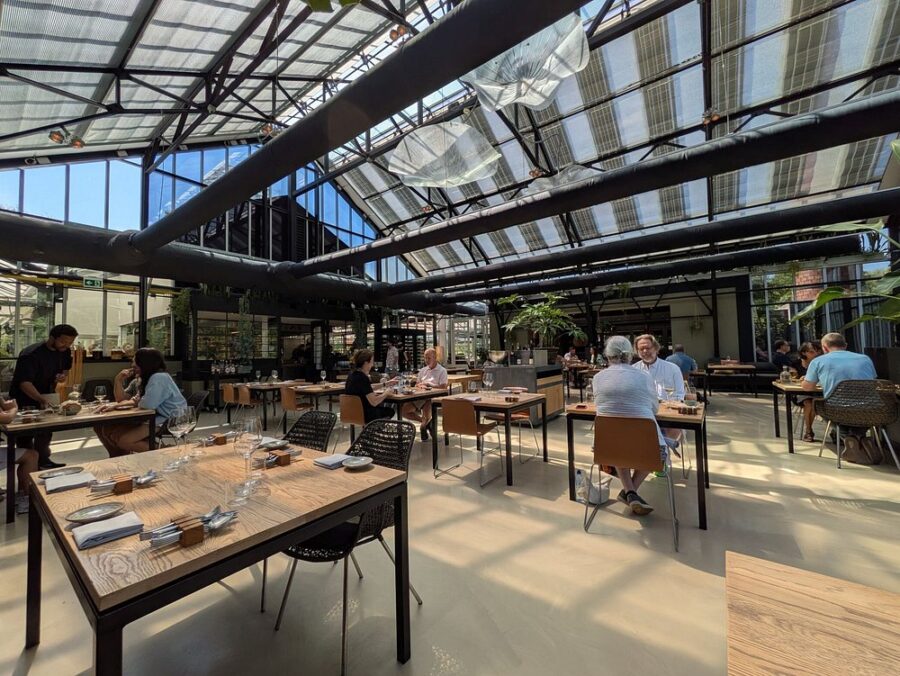
Located in a beautifully restored 1926 greenhouse in Frankendael Park, De Kas pioneered Amsterdam’s farm-to-table movement.
What Makes It Special:
- Restaurant grows its own vegetables, herbs, and edible flowers
- Additional produce from an organic farm in Noord-Holland
- Daily-changing menu reflects what’s ripe that week
- Dining in a working greenhouse surrounded by plants that garnish your plates
Pricing:
- Lunch: €55 for three courses
- Dinner: €78 for four courses
- Fish and limited meat from responsible Dutch suppliers
Booking: Essential; reserve 2-3 weeks ahead
Location: 15-minute cycle from central Amsterdam
Café de Ceuvel: Where Sustainability Meets Creativity
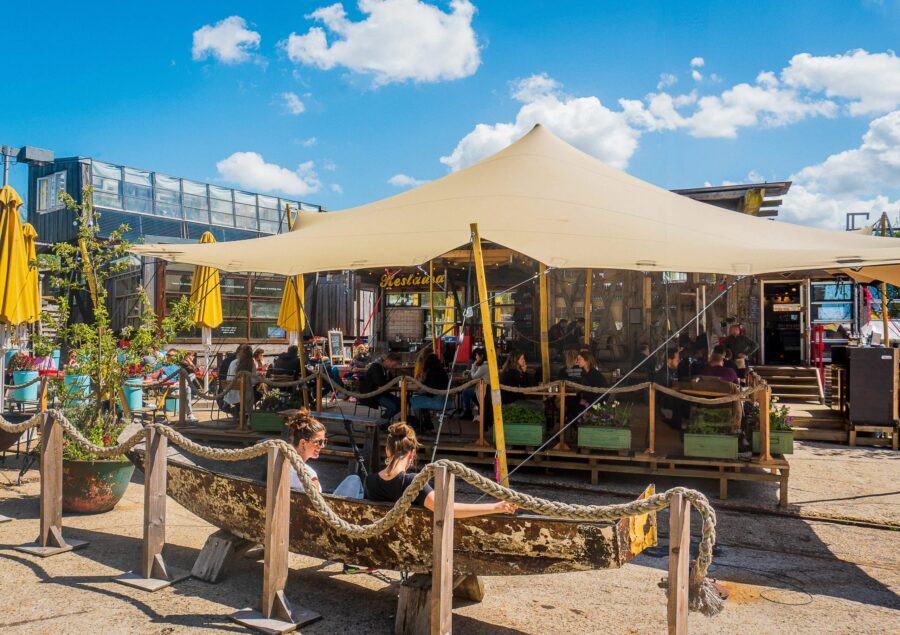
At the innovative De Ceuvel sustainable community in Amsterdam Noord, this café serves fully plant-based dishes made from locally sourced, organic ingredients.
Menu Highlights:
- Nettle saag paneer
- Lemon pearl barley risotto
- Oyster mushroom bitterballen (Dutch classic reimagined)
Pricing:
- Mains: €18-24
- Small plates: €8-12
- Homemade sodas with organic Saru Soda syrups
- Vegetables from Mijn Stadstuin urban farm
Setting: Retrofitted houseboats on a winding boardwalk surrounded by soil-cleaning plants
Hours: Daily 11am-midnight (until 2 am Friday-Saturday)
Getting There: Free ferry from Centraal Station to Noord (5 minutes) + 10-minute cycle
Budget-Friendly Sustainable Options

Not every meal needs to be a splurge to align with sustainable values.
Noordermarkt (Saturday mornings)
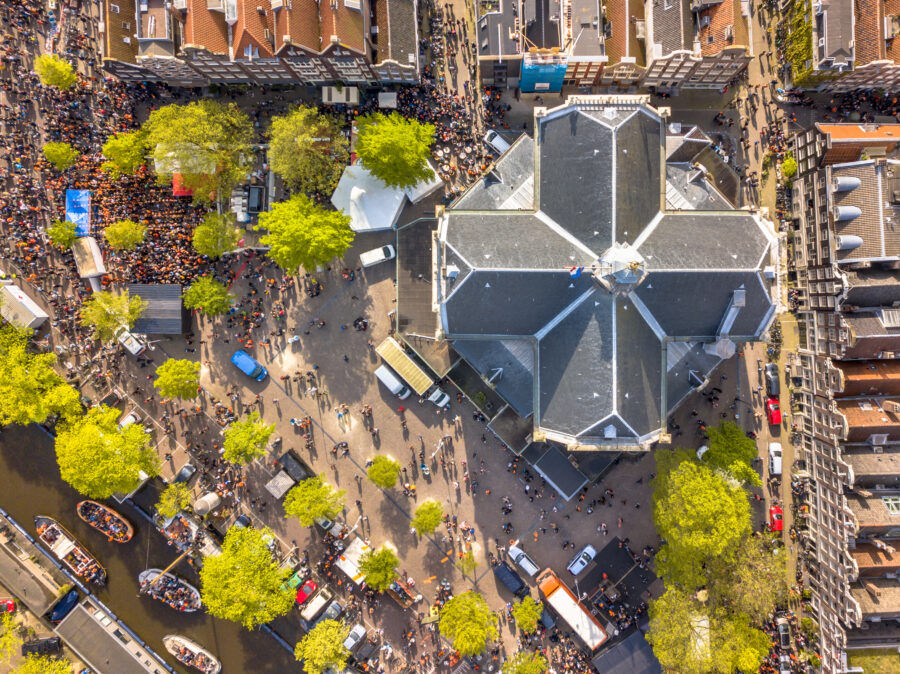
- Legendary for organic fruits, vegetables, cheese, and bread
- Arrive by 10 am for the best selection
- Direct from farmers, zero packaging
- Meals: €5-12
Marqt Supermarkets
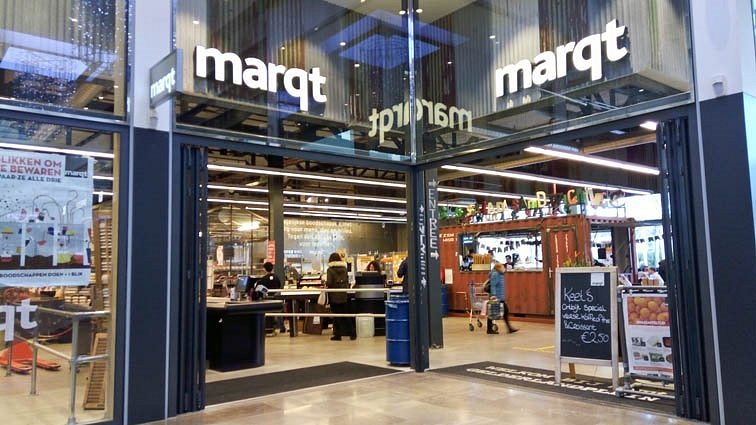
- Exclusively organic and sustainably sourced products
- Hot food counter: €6-10 (perfect for lunch)
- Homemade peanut butter, fresh bread, and local cheese
- Great for picnic provisions
Quick Sustainable Meals
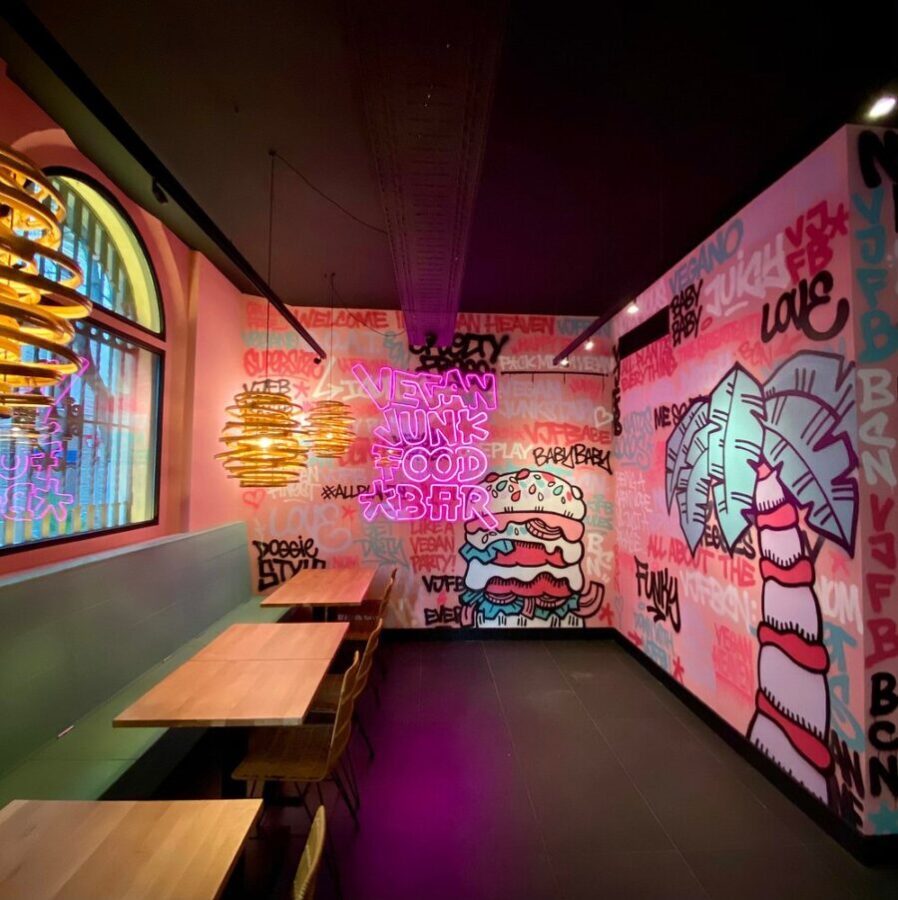
- Vegan Junk Food Bar (multiple locations): Plant-based burgers and bitterballen, €8-12
- Greenwoods Cafés: Organic breakfast and brunch, €10-15
- The Avocado Show: Sustainably sourced avocado dishes, €12-16
Sustainable Dining Price Guide
| Dining Option | Price Range | Sustainability Focus |
|---|---|---|
| De Kas | €55-78 | Garden-to-table, greenhouse dining |
| Café de Ceuvel | €18-24 mains | 100% plant-based, local organic |
| Market meals (Noordermarkt) | €5-12 | Direct from farmers, zero packaging |
| Marqt prepared food | €6-10 | All organic, sustainable sourcing |
| Vegan Junk Food Bar | €8-12 | Plant-based fast food alternative |
Must-Visit Green Spaces and Sustainable Attractions 🌳

Amsterdam’s commitment to green urban living manifests in its parks, gardens, and innovative sustainable projects. These spaces aren’t afterthoughts or tourist attractions—they’re integral to how the city breathes, both literally and figuratively.
De Ceuvel: Sustainable Living Laboratory
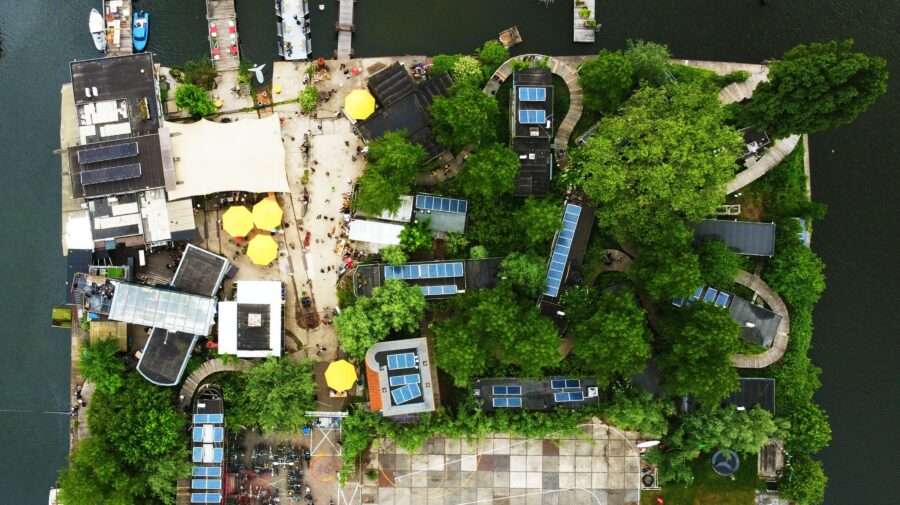
This former shipyard in Amsterdam Noord has been transformed into one of Europe’s most innovative sustainable developments.
What You’ll See:
- Retrofitted houseboats housing creative businesses
- Winding wooden walkways
- Plants actively clean polluted soil through phytoremediation
- Renewable energy operation
- Composting toilets and rainwater collection systems
Visiting:
- Entry: FREE
- Activities: Wander boardwalks, observe enterprises
- Workshops: Regular events on sustainability, urban farming, green technology
- Best Times: Friday evening events, Sunday markets with local makers
How to Experience It:
- Visit during lunch or dinner at Café de Ceuvel
- Check the event calendar for workshops
- Bring a camera for unique architectural photography
Amsterdamse Bos: The City’s Green Lung
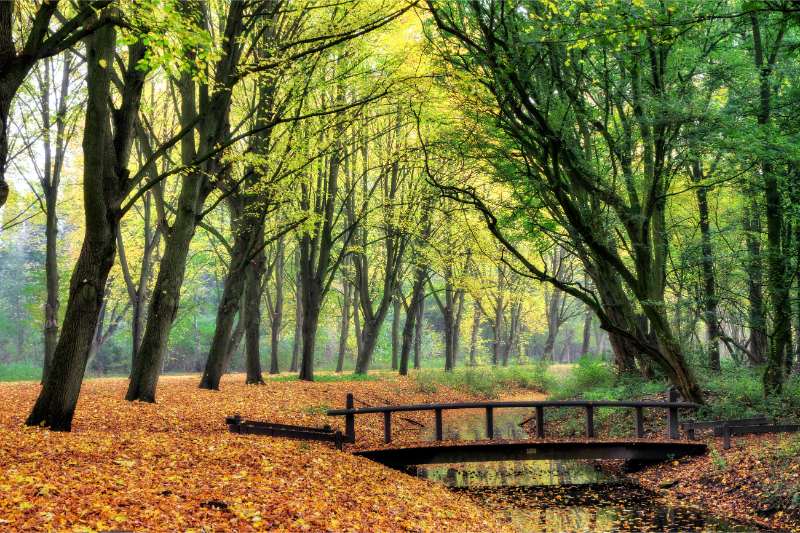
This 1,000-hectare forest park dwarfs Central Park in size. Designed in the 1930s to provide recreation space and improve air quality, it now serves as Amsterdam’s primary carbon sink.
Activities:
- 50+ kilometers of cycling trails
- Rowing lakes
- Swimming beaches
- Boerderij Meerzicht goat farm (farm-fresh stroopwafels and cheese)
- Bosmuseum (explains the forest’s ecological role)
- Spring/summer outdoor theater and concerts
Practical Info:
- Entry: FREE
- Open: 24/7
- Getting There: Tram 5 from Zuid station or bike from the center
Urban Gardens and City Farms
Anna’s Tuin & Ruigte
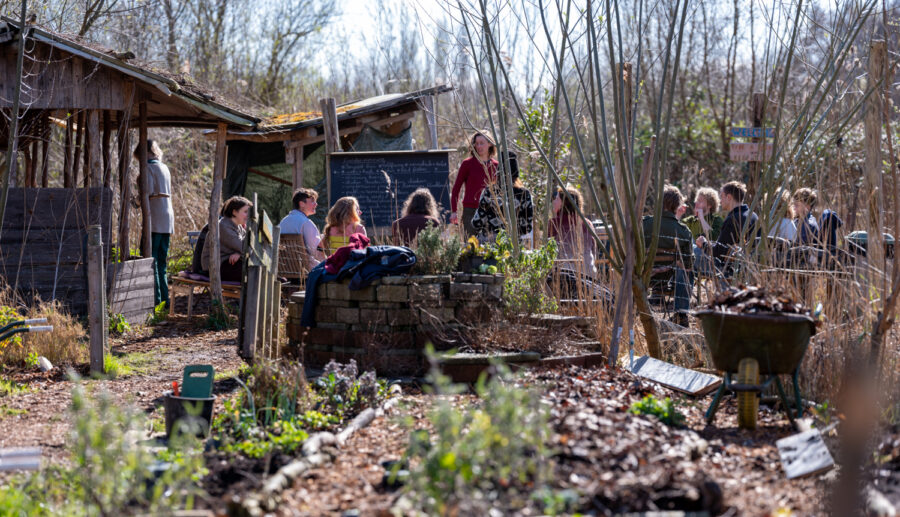
4,000-square-meter garden showcasing permaculture principles in action:
- Demonstrates sustainable food growing in small urban spaces
- Weekend workshops: €25-35 (composting, seed saving, organic pest management)
- Garden open for exploration with informative signs
- Location: Amsterdam’s outskirts
Oost Indisch Groen
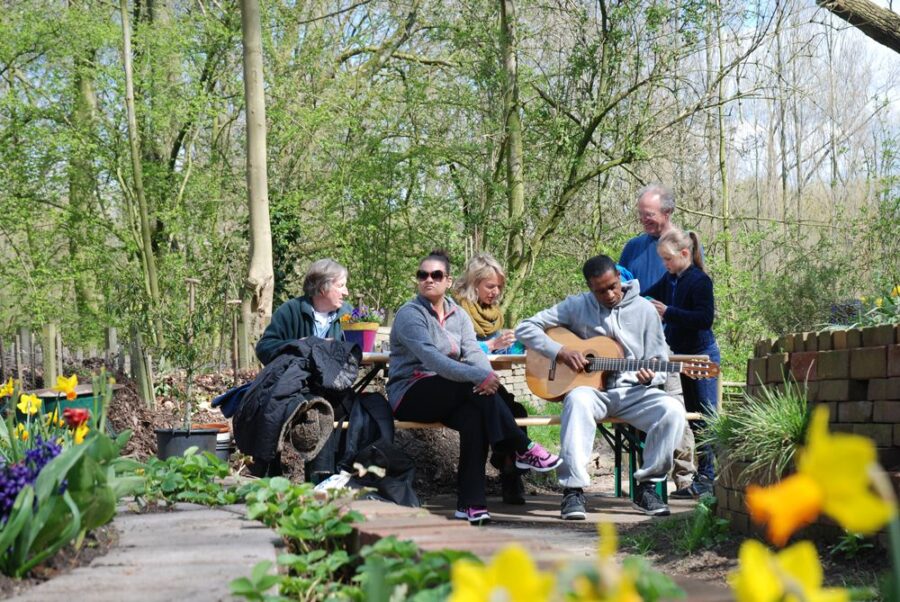
Communal gardens in Amsterdam Oost:
- Walk & Talks: €15-20 (guided tours through neighborhood green spaces)
- Visit rooftop gardens and guerrilla planting projects
- Meet activists transforming concrete into growing space
- Learn about urban agriculture and community organizing
Westerpark Food Forest
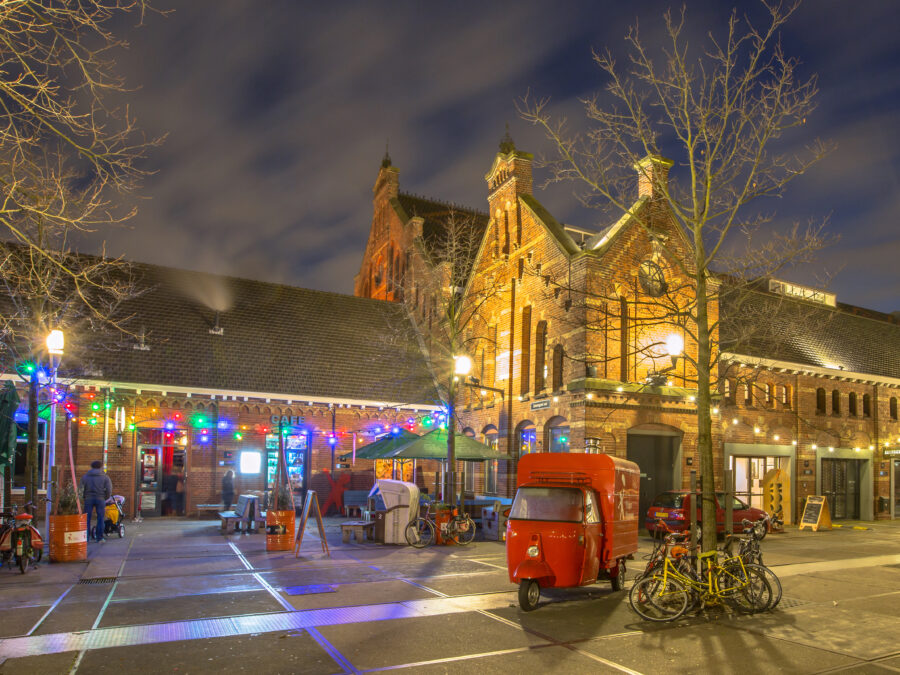
Free guided tours monthly:
- Edible landscaping demonstration
- Produces nuts, fruits, and herbs while improving biodiversity
- Sustainable living workshops (fermentation, natural dyeing)
- Check the park event calendar
Museums with Environmental Focus
Micropia (€16 adults, €14 students)
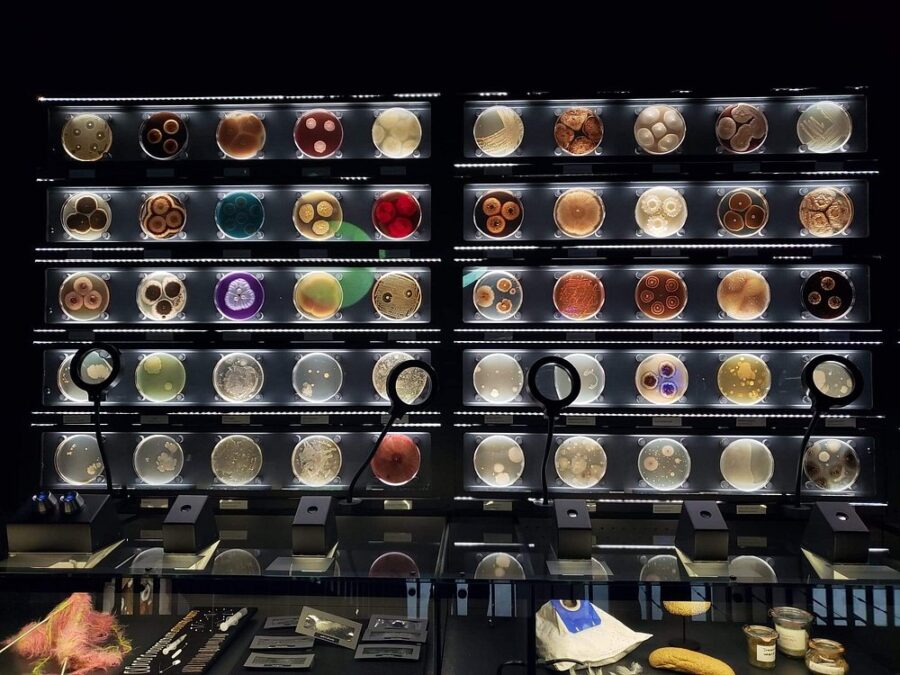
Microbe Museum explains how microorganisms:
- Clean water
- Create soil fertility
- It could solve plastic pollution
- Shifts perspective on nature’s hidden workers
Museum Het Schip (€15 adults, €7.50 students)
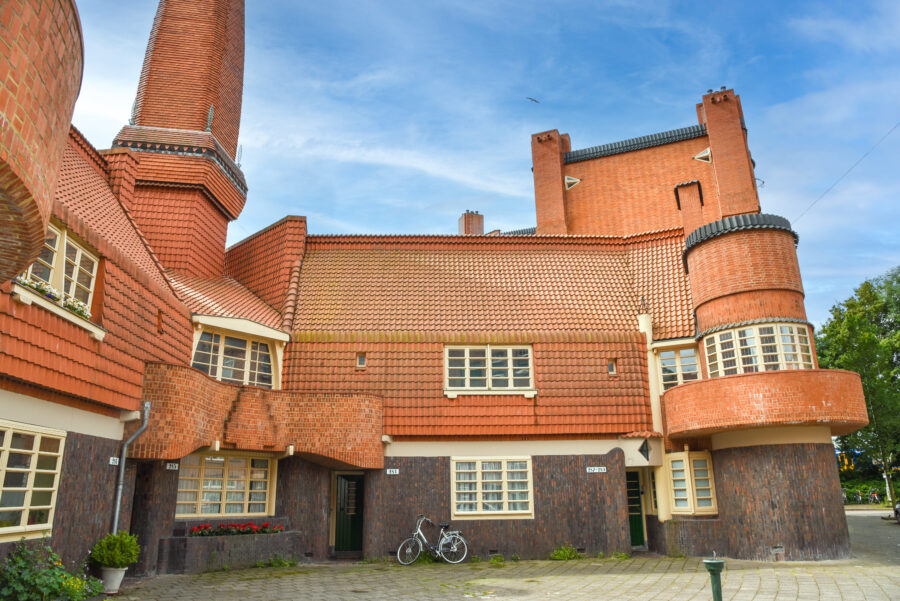
Social housing district museum showing:
- How the Netherlands pioneered affordable, quality housing
- Green space access for working-class families
- Influence on sustainable city design globally
- Beautiful Amsterdam School architecture
See Related: Best Places to Visit in Europe This Year
Sustainable Shopping: Thrift, Vintage, and Zero-Waste 🛍️
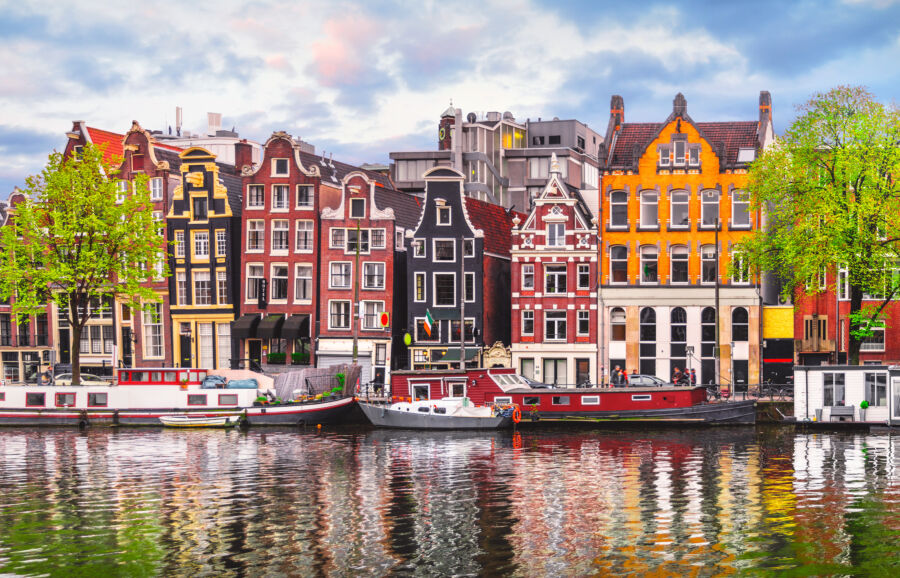
Amsterdam has embraced circular fashion and zero-waste shopping with remarkable enthusiasm. The city’s vintage scene goes far beyond dusty thrift shops—it’s a sophisticated ecosystem of curated secondhand stores, makers’ markets, and zero-waste retailers.
The Ultimate Vintage Experience: IJ-Hallen
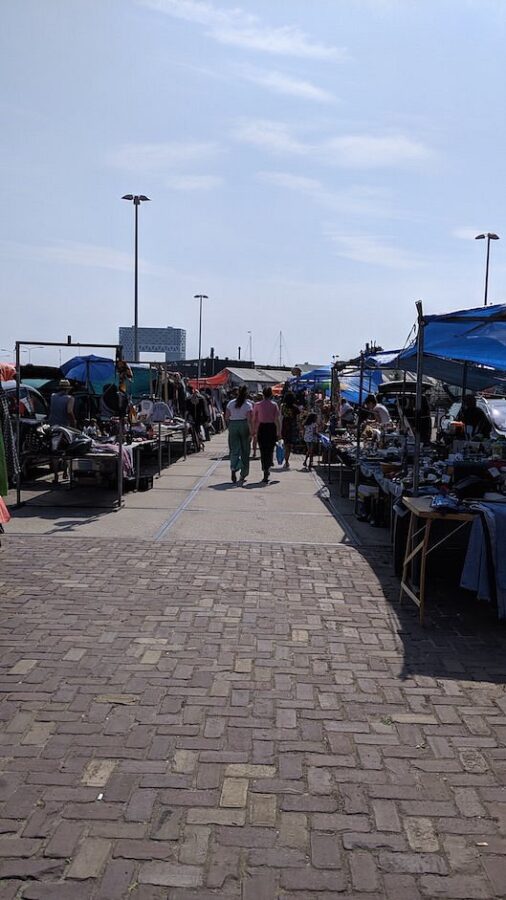
Europe’s largest flea market happens monthly in a massive warehouse in Amsterdam Noord.
Details:
- Over 750 vendors
- Entrance: €5
- One weekend per month (check website for dates)
- Hours: Opens at 9 am (arrive early for first pick)
- What to Find: Vintage clothing, furniture, books, records, curiosities
Tips:
- Dedicate at least 3 hours
- Bring cash (not all vendors accept cards)
- Designer pieces: €10-30
- The furniture section is entertaining, even if you can’t ship home
Curated Vintage in The Nine Streets
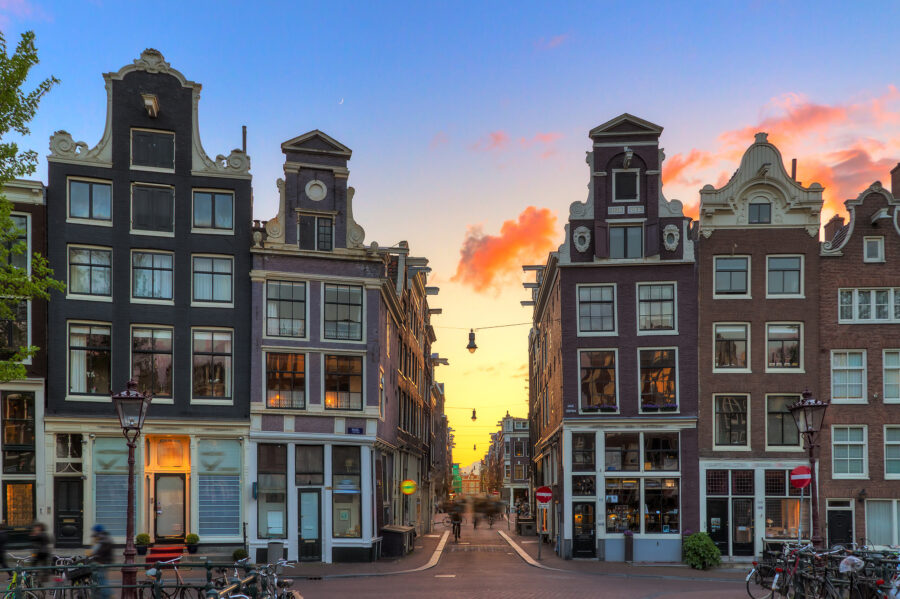
De 9 Straatjes (The Nine Streets) district concentrates dozens of boutiques specializing in carefully selected vintage fashion.
Top Shops:
- Episode (multiple locations): Large-format vintage stores with organized sections
- Laura Dols: Stunning vintage dresses and accessories (1920s-1980s) in a charming canal house
- Zipper & Vintage Matters: 1960s-1990s streetwear and contemporary vintage
Price Range: €25-150 depending on rarity and designer labels
Quality: Curation rivals high-end boutiques—secondhand doesn’t mean second-rate
Zero-Waste Shopping
De Groene Afslag
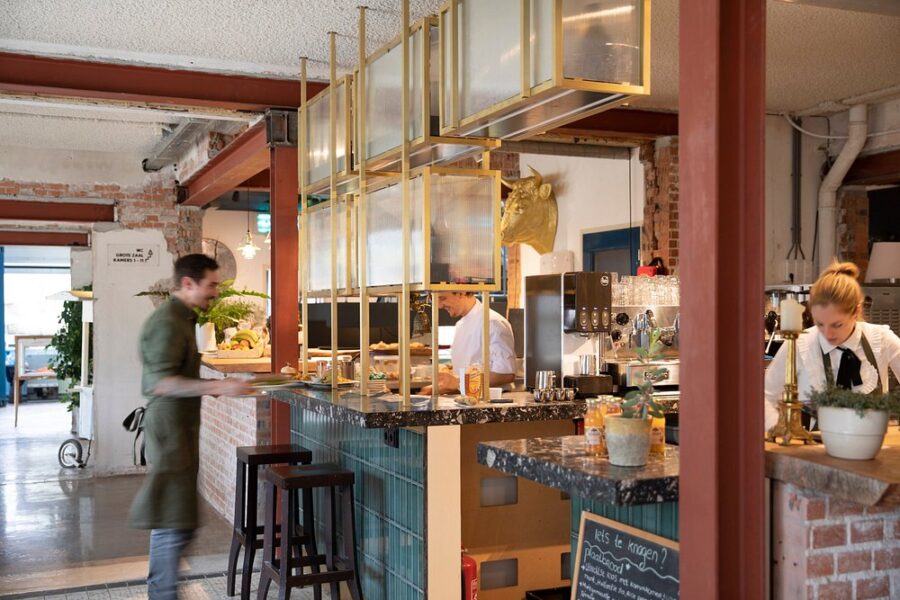
Amsterdam’s largest zero-waste grocery:
- Bring your own containers for grains, nuts, pasta, spices, oils, and cleaning products
- Package-free personal care items
- Reusable household products
- Helpful staff answer questions about reducing waste
Ekoplaza (multiple locations)
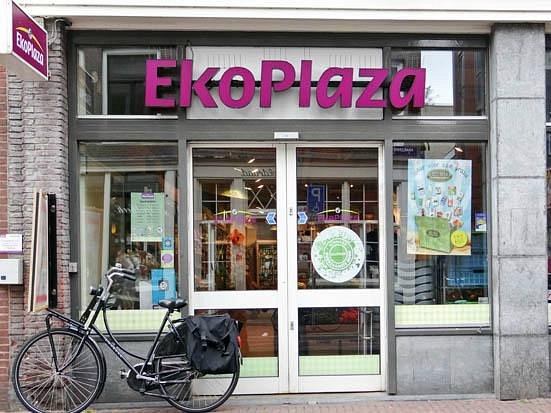
- Dedicated plastic-free sections
- Conventional organic groceries
- Commitment: Plastic-free aisles in all locations by 2026
- Demonstrates that mainstream supermarkets can accommodate zero-waste
Noordermarkt (Saturday mornings)
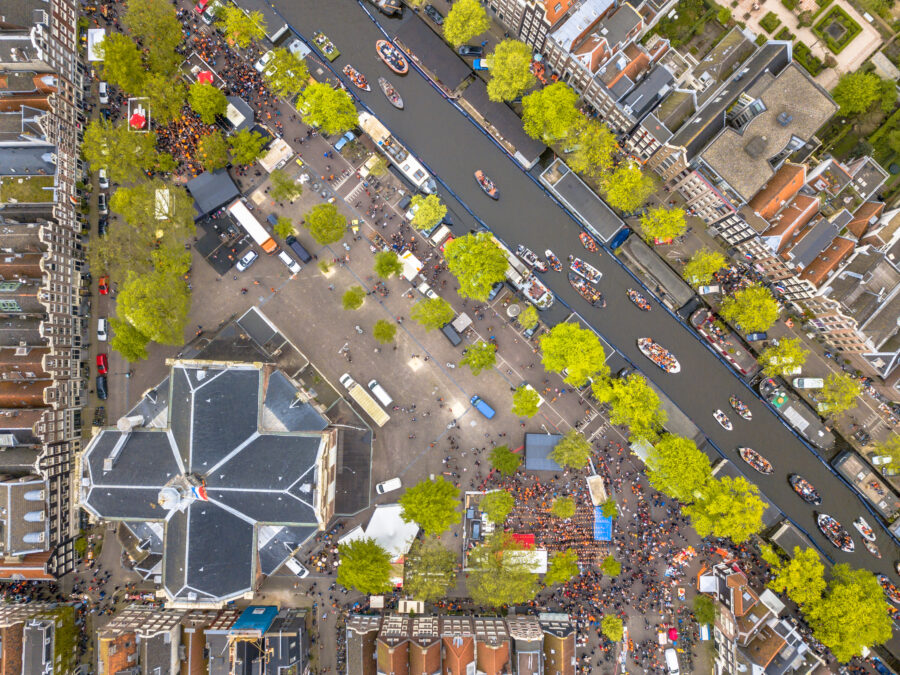
- Connect directly with producers
- Zero packaging
- Bring reusable bags and containers
- Vendors accept returned egg cartons and glass jars for refills
💡 Sustainable Souvenir Strategy: Skip the plastic tulip magnets and wooden clogs. Instead:
- Buy quality vintage Dutch design pieces
- Handmade items from makers’ markets
- Edible souvenirs (local cheese, stroopwafels from markets)
- These create lasting memories without adding to landfills
Practical Cost Breakdown: Sustainable Amsterdam Budget 💰
Contrary to assumptions, traveling sustainably in Amsterdam doesn’t require spending significantly more than conventional tourism. Strategic choices often cost less while reducing environmental impact.
Three-Day Sustainable Amsterdam Budget
| Expense Category | Budget | Mid-Range | Comfortable |
|---|---|---|---|
| Accommodation (per night) | €35-50 | €130-150 | €180-220 |
| Bike rental (3 days) | €36 | €36 | €36 |
| Public transport | €0 (bike only) | €30 (supplement) | €100 (City Card) |
| Meals (per day) | €25-35 | €50-70 | €80-120 |
| Attractions | €15-25 | €40-60 | €80-100 |
| DAILY TOTAL | €75-110 | €210-280 | €340-460 |
Budget Profiles Explained
Budget Sustainable Traveler (€75-110/day):
- Stay at Ecomama hostel
- Cycle everywhere
- Buy breakfast and lunch ingredients from Noordermarkt
- Cook dinner
- Visit free attractions (De Ceuvel, Amsterdamse Bos)
- Splurge on Museum Card (€65 for unlimited year-long access)
Mid-Range Sustainable Traveler (€210-280/day):
- Book Conscious Hotel
- Cycle for most transport, with occasional trams
- One restaurant meal daily plus market lunches
- Visit 1-2 paid attractions daily
- Enjoy an electric canal tour
- Shop vintage stores
Comfortable Sustainable Traveler (€340-460/day):
- Stay at Hotel Jakarta or BOAT&CO
- Purchase I Amsterdam City Card
- Dine at De Kas and upscale sustainable restaurants
- Take multiple tours
- Shop curated vintage boutiques
Common Sustainable Travel Mistakes to Avoid ⚠️
Even well-intentioned travelers can undermine their sustainable goals through common oversights. Here are the biggest pitfalls and how to avoid them.
Mistake #1: Concentrating Only on the Overcrowded Center
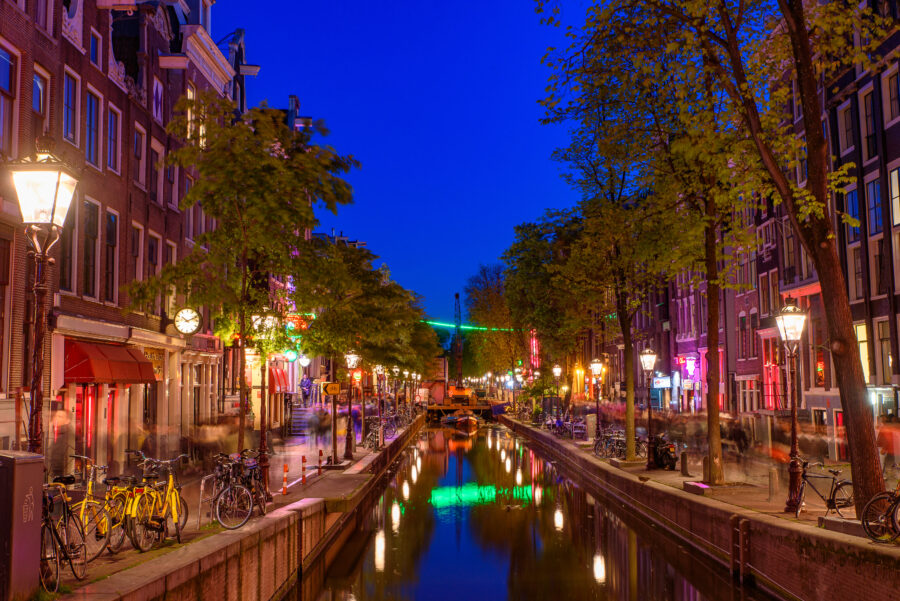
The Problem: The area bounded by Centraal Station, Museumplein, and the Red Light District suffers from severe overtourism. By exclusively visiting these zones, you contribute to resident displacement, infrastructure strain, and environmental degradation.
The Irony: Amsterdam’s most authentic sustainable initiatives exist in outer neighborhoods—Noord, Oost, and West.
The Solution:
- Dedicate at least half your time to neighborhoods beyond the canal ring
- Take the free ferry to Noord for De Ceuvel and food markets
- Cycle to Oost for Frankendael Park and community gardens
- Explore West for Westerpark and Foodhallen
- Experience genuine Amsterdam while distributing tourism impact fairly
Mistake #2: Falling for “Greenwashing” Tours and Hotels
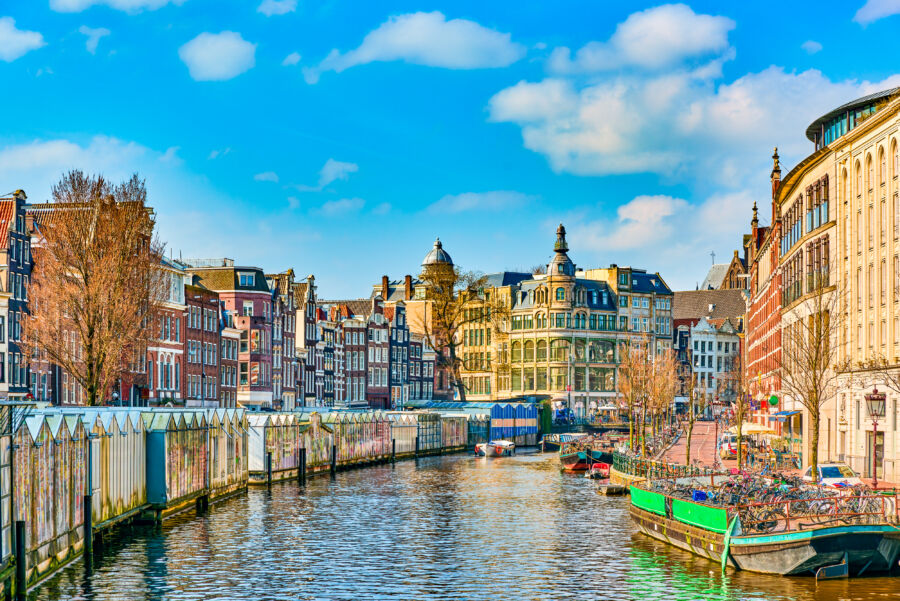
The Problem: Many businesses slap “eco” or “sustainable” labels on conventional offerings without substantive environmental practices. A hotel touting “green” credentials solely because it asks you to reuse towels isn’t truly sustainable.
The Solution:
- Look for specific certifications: Green Key Gold, EU Ecolabel, B Corp status
- Ask direct questions about energy sources, waste management, and supply chains
- Genuine sustainable businesses proudly detail practices and welcome scrutiny
- When booking tours, verify electric boats or bicycles
Mistake #3: Ignoring the Plastic Water Bottle Problem

The Problem: Amsterdam’s tap water ranks among Europe’s cleanest and tastiest, yet tourists still buy bottled water. This single-use plastic wastes money and contradicts sustainable principles.
The Solution:
- Bring a reusable water bottle or buy one on arrival (€8-15)
- Fill at the accommodation, restaurants, or public fountains
- Dutch restaurants must provide free tap water if requested
- Saves €3-5 daily while eliminating significant plastic waste
Mistake #4: Renting Cars or Taking Taxis

The Problem: Some visitors rent cars, thinking they’ll explore beyond Amsterdam more easily. Reality: Cars create unnecessary emissions, parking costs €4-6 hourly, and streets weren’t designed for automobiles.
The Solution:
- Master bike and tram system for Amsterdam proper
- Take regional trains for day trips (Haarlem, Zaanse Schans, Keukenhof)
- Long-distance buses (FlixBus) run on biodiesel for inter-city travel
- Far less stressful than driving
Mistake #5: Visiting During Peak Tulip Mania

The Problem: Keukenhof tulip garden (mid-March to mid-May) attracts over a million visitors annually. Crowds create massive carbon footprints from tour buses, traffic jams, and overwhelmed infrastructure.
The Solution:
- Visit independent bulb fields by bicycle instead
- Bollenstreek region (between Leiden and Haarlem) explodes with color
- Accessible via regional trains and bikes
- More flowers, fewer crowds, zero entrance fee
Extended Sustainable Amsterdam: Sample Itineraries 📅

Longer visits allow deeper immersion in Amsterdam’s sustainable lifestyle beyond surface-level tourism. These itineraries balance iconic experiences with genuine local engagement.
Four-Day Sustainable Exploration
Day 1: Introduction to Green Amsterdam
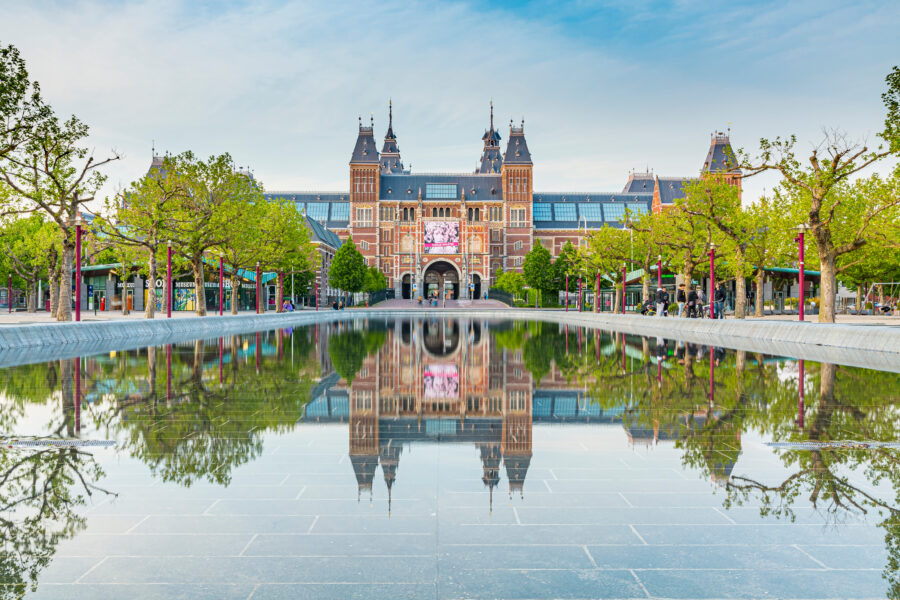
- Morning: Pick up bike rental, cycle the canal ring to get oriented. Coffee at Conscious Hotel Museum Square.
- Afternoon: Visit the Rijksmuseum using the I Amsterdam City Card
- Evening: Dinner at Vegan Junk Food Bar, explore Vondelpark at sunset
Day 2: Amsterdam Noord Adventure
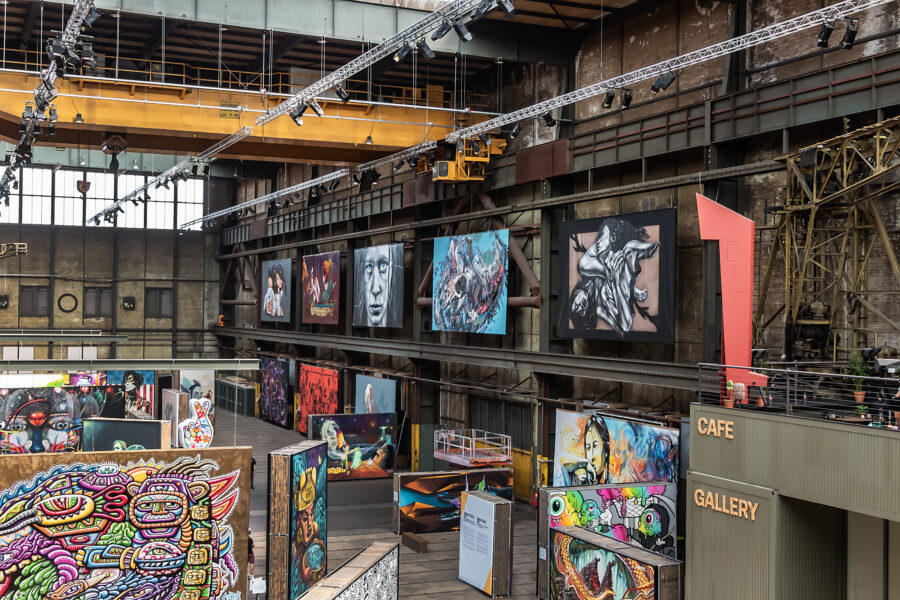
- Morning: Free ferry to Noord, cycle to De Ceuvel for coffee and site exploration
- Late Morning: Food market at Noord (Saturday only) or NDSM creative space
- Afternoon: Lunch at Café de Ceuvel, explore Noord’s street art and waterfront
- Evening: Canal cruise with Plastic Whale
Day 3: Markets and Green Spaces
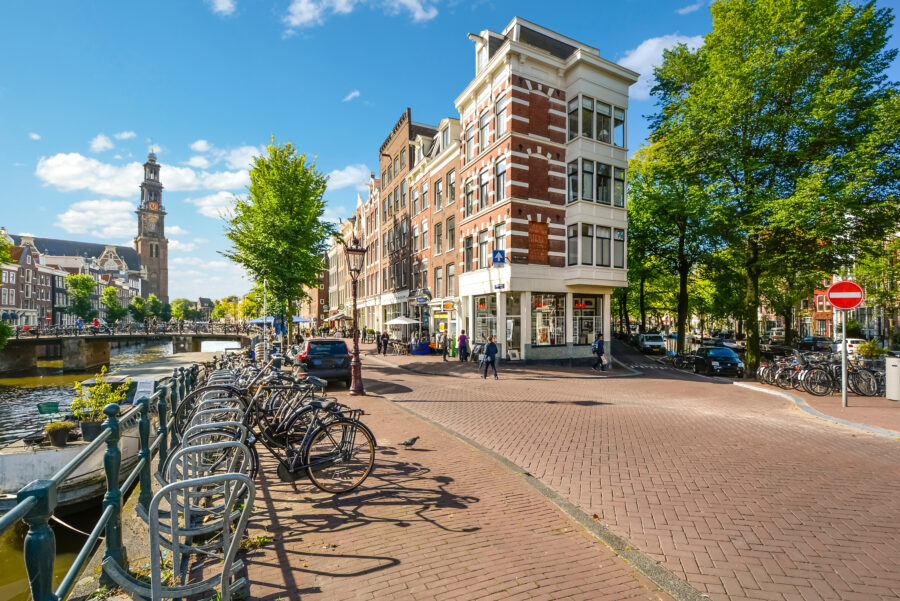
- Morning: Early arrival at Noordermarkt for organic produce. Breakfast at the market.
- Late Morning: Explore the Jordaan neighborhood’s vintage shops
- Afternoon: Cycle to Amsterdamse Bos with picnic lunch. Hike/cycle forest trails.
- Evening: Restaurant dinner at De Kas (booking required)
Day 4: Urban Sustainability Deep Dive
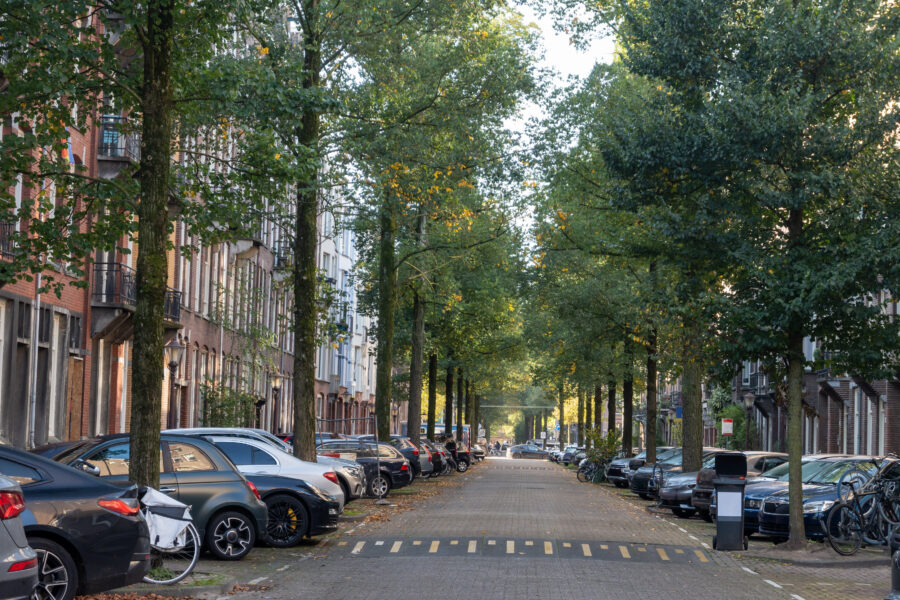
- Morning: Guided tour with Oost Indisch Groen of community gardens
- Lunch: Self-catered from Marqt organic supermarket
- Afternoon: Visit Micropia museum
- Evening: Cooking workshop at sustainable culinary school or explore Westerpark events
One-Week Sustainable Deep Dive
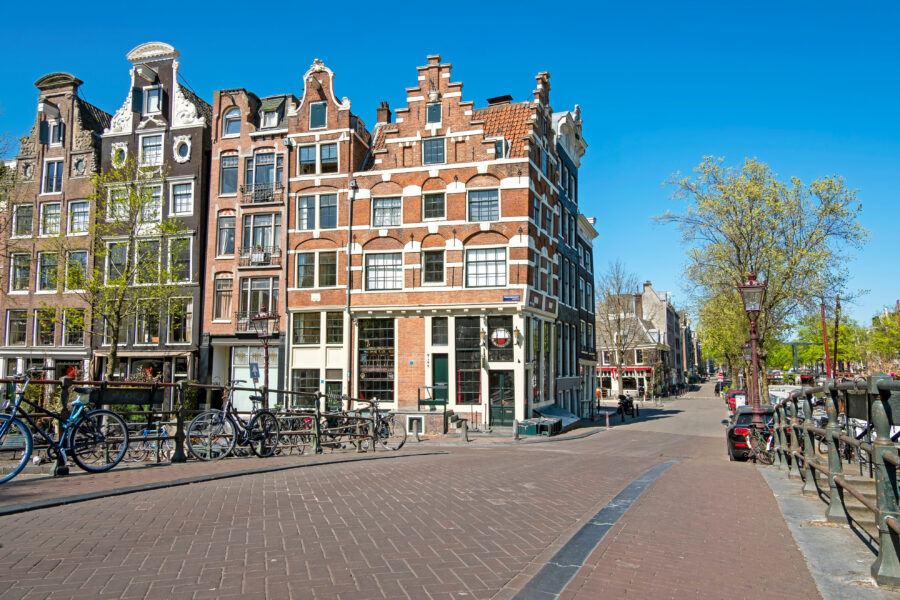
Add these experiences to the four-day itinerary:
Day 5: Learn and Create

- Full-day workshop at Anna’s Tuin & Ruigte (permaculture, composting, seed saving)
- Hands-on experiences provide practical knowledge to apply at home
- Pack lunch
- Evening: Cook dinner with workshop ingredients
Day 6: Day Trip by Train
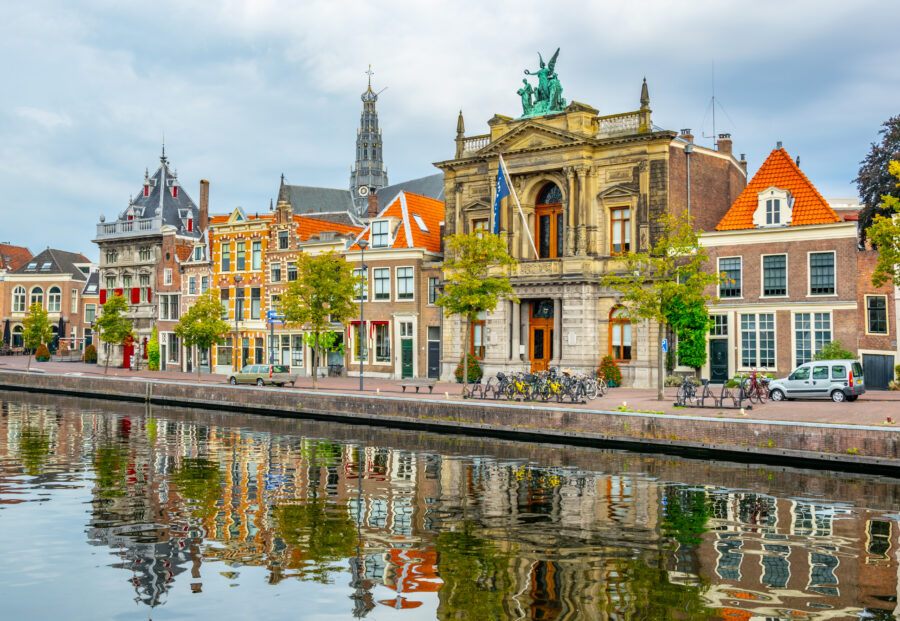
Sustainable excursion to Haarlem (15 minutes by train):
- Explore vintage shops
- Cycle to Zandvoort beach (45 minutes)
- Visit Teylers Museum
- Bring bikes on the train (€6.90 supplement) or rent upon arrival
Day 7: Integration and Reflection
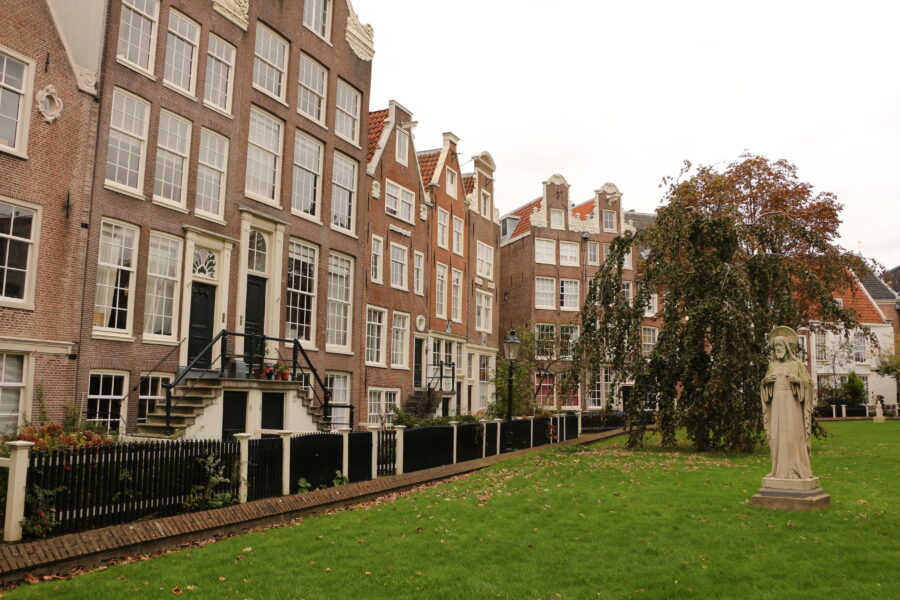
Spend the day like a resident:
- Morning market shopping
- Cycling to the park with a book
- Preparing a meal from market finds
- Evening at the neighborhood café
- Attend the event at Pakhuis de Zwijger for urban sustainability discussions
- Integrate the week’s learning into sustainable living patterns
See Related: The Top Vacation Spot in the World: Discover the Ultimate Destination
Getting to Amsterdam Sustainably 🚂
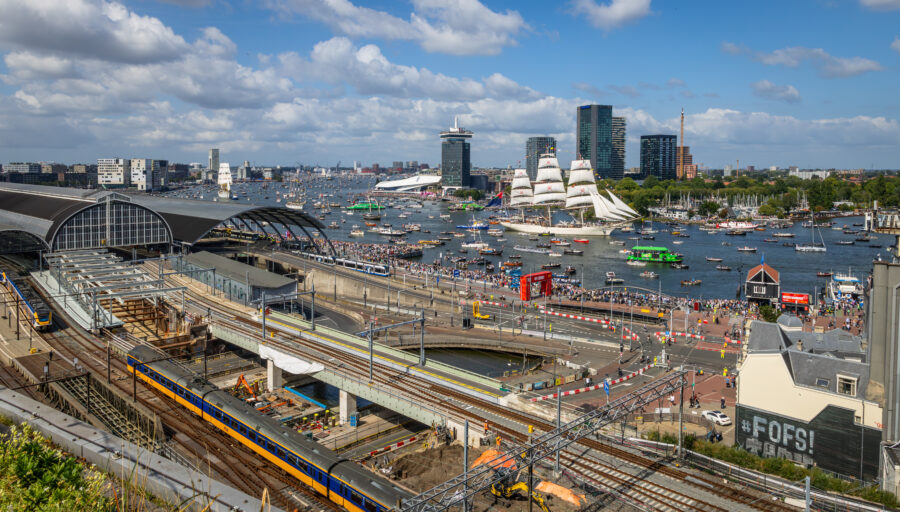
Your carbon footprint begins before you even arrive. Transportation to Amsterdam significantly impacts your trip’s overall sustainability.
From Europe: Choose Trains Over Flights
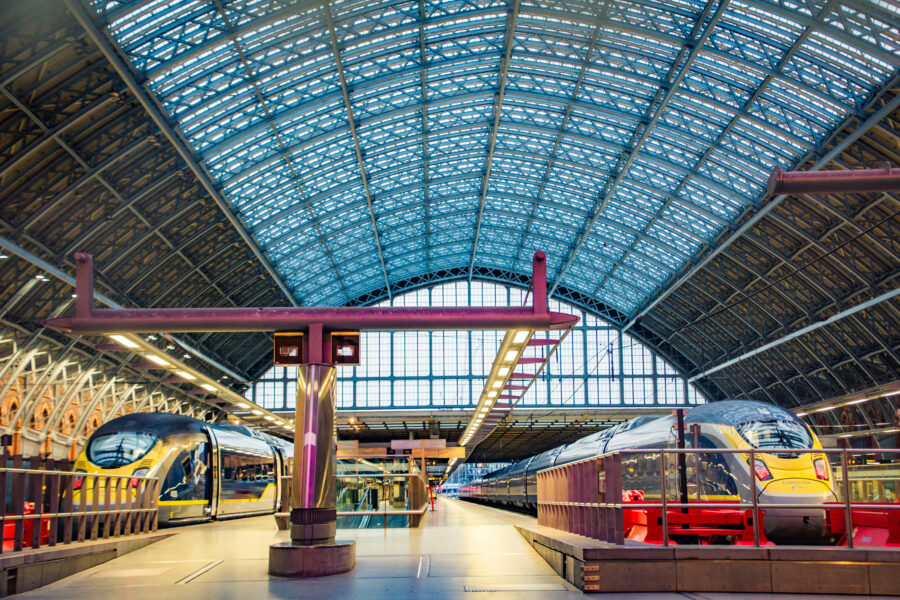
Amsterdam’s Centraal Station connects to an extensive European rail network. High-speed trains make flying domestically within Europe increasingly indefensible environmentally.
Direct Connections:
- London: Eurostar (4 hours) – Classic sustainable route via Channel Tunnel
- Paris: Thalys (3h 20min) – Comfortable high-speed with power outlets
- Brussels: 2 hours on frequent Thalys or IC trains
- Berlin: 6h 30min on ICE trains – Longer but scenic
- Frankfurt: 4 hours on ICE – Major German connection hub
- Cologne: 2h 45min – Popular weekend trip route
Booking Tips:
- Use Trainline or Omio for price comparisons
- Book 6-12 weeks in advance for competitive prices
- Night trains from Munich, Vienna, and Zurich save accommodation costs
From Further Afield: Offset What You Can’t Avoid

If traveling from North America, Asia, or beyond, flights become unavoidable. Minimize impact through strategic choices:
Flight Tips:
- Direct flights produce fewer emissions than connections
- Economy class has a smaller carbon footprint per passenger
- KLM operates a modern, fuel-efficient fleet with direct offset programs
Better Offset Options:
- Gold Standard verified carbon reduction projects
- Atmosfair renewable energy projects in developing countries
- More effective than airline offset programs
Trip Length Consideration:
- From Australia? Stay 2-3 weeks to justify carbon cost
- Short-haul flights for weekend breaks can’t be rationalized
- Save those for train-accessible destinations
Beyond Amsterdam: Sustainable Day Trips 🚴
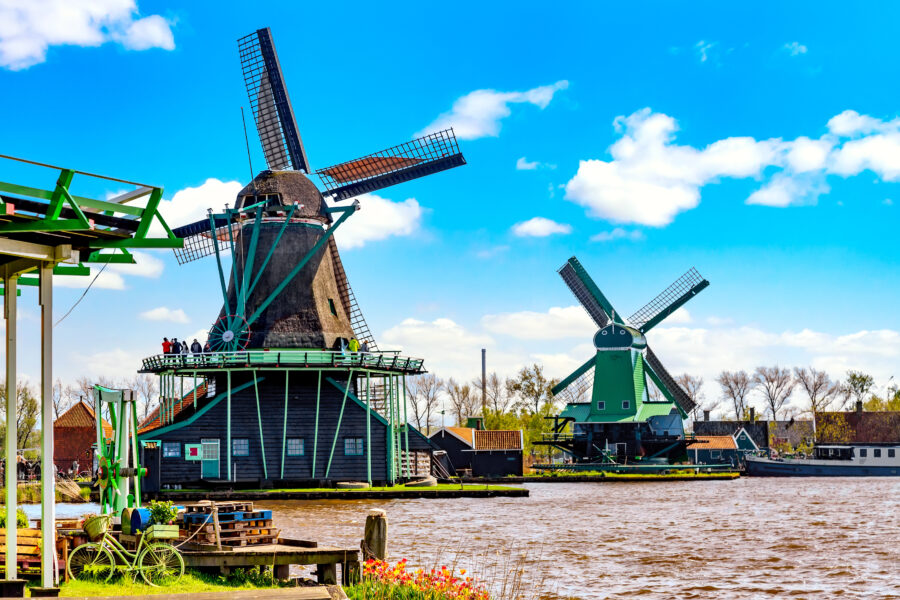
Amsterdam’s central location and excellent rail connections make sustainable day trips effortless.
Haarlem: Mini Amsterdam Without the Crowds
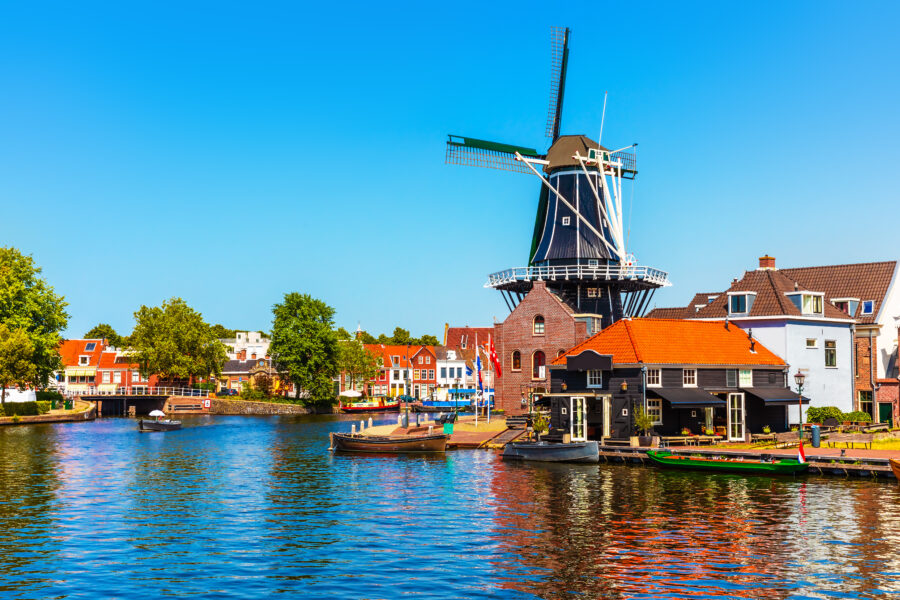
Distance: 15 minutes by train (€6 return with off-peak discount)
What to See:
- Historic center with canal architecture minus overtourism
- Teylers Museum (€14) – Netherlands’ oldest museum
- Saturday market rivals Amsterdam’s with better prices
- Cycle to Zandvoort or Bloemendaal aan Zee beaches (30-45 minutes)
- North Sea views and dune nature reserves
Zaanse Schans: Windmills by Bike
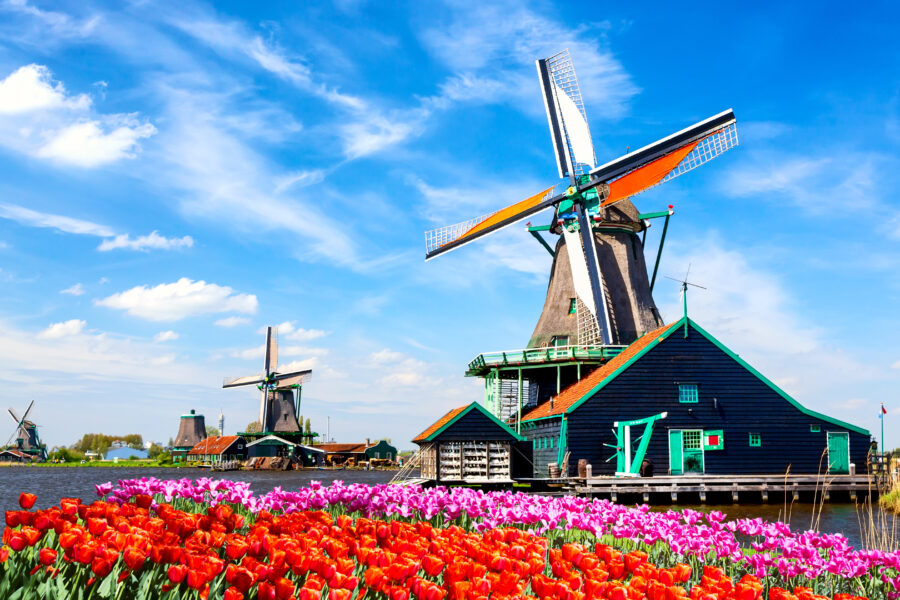
Distance: 20km from Amsterdam Noord (90 minutes cycling each way)
Why Bike Instead of Bus:
- Scenic riverbanks and working farms
- Arrive before tour bus crowds (before 10 am or after 4 pm)
- Experience an authentic route through the countryside
What to See:
- Windmill village (FREE to explore)
- Individual windmill entries €4-6
- Traditional Dutch crafts (cheese making, clog carving, mustard grinding)
- Working facilities rather than museum reconstructions
Waterland Region: Old Holland by Bike
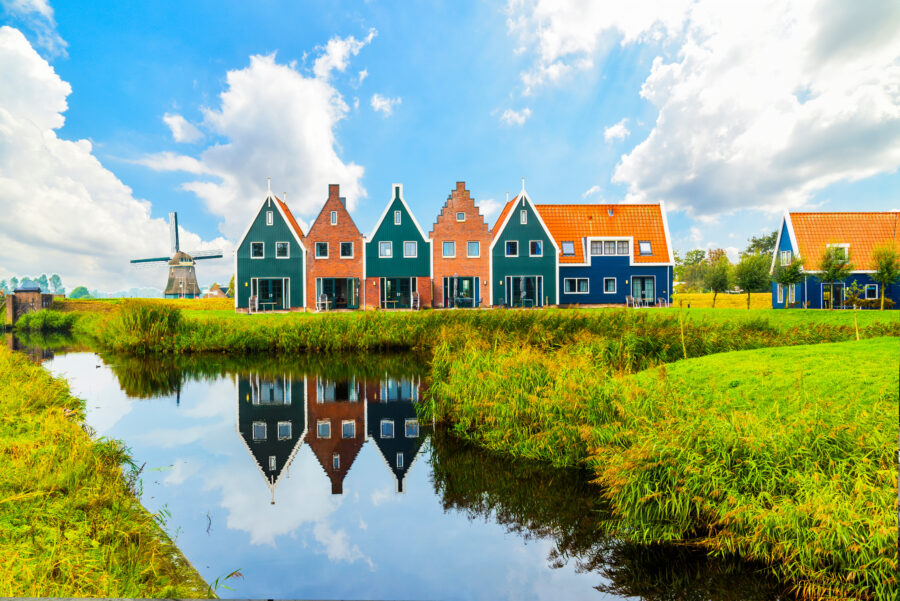
- Route: 40km loop through quintessential Dutch landscape
- Starting Point: Free ferry to Noord from Centraal Station
- Villages: Broek in Waterland, Monnickendam, Volendam
What to Expect:
- Dikes, polders, and tiny villages
- Virtually no car traffic
- Entirely flat terrain
- Picnic spots beside canals and lakes
- Fresh fish in Volendam
- Return via Marken island or bus from Volendam (bikes allowed, €2 supplement)
Final Thoughts: Your Sustainable Amsterdam Journey 🌍
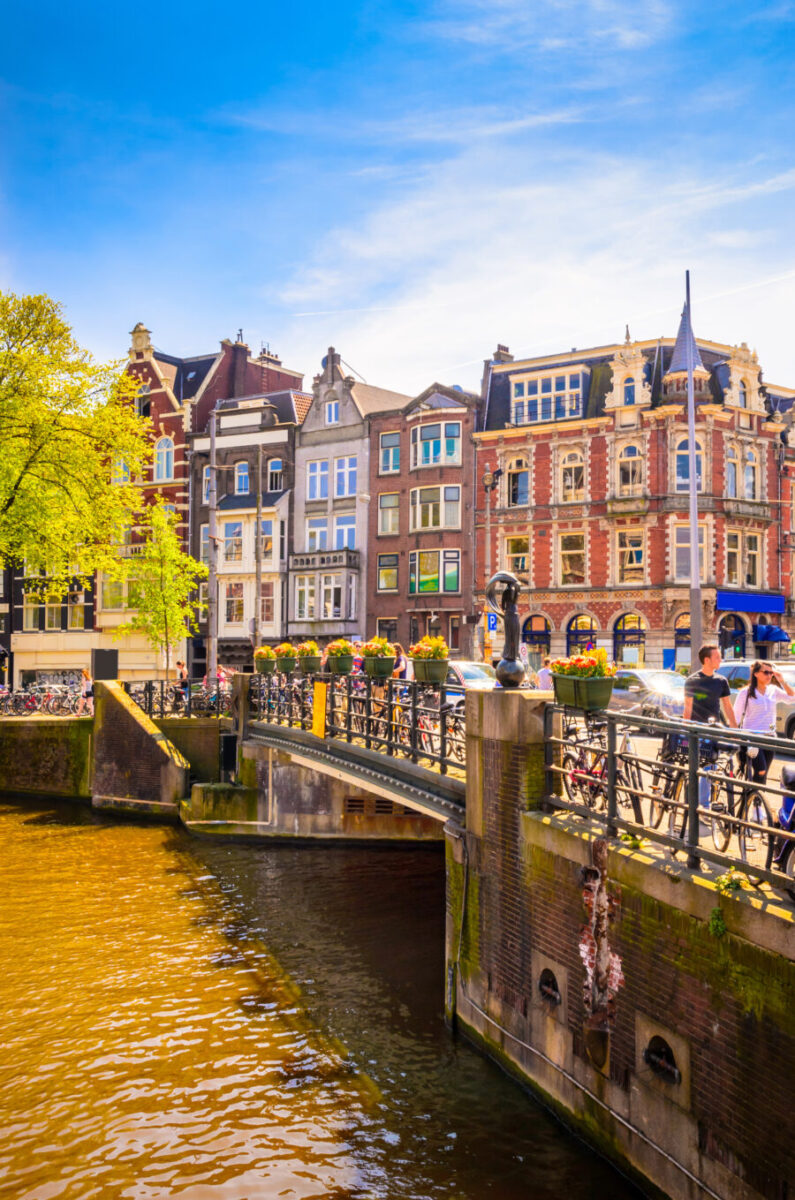
Amsterdam’s evolution into Europe’s greenest capital isn’t complete—it’s an ongoing transformation you witness in real-time. Construction cranes installing solar panels, new protected bike lanes appearing on old streets, neighborhood initiatives greening concrete corners: the city constantly refines its sustainability practices.
You’re Not Just Observing—You’re Participating
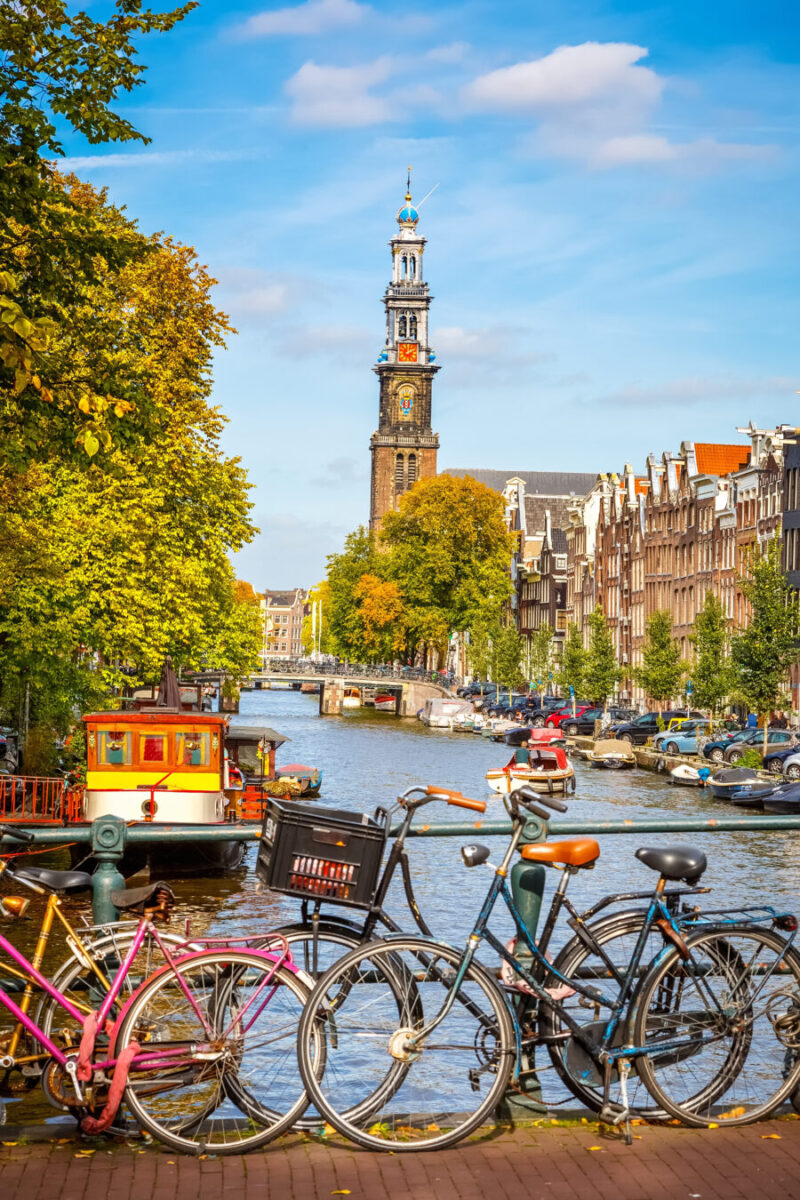
Every choice you make sends market signals:
- Each meal at a farm-to-table restaurant supports local agriculture
- Every bicycle ride demonstrates demand for non-car infrastructure
- Each night at a green-certified hotel validates sustainable hospitality models
- Your plastic-free shopping proves tourists care about reducing waste
These individual choices aggregate into signals that accelerate Amsterdam’s green transition.
The Most Valuable Souvenir
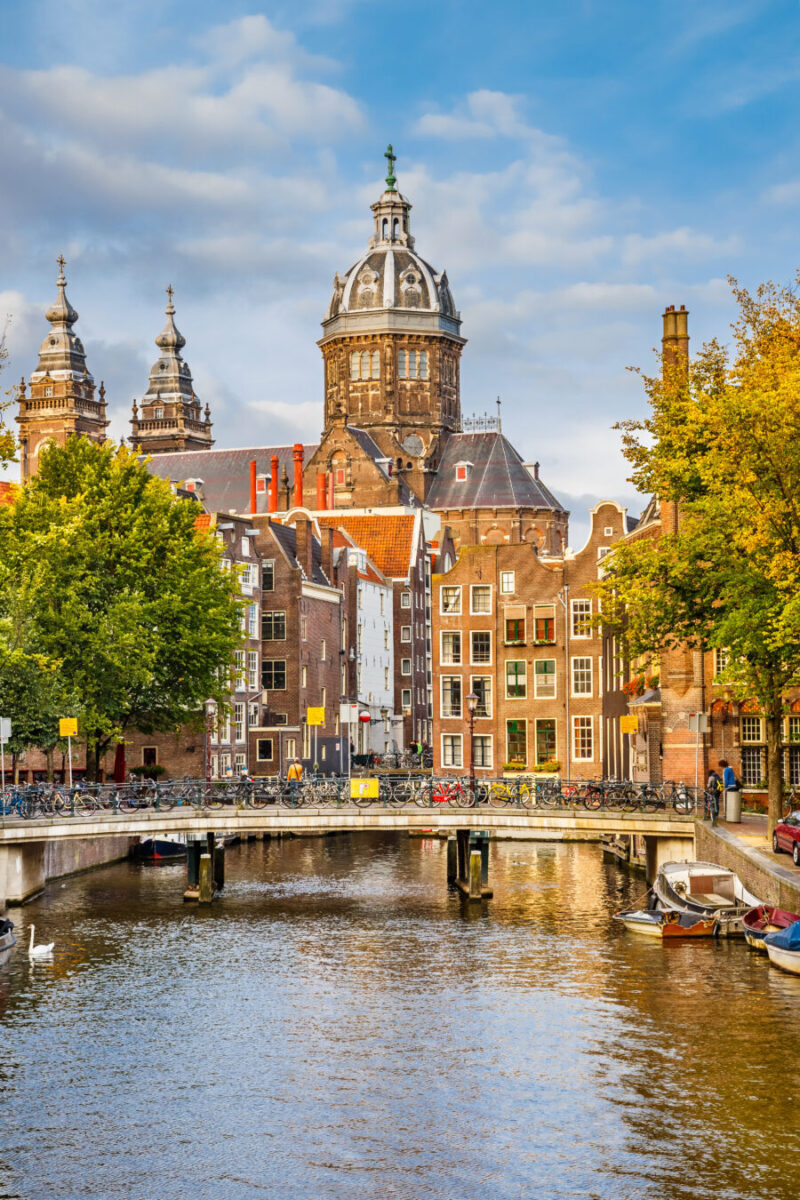
The most valuable takeaway from sustainable Amsterdam isn’t a wooden clog or cheese wheel—it’s the inspiration to implement what you’ve learned at home:
- Bike infrastructure shows cities needn’t be car-dependent
- Zero-waste shops prove plastic isn’t necessary
- Urban gardens demonstrate that food can grow in unexpected places
- Community initiatives showing residents can reclaim public space
Amsterdam’s sustainable innovations are designed to be replicated, not just admired.
Making It Last
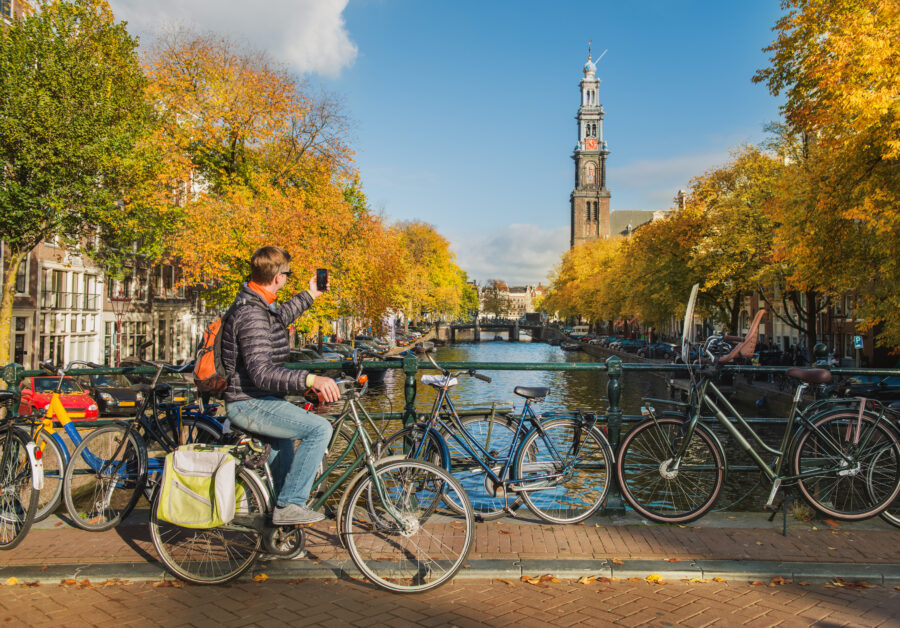
So cycle those canal paths until you navigate them instinctively. Explore those neighborhood markets until vendors recognize you.
Linger in those green spaces until you understand why parks matter for urban mental health. Engage with locals, building a more sustainable city, and ask how their lessons apply to your hometown.
This is how travel becomes truly transformative—not by collecting destinations, but by absorbing ideas that reshape how you live long after you’ve returned home. Amsterdam proves that sustainability and quality of life aren’t opposing forces—they’re complementary visions of urban living at its best.
By visiting consciously, you help demonstrate that tourism can enhance rather than degrade the places we love. That’s a revolution worth joining, one bicycle ride at a time.
🌍 Take It Home: Before leaving Amsterdam, write down three sustainable practices you observed that you’ll implement at home—whether that’s cycling more, shopping at farmers’ markets, or reducing single-use plastics. Sustainable travel’s greatest impact happens when it inspires lasting change beyond your trip.
Essential Resources for Sustainable Amsterdam Travel
- I Amsterdam Official Site: www.iamsterdam.com – Comprehensive city information and sustainable walking routes
- Conscious Hotels: conscioushotels.com – Book Green Key Gold certified accommodation
- GVB Public Transport: en.gvb.nl – Plan routes and check schedules
- Plastic Whale: plasticwhale.com – Book plastic fishing canal tours
- De Ceuvel: deceuvel.nl/en – Events calendar and cafe information
- Amsterdam Sustainability: City sustainability initiatives
Have you experienced sustainable Amsterdam? Share your favorite green spots and eco-friendly tips in the comments below. Let’s build a community of conscious travelers making a positive impact on this incredible city!
📌 Save this guide to Pinterest for your trip planning!