
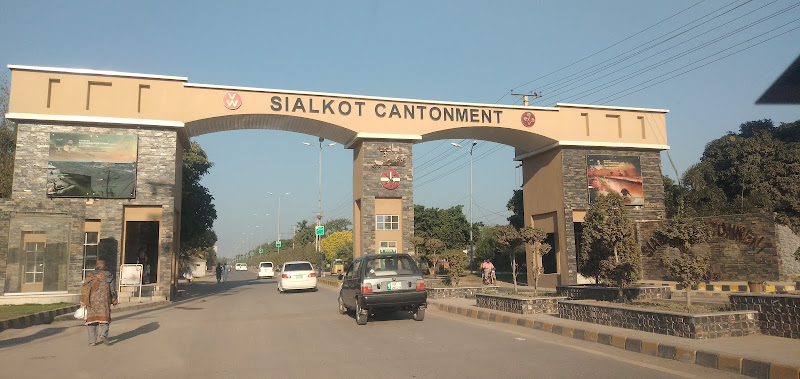
Sialkot Cantonment
About Sialkot Cantonment
Description
Sialkot Cantonment represents a fascinating slice of military heritage in Pakistan's Punjab province, sitting alongside one of the country's most industrious cities. I've always found military cantonments to possess this peculiar blend of order and history that makes them genuinely intriguing destinations for travelers who want to venture beyond the typical tourist circuits. And Sialkot Cantonment doesn't disappoint in this regard. The cantonment was established during the British colonial era, which means you're walking through spaces that have witnessed over a century of South Asian history unfold. It's not just about military installations though - the area has evolved into a well-planned community with tree-lined avenues, colonial-era architecture, and a distinct character that sets it apart from the bustling commercial center of Sialkot proper. The contrast is actually quite striking when you cross from the city's famous sports goods markets into the cantonment's more measured pace. What makes Sialkot Cantonment particularly interesting is how it maintains its historical significance while serving modern military purposes. You'll notice the meticulous upkeep of public spaces, the disciplined layout of streets, and buildings that tell stories from different eras of Pakistan's military history. The cantonment serves as both a functional military establishment and a residential area where military families live alongside civilians in designated zones. For travelers interested in military history or colonial architecture, this place offers insights you won't find in guidebooks. I remember speaking with a local who explained how the cantonment's layout follows classic British military planning principles - something that becomes obvious once you start exploring. The wide roads, strategically placed parks, and the geometric precision of neighborhood planning all reflect that colonial legacy.Key Features
The distinctive characteristics of Sialkot Cantonment make it worthy of exploration for discerning travelers:- Colonial-era military architecture that showcases British engineering and design principles from the late 19th and early 20th centuries
- Well-maintained public parks and green spaces that provide peaceful retreats within the cantonment boundaries
- Historic military buildings that have been preserved and continue serving administrative functions
- The cantonment cemetery containing graves of military personnel from various periods, offering poignant historical insights
- Tree-lined avenues featuring mature trees planted decades ago, creating natural canopies throughout residential areas
- A distinct architectural style in residential quarters that differs markedly from typical Pakistani urban housing
- Military parade grounds and training facilities that occasionally host public ceremonies and events
- Churches and places of worship built during the colonial period that remain active today
- The cantonment board offices housed in heritage buildings that exemplify administrative architecture from the Raj era
- Organized shopping areas and bazaars that serve the cantonment community with a different atmosphere than Sialkot's commercial districts
Best Time to Visit
Timing your visit to Sialkot Cantonment requires understanding Punjab's sometimes extreme climate. The region experiences scorching summers and chilly winters, so choosing wisely makes all the difference between an enjoyable exploration and an uncomfortable ordeal. October through March represents the ideal window for visiting. During these months, temperatures range from pleasantly cool to moderately warm, making walking tours of the cantonment's historical sites actually enjoyable. I'd particularly recommend November and February - you'll find clear skies, comfortable daytime temperatures hovering around 20-25 degrees Celsius, and cooler evenings that make outdoor exploration pleasant. Winter mornings in the cantonment have this crisp quality that's perfect for photography. The low-angled sunlight illuminates the colonial buildings beautifully, and the fog that sometimes settles over the area creates an almost ethereal atmosphere. But be warned - December and January can get quite cold, especially during early mornings and evenings, so pack accordingly. Spring months of March and early April offer another excellent option. The cantonment's parks and green spaces come alive with flowering plants, and the weather remains comfortable before summer's heat descends. You'll see families enjoying outdoor spaces, and the general atmosphere feels more lively. Avoid visiting between May and August unless you have a particular tolerance for heat and humidity. Temperatures can soar above 40 degrees Celsius, and the humidity makes outdoor activities genuinely challenging. Monsoon rains arrive in July and August, which can disrupt travel plans and make exploring on foot difficult. The cantonment occasionally hosts military ceremonies and events, particularly around Pakistan's national holidays in March and August. If you're interested in witnessing military traditions, planning around these dates could enhance your visit, though access to certain areas might be restricted during such occasions.How to Get There
Reaching Sialkot Cantonment is relatively straightforward, though it requires some planning depending on your starting point. Sialkot International Airport, Pakistan's first privately-owned public airport, sits about 15 kilometers from the cantonment area. This airport handles both domestic and international flights, making it a convenient entry point for international travelers. From the airport, you can hire a taxi or arrange private transport to reach the cantonment in roughly 25-30 minutes, depending on traffic. If you're traveling domestically, the railway station in Sialkot connects to major Pakistani cities including Lahore, Karachi, and Rawalpindi. The cantonment lies approximately 5 kilometers from the railway station, making it an easy taxi or rickshaw ride. I've found that negotiating fares beforehand saves hassle - expect to pay reasonable rates for the short journey. Road connectivity to Sialkot is excellent. The city sits on the Grand Trunk Road, one of South Asia's oldest and longest major roads. If you're driving from Lahore, the journey takes about 2-3 hours covering approximately 120 kilometers via the motorway. From Islamabad or Rawalpindi, expect a 4-5 hour drive. The roads are generally well-maintained, though traffic can be unpredictable. Local transport within Sialkot to reach the cantonment includes rickshaws, taxis, and ride-hailing services that have become increasingly popular in Pakistani cities. The cantonment is well-signposted, and most local drivers know the area well. Public buses also run routes that pass near cantonment boundaries, though these can be crowded and confusing for first-time visitors. Once you're in the cantonment, getting around on foot is entirely feasible. The area isn't huge, and the well-planned streets make navigation easy. However, hiring a local guide or a taxi for a few hours can provide valuable context and ensure you don't miss significant historical sites. Some areas within the cantonment have restricted access due to military operations, so having someone familiar with permitted zones helps avoid awkward situations.Tips for Visiting
Visiting a military cantonment requires different awareness than touring typical tourist destinations. First and foremost, respect restricted areas and security protocols. You'll encounter checkpoints and security personnel - this is normal. Always carry valid identification, and if you're a foreign national, keep your passport and visa documentation accessible. Photography restrictions apply in certain areas, particularly near active military installations. When in doubt, ask permission before photographing buildings or personnel. Dress modestly and conservatively. While the cantonment isn't as strict as some religious sites, remember this is a military and residential area where respectful attire is appreciated. This advice goes double for women travelers - covering shoulders and knees prevents unwanted attention and shows cultural awareness. Hiring a local guide, even informally, dramatically enriches the experience. These guides share stories and historical details you'd never discover independently. I've found that approaching retired military personnel or longtime cantonment residents often yields fascinating perspectives. Many are proud of the area's history and happy to share knowledge with genuinely interested visitors. Plan your visit during daylight hours. Most cantonment facilities operate on strict schedules, and access becomes more restricted after evening. Plus, security protocols tighten after dark, making casual exploration difficult. Early mornings offer the best experience - you'll see the cantonment at its most organized and active, with military routines underway and fewer crowds in public areas. Bring comfortable walking shoes. The cantonment's layout encourages exploration on foot, and you'll cover considerable distances if you want to see the various historical sites. The tree-lined roads provide shade, but comfortable footwear remains essential. Limited commercial facilities exist within the cantonment compared to the main city. Bring water, snacks, and any necessities with you. While you'll find some shops and eateries, options are limited, and facilities might not match what you'd find in Sialkot's commercial areas. Learn a few basic Urdu phrases if you're not familiar with the language. English is spoken by many educated residents and military personnel, but demonstrating effort to communicate in the local language always opens doors and creates positive interactions. Simple greetings and polite expressions go a long way. Be mindful of prayer times and religious observances. Pakistan is a Muslim-majority country, and the cantonment reflects this. During Friday prayers especially, expect some facilities to close temporarily and traffic patterns to change. Showing respect for religious practices demonstrates cultural sensitivity. Finally, manage your expectations appropriately. Sialkot Cantonment isn't a theme park or a curated tourist experience. It's a living, working military establishment with historical significance. The value lies in observing authentic military heritage and colonial architecture in their functional context, not in polished attractions. Approach with curiosity and respect, and you'll discover a genuinely unique destination that most travelers to Pakistan never experience.Key Features
- Established 1852 — one of the oldest cantonments in the region
- Colonial-era planning with tree-lined avenues and orderly layout
- Well-maintained public parks and open green spaces
- Military monuments and historic buildings visible from public areas
- Close adjacency to Sialkot’s commercial and cultural districts
More Details
Updated April 5, 2026
Table of Contents
- Description
- Key Features
- Best Time to Visit
- How to Get There
- Tips for Visiting
- Key Highlights
- Location
- Places to Stay Near Sialkot Cantonment
- Find and Book a Tour
- Explore More Travel Guides
- Key Takeaways
- About Sialkot Cantonment
- History and Significance
- What Makes It Special
- What to See and Do
- Main Attractions and Highlights
- Best Time to Visit
- Visitor Information
- Location and How to Get There
- Tips for Visitors
- Nearby Places You Might Like
- Traveler Reviews for Sialkot Cantonment
- Share Your Experience
Description
Sialkot Cantonment represents a fascinating slice of military heritage in Pakistan’s Punjab province, sitting alongside one of the country’s most industrious cities. I’ve always found military cantonments to possess this peculiar blend of order and history that makes them genuinely intriguing destinations for travelers who want to venture beyond the typical tourist circuits. And Sialkot Cantonment doesn’t disappoint in this regard.
The cantonment was established during the British colonial era, which means you’re walking through spaces that have witnessed over a century of South Asian history unfold. It’s not just about military installations though – the area has evolved into a well-planned community with tree-lined avenues, colonial-era architecture, and a distinct character that sets it apart from the bustling commercial center of Sialkot proper. The contrast is actually quite striking when you cross from the city’s famous sports goods markets into the cantonment’s more measured pace.
What makes Sialkot Cantonment particularly interesting is how it maintains its historical significance while serving modern military purposes. You’ll notice the meticulous upkeep of public spaces, the disciplined layout of streets, and buildings that tell stories from different eras of Pakistan’s military history. The cantonment serves as both a functional military establishment and a residential area where military families live alongside civilians in designated zones.
For travelers interested in military history or colonial architecture, this place offers insights you won’t find in guidebooks. I remember speaking with a local who explained how the cantonment’s layout follows classic British military planning principles – something that becomes obvious once you start exploring. The wide roads, strategically placed parks, and the geometric precision of neighborhood planning all reflect that colonial legacy.
Key Features
The distinctive characteristics of Sialkot Cantonment make it worthy of exploration for discerning travelers:
- Colonial-era military architecture that showcases British engineering and design principles from the late 19th and early 20th centuries
- Well-maintained public parks and green spaces that provide peaceful retreats within the cantonment boundaries
- Historic military buildings that have been preserved and continue serving administrative functions
- The cantonment cemetery containing graves of military personnel from various periods, offering poignant historical insights
- Tree-lined avenues featuring mature trees planted decades ago, creating natural canopies throughout residential areas
- A distinct architectural style in residential quarters that differs markedly from typical Pakistani urban housing
- Military parade grounds and training facilities that occasionally host public ceremonies and events
- Churches and places of worship built during the colonial period that remain active today
- The cantonment board offices housed in heritage buildings that exemplify administrative architecture from the Raj era
- Organized shopping areas and bazaars that serve the cantonment community with a different atmosphere than Sialkot’s commercial districts
Best Time to Visit
Timing your visit to Sialkot Cantonment requires understanding Punjab’s sometimes extreme climate. The region experiences scorching summers and chilly winters, so choosing wisely makes all the difference between an enjoyable exploration and an uncomfortable ordeal.
October through March represents the ideal window for visiting. During these months, temperatures range from pleasantly cool to moderately warm, making walking tours of the cantonment’s historical sites actually enjoyable. I’d particularly recommend November and February – you’ll find clear skies, comfortable daytime temperatures hovering around 20-25 degrees Celsius, and cooler evenings that make outdoor exploration pleasant.
Winter mornings in the cantonment have this crisp quality that’s perfect for photography. The low-angled sunlight illuminates the colonial buildings beautifully, and the fog that sometimes settles over the area creates an almost ethereal atmosphere. But be warned – December and January can get quite cold, especially during early mornings and evenings, so pack accordingly.
Spring months of March and early April offer another excellent option. The cantonment’s parks and green spaces come alive with flowering plants, and the weather remains comfortable before summer’s heat descends. You’ll see families enjoying outdoor spaces, and the general atmosphere feels more lively.
Avoid visiting between May and August unless you have a particular tolerance for heat and humidity. Temperatures can soar above 40 degrees Celsius, and the humidity makes outdoor activities genuinely challenging. Monsoon rains arrive in July and August, which can disrupt travel plans and make exploring on foot difficult.
The cantonment occasionally hosts military ceremonies and events, particularly around Pakistan’s national holidays in March and August. If you’re interested in witnessing military traditions, planning around these dates could enhance your visit, though access to certain areas might be restricted during such occasions.
How to Get There
Reaching Sialkot Cantonment is relatively straightforward, though it requires some planning depending on your starting point. Sialkot International Airport, Pakistan’s first privately-owned public airport, sits about 15 kilometers from the cantonment area. This airport handles both domestic and international flights, making it a convenient entry point for international travelers. From the airport, you can hire a taxi or arrange private transport to reach the cantonment in roughly 25-30 minutes, depending on traffic.
If you’re traveling domestically, the railway station in Sialkot connects to major Pakistani cities including Lahore, Karachi, and Rawalpindi. The cantonment lies approximately 5 kilometers from the railway station, making it an easy taxi or rickshaw ride. I’ve found that negotiating fares beforehand saves hassle – expect to pay reasonable rates for the short journey.
Road connectivity to Sialkot is excellent. The city sits on the Grand Trunk Road, one of South Asia’s oldest and longest major roads. If you’re driving from Lahore, the journey takes about 2-3 hours covering approximately 120 kilometers via the motorway. From Islamabad or Rawalpindi, expect a 4-5 hour drive. The roads are generally well-maintained, though traffic can be unpredictable.
Local transport within Sialkot to reach the cantonment includes rickshaws, taxis, and ride-hailing services that have become increasingly popular in Pakistani cities. The cantonment is well-signposted, and most local drivers know the area well. Public buses also run routes that pass near cantonment boundaries, though these can be crowded and confusing for first-time visitors.
Once you’re in the cantonment, getting around on foot is entirely feasible. The area isn’t huge, and the well-planned streets make navigation easy. However, hiring a local guide or a taxi for a few hours can provide valuable context and ensure you don’t miss significant historical sites. Some areas within the cantonment have restricted access due to military operations, so having someone familiar with permitted zones helps avoid awkward situations.
Tips for Visiting
Visiting a military cantonment requires different awareness than touring typical tourist destinations. First and foremost, respect restricted areas and security protocols. You’ll encounter checkpoints and security personnel – this is normal. Always carry valid identification, and if you’re a foreign national, keep your passport and visa documentation accessible. Photography restrictions apply in certain areas, particularly near active military installations. When in doubt, ask permission before photographing buildings or personnel.
Dress modestly and conservatively. While the cantonment isn’t as strict as some religious sites, remember this is a military and residential area where respectful attire is appreciated. This advice goes double for women travelers – covering shoulders and knees prevents unwanted attention and shows cultural awareness.
Hiring a local guide, even informally, dramatically enriches the experience. These guides share stories and historical details you’d never discover independently. I’ve found that approaching retired military personnel or longtime cantonment residents often yields fascinating perspectives. Many are proud of the area’s history and happy to share knowledge with genuinely interested visitors.
Plan your visit during daylight hours. Most cantonment facilities operate on strict schedules, and access becomes more restricted after evening. Plus, security protocols tighten after dark, making casual exploration difficult. Early mornings offer the best experience – you’ll see the cantonment at its most organized and active, with military routines underway and fewer crowds in public areas.
Bring comfortable walking shoes. The cantonment’s layout encourages exploration on foot, and you’ll cover considerable distances if you want to see the various historical sites. The tree-lined roads provide shade, but comfortable footwear remains essential.
Limited commercial facilities exist within the cantonment compared to the main city. Bring water, snacks, and any necessities with you. While you’ll find some shops and eateries, options are limited, and facilities might not match what you’d find in Sialkot’s commercial areas.
Learn a few basic Urdu phrases if you’re not familiar with the language. English is spoken by many educated residents and military personnel, but demonstrating effort to communicate in the local language always opens doors and creates positive interactions. Simple greetings and polite expressions go a long way.
Be mindful of prayer times and religious observances. Pakistan is a Muslim-majority country, and the cantonment reflects this. During Friday prayers especially, expect some facilities to close temporarily and traffic patterns to change. Showing respect for religious practices demonstrates cultural sensitivity.
Finally, manage your expectations appropriately. Sialkot Cantonment isn’t a theme park or a curated tourist experience. It’s a living, working military establishment with historical significance. The value lies in observing authentic military heritage and colonial architecture in their functional context, not in polished attractions. Approach with curiosity and respect, and you’ll discover a genuinely unique destination that most travelers to Pakistan never experience.
Key Highlights
- Established 1852 — one of the oldest cantonments in the region
- Colonial-era planning with tree-lined avenues and orderly layout
- Well-maintained public parks and open green spaces
- Military monuments and historic buildings visible from public areas
- Close adjacency to Sialkot’s commercial and cultural districts
Location
Places to Stay Near Sialkot Cantonment
Find and Book a Tour
Explore More Travel Guides
No reviews found! Be the first to review!
Sialkot Cantonment sits right next to the vibrant city of Sialkot in Punjab province. It’s funny how often travelers breeze past it—maybe because it doesn’t scream “tourist hotspot” at first glance.
This military cantonment was established by the British Indian Army way back in 1852. If you’re into Pakistan’s colonial past or curious about military culture, this place is a bit of a hidden gem. Two streams, flowing down from Kashmir, flank the area—practical, sure, but it also lends a certain charm.
There’s something oddly fascinating about how order and history collide here. The cantonment isn’t just about soldiers and barracks—about 85,000 civilians call it home, living in neighborhoods that feel worlds apart from the chaotic energy of Sialkot city just outside.
Getting here is a breeze. Sialkot Cantonment sits right up against the city, roughly 130 kilometers northwest of Lahore. It’s run separately from the district government, which gives it a vibe all its own—especially if you’re the kind of traveler who likes digging into military history or seeing a different side of Pakistani urban life.
Key Takeaways
- Sialkot Cantonment is one of Pakistan’s oldest military bases, dating back to 1852.
- The area houses two infantry divisions and keeps its own civic facilities separate from the city.
- Colonial-era architecture and landmarks here reflect both British and Pakistani military heritage.
About Sialkot Cantonment
Sialkot Cantonment stands as one of Pakistan’s oldest military bases, founded in 1852 when the British Indian Army picked this spot. It’s a place where military significance rubs shoulders with local industry, right next to the ever-busy Sialkot city.
History and Significance
The British Indian Army set up Sialkot Cantonment in 1852, making it a real heavyweight in Pakistan’s military history. Sir Charles Napier, the Commander-in-Chief back then, hand-picked this location in 1851. Before that, troops were based at Wazirabad Garrison from 1849 to 1852, but they shifted here once the cantonment opened.
The choice wasn’t random. Sialkot’s mild weather and proximity to Jammu and Kashmir made it a strategic pick. Two streams—Palkhu nullah to the north and Bhed nullah to the south—frame the cantonment, both coming down from Indian Kashmir.
Today, it’s both a military base and a residential zone. It houses two infantry divisions and even has its own small Army aviation airport. The Cantonment Board handles all civic facilities, totally separate from Sialkot’s district government, covering around 6,782 acres.
What Makes It Special
What really sets this place apart? It’s the way military order meets Pakistan’s industrial pulse. You’re in the heart of an area famous for surgical instruments, leather goods, and sporting gear—so much of it heading out to the world.
The cantonment is home to around 191,000 civilians, living side-by-side with military families. It’s not your standard tourist destination, but if military heritage or offbeat urban vibes are your thing, it delivers. There’s this odd but compelling mix of structure and everyday Pakistani life.
Honestly, the best time to swing by Sialkot is between October and March. The weather’s way more forgiving. Just a heads up: the area got record rainfall in 2014, so it’s smart to check forecasts before you go.
What to See and Do
Sialkot Cantonment is quieter and more orderly than the old city. Tree-lined streets, colonial-era buildings, and tidy public spaces make it surprisingly walkable. The whole layout screams British military planning—neat, organized, and with plenty of historical sites to stumble across.
Main Attractions and Highlights
The Clock Tower, or Iqbal Square as locals call it, is the cantonment’s big landmark in Saddar Bazaar. Built in the early 1920s, this old tower has seen a lot and still stands as a popular meeting spot.
Around the Clock Tower, things get lively, especially in the evenings. Shops open up, street vendors roll in, and the air fills with chatter. The bazaars nearby sell everything from textiles to jewelry—it’s all within an easy stroll.
You’ll also find a handful of well-kept parks: Gulshan-e-Iqbal Park, Jinnah Park, and Gulzar-e-Fatemah Park. These green spaces are lifesavers when you need a break from the city heat. Families love coming here in the cooler evenings. Expect walking paths, neat gardens, and spots for kids to play.
Scattered throughout the cantonment are colonial-era buildings showing off British architectural styles from the late 1800s and early 1900s. Many still serve as administrative offices. The wide streets and organized grid make getting around a breeze, whether you’re hoofing it or catching a rickshaw.
Best Time to Visit
Spring (March to April) and autumn (October to November) are your best bets for exploring on foot. The weather’s just right—not too hot, not too chilly.
May to September? Not ideal. Temperatures can soar past 40°C (104°F), and monsoon rains in July and August can throw a wrench in your plans. If you do brave the summer, stick to early mornings or late evenings.
Winter (December to February) cools things down, especially at night. Morning fog can roll in and mess with visibility, but daytime temps stay comfortable enough for sightseeing.
Visitor Information
Sialkot Cantonment sits right beside Sialkot city in Punjab province. It’s a peek into Pakistan’s military heritage, with those wide, well-planned streets and classic colonial buildings. Getting here is pretty simple, but a few local tips never hurt.
Location and How to Get There
You’ll find Sialkot Cantonment right next to the main city of Sialkot in Punjab, Pakistan. It’s easy to reach whether you’re coming from somewhere else in Pakistan or flying in from abroad.
The cantonment links directly to the city center near Saddar Bazaar, with the Clock Tower marking the line between old city and cantonment. Flying in? Sialkot International Airport is close by and surprisingly well-connected, both domestically and internationally.
From the airport, grab a taxi or arrange local transport—it’ll take you about 20 to 30 minutes, depending on traffic. The roads here are in good shape, so driving in from Lahore or Gujranwala is straightforward.
Inside the cantonment, those wide streets and logical layout make it much easier to get around than most Pakistani cities. Kashmir Road and Ghazanvi Road are the main arteries you’ll want to stick to.
Tips for Visitors
First off, check locally for visiting hours. Sialkot Cantonment is an active military area, so there are some restrictions.
Not every corner is open to wanderers, so ask around about which sections are fair game. Sometimes the best spots aren’t the obvious ones.
If you can swing it, aim for a visit between October and March. Trust me, Sialkot summers are no joke—walking around in that heat? Not my idea of fun.
Pack a pair of comfortable shoes. The cantonment’s tree-lined streets and leafy parks deserve a proper stroll, not a rushed march.
Company Garden, or Khayaban-e-Iqbal Park if you want to sound like a local, sits on Ghazanvi Road and has been around for over a hundred years. It’s got that old-world charm you just can’t fake.
If you’re after another patch of green, Garrison Park on Kashmir Road is a solid pick. Here’s a green space if you’re looking to just relax.
Dress modestly—nothing flashy or too casual. You’re in a military cantonment, after all.
Keep your ID somewhere handy. Security checkpoints are part of the experience, and they might ask for it.
Traveler Reviews for Sialkot Cantonment
There are no reviews yet. Be the first one to write one.
Have you visited Sialkot Cantonment? Help other travelers by sharing your review.
Nearby Attractions
You Might Also Like

Chowk Shaheedan امریکن شاپنگ سینٹر چوک شھیداں،سیالکوٹ

Iqbal House

The Heritage Club
Find Accommodations Nearby
Recommended Tours & Activities
Visitor Reviews
There are no reviews yet. Be the first one to write one.
Share Your Experience
Have you visited Sialkot Cantonment? Help other travelers by leaving a review.