Museu de Esportes | SJC
About Museu de Esportes | SJC
Description
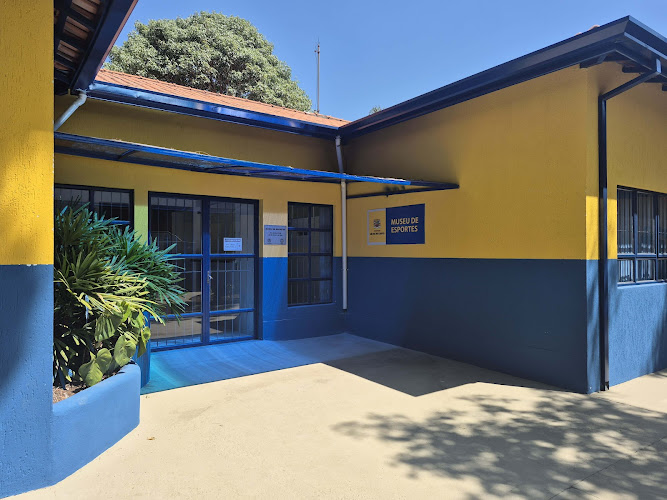
The Museu de Esportes in São José dos Campos is one of those places that quietly surprises you. It’s not flashy or overly commercialized, but that’s exactly what makes it special. The museum celebrates the city’s deep connection with sports—both amateur and professional—and honors the athletes who’ve carried the name of São José dos Campos far beyond its borders. It’s a space that feels personal, almost like stepping into someone’s scrapbook of victories, defeats, and the long road in between.
Walking through its halls, you’ll find exhibits that tell stories of local heroes who trained on the same streets you might walk today. The displays aren’t just about trophies and medals; they’re about grit, teamwork, and the kind of community spirit that defines this city. I remember my first visit—there was this old football jersey on display, faded and torn, and for some reason, it hit me harder than any shiny cup ever could. It reminded me of how sports connect generations, how they make us feel part of something bigger.
The museum is family-friendly and inclusive, welcoming everyone with open arms. Its accessibility features—like wheelchair-accessible entrances and restrooms—make it easy for all visitors to explore comfortably. And while it’s not a huge space, it’s packed with emotion and history. You can almost hear the echoes of cheering crowds and the rhythmic bounce of a basketball in the distance. If you’re into history, sports, or just curious about local culture, this place deserves a spot on your itinerary.
Key Features
- Interactive exhibits highlighting local and national sports achievements.
- Wheelchair-accessible facilities, including restrooms and parking.
- Family-friendly and LGBTQ+ inclusive environment.
- Rotating exhibits that keep the experience fresh and engaging.
- Educational programs designed for kids and school groups.
- Artifacts from football, athletics, basketball, and other major sports.
- Friendly staff who genuinely love sharing stories about local athletes.
What stands out most is how personal the experience feels. You don’t just look at displays—you feel part of a story that’s still being written. And if you’re lucky, you might catch a temporary exhibition highlighting new sports initiatives or community projects. I once stumbled upon a small exhibit dedicated to women’s sports in the region, and it was honestly inspiring to see how far local talent has come.
Best Time to Visit
If you’re planning a visit, weekdays are your best bet. The museum tends to be quieter then, giving you time to really absorb the stories without the weekend bustle. Mornings are especially peaceful; you can wander through the exhibits at your own pace and maybe even chat with a guide who’s more than happy to share behind-the-scenes tidbits.
Weather-wise, São José dos Campos has a fairly mild climate, but I’d say the cooler months—from May to August—make for a more comfortable outing. The museum is indoors, of course, but exploring the surrounding area afterward is much nicer when the air isn’t too humid. Plus, if you’re lucky, you might catch one of the city’s local sports events happening nearby—it’s a great way to see the passion that fuels the museum’s very existence.
How to Get There
Getting to the Museu de Esportes is pretty straightforward. It’s located in a well-connected part of São José dos Campos, and public transportation options are reliable. You can take a local bus or a quick taxi ride from most central areas. If you’re driving, there’s accessible parking available, which is a nice touch for families or visitors with mobility needs.
I’ve always found that the best way to experience a place like this is to make a day of it. Visit the museum in the morning, then grab lunch at one of the nearby cafés where locals hang out. It’s the kind of neighborhood that still feels authentic—where people greet each other by name and talk about last night’s game like it’s the most important thing in the world. And in a way, for them, it is.
Tips for Visiting
Here’s a little advice from someone who’s been there (and maybe lingered a bit too long at the memorabilia displays). First, take your time. Don’t rush through the exhibits. Each section has its own story, and some of the best details are tucked away in small captions or old photographs. Bring a camera if you like, though be mindful of any restrictions—they sometimes rotate rare items that aren’t meant for flash photography.
If you’re traveling with kids, check ahead to see if there are any workshops or interactive sessions happening during your visit. The museum often hosts educational activities that make learning about sports history fun and hands-on. For adults, it’s worth chatting with the staff; they’re usually locals who’ve lived through many of the events featured in the exhibits. Their stories add a layer of authenticity that you won’t find in any brochure.
Another small tip: wear comfortable shoes. You might not think you’ll be walking much, but between the exhibits and the outdoor displays, you’ll easily spend a couple of hours exploring. And if you’re sensitive to crowds, aim for late afternoons—just before closing time, the atmosphere becomes calm and contemplative, almost like the museum itself is taking a breather after a long day of storytelling.
Lastly, bring an open mind. Even if you’re not a die-hard sports fan, the Museu de Esportes has a way of pulling you in. It’s not just about games or scores—it’s about people, perseverance, and pride. You’ll leave with a new appreciation for the role sports play in shaping a community’s identity. I certainly did. And honestly, I think that’s the real magic of this place—it reminds you that history doesn’t just live in books or archives; sometimes, it lives in the sweat, laughter, and dreams of everyday people.
So whether you’re a traveler passing through, a history buff, or simply someone who loves discovering the hidden corners of a city, the Museu de Esportes is worth your time. It’s a place that captures the heart of São José dos Campos in a way few others do—through the stories of its athletes, its fans, and the enduring spirit of a community that never stops cheering.
Key Features
- Interactive exhibits highlighting local and national sports achievements.
- Wheelchair-accessible facilities, including restrooms and parking.
- Family-friendly and LGBTQ+ inclusive environment.
- Rotating exhibits that keep the experience fresh and engaging.
- Educational programs designed for kids and school groups.
- Artifacts from football, athletics, basketball, and other major sports.
- Friendly staff who genuinely love sharing stories about local athletes.
More Details
Updated November 7, 2025
Table of Contents
Description
The Museu de Esportes in São José dos Campos is one of those places that quietly surprises you. It’s not flashy or overly commercialized, but that’s exactly what makes it special. The museum celebrates the city’s deep connection with sports—both amateur and professional—and honors the athletes who’ve carried the name of São José dos Campos far beyond its borders. It’s a space that feels personal, almost like stepping into someone’s scrapbook of victories, defeats, and the long road in between.
Walking through its halls, you’ll find exhibits that tell stories of local heroes who trained on the same streets you might walk today. The displays aren’t just about trophies and medals; they’re about grit, teamwork, and the kind of community spirit that defines this city. I remember my first visit—there was this old football jersey on display, faded and torn, and for some reason, it hit me harder than any shiny cup ever could. It reminded me of how sports connect generations, how they make us feel part of something bigger.
The museum is family-friendly and inclusive, welcoming everyone with open arms. Its accessibility features—like wheelchair-accessible entrances and restrooms—make it easy for all visitors to explore comfortably. And while it’s not a huge space, it’s packed with emotion and history. You can almost hear the echoes of cheering crowds and the rhythmic bounce of a basketball in the distance. If you’re into history, sports, or just curious about local culture, this place deserves a spot on your itinerary.
Key Features
- Interactive exhibits highlighting local and national sports achievements.
- Wheelchair-accessible facilities, including restrooms and parking.
- Family-friendly and LGBTQ+ inclusive environment.
- Rotating exhibits that keep the experience fresh and engaging.
- Educational programs designed for kids and school groups.
- Artifacts from football, athletics, basketball, and other major sports.
- Friendly staff who genuinely love sharing stories about local athletes.
What stands out most is how personal the experience feels. You don’t just look at displays—you feel part of a story that’s still being written. And if you’re lucky, you might catch a temporary exhibition highlighting new sports initiatives or community projects. I once stumbled upon a small exhibit dedicated to women’s sports in the region, and it was honestly inspiring to see how far local talent has come.
Best Time to Visit
If you’re planning a visit, weekdays are your best bet. The museum tends to be quieter then, giving you time to really absorb the stories without the weekend bustle. Mornings are especially peaceful; you can wander through the exhibits at your own pace and maybe even chat with a guide who’s more than happy to share behind-the-scenes tidbits.
Weather-wise, São José dos Campos has a fairly mild climate, but I’d say the cooler months—from May to August—make for a more comfortable outing. The museum is indoors, of course, but exploring the surrounding area afterward is much nicer when the air isn’t too humid. Plus, if you’re lucky, you might catch one of the city’s local sports events happening nearby—it’s a great way to see the passion that fuels the museum’s very existence.
How to Get There
Getting to the Museu de Esportes is pretty straightforward. It’s located in a well-connected part of São José dos Campos, and public transportation options are reliable. You can take a local bus or a quick taxi ride from most central areas. If you’re driving, there’s accessible parking available, which is a nice touch for families or visitors with mobility needs.
I’ve always found that the best way to experience a place like this is to make a day of it. Visit the museum in the morning, then grab lunch at one of the nearby cafés where locals hang out. It’s the kind of neighborhood that still feels authentic—where people greet each other by name and talk about last night’s game like it’s the most important thing in the world. And in a way, for them, it is.
Tips for Visiting
Here’s a little advice from someone who’s been there (and maybe lingered a bit too long at the memorabilia displays). First, take your time. Don’t rush through the exhibits. Each section has its own story, and some of the best details are tucked away in small captions or old photographs. Bring a camera if you like, though be mindful of any restrictions—they sometimes rotate rare items that aren’t meant for flash photography.
If you’re traveling with kids, check ahead to see if there are any workshops or interactive sessions happening during your visit. The museum often hosts educational activities that make learning about sports history fun and hands-on. For adults, it’s worth chatting with the staff; they’re usually locals who’ve lived through many of the events featured in the exhibits. Their stories add a layer of authenticity that you won’t find in any brochure.
Another small tip: wear comfortable shoes. You might not think you’ll be walking much, but between the exhibits and the outdoor displays, you’ll easily spend a couple of hours exploring. And if you’re sensitive to crowds, aim for late afternoons—just before closing time, the atmosphere becomes calm and contemplative, almost like the museum itself is taking a breather after a long day of storytelling.
Lastly, bring an open mind. Even if you’re not a die-hard sports fan, the Museu de Esportes has a way of pulling you in. It’s not just about games or scores—it’s about people, perseverance, and pride. You’ll leave with a new appreciation for the role sports play in shaping a community’s identity. I certainly did. And honestly, I think that’s the real magic of this place—it reminds you that history doesn’t just live in books or archives; sometimes, it lives in the sweat, laughter, and dreams of everyday people.
So whether you’re a traveler passing through, a history buff, or simply someone who loves discovering the hidden corners of a city, the Museu de Esportes is worth your time. It’s a place that captures the heart of São José dos Campos in a way few others do—through the stories of its athletes, its fans, and the enduring spirit of a community that never stops cheering.

Key Highlights
- Interactive exhibits highlighting local and national sports achievements.
- Wheelchair-accessible facilities, including restrooms and parking.
- Family-friendly and LGBTQ+ inclusive environment.
- Rotating exhibits that keep the experience fresh and engaging.
- Educational programs designed for kids and school groups.
- Artifacts from football, athletics, basketball, and other major sports.
- Friendly staff who genuinely love sharing stories about local athletes.
Location
Places to Stay Near Museu de Esportes | SJC
Find and Book a Tour
Explore More Travel Guides
No reviews found! Be the first to review!
Traveler Reviews for Museu de Esportes | SJC
There are no reviews yet. Be the first one to write one.
Have you visited Museu de Esportes | SJC? Help other travelers by sharing your review.
Find Accommodations Nearby
Recommended Tours & Activities
Visitor Reviews
There are no reviews yet. Be the first one to write one.
Share Your Experience
Have you visited Museu de Esportes | SJC? Help other travelers by leaving a review.