Bruges vs Ghent: Ultimate Belgian City Showdown for Travelers
Updated September 5, 2025
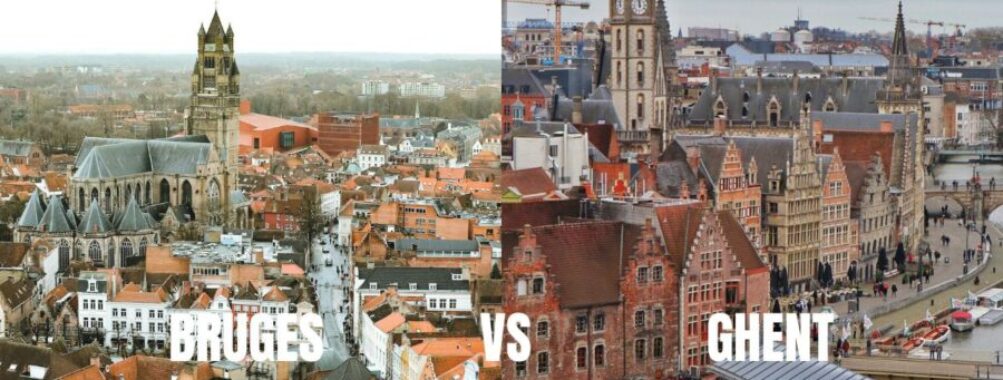
Picking between Bruges and Ghent? Honestly, it’s like choosing between two wildly different moods on the same trip. Bruges charms you with quiet cobblestone streets, dreamy canals, and a pace that feels almost frozen in time. Ghent, though, buzzes with a younger crowd, bold street art, and nightlife that doesn’t quit after dinner. If you’re craving charm and calm, Bruges is your spot. Need energy and culture? Ghent’s got you covered.
I’ve wandered both cities more than once, and I can’t say one’s better than the other—they just shine in totally different ways. Bruges is like stepping into a medieval painting. Ghent, though, mixes history with a kind of modern, lived-in energy I find pretty addictive. It’s really all about what kind of trip you’re after.
Table of Contents
- Key Takeaways
- Bruges vs Ghent: Key Differences at a Glance
- Atmosphere and Vibe
- Tourist Appeal and Crowds
- Accessibility and Location
- Historical Background and Heritage
- Medieval Origins
- UNESCO World Heritage Sites
- Notable Historical Events
- Architectural Marvels and Cityscapes
- Flemish and Gothic Architecture
- Iconic Landmarks
- Medieval Streets and Canals
- Arts, Culture, and Local Experiences
- Art Scene and Museums
- Street Art and Contemporary Culture
- Festivals and Events
- Food, Drink, and Nightlife
- Belgian Cuisine Highlights
- Cafés, Breweries, and Belgian Beer
- Nightlife and Local Hangouts
- Things to Do and Unique Attractions
- Must-See Sights in Bruges
- Top Experiences in Ghent
- Hidden Gems and Offbeat Activities
- Practical Tips for Choosing Between Bruges and Ghent
- Transportation and Getting Around
- Best Time to Visit
- Day Trips and Nearby Destinations
- Frequently Asked Questions
- What are the top attractions to visit in Bruges compared to Ghent?
- Can you explore both Bruges and Ghent in a single day, and is it recommended?
- What is the difference in the dining experience between Bruges and Ghent?
- How do family-friendly activities in Bruges compare with those in Ghent?
- What are the unique cultural experiences that differentiate Ghent from Bruges?
- How does the nightlife in Ghent compare to that in Bruges?
- Book Your Dream Experience
- More Travel Guides
Key Takeaways
- Bruges serves up romance and preserved medieval beauty
- Ghent brings vibrant culture, festivals, and a nightlife that actually goes late
- Your pick depends on whether you want calm or energy
Bruges vs Ghent: Key Differences at a Glance
Bruges throws you back into the Middle Ages, while Ghent mixes its old heart with a busy, modern city vibe. Both sit in Flanders and you can reach them easily from Brussels, but trust me, your experience in each will feel worlds apart.
Atmosphere and Vibe
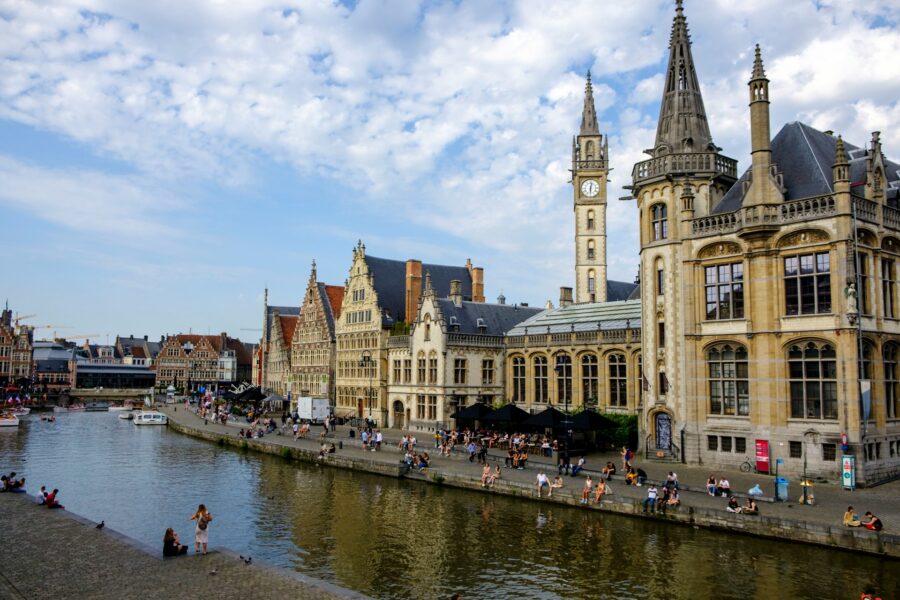
After that postcard-perfect city? Bruges delivers. Cobblestone streets, canals, medieval squares—honestly, it looks untouched by time. It’s calm, romantic, and sometimes feels like you’re walking through a living museum. Couples seem to love it for that dreamy backdrop.
Ghent, though, is a working city with a big student scene. That brings a lively, creative, slightly rough-around-the-edges energy you won’t find in Bruges. You’ll stumble on street art, quirky bars, and a nightlife that just keeps going.
For me, Bruges is a place to wander slowly, maybe with an ice cream or a coffee. Ghent? Grab a bike and go explore neighborhoods far beyond the old center. Both are gorgeous, but the energy couldn’t be more different.
Tourist Appeal and Crowds
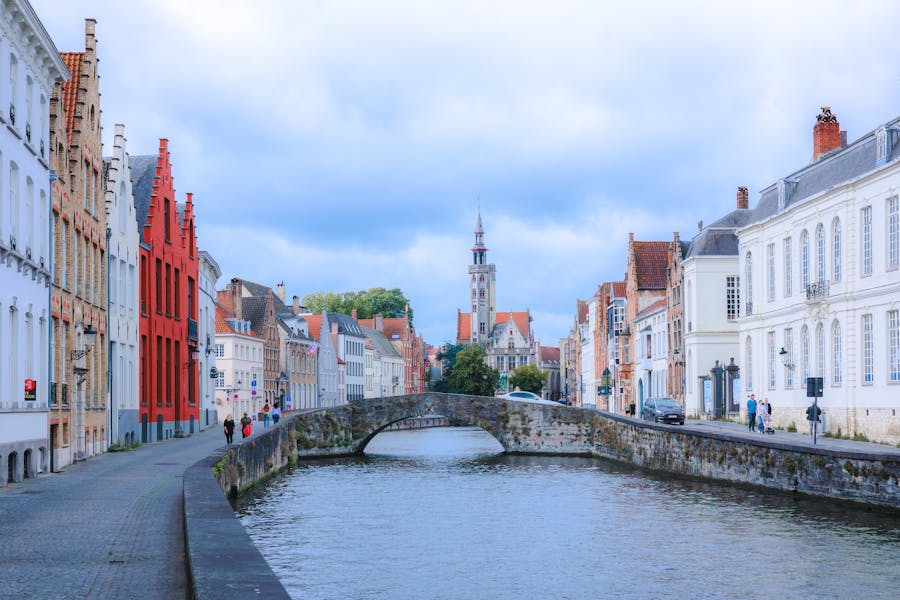
Bruges ranks as one of the most visited cities in Belgium, so you’ll probably share the Markt square or Belfry steps with plenty of tour groups. Especially on weekends and in summer, it gets packed. The upside? It’s set up for tourism—think hotels, chocolate shops, canal tours everywhere.
Ghent, meanwhile, doesn’t draw the same crowds. Sure, you’ll see tourists, but the city feels more local and less staged. It’s easier to blend in—grab a coffee among students or stumble upon a random festival in a tucked-away square.
If you want quiet streets and fewer lines, Ghent usually wins out. But if you’re fine with crowds for the sake of a perfectly preserved city center, Bruges is tough to beat.
Accessibility and Location
Both cities sit close to Brussels, so you won’t waste time in transit. Ghent’s a bit closer—about 35 minutes by train. Bruges is just under an hour away. If you’re flying in, Brussels is where you’ll likely land, since it has the main international airport.
Bruges connects mainly by train, so it feels like a place you visit and stay put for a while. Ghent, being bigger, links up easily with other Belgian cities like Antwerp and Leuven. That’s handy if you want to base yourself in one spot and do day trips.
If you’re on the hunt for cheap flights into Brussels, keep an eye on flight deals. Once you’re in Belgium, you can reach both cities easily—no car needed.
Historical Background and Heritage
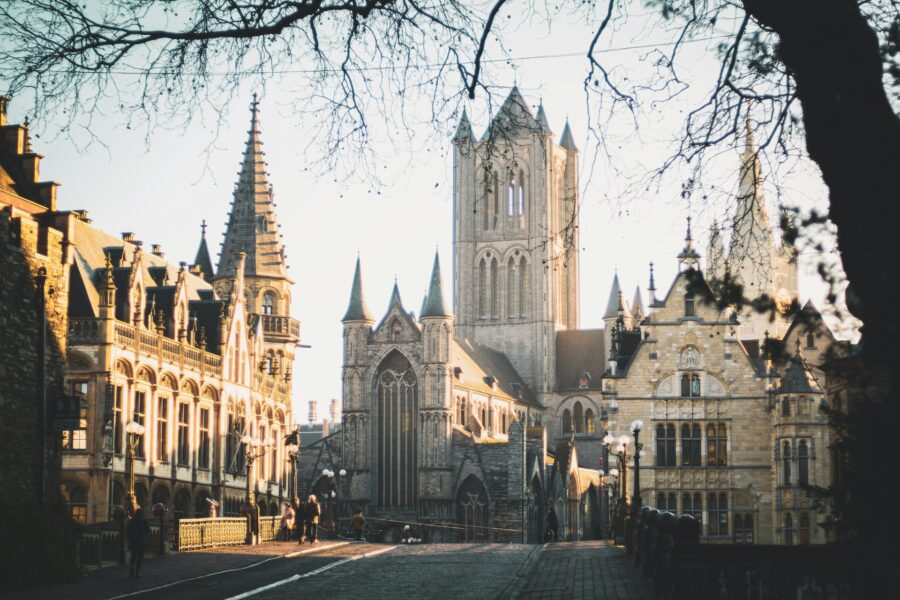
Bruges and Ghent both got rich in the Middle Ages, shaped by trade, art, and religion. You’ll feel that history in their streets, from towering churches to canals that once bustled with merchant boats. The contrast jumps out: Bruges feels like a time capsule, while Ghent blends medieval roots with a city that’s still humming with daily life.
Medieval Origins
Bruges shot to prominence in the 11th and 12th centuries as a major trading port. Its canals linked merchants to the North Sea, making it one of Europe’s wealthiest cities. When you walk those cobbled lanes today, you’re literally following in the footsteps of medieval traders.
Ghent, believe it or not, was even bigger at one point. By the 13th century, it ranked among the largest cities in northern Europe, thanks to the booming cloth industry. Textile guilds built the grand houses that still line the Graslei and Korenlei.
It’s wild how differently the two cities grew. Bruges froze in time after its harbor silted up, leaving its medieval architecture untouched. Ghent kept expanding, modernizing around its old core. That’s why Ghent feels both historic and totally contemporary.
UNESCO World Heritage Sites
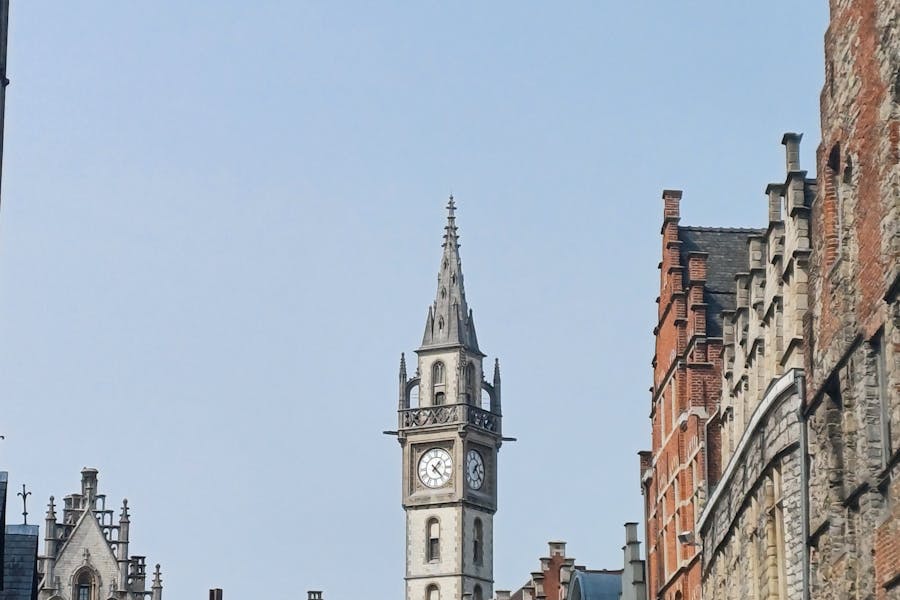
Bruges’ historic center is a UNESCO World Heritage site. The Belfry Tower, Markt Square, and winding canals all earned recognition for their remarkably preserved medieval character. Take a boat ride through those canals and you’ll get why Bruges is called the “Venice of the North.”
Ghent doesn’t have its entire center under UNESCO protection, but it does have standout landmarks. The Belfry of Ghent, part of the Belfries of Belgium and France, is one of them. Climb to the top and you’ll get sweeping views of a city that somehow balances heritage with modern life.
This really shapes the vibe. Bruges feels curated, almost like an open-air museum, while Ghent feels lived-in, with UNESCO gems hidden here and there. Depending on your style, you’ll either fall for Bruges’ postcard perfection or Ghent’s more authentic, slightly rough-around-the-edges charm.
Notable Historical Events
Bruges’ port declined in the 15th century, and that downturn basically froze the city’s development. It’s kind of ironic—the economic slump preserved its medieval charm. Later on, Bruges became a hub for Flemish art, with painters like Jan van Eyck making their mark.
Ghent’s history runs a bit wilder. The city rebelled against rulers again and again, from medieval uprisings against the Count of Flanders to clashes with the Habsburgs. That stubborn streak still gives Ghent a reputation for independence.
One story you’ll hear is about the Treaty of Ghent, signed in 1814, which ended the War of 1812 between the US and Britain. Ghent’s influence stretched well beyond Belgium.
Today, both cities show off their past not just in monuments, but in how locals talk about them. Bruges leans into its fairy-tale reputation, while Ghent wears its rebellious, industrious spirit with pride.
Architectural Marvels and Cityscapes
Both Bruges and Ghent immerse you in Belgium’s medieval past, but they do it in their own ways. Bruges is all about Gothic towers and perfect little canals, while Ghent mixes raw medieval power with a city that’s buzzing with students and locals.
Flemish and Gothic Architecture
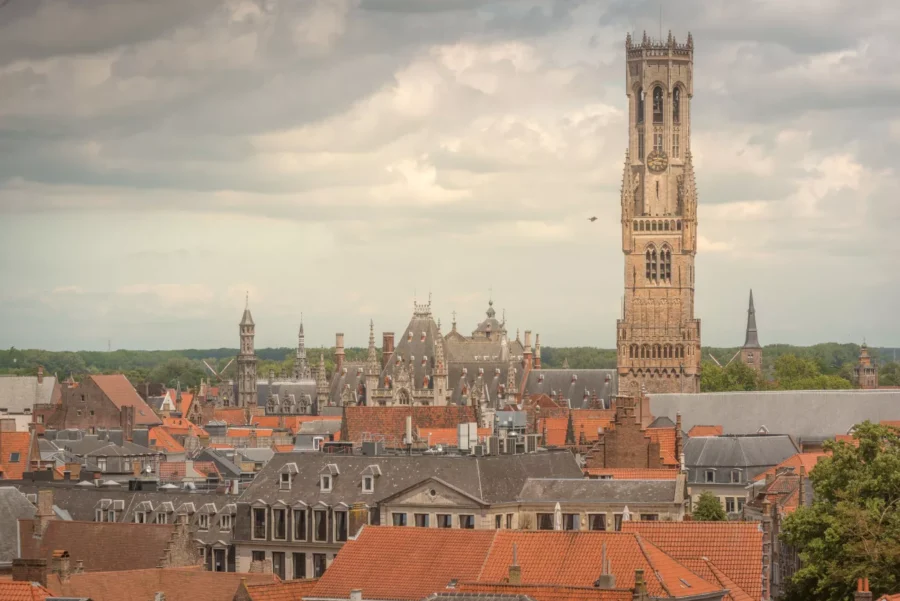
You’ll spot Flemish architecture right away—stepped gables, ornate facades, those tall, skinny houses that lean into the street. In Bruges, Gothic style steals the show, especially around the Markt square where the Belfry of Bruges towers over the city. You really can see it from just about anywhere.
Ghent feels a bit less polished, but somehow more real. The Belfry of Ghent stands tall alongside St. Bavo’s Cathedral, and together they give the skyline some serious drama. I’ve always found Ghent’s mix of Gothic and Romanesque churches more layered, like the city never stopped changing.
If you geek out on architecture, Bruges is like stepping into a painting. Ghent? It’s the artist’s sketchbook—messy, fascinating, and full of surprises. Both are worth your time.
Iconic Landmarks
Bruges is packed with landmarks that almost seem too perfect. The Church of Our Lady houses Michelangelo’s Madonna and Child, which is pretty wild to see outside Italy. Just around the corner, the Basilica of the Holy Blood draws pilgrims and curious travelers with its legendary relic.
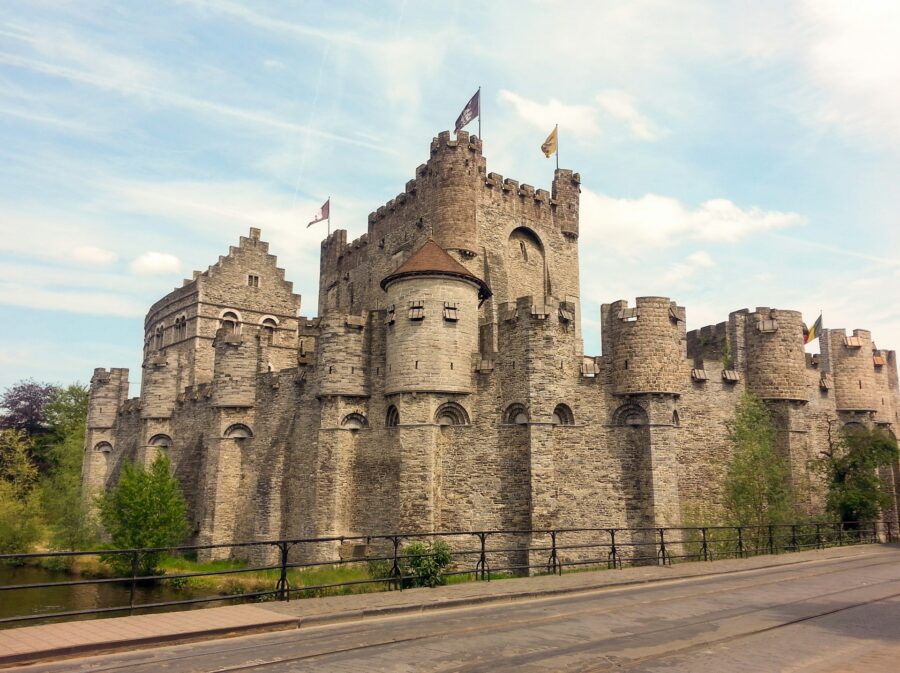
Ghent’s landmarks feel heavier and more dramatic. The Gravensteen Castle sits smack in the city center, and you can actually walk its ramparts and look down over the streets. It doesn’t just sit there as a museum piece—it feels alive, still part of the city’s rhythm.
Honestly, the first time I saw Gravensteen, I was floored. A full medieval castle in the middle of a city? Didn’t see that coming.
Medieval Streets and Canals
People call Bruges the Venice of the North, and you’ll totally get it once you drift along its canals. The way the guild houses reflect on the water—yeah, it’s a living postcard. The medieval streets are narrow, cobbled, and, sure, they get crowded, but that’s part of the charm.
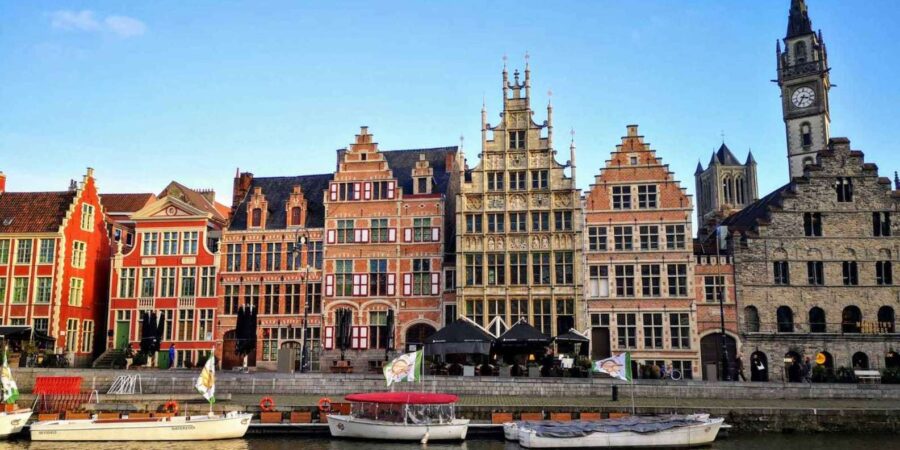
Ghent’s got canals too, but they’re less staged. The Graslei is my favorite spot to sit with a drink and watch the boats. Those buildings used to be guildhalls, and you can almost hear the echoes of old merchants trading along the water.
I’ll be honest: Bruges is prettier, but Ghent feels more alive. If you want romance and quiet, Bruges is your place. If you want to feel the heartbeat of a working city wrapped in medieval skin, Ghent’s it.
Arts, Culture, and Local Experiences
Both Bruges and Ghent let you dive deep into Belgium’s cultural soul, but they go about it in completely different ways. Bruges leans into its medieval treasures, while Ghent serves up a mashup of old-world beauty and experimental, lived-in creativity.
Art Scene and Museums
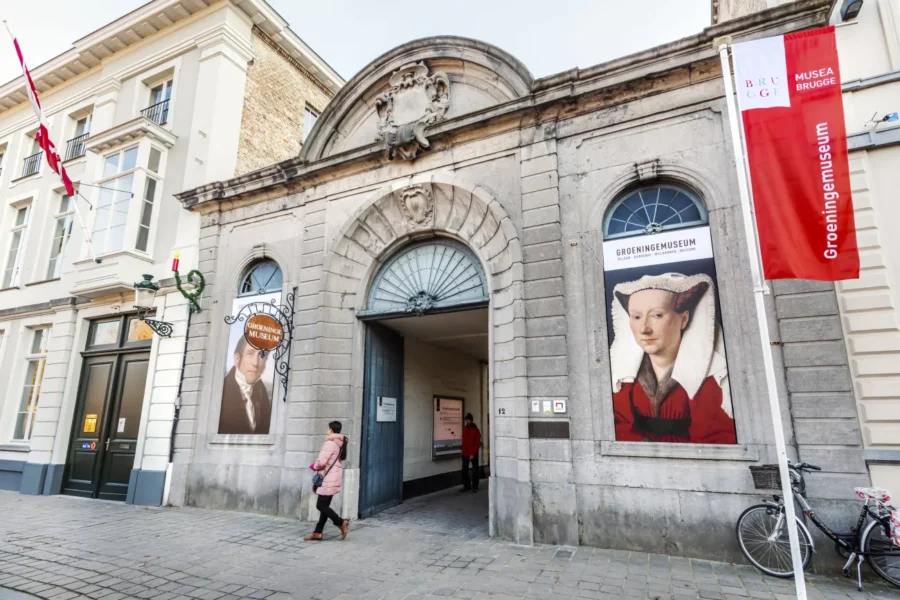
Love classical art? Bruges is basically a gallery that never closed. The Groeninge Museum features Flemish Primitives, including Jan van Eyck, who called Bruges home. It’s small but packed—you’ll probably linger longer than you meant to.
Ghent, meanwhile, boasts one of Europe’s most famous religious artworks: the Ghent Altarpiece (The Adoration of the Mystic Lamb) inside Saint Bavo’s Cathedral. The Van Eyck brothers painted it, and seeing it in person is something else entirely.
Unlike Bruges, Ghent balances its history with modern spots like the SMAK contemporary art museum. You could spend your morning with a Rubens and your afternoon puzzling over an Andy Warhol. Not bad, right?
Street Art and Contemporary Culture
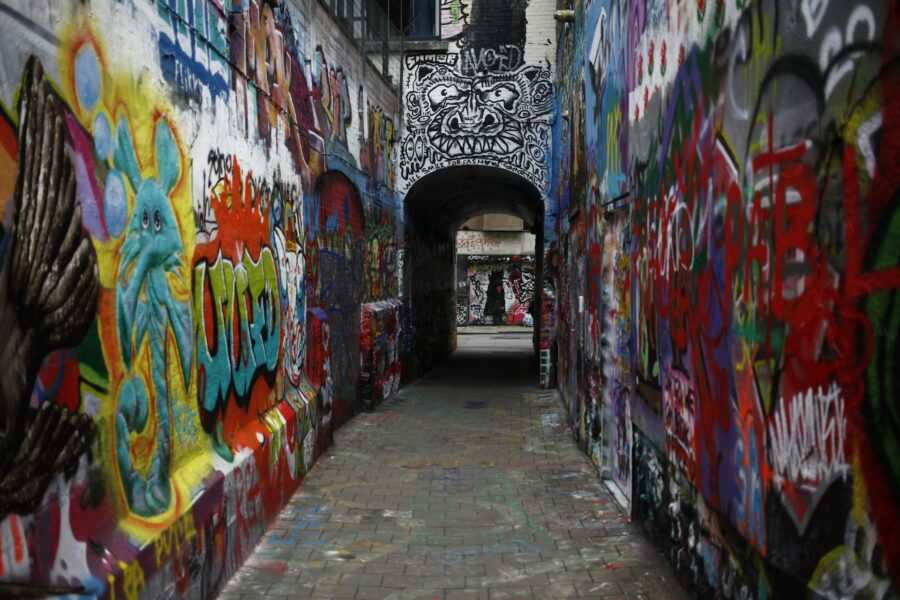
Here’s where Ghent really shines. The city feels alive with creativity that spills onto the streets. Walk down Werregarenstraat—locals call it Graffiti Street—and you’ll find walls covered in ever-changing street art. It’s messy, bold, and totally full of personality.
Murals pop up all over the city, sometimes squeezed between shops, sometimes hidden in narrow alleys. They give Ghent a raw, urban edge that Bruges just doesn’t have. Bruges is gorgeous, but it’s polished—almost like a movie set. Ghent feels lived-in, current, and a bit wild.
If you love stumbling across unexpected art while grabbing a coffee or cycling through new neighborhoods, Ghent’s your city. It’s a place where you don’t just look at history—you see people adding to it every day.
Festivals and Events
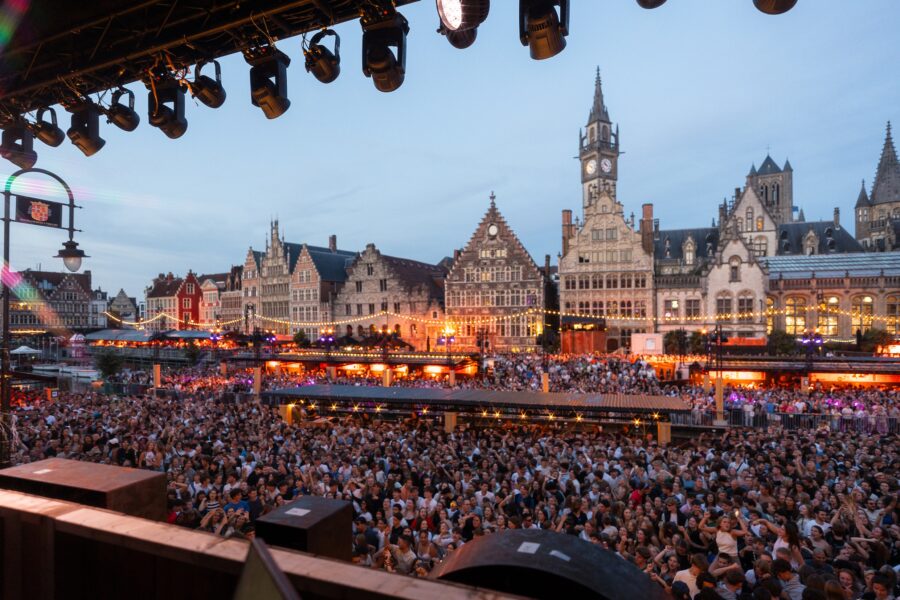
Both cities know how to throw a festival, but the energy? It’s just not the same. Bruges leans into classical and early music festivals, which fits its romantic, old-world vibe. You end up listening to a quartet in a centuries-old church, feeling like you’ve stepped into a painting.
Now, Ghent? That’s a whole different story. The Gentse Feesten takes over the entire city every July. Theater, live music, street performances—suddenly, every corner feels like a stage. It’s wild, honestly, and one of Europe’s biggest cultural festivals. If nightlife is your thing, you’ll probably end up dancing until sunrise.
Ghent keeps the surprises coming with smaller events all year—light festivals, pop-up food fairs, even impromptu jazz in canal-side bars. I’ve wandered into outdoor film screenings I didn’t even know were happening. Bruges, meanwhile, stays mellow. Think candlelit concerts and quiet evenings, not rowdy crowds.
So, which fits your mood? If you want a peaceful night, Bruges is your spot. If you’re chasing that electric city buzz, Ghent just wins.
Food, Drink, and Nightlife
You can taste Belgian culture in both cities, but they serve it up so differently. Bruges feels like a storybook dinner, while Ghent has that scrappy, student-town energy. You’ll pick up on it as soon as you pop into a café or stroll the streets after dark.
Belgian Cuisine Highlights

Belgian food? It’s rich, comforting, and really sticks to your ribs. In Bruges, restaurants love to show off classics—mussels and fries, beef stew, fluffy waffles with way too much cream. The chocolatiers are everywhere, and honestly, just walking by those cocoa-scented shops is half the fun.
Ghent’s food scene is a little more grounded. You’ll still get the classics, but thanks to their “Thursday Veggie Day,” veggie options are everywhere. I once tried waterzooi—a creamy stew—and it tasted like someone’s grandma made it for me.
If you’re a cheese fan, Ghent’s markets sell local varieties that beg for a cold Belgian beer. Bruges feels a bit more polished and aimed at tourists, while Ghent’s dining spots are where locals actually eat.
Cafés, Breweries, and Belgian Beer
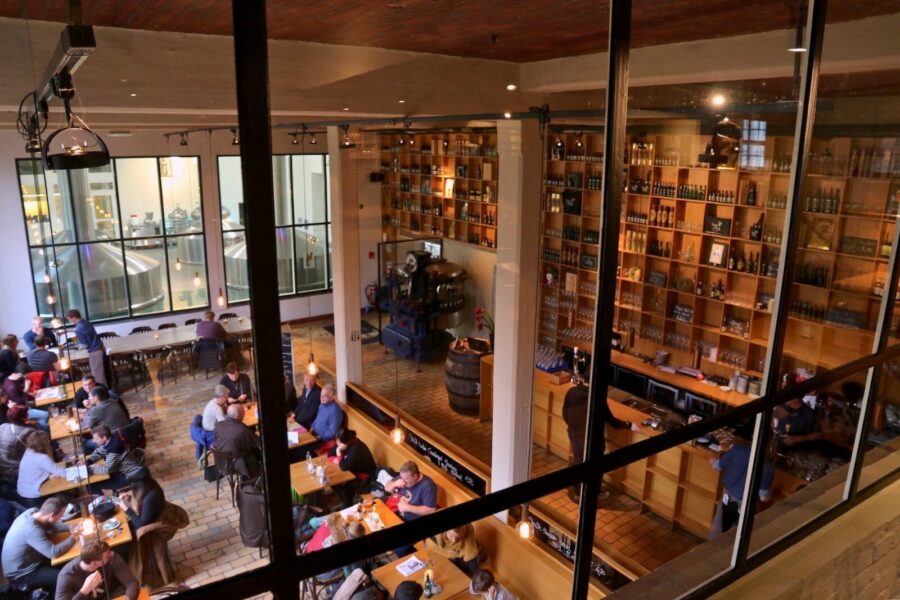
Let’s talk beer, because, well, it’s Belgium. Bruges has the famous De Halve Maan brewery—go for the tour, stay for the Brugse Zot straight from the tap. It’s touristy, sure, but the beer is just better there.
In Ghent, things get more relaxed. You’ll find little cafés along the canals where students and locals sip Trappist ales or fruity lambics. I’ve lost track of how many times I’ve ended up in a dim bar with a beer list longer than my arm, feeling like I’d discovered some local secret.
The beers pack a punch, too—don’t say I didn’t warn you. Bruges often feels like it’s curated for visitors, but Ghent’s beer scene is just part of daily life.
Nightlife and Local Hangouts
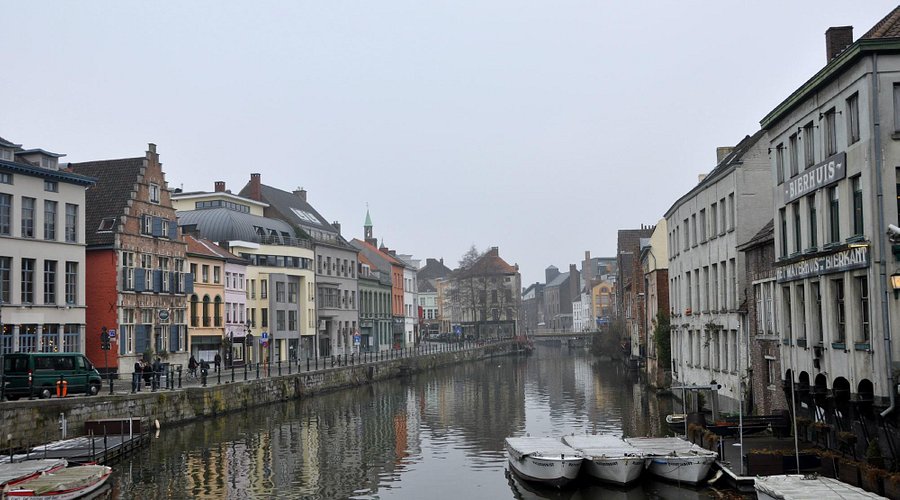
Night falls, and the two cities go their separate ways. Bruges gets sleepy, especially off the main squares. Pubs and wine bars exist, but if you’re looking for a party, you might be out of luck. I’ve wandered those cobbled streets at midnight searching for somewhere still open.
Ghent doesn’t slow down. Thanks to a big student crowd, the Patershol area buzzes with bars—tiny jazz clubs, rowdy beer halls, you name it. I remember finding a street where every door hid a new bar, and it felt like the city wanted you to stay out all night.
If you want cozy pubs and live music, Ghent’s the place. If you’d rather stroll quietly after dinner and maybe grab a nightcap, Bruges is perfect. The atmosphere really couldn’t be more different once the lights flicker on.
For nitty-gritty details on what to eat, drink, and do after dark, check out this guide to Ghent vs Bruges.
Things to Do and Unique Attractions
Both Bruges and Ghent are compact, packed with history, and full of surprises if you wander off the tourist path. Bruges is the pretty one—medieval, tidy, almost too perfect. Ghent feels more lived-in, a little rougher around the edges, but creative and real.
Must-See Sights in Bruges
Walking around Bruges is like time travel. The Markt square, all colorful guild houses and the Belfry, sets the scene. Climb those 366 steps if you’re up for it—the view is worth every gasp for breath.
You can’t skip the canals. Take a boat ride early in the morning when everything’s quiet and the light is golden. The city feels like it’s waking up just for you.
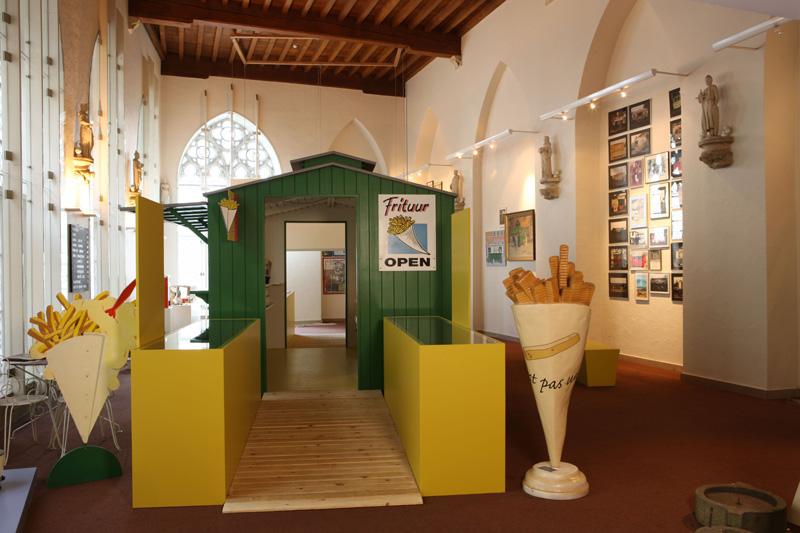
Bruges has its quirks, too. The Frietmuseum is all about Belgian fries (yes, really), and the Beguinage is a peaceful pocket of whitewashed houses and gardens. If you want to plan ahead, check out local tours and activities that hit these spots.
Top Experiences in Ghent
Ghent’s got a different energy—less polished, more lively. The Gravensteen Castle sits right in the heart of things, and exploring its towers and dungeons is a trip back in time. Students hang out nearby, so it never feels stuffy.
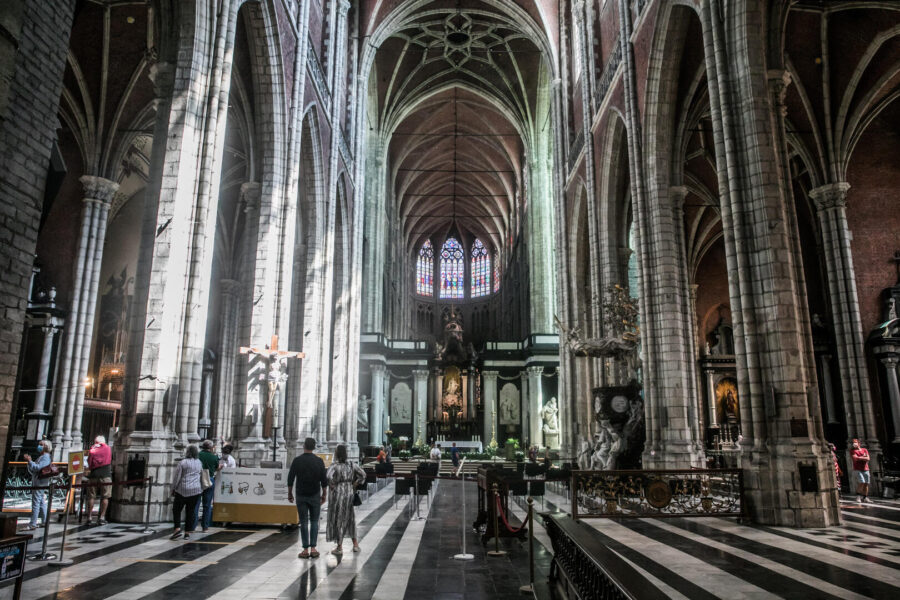
St. Bavo’s Cathedral holds the Ghent Altarpiece, a Van Eyck masterpiece. Even if you’re not an art buff, the detail is insane. I’ve stared at it twice and still spot new things.
The Graslei and Korenlei quays are perfect for people-watching with a coffee or beer. Boats drift by, and the old guild houses line the river. If you’re into tours, you can book things to do in Ghent like guided walks or canal cruises.
Hidden Gems and Offbeat Activities
Both cities hide their best bits in plain sight. Ghent’s Werregarenstraat is a graffiti alley that’s always changing. I found it by accident one night, and it felt like a secret gallery. You can even add your own tag if you’re feeling bold.
Bruges has the Saint-Gilles neighborhood, which is blissfully tourist-free and full of cozy cafés. Minnewater Lake—locals call it the Lake of Love—is ideal for a lazy stroll or picnic.
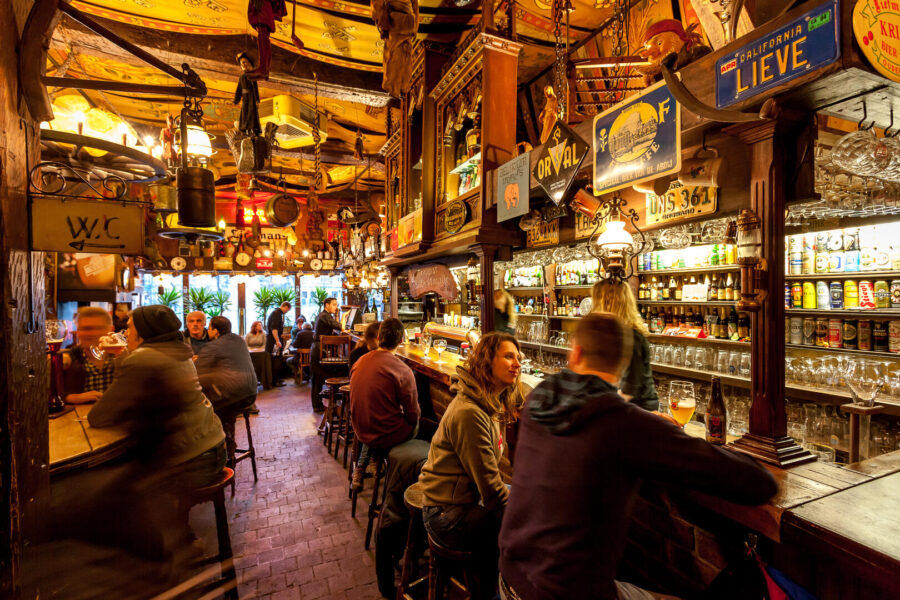
If you love beer, Bruges’ De Halve Maan Brewery and Ghent’s Dulle Griet pub both hit the spot. For something totally different, Ghent’s vintage flea markets are packed with odd treasures—old records, weird antiques, you name it. These random finds often become the highlight of a trip, at least for me.
Practical Tips for Choosing Between Bruges and Ghent
Both cities are easy to reach, super walkable, and close to other Belgian gems like Brussels and Antwerp. Timing matters, though, and thinking about day trips can really shape your experience.
Transportation and Getting Around

Flying in? Brussels Airport is your best bet, then hop on a train. Ghent is about 35 minutes away; Bruges takes closer to an hour. I usually check KAYAK for routes and prices before I go.
Once you’re there, both cities are made for walking. Bruges feels like an open-air museum, all cobblestones and charm. Ghent mixes old and new, and bikes are everywhere—students zip around like it’s a race.
If you want to explore further, Ghent’s rail connections are a bit better. Antwerp and Brussels are both easy day trips. Bruges is the gateway to the coast, so pick your base depending on what you want to see.
Best Time to Visit
Bruges gets packed in summer—especially around the Markt and canals. If crowds aren’t your thing, spring or autumn are way better. You get the same magic, just with elbow room.
Ghent feels alive all year, thanks to the university. Even in the dead of winter, I’ve found the cafés buzzing with locals. I visited in January once and loved how chill it was—no tourist mobs, just real city life.
If festivals are your jam, Ghent’s July blowout is the big one. Bruges hosts music and food fests, but they’re smaller and more low-key. For deals on hotels, I always check Booking.com in the off-season—you can snag a central place without spending a fortune.
Day Trips and Nearby Destinations
From Ghent, Brussels is just 40 minutes away. You can see the Grand Place, hit a museum, and be back in time for dinner. Antwerp’s also close, especially if you love art or shopping.
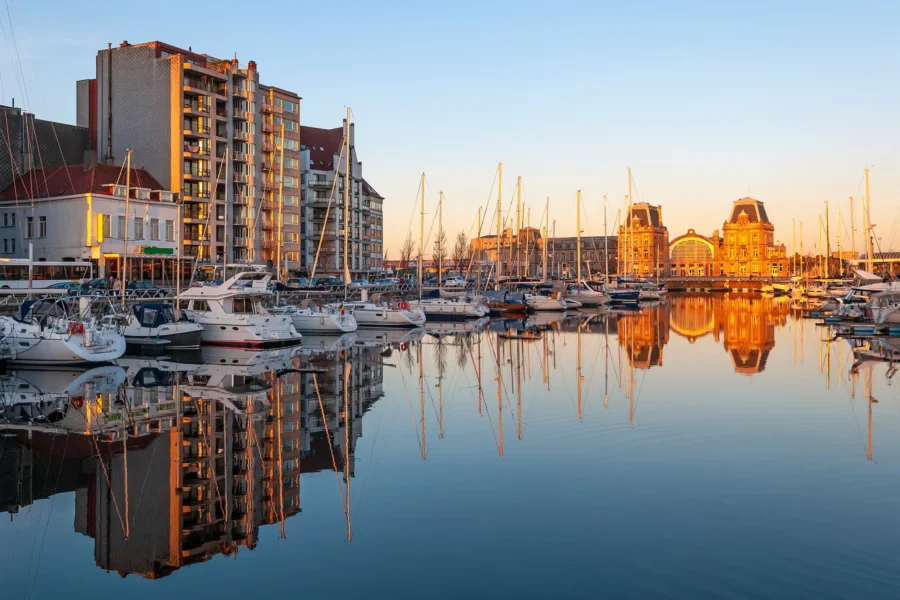
Bruges is better if you want the coast—Ostend and Knokke-Heist are less than an hour away and perfect for a beach day. Rent a car and you can even dip into northern France if you’re feeling adventurous.
The two cities are only 55 km apart, so you can easily stay in one and day-trip to the other. I’ve done it—two nights in Bruges, quick hop to Ghent for a change of scene. It’s simple and saves you the hassle of switching hotels.
Frequently Asked Questions
Bruges and Ghent might only be 30 miles apart, but honestly, they feel like totally different worlds. Bruges is all about polished, fairy-tale charm. Ghent is more local, lived-in, and just a bit rebellious. You’ll feel the difference in the food, nightlife, and even how families explore the cities.
What are the top attractions to visit in Bruges compared to Ghent?
Bruges packs its highlights into a tiny old town. Climb the Belfry, wander Markt Square, or take a canal cruise and soak up the medieval architecture. The whole place feels like a movie set—no wonder people call it the “Venice of the North.”
Ghent mixes historic sites with a real, everyday buzz. The Castle of the Counts is right in the center, and the Ghent Altarpiece in St. Bavo’s Cathedral is legendary. The Graslei waterfront is a great place to sit and watch the city roll by.
Can you explore both Bruges and Ghent in a single day, and is it recommended?
You can technically see both in a day if you’re based in Brussels—trains are fast, and some tours combine them.
But honestly? Don’t. You’ll rush, miss the magic, and barely scratch the surface. The real charm is in slowing down, grabbing a terrace drink, and letting these places sink in. Even local guides say each city deserves its own full day.
What is the difference in the dining experience between Bruges and Ghent?
Bruges really rolls out the red carpet for visitors. You’ll spot polished restaurants on every corner, plus chocolate shops and those tempting waffle stands that seem to call your name.
Honestly, the food here is top-notch, but sometimes the whole scene feels a bit too curated, almost like a movie set.
Now, Ghent? The dining scene gets way more experimental. People treat it like a playground for creative bistros, especially if you wander down the side streets.
It’s also one of Europe’s vegetarian capitals, which surprised me at first. I still remember this beet risotto I tried—years later, I’m still thinking about it. That’s saying something.
How do family-friendly activities in Bruges compare with those in Ghent?
Bruges makes things easier when you’ve got little kids in tow. The city’s so compact that you can walk pretty much everywhere without anyone melting down.
Kids tend to love a boat ride on the canals, and honestly, who doesn’t want to ride in a horse-drawn carriage past those cobbled streets?
Ghent, on the other hand, feels like a better fit for older kids or teens. The Castle of the Counts steals the show with its display of swords and armor.
There’s even a collection of medieval torture devices—kind of dark, but for some reason, older kids find it fascinating.
What are the unique cultural experiences that differentiate Ghent from Bruges?
Bruges sweeps you into a storybook. You wander through UNESCO-listed streets, and the architecture feels so perfectly preserved it almost doesn’t seem real.
But you won’t really get that sense of local life here; it’s more about soaking in the beauty.
Ghent, though, just buzzes with real, living culture. The street art scene is massive, and you’ll probably stumble into the city’s designated graffiti alley without even trying.
There’s a big student population here too, and they bring this creative, rebellious energy that Bruges just can’t match.
How does the nightlife in Ghent compare to that in Bruges?
Nightlife in Bruges? Honestly, it’s pretty mellow. You’ll stumble into cozy pubs and snug little beer cafés, but don’t expect the city to keep buzzing after midnight.
Most folks in Bruges just want to savor a local brew and chat, not tear up the dance floor until sunrise.
Now, Ghent—well, it’s got a heartbeat that doesn’t quit. The university crowd keeps things lively, and bars throw their doors open late into the night.
You’ll find everything from laid-back pubs to wild beer halls with personality. Ever traded your shoe for a beer at Dulle Griet? That’s classic Ghent, and honestly, it’s an experience you won’t forget.