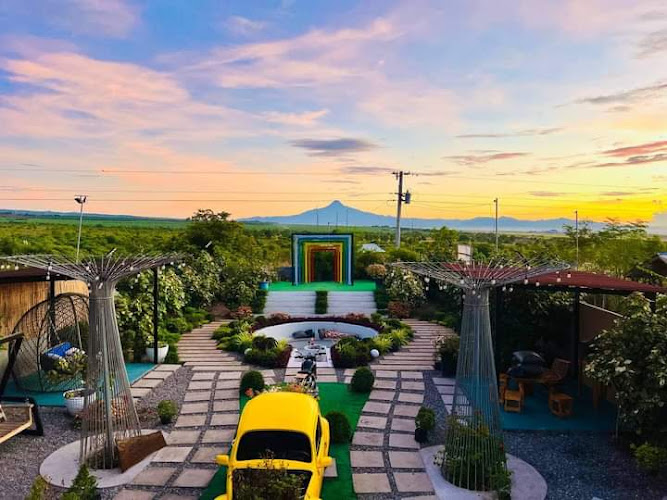
It’s a city that hums with energy — not the chaotic kind, but the kind that comes from people who know how to work hard and live well. Known as the “Tuna Capital of the Philippines,” GenSan thrives on its fishing industry, with its bustling port and markets filled with the freshest catch you’ll ever see. Yet beyond its tuna fame, there’s a lot more to this city — its people, its stories, its food, and its growing modern charm all make it a place worth exploring.
When you walk through its streets, you’ll notice how modern life blends with a laid-back southern vibe. Towering buildings share space with open-air eateries where locals chat over coffee and grilled fish. The city’s population, now over 722,000 as of 2024, reflects its steady growth and importance in Mindanao’s economic landscape. And while it’s a highly urbanized city, it hasn’t lost its sense of community. That’s something I personally admire about GenSan — people still greet you with a smile, and strangers can easily become friends over a shared meal of kinilaw or sinugba.
I remember my first trip to GenSan — I arrived expecting a typical port city, but what I found was a place that felt alive in a quiet, confident way. The mornings smelled of the sea, the afternoons were warm and golden, and the evenings came alive with laughter from local bars and food stalls. It’s not a city that tries too hard to impress; it just is. And that’s exactly what makes it special.
Best Time to Visit
If you ask locals, they’ll probably tell you that GenSan is great year-round — and they’re not wrong. But if you want the full experience, plan your visit between February and September. The weather is generally sunny and dry, perfect for outdoor adventures and sightseeing. The highlight of the year is definitely the Tuna Festival in September. It’s when the city bursts into color and celebration, and you’ll see firsthand how proud GenSan folks are of their heritage.
During the festival, the streets are filled with dancers in bright costumes, and the smell of grilled tuna fills the air. I once joined a street parade there — not as a dancer (trust me, no one wants to see that) but as an enthusiastic spectator who couldn’t help swaying to the beat. It’s one of those moments that sticks with you long after you’ve left.
If you prefer quieter days, the months of February to May are perfect. The seas are calm, the skies are clear, and you can enjoy the beaches and coastal spots without the crowds. Just remember to pack sunscreen — the Mindanao sun can be pretty intense.
How to Get There
Getting to General Santos City is quite straightforward. The city is served by the General Santos International Airport, which has regular flights from Manila, Cebu, Davao, and other major Philippine cities. The airport is about 14 kilometers from the city center, and you can easily grab a taxi or a tricycle to reach your hotel.
If you’re coming from nearby cities like Davao, you can take a bus or van — the ride takes around three to four hours, depending on traffic. The roads are well-maintained, and the route offers scenic views of rolling hills and rural communities. I’ve done that drive several times, and honestly, it’s one of my favorite parts of the trip. There’s something calming about watching the countryside roll by while munching on local snacks from roadside vendors.
Once in the city, getting around is easy. Tricycles are the main mode of transportation, and they’re everywhere. They’re affordable and convenient, though sometimes you’ll find yourself squeezed in next to a few locals — but that’s part of the fun. For longer distances, you can rent a car or use ride-hailing apps that operate in the area.
Tips for Visiting
Before you pack your bags for GenSan, here are a few tips that might make your trip smoother — and maybe even more memorable.
- Wake up early for the Fish Port: The General Santos Fish Port Complex is best visited at dawn when fishermen unload their catch. It’s a fascinating glimpse into the city’s lifeblood. Just remember to wear closed shoes — it can get slippery!
- Try the local food stalls: Skip the fancy restaurants at least once and eat where the locals do. The best tuna dishes are often found in humble carinderias or roadside grills.
- Bring cash: While ATMs are available, smaller establishments and tricycle drivers usually prefer cash payments.
- Respect local customs: GenSan is a melting pot of cultures, including Muslim and indigenous communities. Dress modestly when visiting religious or cultural sites.
- Stay hydrated: The tropical climate can be quite hot, especially during midday. Carry a water bottle and take breaks when exploring.
- Explore beyond the city: Don’t just stay in downtown GenSan. Take a short trip to nearby Sarangani Province for beaches, waterfalls, and diving spots. It’s worth the extra time.
- Join a local celebration: If your visit coincides with a festival or community event, join in! Locals love to welcome visitors, and it’s a great way to experience their hospitality firsthand.
One more thing — don’t rush your visit. GenSan isn’t the kind of city you “check off” your list in a day or two. It’s a place that grows on you the longer you stay. You start noticing the small things: the way the light hits Sarangani Bay at sunset, the laughter from kids playing in the streets, the quiet pride of fishermen heading home after a long day. That’s the real charm of General Santos City — it’s genuine, grounded, and wonderfully human.
Whether you’re here for the food, the culture, or just to experience a different side of Mindanao, General Santos City has a way of leaving a mark on your heart. It’s not flashy or overly touristy, but maybe that’s exactly why it feels so real. And if you’re anything like me, you’ll probably find yourself planning your next visit before you even leave.
 Real Journey Travels