
John W Berry Sr Wright Brothers National Museum
About John W Berry Sr Wright Brothers National Museum
Description
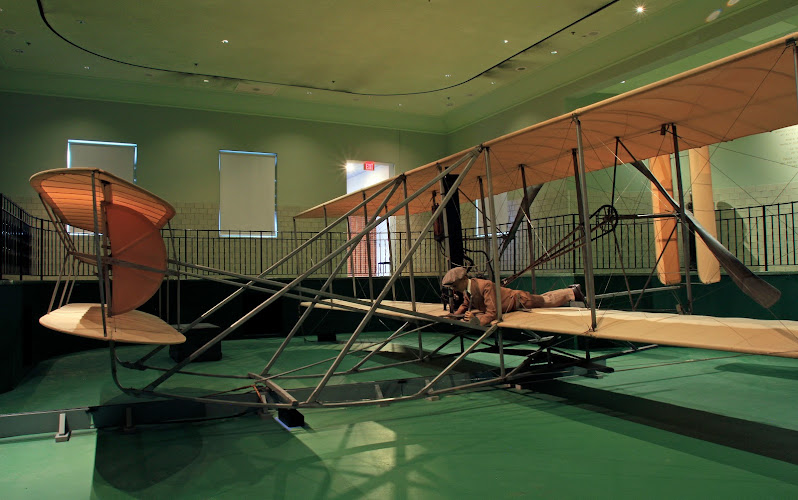
The John W. Berry, Sr. Wright Brothers National Museum is one of those places that makes you stop and think about how far we’ve come—and how two brothers from Dayton, Ohio, helped make it all possible. Tucked inside Carillon Historical Park, this museum isn’t just about airplanes; it’s about human curiosity, persistence, and the kind of quiet genius that changes the world. I remember walking through the entrance and feeling that strange mix of nostalgia and awe, the kind that hits you when you realize you’re standing just a few feet away from the original 1905 Wright Flyer III. That’s not a replica—it’s the real deal. The only airplane ever designated a National Historic Landmark, and the first practical flying machine the Wright brothers themselves called their most important creation. It’s humbling, honestly.
The museum holds more Wright family artifacts than anywhere else on Earth. You’ll find their tools, notebooks, and even bits of their early experiments that look almost homemade by today’s standards. But that’s what makes it so fascinating. It’s not polished or overly theatrical—it feels authentic, like you’ve stepped into their workshop. The exhibits tell the story of how two bicycle mechanics turned dreamers into pioneers, and you can trace that journey step by step. There’s a subtle energy in the air that makes you want to tinker with something yourself, just to see what might happen.
The museum is part of a larger experience at Carillon Historical Park, so you can easily make a full day of it. Between the museum, the historic buildings, and the peaceful park setting, it’s one of those places that appeals to both history buffs and families just looking for a meaningful outing. And yes, it’s family-friendly—kids seem to love the interactive displays and the chance to see what flight looked like before jets and drones took over the skies.
Key Features
- Home to the original 1905 Wright Flyer III, the only airplane designated a National Historic Landmark.
- Holds the world’s largest collection of Wright family artifacts and personal items.
- Located within Carillon Historical Park, offering a broader historical context of Dayton’s innovation legacy.
- Features a small theater that plays short films about the Wright brothers’ journey and achievements.
- Includes a well-curated gift shop with aviation-themed souvenirs and educational materials.
- Offers guided tours that bring the Wright brothers’ story to life with engaging storytelling and historical insight.
- Wheelchair accessible throughout, with accessible restrooms and parking available.
- Includes a cozy café for a quick coffee or lunch break between exhibits.
One of the highlights for me personally was the guided tour. The staff know their stuff—they’re not just reciting facts, they’re telling stories. You can tell they genuinely love what they do. And if you’re the kind of person who enjoys learning how things work, you’ll find yourself lingering over the mechanical displays, imagining how Orville and Wilbur must have felt when that engine first sputtered to life.
Best Time to Visit
If you’re planning a trip, spring and early fall are probably the best times to visit. The weather in Dayton is pleasant, and the park grounds are at their most beautiful. The museum itself is indoors, so technically you can go any time of year, but there’s something special about walking out of the museum into the crisp air and hearing the church bells from the park’s carillon tower. Summer can get a bit crowded, especially on weekends, so if you prefer a quieter experience, try visiting on a weekday morning.
During the holiday season, the park around the museum often hosts festive events and light displays, which adds a charming touch to the visit. It’s worth checking the event calendar before you go—sometimes they host special talks or anniversary celebrations related to aviation history. I once stumbled into a small presentation by a local historian who shared stories about the Wright brothers’ early test flights, and it completely changed how I thought about their work.
How to Get There
Getting to the John W. Berry, Sr. Wright Brothers National Museum is pretty straightforward if you’re traveling through Dayton. It’s located within Carillon Historical Park, just a short drive from downtown. There’s plenty of parking available, and it’s all easy to navigate. If you’re coming from out of town, Dayton International Airport is the closest major airport—about a 20-minute drive away.
Public transportation options are limited, so driving or using a rideshare service is your best bet. Once you arrive, the signage is clear, and the museum entrance is easy to find. I’d suggest setting aside at least two to three hours for your visit, especially if you plan to explore the rest of the park afterward. And if you’re traveling with kids, bring a stroller—it’s a large area, and little legs might get tired after a while.
Tips for Visiting
A few tips from someone who’s been there (and learned a couple of things the hard way):
- Buy tickets in advance. It saves time, especially during peak seasons or special events. The line can get surprisingly long on weekends.
- Take the guided tour. You’ll get so much more out of it. The guides are passionate and full of fun stories that you won’t find on the exhibit placards.
- Wear comfortable shoes. Even though much of the museum is indoors, the surrounding park is worth exploring, and you’ll be doing a fair bit of walking.
- Bring a camera. Photography is allowed in most areas, and there are some great photo ops with the Flyer III and other exhibits.
- Stop by the café. Their coffee isn’t half bad, and it’s a nice spot to sit and reflect on everything you’ve seen.
- Check accessibility options. The museum is wheelchair accessible, and the staff are always willing to help if you need assistance.
- Engage with the exhibits. Some are interactive, and they’re a hit with both kids and adults. Don’t just read—touch, listen, and experience.
One more thing: don’t rush. This isn’t the kind of museum you breeze through. The Wright brothers’ story deserves time—time to read, to think, to imagine what it must have been like to be the first humans to truly fly. I remember standing in front of that fragile-looking Flyer III, thinking how much courage it must have taken to climb aboard. It’s one of those rare places that leaves you feeling inspired long after you’ve left.
Overall, the John W. Berry, Sr. Wright Brothers National Museum is more than a collection of artifacts—it’s a tribute to innovation, perseverance, and the human spirit. If you’re traveling through Ohio, it’s absolutely worth the detour. Whether you’re an aviation enthusiast, a history lover, or just someone who appreciates a good story about chasing impossible dreams, this museum delivers. And who knows? You might just walk out with a little spark of inspiration yourself.
Key Features
- Home to the original 1905 Wright Flyer III, the only airplane designated a National Historic Landmark.
- Holds the world’s largest collection of Wright family artifacts and personal items.
- Located within Carillon Historical Park, offering a broader historical context of Dayton’s innovation legacy.
- Features a small theater that plays short films about the Wright brothers’ journey and achievements.
- Includes a well-curated gift shop with aviation-themed souvenirs and educational materials.
- Offers guided tours that bring the Wright brothers’ story to life with engaging storytelling and historical insight.
- Wheelchair accessible throughout, with accessible restrooms and parking available.
- Includes a cozy café for a quick coffee or lunch break between exhibits.
More Details
Updated November 7, 2025
Table of Contents
- Description
- Key Features
- Best Time to Visit
- How to Get There
- Tips for Visiting
- Key Highlights
- Location
- Places to Stay Near John W Berry Sr Wright Brothers National Museum
- Find and Book a Tour
- Explore More Travel Guides
- Nearby Places You Might Like
- Traveler Reviews for John W Berry Sr Wright Brothers National Museum
- Share Your Experience
Description
The John W. Berry, Sr. Wright Brothers National Museum is one of those places that makes you stop and think about how far we’ve come—and how two brothers from Dayton, Ohio, helped make it all possible. Tucked inside Carillon Historical Park, this museum isn’t just about airplanes; it’s about human curiosity, persistence, and the kind of quiet genius that changes the world. I remember walking through the entrance and feeling that strange mix of nostalgia and awe, the kind that hits you when you realize you’re standing just a few feet away from the original 1905 Wright Flyer III. That’s not a replica—it’s the real deal. The only airplane ever designated a National Historic Landmark, and the first practical flying machine the Wright brothers themselves called their most important creation. It’s humbling, honestly.
The museum holds more Wright family artifacts than anywhere else on Earth. You’ll find their tools, notebooks, and even bits of their early experiments that look almost homemade by today’s standards. But that’s what makes it so fascinating. It’s not polished or overly theatrical—it feels authentic, like you’ve stepped into their workshop. The exhibits tell the story of how two bicycle mechanics turned dreamers into pioneers, and you can trace that journey step by step. There’s a subtle energy in the air that makes you want to tinker with something yourself, just to see what might happen.
The museum is part of a larger experience at Carillon Historical Park, so you can easily make a full day of it. Between the museum, the historic buildings, and the peaceful park setting, it’s one of those places that appeals to both history buffs and families just looking for a meaningful outing. And yes, it’s family-friendly—kids seem to love the interactive displays and the chance to see what flight looked like before jets and drones took over the skies.
Key Features
- Home to the original 1905 Wright Flyer III, the only airplane designated a National Historic Landmark.
- Holds the world’s largest collection of Wright family artifacts and personal items.
- Located within Carillon Historical Park, offering a broader historical context of Dayton’s innovation legacy.
- Features a small theater that plays short films about the Wright brothers’ journey and achievements.
- Includes a well-curated gift shop with aviation-themed souvenirs and educational materials.
- Offers guided tours that bring the Wright brothers’ story to life with engaging storytelling and historical insight.
- Wheelchair accessible throughout, with accessible restrooms and parking available.
- Includes a cozy café for a quick coffee or lunch break between exhibits.
One of the highlights for me personally was the guided tour. The staff know their stuff—they’re not just reciting facts, they’re telling stories. You can tell they genuinely love what they do. And if you’re the kind of person who enjoys learning how things work, you’ll find yourself lingering over the mechanical displays, imagining how Orville and Wilbur must have felt when that engine first sputtered to life.
Best Time to Visit
If you’re planning a trip, spring and early fall are probably the best times to visit. The weather in Dayton is pleasant, and the park grounds are at their most beautiful. The museum itself is indoors, so technically you can go any time of year, but there’s something special about walking out of the museum into the crisp air and hearing the church bells from the park’s carillon tower. Summer can get a bit crowded, especially on weekends, so if you prefer a quieter experience, try visiting on a weekday morning.
During the holiday season, the park around the museum often hosts festive events and light displays, which adds a charming touch to the visit. It’s worth checking the event calendar before you go—sometimes they host special talks or anniversary celebrations related to aviation history. I once stumbled into a small presentation by a local historian who shared stories about the Wright brothers’ early test flights, and it completely changed how I thought about their work.
How to Get There
Getting to the John W. Berry, Sr. Wright Brothers National Museum is pretty straightforward if you’re traveling through Dayton. It’s located within Carillon Historical Park, just a short drive from downtown. There’s plenty of parking available, and it’s all easy to navigate. If you’re coming from out of town, Dayton International Airport is the closest major airport—about a 20-minute drive away.
Public transportation options are limited, so driving or using a rideshare service is your best bet. Once you arrive, the signage is clear, and the museum entrance is easy to find. I’d suggest setting aside at least two to three hours for your visit, especially if you plan to explore the rest of the park afterward. And if you’re traveling with kids, bring a stroller—it’s a large area, and little legs might get tired after a while.
Tips for Visiting
A few tips from someone who’s been there (and learned a couple of things the hard way):
- Buy tickets in advance. It saves time, especially during peak seasons or special events. The line can get surprisingly long on weekends.
- Take the guided tour. You’ll get so much more out of it. The guides are passionate and full of fun stories that you won’t find on the exhibit placards.
- Wear comfortable shoes. Even though much of the museum is indoors, the surrounding park is worth exploring, and you’ll be doing a fair bit of walking.
- Bring a camera. Photography is allowed in most areas, and there are some great photo ops with the Flyer III and other exhibits.
- Stop by the café. Their coffee isn’t half bad, and it’s a nice spot to sit and reflect on everything you’ve seen.
- Check accessibility options. The museum is wheelchair accessible, and the staff are always willing to help if you need assistance.
- Engage with the exhibits. Some are interactive, and they’re a hit with both kids and adults. Don’t just read—touch, listen, and experience.
One more thing: don’t rush. This isn’t the kind of museum you breeze through. The Wright brothers’ story deserves time—time to read, to think, to imagine what it must have been like to be the first humans to truly fly. I remember standing in front of that fragile-looking Flyer III, thinking how much courage it must have taken to climb aboard. It’s one of those rare places that leaves you feeling inspired long after you’ve left.
Overall, the John W. Berry, Sr. Wright Brothers National Museum is more than a collection of artifacts—it’s a tribute to innovation, perseverance, and the human spirit. If you’re traveling through Ohio, it’s absolutely worth the detour. Whether you’re an aviation enthusiast, a history lover, or just someone who appreciates a good story about chasing impossible dreams, this museum delivers. And who knows? You might just walk out with a little spark of inspiration yourself.
Key Highlights
- Home to the original 1905 Wright Flyer III, the only airplane designated a National Historic Landmark.
- Holds the world’s largest collection of Wright family artifacts and personal items.
- Located within Carillon Historical Park, offering a broader historical context of Dayton’s innovation legacy.
- Features a small theater that plays short films about the Wright brothers’ journey and achievements.
- Includes a well-curated gift shop with aviation-themed souvenirs and educational materials.
- Offers guided tours that bring the Wright brothers’ story to life with engaging storytelling and historical insight.
- Wheelchair accessible throughout, with accessible restrooms and parking available.
- Includes a cozy café for a quick coffee or lunch break between exhibits.
Location
Places to Stay Near John W Berry Sr Wright Brothers National Museum
Find and Book a Tour
Explore More Travel Guides
No reviews found! Be the first to review!
Traveler Reviews for John W Berry Sr Wright Brothers National Museum
There are no reviews yet. Be the first one to write one.
Have you visited John W Berry Sr Wright Brothers National Museum? Help other travelers by sharing your review.
You Might Also Like

RiverScape MetroPark

Dayton Aviation Heritage National Historical Park

The Dayton Art Institute
Find Accommodations Nearby
Recommended Tours & Activities
Visitor Reviews
There are no reviews yet. Be the first one to write one.
Share Your Experience
Have you visited John W Berry Sr Wright Brothers National Museum? Help other travelers by leaving a review.