
De Castro Subdivision
About De Castro Subdivision
Description
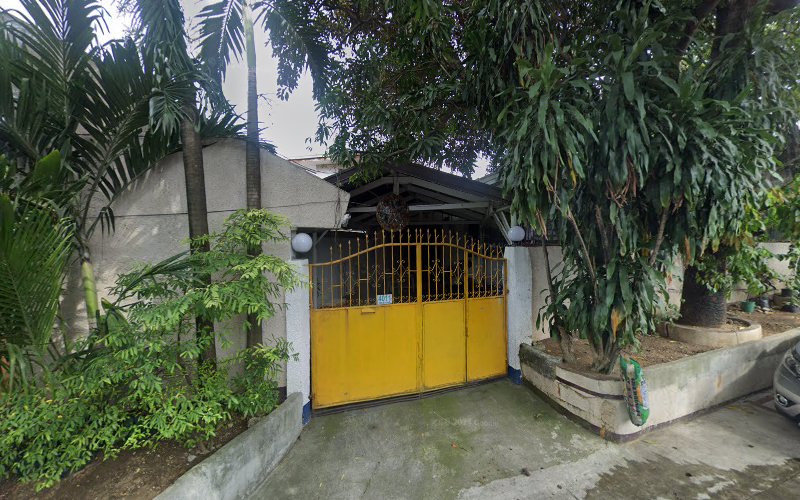
De Castro Subdivision is one of those places that quietly grows on you. It’s not a flashy tourist destination or a bustling city center, but that’s exactly where its charm lies. Tucked away in a calm pocket of Valenzuela, this residential community offers a genuine glimpse of everyday Filipino life—friendly neighbors chatting by the gate, kids playing basketball in the late afternoon, and the faint aroma of home-cooked meals drifting through the air. It’s the kind of place that feels lived-in, not staged, and that’s what makes it worth visiting if you’re the kind of traveler who enjoys exploring beyond the usual tourist trails.
The subdivision has a mix of old and new homes, some freshly painted, others showing the comfortable wear of time. You can tell stories live here—families that have grown up together, small businesses that started in someone’s garage, and community events that pull everyone out onto the streets. It’s a slice of suburban Metro Manila that’s both familiar and distinct. I remember walking through on a humid afternoon, and a local offered me a cold bottle of soda just because I looked like I needed one—that’s the kind of warmth you’ll find here.
While it’s primarily a residential area, De Castro Subdivision has a few hidden gems for curious travelers. There are local eateries serving authentic Filipino comfort food—think sizzling sisig, pancit, and halo-halo from stalls that have been around for decades. There’s also a small park where residents gather for morning jogs or evening strolls. It’s not the kind of place you visit for grand attractions, but rather for the subtle, human moments that make travel meaningful.
Key Features
- Peaceful residential vibe: The area maintains a calm, laid-back atmosphere—ideal for travelers seeking a break from the city’s chaos.
- Local food culture: Small eateries and carinderias serve traditional Filipino dishes cooked with care and authenticity.
- Community spirit: Residents are known for their hospitality and warmth, often greeting visitors with genuine smiles.
- Accessibility: Close to major roads and public transport routes, making it easy to explore nearby parts of Valenzuela and Metro Manila.
- Safe and family-friendly: Streets are well-maintained, and there’s a strong sense of neighborly watchfulness.
- Affordable accommodations nearby: Budget-friendly guesthouses and transient homes are available in the surrounding area.
Best Time to Visit
If you’re planning to explore De Castro Subdivision, the dry season—roughly from December to May—is your best bet. The weather’s more predictable, and you won’t have to dodge sudden downpours while wandering around. During this time, the streets are livelier, and you’ll often see residents hosting small outdoor gatherings or community events. I personally love visiting around April, when the days are long and the evenings are warm enough for a leisurely walk after dinner. Just bring a hat and some water—it can get pretty hot by midday.
That said, there’s something oddly charming about visiting during the rainy months too. The sound of rain tapping on tin roofs, the smell of wet soil, and the sight of locals huddled under umbrellas—it gives the place a cozy, almost cinematic feel. If you don’t mind a bit of drizzle, you might find that the subdivision takes on a different, more introspective kind of beauty during this time.
How to Get There
Getting to De Castro Subdivision is straightforward, especially if you’re already in Metro Manila. From central areas like Quezon City or Manila proper, you can take a bus or jeepney heading toward Valenzuela. Most drivers will know the general area, and if you mention the subdivision’s name, they’ll usually point you in the right direction. For convenience, ride-hailing apps are also a great option—they’ll drop you right at the entrance without the hassle of transfers.
If you’re driving, the roads are fairly easy to navigate, though traffic can get dense during rush hours (which, let’s be honest, is most of the day in Metro Manila). It’s best to go early in the morning or later in the evening if you want a smoother trip. Parking within the subdivision is limited, so if you’re visiting someone, it’s polite to check ahead about where to leave your car. And if you’re relying on public transport, don’t worry—locals are more than willing to help with directions. I once got lost trying to find a nearby bakery, and a tricycle driver not only gave me directions but actually drove me there for free. That’s the kind of kindness you’ll encounter here.
Tips for Visiting
Visiting De Castro Subdivision is all about slowing down and soaking in the rhythm of local life. Here are a few tips to make your experience smoother and more rewarding:
- Respect the community: Remember, this is a residential area. Keep noise levels low and be mindful of private spaces.
- Try the local eats: Skip the chain restaurants and go for the small neighborhood carinderias. The food’s cheaper, tastier, and cooked with heart.
- Bring cash: While some nearby stores accept digital payments, cash is still king here—especially for small purchases.
- Stay hydrated: The heat can sneak up on you, especially around noon. Carry a reusable water bottle.
- Engage with locals: Don’t be shy! Many residents love chatting with visitors and sharing stories about the area’s history.
- Explore nearby spots: Use De Castro Subdivision as a base to explore Valenzuela’s other attractions—parks, churches, and local markets are just a short ride away.
And here’s a personal tip: bring a camera, even if it’s just your phone. The place might not have postcard-perfect landmarks, but it’s full of small, beautiful details—colorful house facades, kids’ laughter echoing through narrow streets, the golden glow of sunset bouncing off rooftops. These are the kinds of moments that remind you why travel doesn’t always need grand destinations. Sometimes, it’s the quiet corners that tell the best stories.
Overall, De Castro Subdivision offers a refreshing contrast to the fast-paced energy of Metro Manila. It’s a place where you can catch your breath, connect with locals, and experience the genuine, everyday side of Filipino life. Whether you’re passing through or staying nearby for a few days, take the time to wander, observe, and maybe even share a meal with a local family. You’ll leave with stories that no guidebook could ever give you—and probably a few new friends too.
Key Features
- Key Features
- Best Time to Visit
- How to Get There
- Tips for Visiting
More Details
Updated November 7, 2025
Table of Contents
Description
De Castro Subdivision is one of those places that quietly grows on you. It’s not a flashy tourist destination or a bustling city center, but that’s exactly where its charm lies. Tucked away in a calm pocket of Valenzuela, this residential community offers a genuine glimpse of everyday Filipino life—friendly neighbors chatting by the gate, kids playing basketball in the late afternoon, and the faint aroma of home-cooked meals drifting through the air. It’s the kind of place that feels lived-in, not staged, and that’s what makes it worth visiting if you’re the kind of traveler who enjoys exploring beyond the usual tourist trails.
The subdivision has a mix of old and new homes, some freshly painted, others showing the comfortable wear of time. You can tell stories live here—families that have grown up together, small businesses that started in someone’s garage, and community events that pull everyone out onto the streets. It’s a slice of suburban Metro Manila that’s both familiar and distinct. I remember walking through on a humid afternoon, and a local offered me a cold bottle of soda just because I looked like I needed one—that’s the kind of warmth you’ll find here.
While it’s primarily a residential area, De Castro Subdivision has a few hidden gems for curious travelers. There are local eateries serving authentic Filipino comfort food—think sizzling sisig, pancit, and halo-halo from stalls that have been around for decades. There’s also a small park where residents gather for morning jogs or evening strolls. It’s not the kind of place you visit for grand attractions, but rather for the subtle, human moments that make travel meaningful.
Key Features
- Peaceful residential vibe: The area maintains a calm, laid-back atmosphere—ideal for travelers seeking a break from the city’s chaos.
- Local food culture: Small eateries and carinderias serve traditional Filipino dishes cooked with care and authenticity.
- Community spirit: Residents are known for their hospitality and warmth, often greeting visitors with genuine smiles.
- Accessibility: Close to major roads and public transport routes, making it easy to explore nearby parts of Valenzuela and Metro Manila.
- Safe and family-friendly: Streets are well-maintained, and there’s a strong sense of neighborly watchfulness.
- Affordable accommodations nearby: Budget-friendly guesthouses and transient homes are available in the surrounding area.
Best Time to Visit
If you’re planning to explore De Castro Subdivision, the dry season—roughly from December to May—is your best bet. The weather’s more predictable, and you won’t have to dodge sudden downpours while wandering around. During this time, the streets are livelier, and you’ll often see residents hosting small outdoor gatherings or community events. I personally love visiting around April, when the days are long and the evenings are warm enough for a leisurely walk after dinner. Just bring a hat and some water—it can get pretty hot by midday.
That said, there’s something oddly charming about visiting during the rainy months too. The sound of rain tapping on tin roofs, the smell of wet soil, and the sight of locals huddled under umbrellas—it gives the place a cozy, almost cinematic feel. If you don’t mind a bit of drizzle, you might find that the subdivision takes on a different, more introspective kind of beauty during this time.
How to Get There
Getting to De Castro Subdivision is straightforward, especially if you’re already in Metro Manila. From central areas like Quezon City or Manila proper, you can take a bus or jeepney heading toward Valenzuela. Most drivers will know the general area, and if you mention the subdivision’s name, they’ll usually point you in the right direction. For convenience, ride-hailing apps are also a great option—they’ll drop you right at the entrance without the hassle of transfers.
If you’re driving, the roads are fairly easy to navigate, though traffic can get dense during rush hours (which, let’s be honest, is most of the day in Metro Manila). It’s best to go early in the morning or later in the evening if you want a smoother trip. Parking within the subdivision is limited, so if you’re visiting someone, it’s polite to check ahead about where to leave your car. And if you’re relying on public transport, don’t worry—locals are more than willing to help with directions. I once got lost trying to find a nearby bakery, and a tricycle driver not only gave me directions but actually drove me there for free. That’s the kind of kindness you’ll encounter here.
Tips for Visiting
Visiting De Castro Subdivision is all about slowing down and soaking in the rhythm of local life. Here are a few tips to make your experience smoother and more rewarding:
- Respect the community: Remember, this is a residential area. Keep noise levels low and be mindful of private spaces.
- Try the local eats: Skip the chain restaurants and go for the small neighborhood carinderias. The food’s cheaper, tastier, and cooked with heart.
- Bring cash: While some nearby stores accept digital payments, cash is still king here—especially for small purchases.
- Stay hydrated: The heat can sneak up on you, especially around noon. Carry a reusable water bottle.
- Engage with locals: Don’t be shy! Many residents love chatting with visitors and sharing stories about the area’s history.
- Explore nearby spots: Use De Castro Subdivision as a base to explore Valenzuela’s other attractions—parks, churches, and local markets are just a short ride away.
And here’s a personal tip: bring a camera, even if it’s just your phone. The place might not have postcard-perfect landmarks, but it’s full of small, beautiful details—colorful house facades, kids’ laughter echoing through narrow streets, the golden glow of sunset bouncing off rooftops. These are the kinds of moments that remind you why travel doesn’t always need grand destinations. Sometimes, it’s the quiet corners that tell the best stories.
Overall, De Castro Subdivision offers a refreshing contrast to the fast-paced energy of Metro Manila. It’s a place where you can catch your breath, connect with locals, and experience the genuine, everyday side of Filipino life. Whether you’re passing through or staying nearby for a few days, take the time to wander, observe, and maybe even share a meal with a local family. You’ll leave with stories that no guidebook could ever give you—and probably a few new friends too.
Key Highlights
- Key Features
- Best Time to Visit
- How to Get There
- Tips for Visiting
Location
Places to Stay Near De Castro Subdivision
Find and Book a Tour
Explore More Travel Guides
No reviews found! Be the first to review!
Traveler Reviews for De Castro Subdivision
There are no reviews yet. Be the first one to write one.
Have you visited De Castro Subdivision? Help other travelers by sharing your review.
You Might Also Like
Knp wall
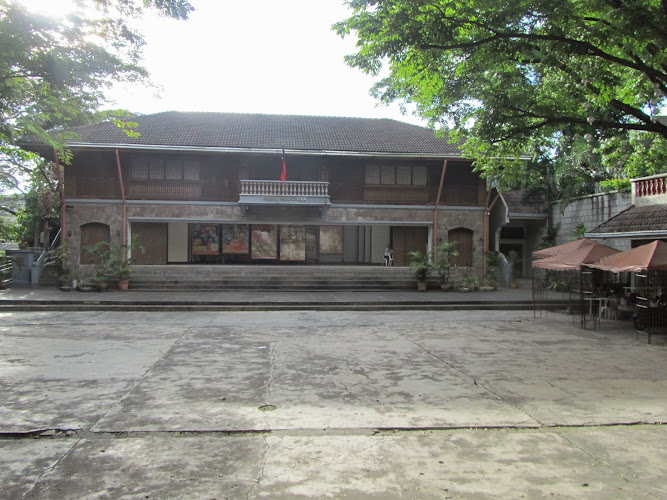
Museo Valenzuela
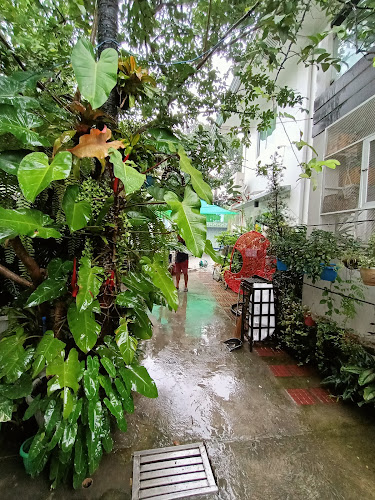
JAF Event Place
Find Accommodations Nearby
Recommended Tours & Activities
Visitor Reviews
There are no reviews yet. Be the first one to write one.
Share Your Experience
Have you visited De Castro Subdivision? Help other travelers by leaving a review.