
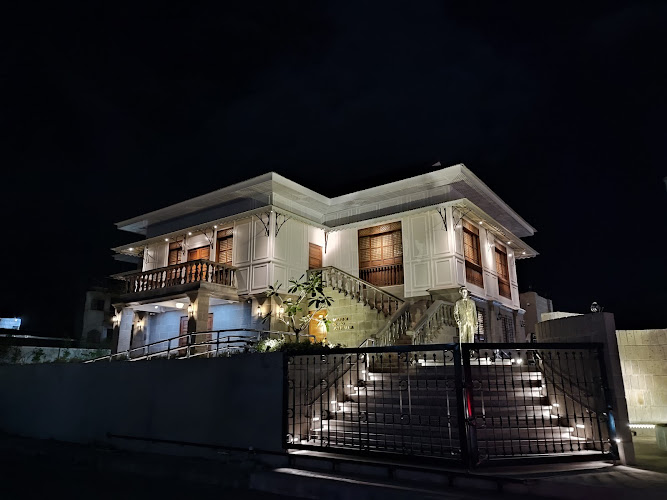
Birthplace of Dr. Pio Valenzuela
About Birthplace of Dr. Pio Valenzuela
Description
The Birthplace of Dr. Pio Valenzuela, tucked away in the quiet streets of Valenzuela City, is one of those places that quietly hums with history. It’s not flashy or overly crowded, but that’s exactly what makes it special. This ancestral home, now turned museum, stands as a proud reminder of the life and legacy of Dr. Pio Valenzuela — physician, revolutionary, and one of the key figures of the Katipunan alongside Andrés Bonifacio and Emilio Jacinto. Walking through its wooden floors feels like stepping back into the late 1800s, when the air was thick with the spirit of revolution and hope for independence.
The museum itself is modest in size, but it’s packed with stories. You’ll find personal belongings, old photographs, and replicas of documents that tell the tale of a man who dedicated his life to freedom and education. The house has been carefully preserved, showcasing traditional Filipino architecture — wide capiz windows, wooden beams, and a layout that speaks of simpler times. It’s the kind of place that makes you pause and appreciate how much history can fit into a single home.
I remember the first time I visited — it wasn’t crowded at all, which made it even more meaningful. You could hear the faint rustle of the trees outside, and the creak of the old floorboards under your feet. There’s something almost poetic about standing in the same spot where a national hero once dreamed of a free Philippines. It’s not just a museum; it’s a time capsule of courage and conviction.
Key Features
- Authentic ancestral home of Dr. Pio Valenzuela, preserved as a heritage museum
- Exhibits showcasing artifacts, photographs, and documents from the Philippine Revolution
- Traditional Filipino architecture featuring capiz windows and hardwood interiors
- Peaceful park-like surroundings with shaded rest areas and benches
- Wheelchair-accessible parking and pathways for inclusive visits
- Educational tours available for students and history enthusiasts
- Family-friendly environment that encourages learning and reflection
What I love about this place is how it manages to be both educational and relaxing. You can spend a good hour or two just wandering around, reading the displays, or sitting outside under the trees. It’s also a great spot for kids — they get to learn about a national hero in a way that feels tangible, not just something out of a textbook. And if you’re a history buff like me, you’ll appreciate the attention to detail. The curators clearly put a lot of heart into preserving the authenticity of the home.
Best Time to Visit
If you ask me, the best time to visit is in the morning, around 9 or 10 a.m., when the light filters softly through the capiz windows and the air is still cool. It gives the whole place a calm, reflective mood — perfect for taking in the exhibits without the midday heat. Weekdays are generally quieter, which means you can take your time exploring without feeling rushed.
The museum is open year-round, but if you want to catch special events or commemorations, plan your visit around July. That’s when locals celebrate Dr. Pio Valenzuela’s birth anniversary, and you’ll often find small community programs or guided tours happening. It’s a lovely way to experience the place with a bit more life and energy.
How to Get There
Getting to the Birthplace of Dr. Pio Valenzuela is fairly straightforward. If you’re coming from central Metro Manila, you can take a bus or jeepney bound for Valenzuela City. From there, local tricycles can take you directly to the site. It’s well-known among residents, so even if you’re not familiar with the area, just ask around — people are friendly and happy to point you in the right direction.
For those driving, there’s a small but convenient parking area near the entrance. The roads leading to the site are paved and accessible, though traffic can get a bit heavy during rush hours (as it tends to in Metro Manila). If you prefer public transport, try visiting during off-peak hours for a smoother trip. I once made the mistake of going on a Friday afternoon — let’s just say it took me twice as long as expected, but honestly, the visit was still worth it.
Tips for Visiting
Here’s the thing — this isn’t your typical tourist attraction with souvenir shops and loud crowds. It’s quiet, intimate, and deeply historical. So, to make the most out of your visit, here are a few tips I’ve picked up along the way:
- Take your time. Don’t rush through the exhibits. Read the placards, look closely at the photos, and imagine the life of Dr. Valenzuela during the revolution. It’s a humbling experience.
- Bring a camera, but be respectful. Photography is allowed in most areas, but avoid flash inside the museum to preserve the artifacts.
- Wear comfortable shoes. The floors are wooden, and you’ll be walking around a bit, so sneakers or flats are your best bet.
- Talk to the staff. They’re incredibly knowledgeable and often share stories that aren’t written on the displays. I learned about how Dr. Valenzuela continued practicing medicine even after his political career — something I wouldn’t have known otherwise.
- Visit with kids or students. It’s a great educational trip for young learners. The museum’s layout and storytelling make it easy to understand history in a real-world context.
- Check the weather. Since some parts of the site are open-air, it’s best to go on a dry day. Bring an umbrella or hat just in case.
- Reflect before you leave. Find a quiet spot outside and take a few minutes to think about what you’ve learned. It’s amazing how one person’s story can ripple through generations.
What really sets this place apart is its authenticity. It’s not commercialized or overdone — just a genuine slice of history preserved for generations to appreciate. You don’t need to be a historian to enjoy it. Even if you’re just someone who loves discovering meaningful places, this one will leave an impression.
Sometimes, we travel far and wide looking for grand monuments or famous landmarks, but it’s the smaller, quieter places that often tell the most powerful stories. The Birthplace of Dr. Pio Valenzuela is one of those. It’s a reminder that history isn’t just found in books or museums — it’s built into the walls of homes like this one, where courage once lived and breathed.
So, if you ever find yourself in Valenzuela City, take a little detour and visit this humble yet profound landmark. Walk through its halls, listen to the echoes of the past, and maybe, just maybe, you’ll walk away feeling a little more connected to the country’s story — and to your own sense of what it means to stand for something bigger than yourself.
Key Features
- Authentic ancestral home of Dr. Pio Valenzuela, preserved as a heritage museum
- Exhibits showcasing artifacts, photographs, and documents from the Philippine Revolution
- Traditional Filipino architecture featuring capiz windows and hardwood interiors
- Peaceful park-like surroundings with shaded rest areas and benches
- Wheelchair-accessible parking and pathways for inclusive visits
- Educational tours available for students and history enthusiasts
- Family-friendly environment that encourages learning and reflection
More Details
Updated November 7, 2025
Table of Contents
Description
The Birthplace of Dr. Pio Valenzuela, tucked away in the quiet streets of Valenzuela City, is one of those places that quietly hums with history. It’s not flashy or overly crowded, but that’s exactly what makes it special. This ancestral home, now turned museum, stands as a proud reminder of the life and legacy of Dr. Pio Valenzuela — physician, revolutionary, and one of the key figures of the Katipunan alongside Andrés Bonifacio and Emilio Jacinto. Walking through its wooden floors feels like stepping back into the late 1800s, when the air was thick with the spirit of revolution and hope for independence.
The museum itself is modest in size, but it’s packed with stories. You’ll find personal belongings, old photographs, and replicas of documents that tell the tale of a man who dedicated his life to freedom and education. The house has been carefully preserved, showcasing traditional Filipino architecture — wide capiz windows, wooden beams, and a layout that speaks of simpler times. It’s the kind of place that makes you pause and appreciate how much history can fit into a single home.
I remember the first time I visited — it wasn’t crowded at all, which made it even more meaningful. You could hear the faint rustle of the trees outside, and the creak of the old floorboards under your feet. There’s something almost poetic about standing in the same spot where a national hero once dreamed of a free Philippines. It’s not just a museum; it’s a time capsule of courage and conviction.
Key Features
- Authentic ancestral home of Dr. Pio Valenzuela, preserved as a heritage museum
- Exhibits showcasing artifacts, photographs, and documents from the Philippine Revolution
- Traditional Filipino architecture featuring capiz windows and hardwood interiors
- Peaceful park-like surroundings with shaded rest areas and benches
- Wheelchair-accessible parking and pathways for inclusive visits
- Educational tours available for students and history enthusiasts
- Family-friendly environment that encourages learning and reflection
What I love about this place is how it manages to be both educational and relaxing. You can spend a good hour or two just wandering around, reading the displays, or sitting outside under the trees. It’s also a great spot for kids — they get to learn about a national hero in a way that feels tangible, not just something out of a textbook. And if you’re a history buff like me, you’ll appreciate the attention to detail. The curators clearly put a lot of heart into preserving the authenticity of the home.
Best Time to Visit
If you ask me, the best time to visit is in the morning, around 9 or 10 a.m., when the light filters softly through the capiz windows and the air is still cool. It gives the whole place a calm, reflective mood — perfect for taking in the exhibits without the midday heat. Weekdays are generally quieter, which means you can take your time exploring without feeling rushed.
The museum is open year-round, but if you want to catch special events or commemorations, plan your visit around July. That’s when locals celebrate Dr. Pio Valenzuela’s birth anniversary, and you’ll often find small community programs or guided tours happening. It’s a lovely way to experience the place with a bit more life and energy.
How to Get There
Getting to the Birthplace of Dr. Pio Valenzuela is fairly straightforward. If you’re coming from central Metro Manila, you can take a bus or jeepney bound for Valenzuela City. From there, local tricycles can take you directly to the site. It’s well-known among residents, so even if you’re not familiar with the area, just ask around — people are friendly and happy to point you in the right direction.
For those driving, there’s a small but convenient parking area near the entrance. The roads leading to the site are paved and accessible, though traffic can get a bit heavy during rush hours (as it tends to in Metro Manila). If you prefer public transport, try visiting during off-peak hours for a smoother trip. I once made the mistake of going on a Friday afternoon — let’s just say it took me twice as long as expected, but honestly, the visit was still worth it.
Tips for Visiting
Here’s the thing — this isn’t your typical tourist attraction with souvenir shops and loud crowds. It’s quiet, intimate, and deeply historical. So, to make the most out of your visit, here are a few tips I’ve picked up along the way:
- Take your time. Don’t rush through the exhibits. Read the placards, look closely at the photos, and imagine the life of Dr. Valenzuela during the revolution. It’s a humbling experience.
- Bring a camera, but be respectful. Photography is allowed in most areas, but avoid flash inside the museum to preserve the artifacts.
- Wear comfortable shoes. The floors are wooden, and you’ll be walking around a bit, so sneakers or flats are your best bet.
- Talk to the staff. They’re incredibly knowledgeable and often share stories that aren’t written on the displays. I learned about how Dr. Valenzuela continued practicing medicine even after his political career — something I wouldn’t have known otherwise.
- Visit with kids or students. It’s a great educational trip for young learners. The museum’s layout and storytelling make it easy to understand history in a real-world context.
- Check the weather. Since some parts of the site are open-air, it’s best to go on a dry day. Bring an umbrella or hat just in case.
- Reflect before you leave. Find a quiet spot outside and take a few minutes to think about what you’ve learned. It’s amazing how one person’s story can ripple through generations.
What really sets this place apart is its authenticity. It’s not commercialized or overdone — just a genuine slice of history preserved for generations to appreciate. You don’t need to be a historian to enjoy it. Even if you’re just someone who loves discovering meaningful places, this one will leave an impression.
Sometimes, we travel far and wide looking for grand monuments or famous landmarks, but it’s the smaller, quieter places that often tell the most powerful stories. The Birthplace of Dr. Pio Valenzuela is one of those. It’s a reminder that history isn’t just found in books or museums — it’s built into the walls of homes like this one, where courage once lived and breathed.
So, if you ever find yourself in Valenzuela City, take a little detour and visit this humble yet profound landmark. Walk through its halls, listen to the echoes of the past, and maybe, just maybe, you’ll walk away feeling a little more connected to the country’s story — and to your own sense of what it means to stand for something bigger than yourself.
Key Highlights
- Authentic ancestral home of Dr. Pio Valenzuela, preserved as a heritage museum
- Exhibits showcasing artifacts, photographs, and documents from the Philippine Revolution
- Traditional Filipino architecture featuring capiz windows and hardwood interiors
- Peaceful park-like surroundings with shaded rest areas and benches
- Wheelchair-accessible parking and pathways for inclusive visits
- Educational tours available for students and history enthusiasts
- Family-friendly environment that encourages learning and reflection
Location
Places to Stay Near Birthplace of Dr. Pio Valenzuela
Find and Book a Tour
Explore More Travel Guides
No reviews found! Be the first to review!
Traveler Reviews for Birthplace of Dr. Pio Valenzuela
There are no reviews yet. Be the first one to write one.
Have you visited Birthplace of Dr. Pio Valenzuela? Help other travelers by sharing your review.
You Might Also Like
Jaycee Vanellope Avenue Valenzuela
21 Encarnacion St
650-19
Find Accommodations Nearby
Recommended Tours & Activities
Visitor Reviews
There are no reviews yet. Be the first one to write one.
Share Your Experience
Have you visited Birthplace of Dr. Pio Valenzuela? Help other travelers by leaving a review.