
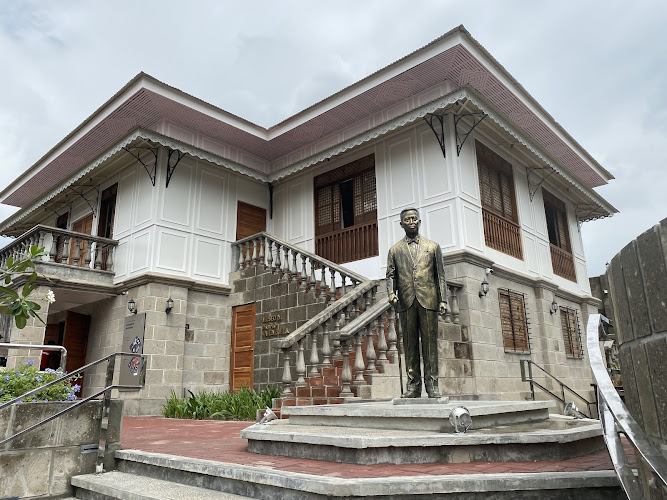
Museo ni Dr. Pio Valenzuela
About Museo ni Dr. Pio Valenzuela
Description
There’s something quietly moving about walking into the Museo ni Dr. Pio Valenzuela. It’s not one of those grand, overly polished museums that feel distant or intimidating. Instead, it’s warm, grounded, and deeply tied to the roots of Filipino history. The museum honors Dr. Pio Valenzuela — a physician, patriot, and one of the key figures of the Philippine Revolution. His legacy lives on here, not just through artifacts and portraits, but through the stories that echo in every corner of the building. You can almost imagine him pacing the floors, planning, dreaming, and believing in freedom.
What’s striking is how the museum manages to balance simplicity and depth. It’s not massive, but it’s packed with meaning. You’ll find old documents, personal items, and displays that tell the story of Valenzuela’s life — from his early years to his involvement with the Katipunan. It’s the kind of place that makes history feel personal, not just a list of dates and names. And honestly, that’s rare. The museum staff are friendly and genuinely passionate about sharing what they know. They’ll tell you stories that aren’t in the textbooks, and that makes the visit even more memorable.
Accessibility is also thoughtfully considered. The entrance and parking are wheelchair-friendly, which is a big plus for travelers who need it. There’s also a clean restroom on-site — always a relief when you’re exploring for hours. Though there isn’t a restaurant inside, there are plenty of local food spots nearby, and that’s part of the charm. You can grab a meal after your visit and talk about what you’ve just seen, maybe even reflect on how much one person’s courage can change a nation’s course.
It’s a great place for kids, too. The exhibits are educational without being dull, and the museum does a good job of keeping young visitors engaged. If you’re traveling with family, it’s a nice way to introduce children to the country’s revolutionary history in a setting that’s calm and comfortable. The museum’s atmosphere feels welcoming — not too crowded, not too quiet, just enough to make you linger a little longer than you planned.
Overall, Museo ni Dr. Pio Valenzuela feels like a hidden gem. It’s not the kind of museum that tries to impress with flashy technology or massive halls. Instead, it draws you in with authenticity and heart. And that’s what makes it worth the trip. You leave not just with photos, but with stories — and maybe even a little more pride in being part of a nation with such a rich, complex history.
Key Features
- Historical Exhibits: Displays dedicated to Dr. Pio Valenzuela’s life, including rare documents, photographs, and memorabilia from the revolutionary era.
- Interactive Learning: Engaging exhibits designed to make history accessible to both adults and children.
- Wheelchair Accessibility: The museum features wheelchair-accessible entrances and parking, ensuring inclusivity for all visitors.
- Educational Programs: Occasional lectures and guided tours that delve deeper into local history and heritage preservation.
- Peaceful Ambiance: A quiet, well-maintained environment that encourages reflection and learning.
- Friendly Staff: Knowledgeable guides who share stories and insights beyond the exhibit descriptions.
- Restroom Available: Clean and well-kept facilities for visitor convenience.
- Kid-Friendly: Safe and engaging for families traveling with children.
Best Time to Visit
Now, if you’re wondering when to go, weekdays are your best bet. The museum tends to be quieter, giving you more room (and peace) to explore at your own pace. Mornings are particularly nice — the air’s cooler, the light filters beautifully through the windows, and you can take your time without feeling rushed. Weekends can get a bit busier, especially when there are school field trips or local events happening nearby. But even then, it never feels overcrowded.
If you’re traveling during the dry season, roughly from December to May, that’s ideal. The weather’s more predictable, and you won’t have to worry about sudden rain showers. But honestly, any time works if you’re prepared. Bring a hat and a bottle of water if you’re visiting in the hotter months. The museum itself is comfortable, but walking around the area afterward can get warm. I’ve visited during both sunny and rainy days, and each has its charm — rain gives the place this nostalgic, almost cinematic feel, while sunny days make the exhibits glow with natural light.
How to Get There
Getting to the Museo ni Dr. Pio Valenzuela is pretty straightforward, whether you’re coming from within Metro Manila or nearby provinces. If you’re driving, there’s accessible parking available, which makes it convenient for families and groups. For commuters, jeepneys and tricycles pass by the area frequently, and local drivers usually know exactly where the museum is. Just mention “Museo ni Dr. Pio Valenzuela,” and they’ll point you in the right direction. It’s one of those landmarks that locals take pride in, so directions are rarely an issue.
If you’re the type who likes to explore by public transport, the commute can actually be part of the adventure. You’ll see more of everyday life — small eateries, sari-sari stores, and the kind of street scenes that make the Philippines so interesting. For travelers who prefer convenience, ride-hailing apps work perfectly fine here, too. The trip might take a bit longer during rush hour (doesn’t everything?), but that’s part of the urban experience. Just plan ahead, leave early, and you’ll be fine.
Tips for Visiting
Here’s where a few insider pointers can make your visit smoother — and more enjoyable. First, bring a small notebook or use your phone’s notes app. There’s a lot to learn, and you might find yourself wanting to jot down interesting details about Dr. Valenzuela’s life or the revolution. I did that during my visit, and later, those notes turned into one of my favorite travel memories — a mix of history and personal reflection.
Second, take your time. Don’t rush through the exhibits. Some of the most meaningful parts of the museum are in the smaller details — the handwriting on an old letter, the texture of a photograph, the quiet pride in the curator’s voice as they explain a story. If you can, chat with the staff. They’re a treasure trove of knowledge, and they love when visitors show genuine curiosity. You might even get a few behind-the-scenes stories that aren’t part of the official tour.
Third, plan your visit around your energy levels. If you’re coming from a long day of sightseeing, maybe schedule this for the morning instead of late afternoon. You’ll appreciate the exhibits more when you’re not tired. And don’t forget to bring some water and maybe a light snack — there’s no café inside, but you’ll find small eateries nearby afterward where you can relax and reflect.
Lastly, bring a sense of curiosity and respect. This isn’t just a museum — it’s a piece of Filipino identity. Every artifact tells a story of struggle, courage, and hope. Whether you’re a history buff, a casual traveler, or someone just looking for a meaningful stop on your itinerary, Museo ni Dr. Pio Valenzuela offers a quiet but powerful reminder of what it means to fight for something bigger than oneself. And that, in my book, makes it one of the most memorable museums you can visit in the Philippines.
So go ahead — step inside, take your time, and let history speak to you. You might walk out with more than just photos. You might walk out inspired.
Key Features
- Key Features
- Best Time to Visit
- How to Get There
- Tips for Visiting
More Details
Updated November 7, 2025
Table of Contents
Description
There’s something quietly moving about walking into the Museo ni Dr. Pio Valenzuela. It’s not one of those grand, overly polished museums that feel distant or intimidating. Instead, it’s warm, grounded, and deeply tied to the roots of Filipino history. The museum honors Dr. Pio Valenzuela — a physician, patriot, and one of the key figures of the Philippine Revolution. His legacy lives on here, not just through artifacts and portraits, but through the stories that echo in every corner of the building. You can almost imagine him pacing the floors, planning, dreaming, and believing in freedom.
What’s striking is how the museum manages to balance simplicity and depth. It’s not massive, but it’s packed with meaning. You’ll find old documents, personal items, and displays that tell the story of Valenzuela’s life — from his early years to his involvement with the Katipunan. It’s the kind of place that makes history feel personal, not just a list of dates and names. And honestly, that’s rare. The museum staff are friendly and genuinely passionate about sharing what they know. They’ll tell you stories that aren’t in the textbooks, and that makes the visit even more memorable.
Accessibility is also thoughtfully considered. The entrance and parking are wheelchair-friendly, which is a big plus for travelers who need it. There’s also a clean restroom on-site — always a relief when you’re exploring for hours. Though there isn’t a restaurant inside, there are plenty of local food spots nearby, and that’s part of the charm. You can grab a meal after your visit and talk about what you’ve just seen, maybe even reflect on how much one person’s courage can change a nation’s course.
It’s a great place for kids, too. The exhibits are educational without being dull, and the museum does a good job of keeping young visitors engaged. If you’re traveling with family, it’s a nice way to introduce children to the country’s revolutionary history in a setting that’s calm and comfortable. The museum’s atmosphere feels welcoming — not too crowded, not too quiet, just enough to make you linger a little longer than you planned.
Overall, Museo ni Dr. Pio Valenzuela feels like a hidden gem. It’s not the kind of museum that tries to impress with flashy technology or massive halls. Instead, it draws you in with authenticity and heart. And that’s what makes it worth the trip. You leave not just with photos, but with stories — and maybe even a little more pride in being part of a nation with such a rich, complex history.
Key Features
- Historical Exhibits: Displays dedicated to Dr. Pio Valenzuela’s life, including rare documents, photographs, and memorabilia from the revolutionary era.
- Interactive Learning: Engaging exhibits designed to make history accessible to both adults and children.
- Wheelchair Accessibility: The museum features wheelchair-accessible entrances and parking, ensuring inclusivity for all visitors.
- Educational Programs: Occasional lectures and guided tours that delve deeper into local history and heritage preservation.
- Peaceful Ambiance: A quiet, well-maintained environment that encourages reflection and learning.
- Friendly Staff: Knowledgeable guides who share stories and insights beyond the exhibit descriptions.
- Restroom Available: Clean and well-kept facilities for visitor convenience.
- Kid-Friendly: Safe and engaging for families traveling with children.
Best Time to Visit
Now, if you’re wondering when to go, weekdays are your best bet. The museum tends to be quieter, giving you more room (and peace) to explore at your own pace. Mornings are particularly nice — the air’s cooler, the light filters beautifully through the windows, and you can take your time without feeling rushed. Weekends can get a bit busier, especially when there are school field trips or local events happening nearby. But even then, it never feels overcrowded.
If you’re traveling during the dry season, roughly from December to May, that’s ideal. The weather’s more predictable, and you won’t have to worry about sudden rain showers. But honestly, any time works if you’re prepared. Bring a hat and a bottle of water if you’re visiting in the hotter months. The museum itself is comfortable, but walking around the area afterward can get warm. I’ve visited during both sunny and rainy days, and each has its charm — rain gives the place this nostalgic, almost cinematic feel, while sunny days make the exhibits glow with natural light.
How to Get There
Getting to the Museo ni Dr. Pio Valenzuela is pretty straightforward, whether you’re coming from within Metro Manila or nearby provinces. If you’re driving, there’s accessible parking available, which makes it convenient for families and groups. For commuters, jeepneys and tricycles pass by the area frequently, and local drivers usually know exactly where the museum is. Just mention “Museo ni Dr. Pio Valenzuela,” and they’ll point you in the right direction. It’s one of those landmarks that locals take pride in, so directions are rarely an issue.
If you’re the type who likes to explore by public transport, the commute can actually be part of the adventure. You’ll see more of everyday life — small eateries, sari-sari stores, and the kind of street scenes that make the Philippines so interesting. For travelers who prefer convenience, ride-hailing apps work perfectly fine here, too. The trip might take a bit longer during rush hour (doesn’t everything?), but that’s part of the urban experience. Just plan ahead, leave early, and you’ll be fine.
Tips for Visiting
Here’s where a few insider pointers can make your visit smoother — and more enjoyable. First, bring a small notebook or use your phone’s notes app. There’s a lot to learn, and you might find yourself wanting to jot down interesting details about Dr. Valenzuela’s life or the revolution. I did that during my visit, and later, those notes turned into one of my favorite travel memories — a mix of history and personal reflection.
Second, take your time. Don’t rush through the exhibits. Some of the most meaningful parts of the museum are in the smaller details — the handwriting on an old letter, the texture of a photograph, the quiet pride in the curator’s voice as they explain a story. If you can, chat with the staff. They’re a treasure trove of knowledge, and they love when visitors show genuine curiosity. You might even get a few behind-the-scenes stories that aren’t part of the official tour.
Third, plan your visit around your energy levels. If you’re coming from a long day of sightseeing, maybe schedule this for the morning instead of late afternoon. You’ll appreciate the exhibits more when you’re not tired. And don’t forget to bring some water and maybe a light snack — there’s no café inside, but you’ll find small eateries nearby afterward where you can relax and reflect.
Lastly, bring a sense of curiosity and respect. This isn’t just a museum — it’s a piece of Filipino identity. Every artifact tells a story of struggle, courage, and hope. Whether you’re a history buff, a casual traveler, or someone just looking for a meaningful stop on your itinerary, Museo ni Dr. Pio Valenzuela offers a quiet but powerful reminder of what it means to fight for something bigger than oneself. And that, in my book, makes it one of the most memorable museums you can visit in the Philippines.
So go ahead — step inside, take your time, and let history speak to you. You might walk out with more than just photos. You might walk out inspired.
Key Highlights
- Key Features
- Best Time to Visit
- How to Get There
- Tips for Visiting
Location
Places to Stay Near Museo ni Dr. Pio Valenzuela
Find and Book a Tour
Explore More Travel Guides
No reviews found! Be the first to review!
Traveler Reviews for Museo ni Dr. Pio Valenzuela
There are no reviews yet. Be the first one to write one.
Have you visited Museo ni Dr. Pio Valenzuela? Help other travelers by sharing your review.
You Might Also Like
De Castro Subdivision
21 Encarnacion St
JAF Event Place
Find Accommodations Nearby
Recommended Tours & Activities
Visitor Reviews
There are no reviews yet. Be the first one to write one.
Share Your Experience
Have you visited Museo ni Dr. Pio Valenzuela? Help other travelers by leaving a review.