
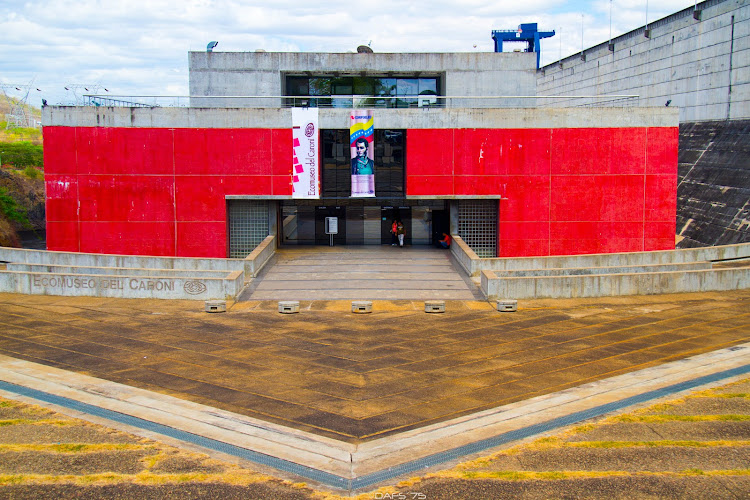
Ecomuseo del Caroní
About Ecomuseo del Caroní
Description
The Ecomuseo del Caroní is one of those places that quietly captures your attention before you even realize it. Tucked away in Ciudad Guayana, this museum isn’t your typical collection of dusty artifacts behind glass. It’s more like a living, breathing story of the region’s natural and industrial heritage — a space where the environment and human creativity meet. What makes it stand out is its concept: it’s an “ecomuseum,” meaning it doesn’t just preserve objects, but also landscapes, memories, and the relationship between people and their surroundings. You don’t just look at exhibits here; you feel the pulse of the Caroní River, the energy of the hydroelectric projects, and the pride of a community shaped by both nature and innovation.
Walking through the museum, you can sense how deeply it’s connected to the land. The exhibits tell stories of transformation — from the early days of settlement to the rise of Ciudad Guayana as a hub of industrial progress. And yet, there’s a calmness to it all. The architecture itself feels like part of the environment, using natural light and open spaces to blur the line between indoors and outdoors. It’s accessible, too — wheelchair users can move around comfortably, and families with kids will find it surprisingly engaging. There’s something grounding about the way it’s presented, as if the museum invites you to slow down and actually listen to the stories that built this region.
Now, not everything is perfect — some visitors say a few exhibits could use a refresh, or that the signage isn’t always clear. But honestly, that’s part of the charm. The Ecomuseo del Caroní isn’t about polish; it’s about authenticity. It’s the kind of place where you can spend an afternoon learning, reflecting, and maybe even feeling a bit more connected to the world around you. If you’re the kind of traveler who loves understanding the “why” behind a place, this museum will speak to you.
Key Features
- Interactive exhibits: Displays that explore the region’s industrial evolution, hydroelectric development, and environmental conservation efforts.
- Architectural design: A structure that harmonizes with the surrounding landscape, using natural materials and open spaces.
- Environmental focus: Emphasis on the Caroní River’s ecological importance and how it shapes local life.
- Accessibility: Wheelchair-accessible entrances and parking make it inclusive for all visitors.
- Family-friendly atmosphere: Educational and engaging for children, ideal for school trips or family outings.
- Community connection: Exhibits highlight local stories, traditions, and the human side of industrial progress.
One of my favorite parts? The subtle way the museum integrates sound — the distant hum of water, the soft echoes of voices — it’s almost meditative. You might find yourself pausing longer than expected at certain displays, not because they’re flashy, but because they make you think. And that’s rare these days.
Best Time to Visit
If you’re planning a trip, aim for the cooler months — roughly from December to March. The weather in Ciudad Guayana can get pretty warm and humid, especially around midday, so mornings are your best bet for exploring comfortably. The museum itself is indoors and shaded, but you’ll probably want to spend some time outside too, taking in the surrounding views or maybe strolling near the river afterward.
Weekdays are generally quieter, which gives you more space to wander and reflect without the buzz of larger groups. That said, weekends sometimes bring local events or school visits, adding a bit of lively energy to the place. Personally, I like visiting cultural sites when there’s a bit of local life around — it makes the experience feel more real, you know? But if you’re the type who prefers a calm, introspective visit, a weekday morning is ideal.
How to Get There
Getting to the Ecomuseo del Caroní is fairly straightforward if you’re already in Ciudad Guayana. Most travelers arrive by car or taxi, as public transport can be a bit unpredictable. The roads leading to the museum are in good condition, and there’s a parking area that’s easy to access, even for those with mobility needs. If you’re staying in one of the main hotels in the city, it’s usually just a short drive away — maybe 15 to 20 minutes depending on traffic.
For the more adventurous, you could pair your visit with a short exploration of the nearby parks or the banks of the Caroní River. It’s a great way to get a fuller sense of the region’s natural beauty. Just keep in mind that signage in the area might not always be in English, so a translation app or a friendly local guide can come in handy. I’ve found that people in Ciudad Guayana are generally warm and happy to help if you ask politely.
Tips for Visiting
Here’s where a bit of insider advice can make your visit smoother and more enjoyable:
- Bring water and light snacks. There’s no restaurant inside, so it’s smart to stay hydrated — especially if you’re exploring nearby outdoor areas afterward.
- Take your time. The museum isn’t huge, but it’s rich in detail. Give yourself at least two hours to really absorb the exhibits.
- Ask questions. The staff are knowledgeable and genuinely passionate about the museum’s mission. Don’t be shy about striking up a conversation.
- Photography is allowed in most areas, but always check the signs. Some displays are sensitive to light.
- Plan for accessibility. If you or someone in your group uses a wheelchair, rest easy — the facilities are accommodating and thoughtfully designed.
- Combine your visit. Consider pairing it with a trip to one of the nearby natural attractions or viewpoints for a fuller day of exploration.
One small thing I learned the hard way: bring a little hand fan or a hat. Even though the museum is comfortable, stepping outside between sections can be warm. Also, if you’re traveling with kids, this is a great opportunity to teach them about how humans and the environment interact — it’s not a boring lecture kind of place, it’s hands-on and relatable.
At the end of the day, the Ecomuseo del Caroní isn’t just a stop on a map; it’s a reminder of how much a landscape can shape the identity of a community. It’s educational, yes, but also quietly emotional. You leave with a deeper appreciation for how progress and preservation can coexist — and maybe a little more curiosity about the world around you. If you’re the kind of traveler who values meaning over glamour, this museum will leave a lasting impression.
Key Features
- Key Features
- Best Time to Visit
- How to Get There
- Tips for Visiting
More Details
Updated November 7, 2025
Table of Contents
Description
The Ecomuseo del Caroní is one of those places that quietly captures your attention before you even realize it. Tucked away in Ciudad Guayana, this museum isn’t your typical collection of dusty artifacts behind glass. It’s more like a living, breathing story of the region’s natural and industrial heritage — a space where the environment and human creativity meet. What makes it stand out is its concept: it’s an “ecomuseum,” meaning it doesn’t just preserve objects, but also landscapes, memories, and the relationship between people and their surroundings. You don’t just look at exhibits here; you feel the pulse of the Caroní River, the energy of the hydroelectric projects, and the pride of a community shaped by both nature and innovation.
Walking through the museum, you can sense how deeply it’s connected to the land. The exhibits tell stories of transformation — from the early days of settlement to the rise of Ciudad Guayana as a hub of industrial progress. And yet, there’s a calmness to it all. The architecture itself feels like part of the environment, using natural light and open spaces to blur the line between indoors and outdoors. It’s accessible, too — wheelchair users can move around comfortably, and families with kids will find it surprisingly engaging. There’s something grounding about the way it’s presented, as if the museum invites you to slow down and actually listen to the stories that built this region.
Now, not everything is perfect — some visitors say a few exhibits could use a refresh, or that the signage isn’t always clear. But honestly, that’s part of the charm. The Ecomuseo del Caroní isn’t about polish; it’s about authenticity. It’s the kind of place where you can spend an afternoon learning, reflecting, and maybe even feeling a bit more connected to the world around you. If you’re the kind of traveler who loves understanding the “why” behind a place, this museum will speak to you.
Key Features
- Interactive exhibits: Displays that explore the region’s industrial evolution, hydroelectric development, and environmental conservation efforts.
- Architectural design: A structure that harmonizes with the surrounding landscape, using natural materials and open spaces.
- Environmental focus: Emphasis on the Caroní River’s ecological importance and how it shapes local life.
- Accessibility: Wheelchair-accessible entrances and parking make it inclusive for all visitors.
- Family-friendly atmosphere: Educational and engaging for children, ideal for school trips or family outings.
- Community connection: Exhibits highlight local stories, traditions, and the human side of industrial progress.
One of my favorite parts? The subtle way the museum integrates sound — the distant hum of water, the soft echoes of voices — it’s almost meditative. You might find yourself pausing longer than expected at certain displays, not because they’re flashy, but because they make you think. And that’s rare these days.
Best Time to Visit
If you’re planning a trip, aim for the cooler months — roughly from December to March. The weather in Ciudad Guayana can get pretty warm and humid, especially around midday, so mornings are your best bet for exploring comfortably. The museum itself is indoors and shaded, but you’ll probably want to spend some time outside too, taking in the surrounding views or maybe strolling near the river afterward.
Weekdays are generally quieter, which gives you more space to wander and reflect without the buzz of larger groups. That said, weekends sometimes bring local events or school visits, adding a bit of lively energy to the place. Personally, I like visiting cultural sites when there’s a bit of local life around — it makes the experience feel more real, you know? But if you’re the type who prefers a calm, introspective visit, a weekday morning is ideal.
How to Get There
Getting to the Ecomuseo del Caroní is fairly straightforward if you’re already in Ciudad Guayana. Most travelers arrive by car or taxi, as public transport can be a bit unpredictable. The roads leading to the museum are in good condition, and there’s a parking area that’s easy to access, even for those with mobility needs. If you’re staying in one of the main hotels in the city, it’s usually just a short drive away — maybe 15 to 20 minutes depending on traffic.
For the more adventurous, you could pair your visit with a short exploration of the nearby parks or the banks of the Caroní River. It’s a great way to get a fuller sense of the region’s natural beauty. Just keep in mind that signage in the area might not always be in English, so a translation app or a friendly local guide can come in handy. I’ve found that people in Ciudad Guayana are generally warm and happy to help if you ask politely.
Tips for Visiting
Here’s where a bit of insider advice can make your visit smoother and more enjoyable:
- Bring water and light snacks. There’s no restaurant inside, so it’s smart to stay hydrated — especially if you’re exploring nearby outdoor areas afterward.
- Take your time. The museum isn’t huge, but it’s rich in detail. Give yourself at least two hours to really absorb the exhibits.
- Ask questions. The staff are knowledgeable and genuinely passionate about the museum’s mission. Don’t be shy about striking up a conversation.
- Photography is allowed in most areas, but always check the signs. Some displays are sensitive to light.
- Plan for accessibility. If you or someone in your group uses a wheelchair, rest easy — the facilities are accommodating and thoughtfully designed.
- Combine your visit. Consider pairing it with a trip to one of the nearby natural attractions or viewpoints for a fuller day of exploration.
One small thing I learned the hard way: bring a little hand fan or a hat. Even though the museum is comfortable, stepping outside between sections can be warm. Also, if you’re traveling with kids, this is a great opportunity to teach them about how humans and the environment interact — it’s not a boring lecture kind of place, it’s hands-on and relatable.
At the end of the day, the Ecomuseo del Caroní isn’t just a stop on a map; it’s a reminder of how much a landscape can shape the identity of a community. It’s educational, yes, but also quietly emotional. You leave with a deeper appreciation for how progress and preservation can coexist — and maybe a little more curiosity about the world around you. If you’re the kind of traveler who values meaning over glamour, this museum will leave a lasting impression.
Key Highlights
- Key Features
- Best Time to Visit
- How to Get There
- Tips for Visiting
Location
Places to Stay Near Ecomuseo del Caroní
Find and Book a Tour
Explore More Travel Guides
No reviews found! Be the first to review!
Traveler Reviews for Ecomuseo del Caroní
There are no reviews yet. Be the first one to write one.
Have you visited Ecomuseo del Caroní? Help other travelers by sharing your review.
You Might Also Like

Guayana City

Hotel 286
Posada Amalivac
Find Accommodations Nearby
Recommended Tours & Activities
Visitor Reviews
There are no reviews yet. Be the first one to write one.
Share Your Experience
Have you visited Ecomuseo del Caroní? Help other travelers by leaving a review.