

Guayana City
About Guayana City
Description
Guayana City, officially known as Ciudad Guayana, sits right where the Orinoco and Caroní rivers meet in Bolívar, Venezuela. It’s one of those places that surprises you — not because it’s flashy or overly touristy, but because it has this raw, genuine energy that feels both industrial and natural at once. The city is actually two towns joined together, Puerto Ordaz and San Félix, and if you ask locals, they’ll tell you each side has its own distinct rhythm. Puerto Ordaz feels more modern, with wide avenues and parks, while San Félix holds onto a more traditional Venezuelan heartbeat.
What makes Guayana City truly stand out, though, is its proximity to some of the most jaw-dropping natural wonders in South America. It’s the gateway to the Orinoco Delta and the Gran Sabana — a land of sweeping plains and those otherworldly flat-top mountains called tepuis. Just thinking about those landscapes makes me want to pack my camera and a sturdy pair of boots. And right in the heart of the city, you’ve got La Llovizna and Cachamay parks, where waterfalls tumble and mist fills the air. I remember the first time I stood near La Llovizna Falls — the sound was deafening, but in the best way. It’s one of those moments that makes you feel small in the grand, beautiful scheme of things.
Beyond nature, there’s a fascinating industrial side to Guayana City. The Macagua Dam, with its immense hydroelectric power and the Ecomuseo del Caroní nearby, tells the story of Venezuela’s ambition to harness the power of its rivers. And yet, despite all that modern infrastructure, the city keeps a laid-back vibe. You’ll see people fishing along the riverbanks, families picnicking in the parks, and kids playing soccer on dusty fields until sunset. It’s a place that balances progress with a deep respect for nature — not perfectly, but earnestly.
Key Features
- Located at the confluence of the Orinoco and Caroní rivers, offering stunning river views and natural beauty.
- Comprises two main areas: Puerto Ordaz (modern and developed) and San Félix (historic and traditional).
- Home to La Llovizna and Cachamay parks, both featuring impressive waterfalls and lush greenery.
- Close to major attractions like the Orinoco Delta and the Gran Sabana, ideal for adventure travelers.
- Features the Macagua Dam and the Ecomuseo del Caroní, showcasing the region’s hydroelectric heritage.
- Serves as a strategic industrial hub with a strong connection to Venezuela’s steel and aluminum industries.
- Offers a mix of modern amenities and authentic local culture, from restaurants to riverside markets.
Best Time to Visit
Timing your trip to Guayana City can make all the difference. The best months, in my opinion, are between December and April — the dry season. The skies are clearer, the waterfalls are still flowing beautifully from the previous rains, and the roads to the Gran Sabana are more accessible. During the rainy season (May to November), the rivers swell dramatically, which can be both breathtaking and a little tricky for travel. I once visited in late June, and while the rain made for some incredible photo ops, let’s just say my shoes didn’t dry out for days.
The cooler evenings during the dry months are perfect for riverside walks or grabbing a cold drink at one of the open-air cafés. If you’re into photography, sunrise and sunset around the riverbanks are pure magic — the light hits the water in this golden, almost surreal way. And if you’re lucky, you might even catch a local festival or two, especially around the beginning of the year when the city feels extra lively.
How to Get There
Getting to Guayana City isn’t as complicated as it might sound. The city has its own airport, Manuel Carlos Piar International Airport, which connects to major Venezuelan cities like Caracas. If you’re the type who enjoys a good road trip (and I totally get that), you can also drive from Caracas — it’s roughly a 600-kilometer journey through changing scenery, from coastal plains to forested hills. Just be prepared; the roads can be unpredictable, and fuel stations aren’t always consistent. I’d say plan your stops ahead and keep a sense of adventure handy.
For those traveling from neighboring regions, buses are also an option. They’re affordable and surprisingly comfortable, though travel times can be long. Once you’re in Guayana City, getting around is fairly easy. Taxis and ride services are available, but honestly, walking through certain parts of Puerto Ordaz gives you a better feel for the city’s atmosphere. The river views alone make it worth it.
Tips for Visiting
First off, bring light clothing but don’t forget a good rain jacket — the weather can change in a blink, especially near the rivers. And bug spray. Seriously, don’t underestimate the mosquitoes here. I learned that the hard way after an evening stroll near the Orinoco. On the bright side, the sunsets were totally worth the itching.
If you’re planning to explore beyond the city — say, into the Gran Sabana or toward Canaima National Park — book your tours with reputable local operators. They know the terrain and can help you navigate the logistics, which can be tricky if you’re unfamiliar with the area. Also, cash is still king in many parts of Venezuela, so bring some bolívares or U.S. dollars in small denominations.
One thing I always tell travelers: take time to talk to locals. People in Guayana City are proud of their home and love sharing stories about the rivers, the old steel mills, or even the football rivalries between Puerto Ordaz and San Félix. It’s those conversations that make a trip memorable. Oh, and don’t miss trying local dishes — the fresh river fish and arepas here have a flavor that’s hard to find elsewhere.
Safety-wise, use common sense like you would anywhere else. Stick to well-traveled areas, avoid flashing valuables, and keep an eye on local news. Most visitors find the city welcoming, especially if you approach it with curiosity and respect. And if you’re anything like me, you’ll probably end up staying longer than you planned — Guayana City has that effect. It’s not a place that tries too hard to impress, but somehow, it leaves a lasting impression.
Key Features
- Located at the confluence of the Orinoco and Caroní rivers, offering stunning river views and natural beauty.
- Comprises two main areas: Puerto Ordaz (modern and developed) and San Félix (historic and traditional).
- Home to La Llovizna and Cachamay parks, both featuring impressive waterfalls and lush greenery.
- Close to major attractions like the Orinoco Delta and the Gran Sabana, ideal for adventure travelers.
- Features the Macagua Dam and the Ecomuseo del Caroní, showcasing the region’s hydroelectric heritage.
- Serves as a strategic industrial hub with a strong connection to Venezuela’s steel and aluminum industries.
- Offers a mix of modern amenities and authentic local culture, from restaurants to riverside markets.
More Details
Updated November 7, 2025
Description
Guayana City, officially known as Ciudad Guayana, sits right where the Orinoco and Caroní rivers meet in Bolívar, Venezuela. It’s one of those places that surprises you — not because it’s flashy or overly touristy, but because it has this raw, genuine energy that feels both industrial and natural at once. The city is actually two towns joined together, Puerto Ordaz and San Félix, and if you ask locals, they’ll tell you each side has its own distinct rhythm. Puerto Ordaz feels more modern, with wide avenues and parks, while San Félix holds onto a more traditional Venezuelan heartbeat.
What makes Guayana City truly stand out, though, is its proximity to some of the most jaw-dropping natural wonders in South America. It’s the gateway to the Orinoco Delta and the Gran Sabana — a land of sweeping plains and those otherworldly flat-top mountains called tepuis. Just thinking about those landscapes makes me want to pack my camera and a sturdy pair of boots. And right in the heart of the city, you’ve got La Llovizna and Cachamay parks, where waterfalls tumble and mist fills the air. I remember the first time I stood near La Llovizna Falls — the sound was deafening, but in the best way. It’s one of those moments that makes you feel small in the grand, beautiful scheme of things.
Beyond nature, there’s a fascinating industrial side to Guayana City. The Macagua Dam, with its immense hydroelectric power and the Ecomuseo del Caroní nearby, tells the story of Venezuela’s ambition to harness the power of its rivers. And yet, despite all that modern infrastructure, the city keeps a laid-back vibe. You’ll see people fishing along the riverbanks, families picnicking in the parks, and kids playing soccer on dusty fields until sunset. It’s a place that balances progress with a deep respect for nature — not perfectly, but earnestly.
Key Features
- Located at the confluence of the Orinoco and Caroní rivers, offering stunning river views and natural beauty.
- Comprises two main areas: Puerto Ordaz (modern and developed) and San Félix (historic and traditional).
- Home to La Llovizna and Cachamay parks, both featuring impressive waterfalls and lush greenery.
- Close to major attractions like the Orinoco Delta and the Gran Sabana, ideal for adventure travelers.
- Features the Macagua Dam and the Ecomuseo del Caroní, showcasing the region’s hydroelectric heritage.
- Serves as a strategic industrial hub with a strong connection to Venezuela’s steel and aluminum industries.
- Offers a mix of modern amenities and authentic local culture, from restaurants to riverside markets.
Best Time to Visit
Timing your trip to Guayana City can make all the difference. The best months, in my opinion, are between December and April — the dry season. The skies are clearer, the waterfalls are still flowing beautifully from the previous rains, and the roads to the Gran Sabana are more accessible. During the rainy season (May to November), the rivers swell dramatically, which can be both breathtaking and a little tricky for travel. I once visited in late June, and while the rain made for some incredible photo ops, let’s just say my shoes didn’t dry out for days.
The cooler evenings during the dry months are perfect for riverside walks or grabbing a cold drink at one of the open-air cafés. If you’re into photography, sunrise and sunset around the riverbanks are pure magic — the light hits the water in this golden, almost surreal way. And if you’re lucky, you might even catch a local festival or two, especially around the beginning of the year when the city feels extra lively.
How to Get There
Getting to Guayana City isn’t as complicated as it might sound. The city has its own airport, Manuel Carlos Piar International Airport, which connects to major Venezuelan cities like Caracas. If you’re the type who enjoys a good road trip (and I totally get that), you can also drive from Caracas — it’s roughly a 600-kilometer journey through changing scenery, from coastal plains to forested hills. Just be prepared; the roads can be unpredictable, and fuel stations aren’t always consistent. I’d say plan your stops ahead and keep a sense of adventure handy.
For those traveling from neighboring regions, buses are also an option. They’re affordable and surprisingly comfortable, though travel times can be long. Once you’re in Guayana City, getting around is fairly easy. Taxis and ride services are available, but honestly, walking through certain parts of Puerto Ordaz gives you a better feel for the city’s atmosphere. The river views alone make it worth it.
Tips for Visiting
First off, bring light clothing but don’t forget a good rain jacket — the weather can change in a blink, especially near the rivers. And bug spray. Seriously, don’t underestimate the mosquitoes here. I learned that the hard way after an evening stroll near the Orinoco. On the bright side, the sunsets were totally worth the itching.
If you’re planning to explore beyond the city — say, into the Gran Sabana or toward Canaima National Park — book your tours with reputable local operators. They know the terrain and can help you navigate the logistics, which can be tricky if you’re unfamiliar with the area. Also, cash is still king in many parts of Venezuela, so bring some bolívares or U.S. dollars in small denominations.
One thing I always tell travelers: take time to talk to locals. People in Guayana City are proud of their home and love sharing stories about the rivers, the old steel mills, or even the football rivalries between Puerto Ordaz and San Félix. It’s those conversations that make a trip memorable. Oh, and don’t miss trying local dishes — the fresh river fish and arepas here have a flavor that’s hard to find elsewhere.
Safety-wise, use common sense like you would anywhere else. Stick to well-traveled areas, avoid flashing valuables, and keep an eye on local news. Most visitors find the city welcoming, especially if you approach it with curiosity and respect. And if you’re anything like me, you’ll probably end up staying longer than you planned — Guayana City has that effect. It’s not a place that tries too hard to impress, but somehow, it leaves a lasting impression.
Key Highlights
- Located at the confluence of the Orinoco and Caroní rivers, offering stunning river views and natural beauty.
- Comprises two main areas: Puerto Ordaz (modern and developed) and San Félix (historic and traditional).
- Home to La Llovizna and Cachamay parks, both featuring impressive waterfalls and lush greenery.
- Close to major attractions like the Orinoco Delta and the Gran Sabana, ideal for adventure travelers.
- Features the Macagua Dam and the Ecomuseo del Caroní, showcasing the region’s hydroelectric heritage.
- Serves as a strategic industrial hub with a strong connection to Venezuela’s steel and aluminum industries.
- Offers a mix of modern amenities and authentic local culture, from restaurants to riverside markets.
Location
Places to Stay Near Guayana City
Find and Book a Tour
Explore More Travel Guides
No reviews found! Be the first to review!
Traveler Reviews for Guayana City
There are no reviews yet. Be the first one to write one.
Have you visited Guayana City? Help other travelers by sharing your review.
You Might Also Like
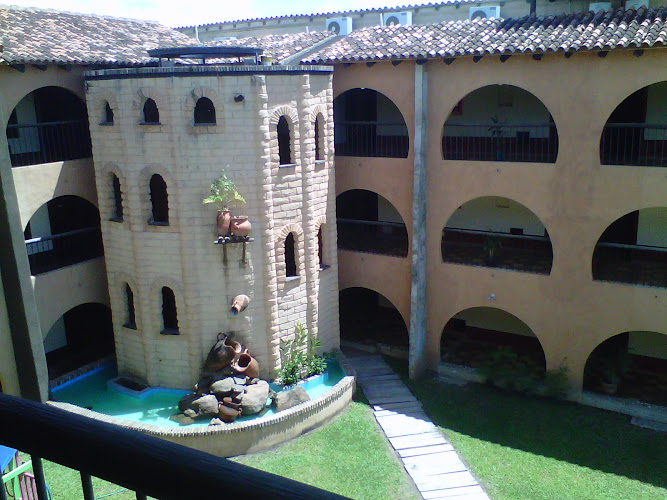
Hotel Hosteria Waipá
Laboratorio especializado Caroní Guayana
Posada Amalivac
Find Accommodations Nearby
Recommended Tours & Activities
Visitor Reviews
There are no reviews yet. Be the first one to write one.
Share Your Experience
Have you visited Guayana City? Help other travelers by leaving a review.