

Regional Archeological Museum Antonio Salinas
About Regional Archeological Museum Antonio Salinas
The Regional Archeological Museum Antonio Salinas in Palermo is one of those places that quietly sneaks up on you. At first glance, it looks like a calm cloister, a former monastery with arches and courtyards that make you slow down your pace almost without realizing it. But step inside, and suddenly you’re face to face with thousands of years of history, from Phoenician artifacts to ancient Greek sculptures and Roman mosaics. It’s not just a museum—it feels like a time capsule of Sicily’s layered past.
What makes this museum particularly special is its mix of grandeur and intimacy. You’re not overwhelmed by flashy displays or endless corridors; instead, you wander through halls where each piece has space to breathe. The famous metopes from the temples of Selinunte are here, towering and powerful, and yet you might also find yourself captivated by a delicate terracotta figurine or a weathered coin that once passed through the hands of someone who lived centuries ago. It’s this balance between monumental and personal that makes the visit linger in your memory.
Of course, not every visitor walks away dazzled. Some find the pace a little slow, or the layout less intuitive than they’d like. And yes, parts of the collection can feel a bit academic if you’re not already into archaeology. But for anyone with even a passing interest in history, this museum has a way of pulling you in. The building itself—with its cloistered courtyard and quiet corners—adds to the atmosphere, making it just as much a place for reflection as for learning.
I remember wandering through on a hot afternoon, grateful for the cool stone walls and the shade of the courtyard. I ended up sitting on a bench for a while, just watching the light shift across the arches before heading back inside to see the Palermo Stone, one of the oldest known Egyptian historical records. That’s the kind of experience this museum offers: it slows you down, lets you absorb, and then surprises you with something extraordinary.
Key Features
- Home to the metopes from the ancient temples of Selinunte, some of the most important Greek sculptures in the world
- The Palermo Stone, an invaluable artifact of Egyptian history
- Extensive Phoenician, Punic, and Roman collections, including vessels, coins, and mosaics
- Set inside a former monastery with peaceful cloisters and courtyards
- Wheelchair accessible entrances and restrooms, making it easier for all travelers to explore
- Family-friendly, with exhibits that can spark curiosity in children as well as adults
Best Time to Visit
Timing your visit makes a difference here. The museum tends to be quieter in the mornings, especially on weekdays, when you can wander through the galleries almost undisturbed. If you’re the type who likes to take your time reading every little description, that’s the sweet spot. Afternoons can get busier, particularly in summer when tour groups roll in. Personally, I think visiting in spring or autumn is perfect—the weather in Palermo is more forgiving, and you’re less likely to feel rushed by crowds.
There’s also something magical about visiting later in the day, when the light in the cloister softens and the museum feels almost contemplative. It’s not a place you need to dedicate an entire day to, but giving yourself a couple of hours without rushing will make the experience richer.
How to Get There
The museum is located right in the heart of Palermo, just a short walk from many of the city’s main attractions. If you’re staying in the historic center, you can easily reach it on foot. For those coming from further out, local buses and taxis are reliable options. Palermo’s streets can be a bit chaotic if you’re not used to Italian driving, so unless you’re very confident behind the wheel, I’d recommend skipping the rental car for this one. Parking nearby can be tricky anyway.
Walking is honestly the best way. You’ll get to soak in the city’s atmosphere—narrow streets, lively piazzas, and the occasional café calling your name for a quick espresso—before arriving at the museum’s calm courtyard. It’s a nice contrast, that shift from Palermo’s buzz to the museum’s quiet.
Tips for Visiting
A few practical tips can make your visit smoother and more enjoyable. First, wear comfortable shoes. The museum isn’t massive, but you’ll still be on your feet a fair bit, and the stone floors aren’t the softest. Second, take your time in the courtyard. It’s tempting to rush straight to the big-ticket items like the Selinunte sculptures, but the courtyard sets the tone and gives you space to slow down.
If you’re traveling with kids, don’t worry—this museum is surprisingly good for families. The dramatic statues and mosaics tend to capture children’s imaginations, and the open spaces mean they won’t feel too confined. Just be prepared to explain a little background, since not all displays have extensive English descriptions. A quick guidebook or downloaded app can help fill in the gaps.
Accessibility is solid, with wheelchair-friendly entrances and restrooms, so if you or someone in your group needs that, you’ll be fine. There’s no restaurant inside, but plenty of cafés and trattorias are nearby, so you can plan a lunch stop before or after. And honestly, that’s part of the charm—stepping out of the museum and grabbing a plate of pasta or a gelato just around the corner feels like the perfect way to round out the experience.
One last note: don’t expect the museum to be flashy. This isn’t a high-tech, interactive space with touchscreens and sound effects. It’s more traditional, and that’s exactly why it works. It’s about the artifacts themselves, their weight and presence, and the way they connect you to Sicily’s long, tangled history. Go in with that mindset, and you’ll come away with something truly memorable.
Key Features
- Home to the metopes from the ancient temples of Selinunte, some of the most important Greek sculptures in the world
- The Palermo Stone, an invaluable artifact of Egyptian history
- Extensive Phoenician, Punic, and Roman collections, including vessels, coins, and mosaics
- Set inside a former monastery with peaceful cloisters and courtyards
- Wheelchair accessible entrances and restrooms, making it easier for all travelers to explore
- Family-friendly, with exhibits that can spark curiosity in children as well as adults
You Might Also Like

Catacombe dei Cappuccini di Palermo
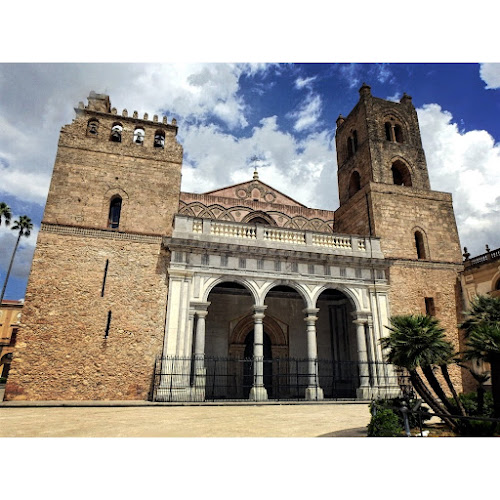
Cattedrale di Monreale

Church of Saint John of the Hermits
Tours & Activities
GetYourGuide provides this tour inventory. We may earn a commission if you book through it; verify current availability, prices, and terms with the provider.
Visitor Reviews
There are no reviews yet. Be the first one to write one.
Share Your Experience
Have you visited Regional Archeological Museum Antonio Salinas? Help other travelers by leaving a review.