
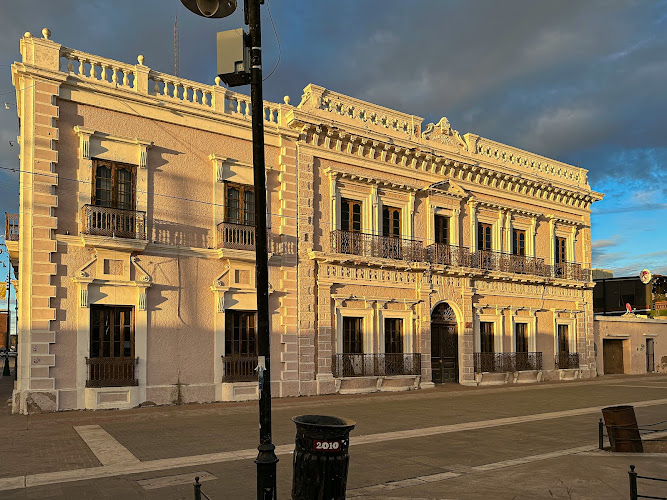
Museum of Popular Cultures of Sonora
About Museum of Popular Cultures of Sonora
Description
The Museum of Popular Cultures of Sonora is not the kind of place you just breeze through in a hurry—it’s one of those museums that makes you slow down and actually look at the details. Sitting in the heart of Hermosillo, it’s a cultural hub that celebrates the traditions, stories, and artistry of the Sonoran people, both indigenous and modern. The building itself has a bit of history baked into its walls, originally a Porfirian-era residence before being transformed into a museum. You can actually feel that blend of old-world charm with the thoughtful curation of exhibits inside.
What makes this museum stand out is that it doesn’t just focus on artifacts behind glass. Instead, it tells the story of Sonora through temporary exhibitions, rotating displays, and thematic rooms that highlight the geography and heritage of the region’s native groups. From traditional clothing and crafts to murals and photographs, each room feels like a different chapter in a book you didn’t realize you wanted to read until you were already hooked. And while some people might find it a little smaller than they expected, most walk away with a deeper appreciation of the cultural richness of the area.
Personally, I’ve always loved museums that don’t overwhelm you with endless halls but instead give you just enough to chew on and reflect. That’s exactly what this one does. It’s approachable, it’s family-friendly, and it’s also accessible for visitors with mobility needs. It’s not a flashy, high-tech museum, but that’s kind of the beauty of it—it feels grounded, authentic, and very human.
Key Features
- Five exhibition rooms organized by the geography and heritage of Sonora’s indigenous peoples
- Rotating temporary exhibitions that keep the experience fresh for repeat visitors
- Displays of traditional clothing, crafts, artworks, and historic photographs
- A Porfirian-era building that adds historical character to the visit
- Wheelchair-accessible restrooms and family-friendly amenities
- Murals and artistic installations that bring local stories to life
Best Time to Visit
If you’re planning a trip, timing can really shape your experience. Hermosillo gets hot—like, really hot—so wandering around during the peak of summer might not be ideal unless you’re a fan of desert heat. Spring and fall are sweet spots because the weather is more forgiving, making it easier to combine the museum with a stroll through the city. Weekdays tend to be quieter, which I personally like because it gives you more space to linger without feeling rushed. On weekends, you might encounter more families and local visitors, which can be fun if you enjoy a livelier atmosphere.
And don’t underestimate the value of visiting during a special exhibition. The museum often rotates its displays, so even if you’ve been before, you might discover something new when you return. I once stumbled into an exhibit on indigenous weaving traditions that wasn’t even on my radar—it ended up being the highlight of my trip.
How to Get There
Getting to the museum is pretty straightforward if you’re already in Hermosillo. Most travelers either take a taxi, a rideshare, or hop on local buses that pass nearby. The city center isn’t sprawling, so you won’t be stuck in traffic for hours. If you’re the type who likes to walk, it’s doable depending on where you’re staying, though keep in mind the Sonoran sun can be unforgiving. I learned that lesson the hard way when I thought a “short walk” would be fine in the midday heat—it wasn’t. Bring water if you go on foot.
For those driving, parking is usually manageable in the area. Just be mindful that some streets can get crowded during peak hours. Honestly, I’d say rideshare is the easiest option if you don’t feel like navigating.
Tips for Visiting
A few practical things can make your visit smoother. First, give yourself at least an hour or two to explore. It’s not a massive museum, but you’ll want time to actually read the displays and appreciate the details. If you’re traveling with kids, this is a good spot—they won’t get overwhelmed, and the exhibits are engaging enough to spark curiosity.
The museum doesn’t have its own restaurant, so plan to grab a bite elsewhere. Luckily, Hermosillo has no shortage of great food spots within a short distance. Also, since the museum focuses on temporary exhibitions, check ahead if you can—knowing what’s on display can help shape your expectations.
One last thing: don’t skip the murals and artistic touches scattered throughout. They’re not just decoration; they’re part of the experience. And if you’re like me, you’ll probably end up snapping more photos than you expected. But take a moment to put the camera down too—sometimes the best way to appreciate a place like this is simply to stand still and take it all in.
Key Features
- Five exhibition rooms organized by the geography and heritage of Sonora’s indigenous peoples
- Rotating temporary exhibitions that keep the experience fresh for repeat visitors
- Displays of traditional clothing, crafts, artworks, and historic photographs
- A Porfirian-era building that adds historical character to the visit
- Wheelchair-accessible restrooms and family-friendly amenities
- Murals and artistic installations that bring local stories to life
More Details
Updated September 30, 2025
Table of Contents
- Description
- Key Features
- Best Time to Visit
- How to Get There
- Tips for Visiting
- Key Highlights
- Location
- Places to Stay Near Museum of Popular Cultures of Sonora
- Find and Book a Tour
- Explore More Travel Guides
- Nearby Places You Might Like
- Traveler Reviews for Museum of Popular Cultures of Sonora
- Share Your Experience
Description
The Museum of Popular Cultures of Sonora is not the kind of place you just breeze through in a hurry—it’s one of those museums that makes you slow down and actually look at the details. Sitting in the heart of Hermosillo, it’s a cultural hub that celebrates the traditions, stories, and artistry of the Sonoran people, both indigenous and modern. The building itself has a bit of history baked into its walls, originally a Porfirian-era residence before being transformed into a museum. You can actually feel that blend of old-world charm with the thoughtful curation of exhibits inside.
What makes this museum stand out is that it doesn’t just focus on artifacts behind glass. Instead, it tells the story of Sonora through temporary exhibitions, rotating displays, and thematic rooms that highlight the geography and heritage of the region’s native groups. From traditional clothing and crafts to murals and photographs, each room feels like a different chapter in a book you didn’t realize you wanted to read until you were already hooked. And while some people might find it a little smaller than they expected, most walk away with a deeper appreciation of the cultural richness of the area.
Personally, I’ve always loved museums that don’t overwhelm you with endless halls but instead give you just enough to chew on and reflect. That’s exactly what this one does. It’s approachable, it’s family-friendly, and it’s also accessible for visitors with mobility needs. It’s not a flashy, high-tech museum, but that’s kind of the beauty of it—it feels grounded, authentic, and very human.
Key Features
- Five exhibition rooms organized by the geography and heritage of Sonora’s indigenous peoples
- Rotating temporary exhibitions that keep the experience fresh for repeat visitors
- Displays of traditional clothing, crafts, artworks, and historic photographs
- A Porfirian-era building that adds historical character to the visit
- Wheelchair-accessible restrooms and family-friendly amenities
- Murals and artistic installations that bring local stories to life
Best Time to Visit
If you’re planning a trip, timing can really shape your experience. Hermosillo gets hot—like, really hot—so wandering around during the peak of summer might not be ideal unless you’re a fan of desert heat. Spring and fall are sweet spots because the weather is more forgiving, making it easier to combine the museum with a stroll through the city. Weekdays tend to be quieter, which I personally like because it gives you more space to linger without feeling rushed. On weekends, you might encounter more families and local visitors, which can be fun if you enjoy a livelier atmosphere.
And don’t underestimate the value of visiting during a special exhibition. The museum often rotates its displays, so even if you’ve been before, you might discover something new when you return. I once stumbled into an exhibit on indigenous weaving traditions that wasn’t even on my radar—it ended up being the highlight of my trip.
How to Get There
Getting to the museum is pretty straightforward if you’re already in Hermosillo. Most travelers either take a taxi, a rideshare, or hop on local buses that pass nearby. The city center isn’t sprawling, so you won’t be stuck in traffic for hours. If you’re the type who likes to walk, it’s doable depending on where you’re staying, though keep in mind the Sonoran sun can be unforgiving. I learned that lesson the hard way when I thought a “short walk” would be fine in the midday heat—it wasn’t. Bring water if you go on foot.
For those driving, parking is usually manageable in the area. Just be mindful that some streets can get crowded during peak hours. Honestly, I’d say rideshare is the easiest option if you don’t feel like navigating.
Tips for Visiting
A few practical things can make your visit smoother. First, give yourself at least an hour or two to explore. It’s not a massive museum, but you’ll want time to actually read the displays and appreciate the details. If you’re traveling with kids, this is a good spot—they won’t get overwhelmed, and the exhibits are engaging enough to spark curiosity.
The museum doesn’t have its own restaurant, so plan to grab a bite elsewhere. Luckily, Hermosillo has no shortage of great food spots within a short distance. Also, since the museum focuses on temporary exhibitions, check ahead if you can—knowing what’s on display can help shape your expectations.
One last thing: don’t skip the murals and artistic touches scattered throughout. They’re not just decoration; they’re part of the experience. And if you’re like me, you’ll probably end up snapping more photos than you expected. But take a moment to put the camera down too—sometimes the best way to appreciate a place like this is simply to stand still and take it all in.
Key Highlights
- Five exhibition rooms organized by the geography and heritage of Sonora’s indigenous peoples
- Rotating temporary exhibitions that keep the experience fresh for repeat visitors
- Displays of traditional clothing, crafts, artworks, and historic photographs
- A Porfirian-era building that adds historical character to the visit
- Wheelchair-accessible restrooms and family-friendly amenities
- Murals and artistic installations that bring local stories to life
Location
Places to Stay Near Museum of Popular Cultures of Sonora
Find and Book a Tour
Explore More Travel Guides
No reviews found! Be the first to review!
Traveler Reviews for Museum of Popular Cultures of Sonora
There are no reviews yet. Be the first one to write one.
Have you visited Museum of Popular Cultures of Sonora? Help other travelers by sharing your review.
You Might Also Like
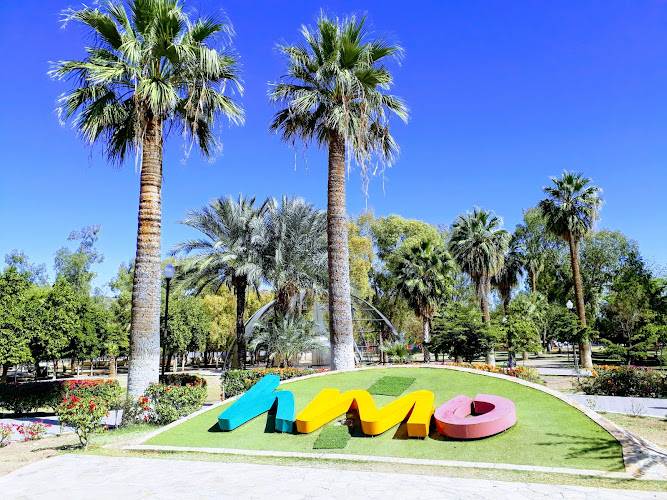
Parque Madero
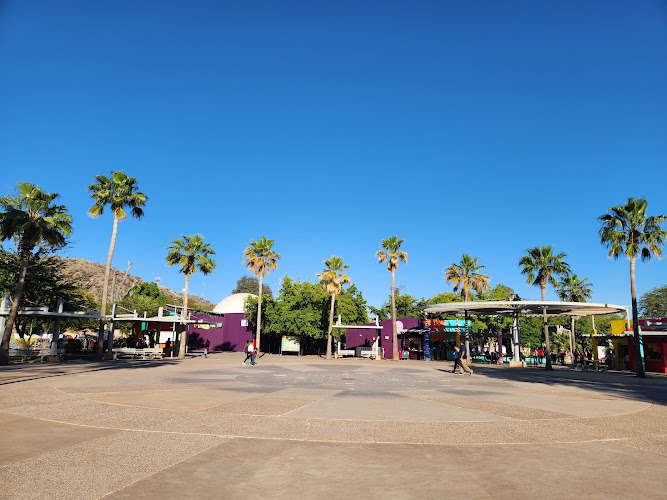
Parque Infantil DIF Sonora
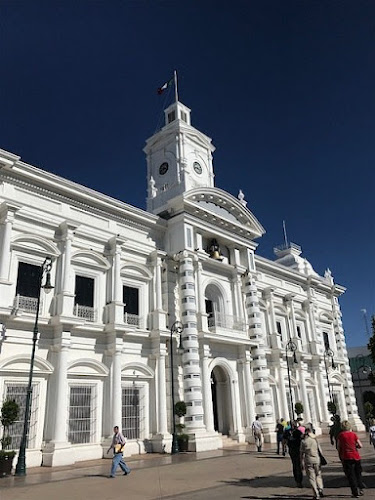
Hermosillo
Find Accommodations Nearby
Recommended Tours & Activities
Visitor Reviews
There are no reviews yet. Be the first one to write one.
Share Your Experience
Have you visited Museum of Popular Cultures of Sonora? Help other travelers by leaving a review.