
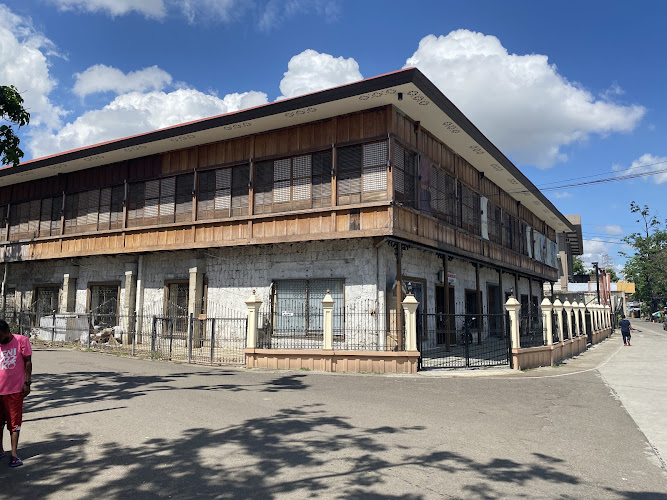
Archdiocesan Museum of Cebu
About Archdiocesan Museum of Cebu
The Archdiocesan Museum of Cebu, also known as the Cathedral Museum, is one of those places that quietly pulls you in with its charm and depth. It isn’t a flashy, modern museum with neon signs and interactive screens everywhere—this one is more about stepping into a time capsule and letting history do the talking. Housed in one of the oldest surviving structures in Cebu City, the building itself is already a piece of heritage. It’s a classic “balay nga bato” (stone house) from the Spanish colonial era, and walking through its thick walls feels like you’re brushing shoulders with centuries of stories.
Inside, the museum is dedicated to the religious and cultural history of Catholicism in Cebu. You’ll find colonial-era artifacts, old vestments, sacred relics, antique furniture, and religious art that paint a vivid picture of how faith shaped the lives of locals. Some people call it a treasure trove, while others might say it’s a bit modest compared to bigger museums elsewhere. Both are true in their own way. It’s not overwhelming in size, but what it lacks in scale, it makes up for in authenticity.
What struck me most when I visited was the quiet atmosphere. It’s not crowded, and that gives you time to really look at the details—like the intricate embroidery on centuries-old vestments or the patina on the old bells displayed in the garden. There’s a sense of reverence, not just for religion, but for the history of Cebu itself. Some visitors expect more interactive features and leave feeling underwhelmed, but if you come in with curiosity and patience, you’ll walk away with a deeper appreciation for the city’s past.
Key Features
- Historic Spanish-era structure that is an artifact in itself
- Collection of colonial-era religious relics, vestments, and liturgical objects
- Exhibits of antique furniture, old photographs, and period furnishings
- A chapel showcasing sacred relics used in past centuries
- Religious paintings and icons displayed on the second floor
- Garden area featuring historic bells and outdoor displays
- Wheelchair accessible entrance, parking, and restrooms
- Family-friendly environment that’s good for kids learning history
Best Time to Visit
If you’re planning to drop by, mornings are usually the best. The light filters beautifully through the old wooden windows, giving the exhibits a warm glow that feels almost cinematic. Plus, it’s quieter then, so you can take your time without feeling rushed. Weekdays are less busy compared to weekends, when more locals and tourists tend to stop in.
Cebu can get pretty hot in the afternoon, and since the building is old, it doesn’t have the kind of air-conditioning you’d find in modern establishments. So if you’re not a fan of sticky afternoons, aim for earlier in the day. Visiting during the Sinulog Festival in January can add another layer of meaning, since the museum’s religious heritage ties directly into the city’s biggest celebration. But do expect more crowds around that time.
How to Get There
The museum is located right in downtown Cebu City, so it’s very accessible. If you’re staying in the city center, you can easily walk or take a short taxi or ride-hailing service trip. Jeepneys also pass nearby, though if you’re not familiar with Cebu’s routes, taxis or Grab rides are less stressful. From the airport, it’s about a 30–40 minute drive depending on traffic, which, let’s be honest, can be unpredictable in Cebu.
One thing to note: parking can be a bit tight in the area, so if you’re driving, try to come early or be prepared to look around for a spot. The good news is that the museum does have wheelchair accessible parking, which makes it easier for those who need it.
Tips for Visiting
Here are a few things I learned from my own visit that might help you make the most of yours:
- Take your time: It’s not a huge museum, but slowing down lets you notice the small details that tell the bigger story.
- Bring a little cash: Entrance fees are modest, but cash is usually the easiest way to pay.
- Stay respectful: This isn’t just a museum; it’s tied to the Catholic Church, so a bit of reverence goes a long way.
- Ask questions: The staff are friendly and knowledgeable. If you’re curious about something, don’t be shy to ask.
- Come with kids: It’s a surprisingly good spot for children to learn about history in a hands-on way, especially if you guide them through the stories behind the artifacts.
- Dress comfortably: The climate in Cebu can be warm, and while the building is airy, it’s not fully climate-controlled.
- Photography: Always check the rules before snapping photos. Some exhibits may not allow it.
At the end of the day, the Archdiocesan Museum of Cebu is one of those places that rewards curiosity. It’s not about rushing through, but about pausing to imagine the lives of the people who once used these objects and walked these halls. If you’re the kind of traveler who loves digging into the cultural roots of a place, this museum deserves a spot on your Cebu itinerary. And even if you’re just casually exploring, you might surprise yourself with how much you take away from the experience.
Key Features
- Historic Spanish-era structure that is an artifact in itself
- Collection of colonial-era religious relics, vestments, and liturgical objects
- Exhibits of antique furniture, old photographs, and period furnishings
- A chapel showcasing sacred relics used in past centuries
- Religious paintings and icons displayed on the second floor
- Garden area featuring historic bells and outdoor displays
- Wheelchair accessible entrance, parking, and restrooms
- Family-friendly environment that’s good for kids learning history
You Might Also Like

Beverly Hills Lahug Cebu City
Budlaan Falls

BUSAY FALLS
Tours & Activities
GetYourGuide provides this tour inventory. We may earn a commission if you book through it; verify current availability, prices, and terms with the provider.
Visitor Reviews
There are no reviews yet. Be the first one to write one.
Share Your Experience
Have you visited Archdiocesan Museum of Cebu? Help other travelers by leaving a review.