

University of San Carlos Museum
About University of San Carlos Museum
The University of San Carlos Museum in Cebu City is one of those places that feels like stepping into a time capsule, yet it’s tucked inside an active university campus. Opened in 1967, the museum has grown into a fascinating space that showcases not only history but also anthropology, archaeology, and even biology. It’s not a massive museum that overwhelms you with endless halls, but rather a compact, thoughtfully curated collection that makes you slow down and actually appreciate what you’re seeing.
What makes it stand out is the range of artifacts—from ancient burial jars and pre-colonial ceramics to religious art and rare flora and fauna specimens. And while you’ll see some pieces that feel grand and ceremonial, others are more everyday objects that tell quieter stories about how people lived centuries ago in the Philippines. It’s a mix of the big and the small, the sacred and the ordinary. That balance is what makes the museum feel approachable, even for visitors who don’t normally spend hours in museums.
I’ll be honest: this isn’t a museum where you’ll find flashy multimedia displays or high-tech installations. Instead, it’s more old-school in presentation, which I personally like because it forces you to focus on the objects themselves. Some travelers might find it simple or modest compared to larger national museums, but for me, that’s part of its charm. It feels authentic, like you’re walking through the university’s own treasure chest of Philippine history.
The atmosphere is calm, almost scholarly, but not intimidating. It’s the kind of place where you can wander at your own pace without feeling rushed. Families often bring their kids here, and I think that’s a smart move—it’s educational without being overwhelming. Plus, the staff are usually friendly and willing to answer questions, which makes the experience even more personal.
Overall, the University of San Carlos Museum is a cultural gem worth visiting if you’re curious about Cebu’s past and the Philippines’ broader heritage. It may not be perfect—some displays could use updating—but it delivers a genuine, thoughtful glimpse into history that many travelers appreciate.
Key Features
- Archaeological exhibits including ancient burial jars, ceramics, and pre-colonial tools
- Anthropological displays highlighting Philippine cultural practices and traditions
- Religious art collections featuring intricate Catholic artifacts
- Biological specimens showcasing rare flora and fauna
- Wheelchair accessible entrance, parking lot, and restrooms
- Restrooms available on-site (no restaurant inside)
- Kid-friendly environment with educational value for younger visitors
- Located within the University of San Carlos campus, adding an academic atmosphere
Best Time to Visit
If you’re wondering when to drop by, weekdays are usually the best bet. Since it’s inside a university, weekends can sometimes feel quieter, but weekdays offer a nice balance—you’ll see some students around, which adds to the lively academic vibe. Morning visits are ideal because the museum isn’t too crowded, and the lighting inside is softer, which makes it easier to appreciate the details of the artifacts.
Avoid late afternoons if you can, as the museum typically closes earlier than you’d expect compared to other tourist spots. And if you’re traveling during school breaks or holidays, expect fewer people, which means you’ll practically have the place to yourself. Personally, I think that’s the best way to experience it—wandering slowly, without distractions, and letting the exhibits tell their stories.
How to Get There
Getting to the University of San Carlos Museum is pretty straightforward if you’re already in Cebu City. Taxis and ride-hailing apps like Grab are the easiest options, especially if you’re not familiar with local jeepney routes. If you’re the adventurous type, you can hop on a jeepney that passes through downtown Cebu, but keep in mind that traffic can get heavy during peak hours.
For those staying near popular tourist areas like Colon Street or Fuente Osmeña, the museum is just a short ride away. Walking is possible too if you’re nearby, though Cebu’s heat and humidity can make it a sweaty trek. Personally, I prefer taking a cab straight to the university gate—it saves time and energy, which you’ll want to spend exploring the museum itself.
Tips for Visiting
Here are a few practical tips I’ve picked up from my own visit and from chatting with other travelers:
- Bring small bills or coins for the entrance fee—it’s affordable, but exact change makes things easier.
- Don’t rush. Even though the museum isn’t huge, give yourself at least an hour to wander and actually read the exhibit notes.
- Check the opening hours before you go. The museum doesn’t keep very late hours, and you don’t want to arrive just as they’re closing.
- No food or drinks inside, so grab a snack beforehand. There’s no restaurant on-site, but plenty of eateries are nearby.
- Photography rules can vary, so ask the staff before snapping photos. Some sections may not allow it.
- Engage with the staff. They often share insights that aren’t written on the display cards, which makes the visit more personal.
- Bring kids if you have them. The museum is surprisingly child-friendly, and kids often enjoy the unusual artifacts like burial jars and animal specimens.
And one last thing—don’t just treat it as a quick stopover. Pair it with a walk around the university grounds if possible. There’s something about the mix of historic artifacts inside and the student energy outside that makes the whole visit feel more alive. It’s not just about looking at old objects; it’s about connecting with the stories they tell and seeing how they still matter today.
Key Features
- Archaeological exhibits including ancient burial jars, ceramics, and pre-colonial tools
- Anthropological displays highlighting Philippine cultural practices and traditions
- Religious art collections featuring intricate Catholic artifacts
- Biological specimens showcasing rare flora and fauna
- Wheelchair accessible entrance, parking lot, and restrooms
- Restrooms available on-site (no restaurant inside)
- Kid-friendly environment with educational value for younger visitors
- Located within the University of San Carlos campus, adding an academic atmosphere
You Might Also Like
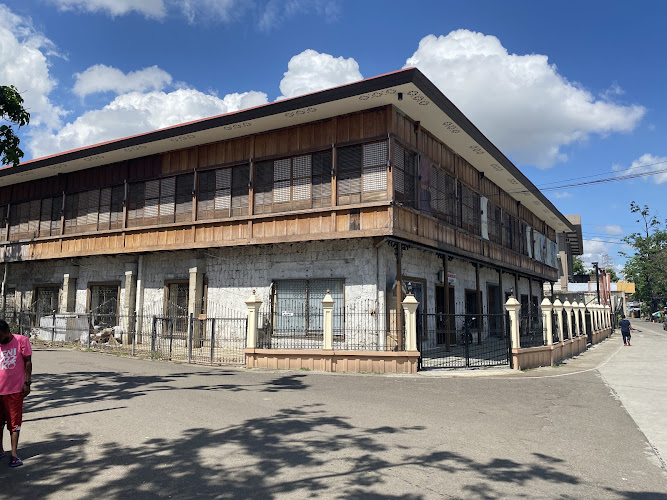
Archdiocesan Museum of Cebu

Beverly Hills Lahug Cebu City
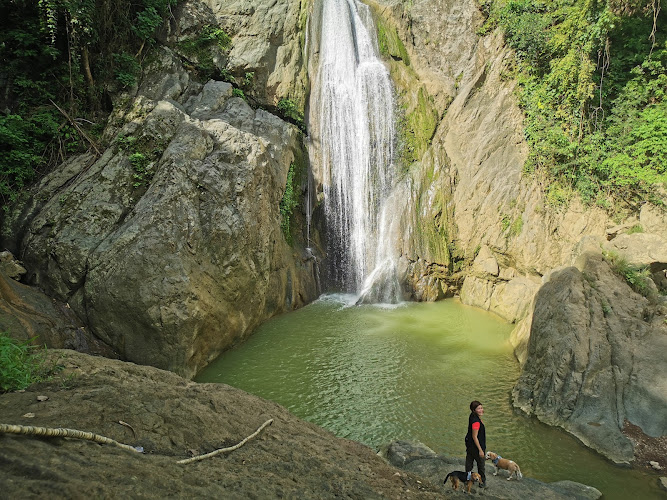
Budlaan Falls
Tours & Activities
GetYourGuide provides this tour inventory. We may earn a commission if you book through it; verify current availability, prices, and terms with the provider.
Visitor Reviews
There are no reviews yet. Be the first one to write one.
Share Your Experience
Have you visited University of San Carlos Museum? Help other travelers by leaving a review.