
Coimbatore
About Coimbatore
Description
Coimbatore, often called the “Manchester of South India,” is one of those cities that surprises you the more time you spend in it. At first glance, it feels like a busy industrial hub with its textile mills and engineering colleges, but if you scratch beneath the surface, you’ll find a city that’s layered with history, nature, food, and a certain warmth that’s hard to put into words. It’s in Tamil Nadu, tucked right against the Western Ghats, which means you’ll get a mix of bustling city life and quick escapes into the hills. That balance is what makes Coimbatore stand out.
The temples here tell stories that go back centuries. Marudamalai Temple, for instance, sits on a hill and has that classic Dravidian architecture—ornate carvings, colorful towers, and a spiritual calm that lingers in the air even when the place is crowded. Then there’s Patteeswarar Swamy Temple, equally detailed and alive with rituals that have been practiced for generations. If you’re like me and you enjoy wandering museums, the Gass Forest Museum is fascinating in its own quirky way. It’s not your typical museum—it’s filled with preserved animals, rare tree trunks, and things that make you feel like you’ve stepped into a natural history book. And if you need a breather, Singanallur Lake is where you’ll spot birds, butterflies, and locals just enjoying the slower pace of life.
Now, I won’t sugarcoat it—Coimbatore isn’t a picture-perfect tourist postcard. It has its share of traffic, heat, and dust. But that’s part of the charm too. It feels real. The food is authentic, the people are grounded, and the city doesn’t try too hard to impress you. It just is what it is—and that’s refreshing.
Key Features
- Historic temples like Marudamalai and Patteeswarar Swamy Temple showcasing Dravidian architecture.
- Proximity to the Western Ghats, offering quick getaways to hill stations like Ooty and Valparai.
- Unique museums such as the Gass Forest Museum with rare collections.
- Local cuisine that ranges from piping hot filter coffee to hearty South Indian meals served on banana leaves.
- Shopping hotspots for silk sarees and cotton textiles, earning the city its textile hub reputation.
- Nature escapes like Singanallur Lake and Kovai Kutralam waterfalls for birdwatching and relaxation.
- Strong local culture with festivals like Pongal celebrated with genuine enthusiasm.
Best Time to Visit
If you ask me, the best time to visit Coimbatore is between November and March. The weather during these months is pleasant enough to explore without feeling like you’re melting under the sun. Summers here can be harsh, and unless you’re used to high temperatures, it might feel overwhelming. Monsoons, on the other hand, bring a refreshing change—the hills nearby turn lush green, and the waterfalls are at their best. But yes, rain can throw off your travel plans, so it’s a bit of a gamble.
Winter is when the city feels just right. Evenings are cool, mornings are crisp, and it’s perfect for temple visits, food hopping, or even a quick road trip to the Ghats. Personally, I once visited in December and had the best time sipping hot filter coffee while watching the mist roll over the Nilgiris. That memory alone makes me recommend winter to anyone planning a trip.
How to Get There
Reaching Coimbatore is straightforward. The city has its own airport, Coimbatore International Airport, which connects to major Indian cities like Chennai, Bangalore, and Mumbai, as well as a few international destinations in the Middle East and Southeast Asia. If you prefer trains, Coimbatore Junction is one of the busiest stations in Tamil Nadu, with trains running in and out from almost everywhere in South India.
Road travel is another option, and honestly, it’s one I enjoy the most. Driving down from Bangalore or Kochi gives you scenic views and the freedom to stop at small towns along the way. The highways are well-maintained, and the journey itself becomes part of the adventure. Buses are also plenty, both government and private, so budget travelers won’t have a problem.
Tips for Visiting
Here are a few things I’ve learned from my own trips to Coimbatore that might help you out:
- Dress comfortably: The weather can get hot during the day, so light cotton clothes work best. But if you’re heading to the hills nearby, keep a jacket handy.
- Respect temple customs: Most temples require you to remove your shoes before entering, and modest clothing is expected. It’s part of the experience, and honestly, it makes you feel more connected to the place.
- Try the food: Don’t stick to just restaurants. Some of the best eats are from small roadside stalls—idlis, dosas, and that unbeatable filter coffee. I once had a plate of piping hot vadas at a roadside cart, and it remains one of my favorite food memories ever.
- Plan for day trips: Coimbatore itself is wonderful, but what makes it even better is how close it is to Ooty, Coonoor, Valparai, and even Kerala. A two-hour drive can completely change the scenery.
- Stay hydrated: It’s easy to underestimate the heat, so carry a water bottle. Coconut water vendors are everywhere, and they’re lifesavers on a hot afternoon.
- Shopping tip: If you’re into textiles, this city is a treasure. Bargaining is common in local markets, so don’t shy away from it.
- Festivals: If you can, time your visit around Pongal or Tamil New Year. The city lights up with celebrations, and you’ll get a real taste of Tamil culture.
At the end of the day, Coimbatore is one of those places that grows on you. It’s not flashy or overly touristy, but it’s genuine. And sometimes, that’s exactly what you need in a travel destination—a place that feels real, grounded, and welcoming.
Key Features
- Historic temples like Marudamalai and Patteeswarar Swamy Temple showcasing Dravidian architecture.
- Proximity to the Western Ghats, offering quick getaways to hill stations like Ooty and Valparai.
- Unique museums such as the Gass Forest Museum with rare collections.
- Local cuisine that ranges from piping hot filter coffee to hearty South Indian meals served on banana leaves.
- Shopping hotspots for silk sarees and cotton textiles, earning the city its textile hub reputation.
- Nature escapes like Singanallur Lake and Kovai Kutralam waterfalls for birdwatching and relaxation.
- Strong local culture with festivals like Pongal celebrated with genuine enthusiasm.
More Details
Updated October 1, 2025
Table of Contents
Description
Coimbatore, often called the “Manchester of South India,” is one of those cities that surprises you the more time you spend in it. At first glance, it feels like a busy industrial hub with its textile mills and engineering colleges, but if you scratch beneath the surface, you’ll find a city that’s layered with history, nature, food, and a certain warmth that’s hard to put into words. It’s in Tamil Nadu, tucked right against the Western Ghats, which means you’ll get a mix of bustling city life and quick escapes into the hills. That balance is what makes Coimbatore stand out.
The temples here tell stories that go back centuries. Marudamalai Temple, for instance, sits on a hill and has that classic Dravidian architecture—ornate carvings, colorful towers, and a spiritual calm that lingers in the air even when the place is crowded. Then there’s Patteeswarar Swamy Temple, equally detailed and alive with rituals that have been practiced for generations. If you’re like me and you enjoy wandering museums, the Gass Forest Museum is fascinating in its own quirky way. It’s not your typical museum—it’s filled with preserved animals, rare tree trunks, and things that make you feel like you’ve stepped into a natural history book. And if you need a breather, Singanallur Lake is where you’ll spot birds, butterflies, and locals just enjoying the slower pace of life.
Now, I won’t sugarcoat it—Coimbatore isn’t a picture-perfect tourist postcard. It has its share of traffic, heat, and dust. But that’s part of the charm too. It feels real. The food is authentic, the people are grounded, and the city doesn’t try too hard to impress you. It just is what it is—and that’s refreshing.
Key Features
- Historic temples like Marudamalai and Patteeswarar Swamy Temple showcasing Dravidian architecture.
- Proximity to the Western Ghats, offering quick getaways to hill stations like Ooty and Valparai.
- Unique museums such as the Gass Forest Museum with rare collections.
- Local cuisine that ranges from piping hot filter coffee to hearty South Indian meals served on banana leaves.
- Shopping hotspots for silk sarees and cotton textiles, earning the city its textile hub reputation.
- Nature escapes like Singanallur Lake and Kovai Kutralam waterfalls for birdwatching and relaxation.
- Strong local culture with festivals like Pongal celebrated with genuine enthusiasm.
Best Time to Visit
If you ask me, the best time to visit Coimbatore is between November and March. The weather during these months is pleasant enough to explore without feeling like you’re melting under the sun. Summers here can be harsh, and unless you’re used to high temperatures, it might feel overwhelming. Monsoons, on the other hand, bring a refreshing change—the hills nearby turn lush green, and the waterfalls are at their best. But yes, rain can throw off your travel plans, so it’s a bit of a gamble.
Winter is when the city feels just right. Evenings are cool, mornings are crisp, and it’s perfect for temple visits, food hopping, or even a quick road trip to the Ghats. Personally, I once visited in December and had the best time sipping hot filter coffee while watching the mist roll over the Nilgiris. That memory alone makes me recommend winter to anyone planning a trip.
How to Get There
Reaching Coimbatore is straightforward. The city has its own airport, Coimbatore International Airport, which connects to major Indian cities like Chennai, Bangalore, and Mumbai, as well as a few international destinations in the Middle East and Southeast Asia. If you prefer trains, Coimbatore Junction is one of the busiest stations in Tamil Nadu, with trains running in and out from almost everywhere in South India.
Road travel is another option, and honestly, it’s one I enjoy the most. Driving down from Bangalore or Kochi gives you scenic views and the freedom to stop at small towns along the way. The highways are well-maintained, and the journey itself becomes part of the adventure. Buses are also plenty, both government and private, so budget travelers won’t have a problem.
Tips for Visiting
Here are a few things I’ve learned from my own trips to Coimbatore that might help you out:
- Dress comfortably: The weather can get hot during the day, so light cotton clothes work best. But if you’re heading to the hills nearby, keep a jacket handy.
- Respect temple customs: Most temples require you to remove your shoes before entering, and modest clothing is expected. It’s part of the experience, and honestly, it makes you feel more connected to the place.
- Try the food: Don’t stick to just restaurants. Some of the best eats are from small roadside stalls—idlis, dosas, and that unbeatable filter coffee. I once had a plate of piping hot vadas at a roadside cart, and it remains one of my favorite food memories ever.
- Plan for day trips: Coimbatore itself is wonderful, but what makes it even better is how close it is to Ooty, Coonoor, Valparai, and even Kerala. A two-hour drive can completely change the scenery.
- Stay hydrated: It’s easy to underestimate the heat, so carry a water bottle. Coconut water vendors are everywhere, and they’re lifesavers on a hot afternoon.
- Shopping tip: If you’re into textiles, this city is a treasure. Bargaining is common in local markets, so don’t shy away from it.
- Festivals: If you can, time your visit around Pongal or Tamil New Year. The city lights up with celebrations, and you’ll get a real taste of Tamil culture.
At the end of the day, Coimbatore is one of those places that grows on you. It’s not flashy or overly touristy, but it’s genuine. And sometimes, that’s exactly what you need in a travel destination—a place that feels real, grounded, and welcoming.
Key Highlights
- Historic temples like Marudamalai and Patteeswarar Swamy Temple showcasing Dravidian architecture.
- Proximity to the Western Ghats, offering quick getaways to hill stations like Ooty and Valparai.
- Unique museums such as the Gass Forest Museum with rare collections.
- Local cuisine that ranges from piping hot filter coffee to hearty South Indian meals served on banana leaves.
- Shopping hotspots for silk sarees and cotton textiles, earning the city its textile hub reputation.
- Nature escapes like Singanallur Lake and Kovai Kutralam waterfalls for birdwatching and relaxation.
- Strong local culture with festivals like Pongal celebrated with genuine enthusiasm.
Location
Places to Stay Near Coimbatore
Find and Book a Tour
Explore More Travel Guides
No reviews found! Be the first to review!
Traveler Reviews for Coimbatore
There are no reviews yet. Be the first one to write one.
Have you visited Coimbatore? Help other travelers by sharing your review.
You Might Also Like
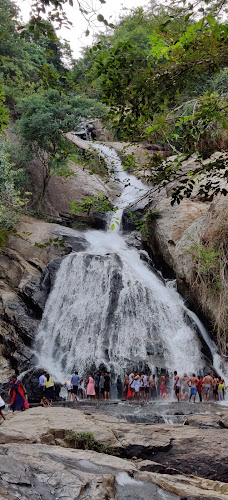
Kaviyaruvi Waterfalls (Monkey Falls)
Anuvavi Subramanian Temple அனுவாவி சுப்ரமணியர் ஆலயம்
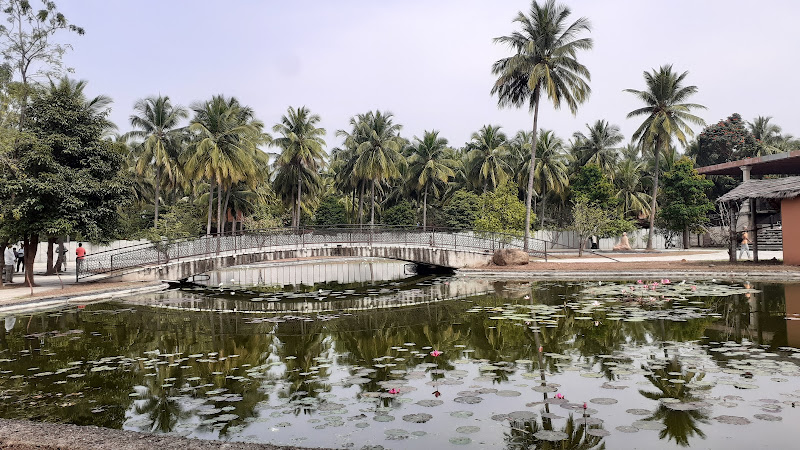
Surya Kund
Find Accommodations Nearby
Recommended Tours & Activities
Visitor Reviews
There are no reviews yet. Be the first one to write one.
Share Your Experience
Have you visited Coimbatore? Help other travelers by leaving a review.