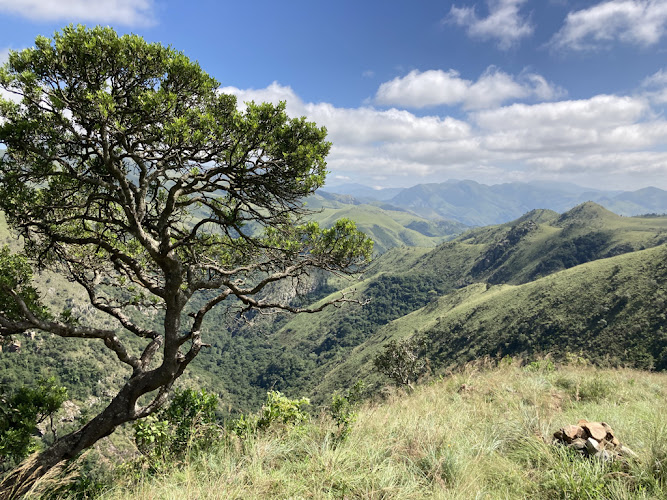
Hidden deep within the rugged heart of Malolotja Nature Reserve in Eswatini, this waterfall plunges nearly a hundred meters down a steep gorge, surrounded by rolling highveld grasslands and ancient rock formations that date back more than 3.5 billion years. It’s not the kind of place you stumble upon by accident—you have to want to find it. And that’s part of its magic.
Standing near the edge of the viewpoint, you can hear the faint roar of the falls before you see them. Then, suddenly, the valley opens up, and there it is—a silver ribbon of water tumbling into a dense Afromontane forest below. The air feels cooler here, fresher somehow, like it’s been filtered through the ages. It’s one of those scenes that makes you stop mid-sentence, camera in hand, and just stare for a while.
Malolotja Falls isn’t a manicured tourist stop. It’s raw, untamed, and a bit unpredictable—especially after heavy rains when the river swells and the falls thunder with power. But that’s exactly what makes it special. You get the sense that nature is still in charge here. The trails can be steep, rocky, and occasionally muddy, but every step rewards you with sweeping views of valleys, cliffs, and endless skies. It’s a place that humbles you, in the best possible way.
I remember my first visit here—after a long, dusty drive on a 4×4 track that felt more like an adventure than a road trip. When I finally reached the viewpoint, I just sat there for an hour, legs dangling over a rock, watching the light shift across the gorge. It’s not a place for quick selfies and moving on; it’s a place that asks you to slow down, breathe, and let the wildness of Eswatini sink in.
Best Time to Visit
Timing your visit to Malolotja Falls can make a big difference. The best months are usually between November and April, during or just after the rainy season, when the waterfall is at its fullest. The sound of rushing water echoes through the valley, and the surrounding hills explode into a thousand shades of green. It’s dramatic and beautiful, though trails can get slippery, so good boots are a must.
If you prefer cooler, drier conditions, May to August is ideal for hiking. The air is crisp, the skies are clear, and you can see for miles across the highveld. The falls might be gentler then, more of a graceful stream than a roaring cascade, but the serenity of the landscape more than makes up for it. Just note that from August to October, certain trails, like the Malolotja Falls Walk, are closed to protect nesting Bald Ibises—a small but important reminder that this reserve is first and foremost a sanctuary for nature.
How to Get There
Reaching Malolotja Falls is part of the adventure. The reserve lies in northwestern Eswatini, not far from the border with South Africa. Most travelers arrive by car—ideally a high-clearance or 4×4 vehicle, especially if you plan to explore deeper into the reserve. The roads can be rough, but that’s half the fun. You’ll pass through rolling hills, grazing cattle, and the occasional roadside market selling fresh fruit or handmade crafts.
Once inside the reserve, follow the signs toward the falls viewpoint or the Logwaja trailhead. The hike to the falls isn’t long, but it’s steep in places, so take your time. If you’re not big on hiking, there are several scenic viewpoints accessible by car that still offer impressive glimpses of the valley and distant cascades. And honestly, even the drive alone is worth it—the landscape changes constantly, from open grasslands to rocky ridges and forested slopes.
Public transport options are limited, so renting a car or joining a guided tour is the most practical choice. Some local tour operators in Mbabane or Piggs Peak offer day trips that include transport, park entry, and guided hikes. If you’re driving yourself, make sure to bring enough fuel and water—services are sparse once you’re inside the reserve.
Tips for Visiting
Visiting Malolotja Falls is not just about seeing a waterfall—it’s about experiencing the wild side of Eswatini. Here are a few tips to make your trip smoother and more rewarding:
- Wear sturdy footwear. The trails can get rocky and uneven, especially after rain. Good hiking shoes will save your ankles and your mood.
- Bring layers. The weather can shift quickly in the highlands—sunny one minute, chilly the next. A light jacket or windbreaker helps.
- Pack snacks and water. There aren’t any cafes or shops inside the reserve, so come prepared. A thermos of coffee or tea is a nice touch for those early morning hikes.
- Respect the environment. Stay on marked trails and avoid disturbing wildlife. The reserve is home to rare species, and even small disruptions can have big effects.
- Check trail closures. Some routes, including the one to the falls, may close seasonally for bird nesting or maintenance. It’s always worth checking with the park office before setting out.
- Stay overnight if you can. Watching the sunset from the ridge above the falls, then waking up to mist rolling through the valley—it’s pure magic. Camping here feels like stepping back in time.
- Bring a camera, but don’t forget to look up. The views are incredible, but sometimes the best moments are the quiet ones when you just stand still and take it all in.
One last thing—don’t rush. Malolotja Falls isn’t the sort of place you tick off a list. It’s a place that rewards patience and curiosity. Hike a little farther, linger a little longer, and you’ll start to see the small details: the shimmer of dragonflies near the water, the distant call of a bird echoing through the gorge, the way the late afternoon sun paints the rocks gold. These are the moments that stay with you long after you’ve left.
In the end, Malolotja Falls isn’t just a waterfall—it’s a reminder of how wild and beautiful the world can still be. Whether you’re a seasoned hiker, a nature lover, or just someone who craves a bit of quiet away from the noise, this corner of Eswatini delivers something real. It’s not polished or perfect, but that’s exactly why it’s unforgettable.
 Real Journey Travels