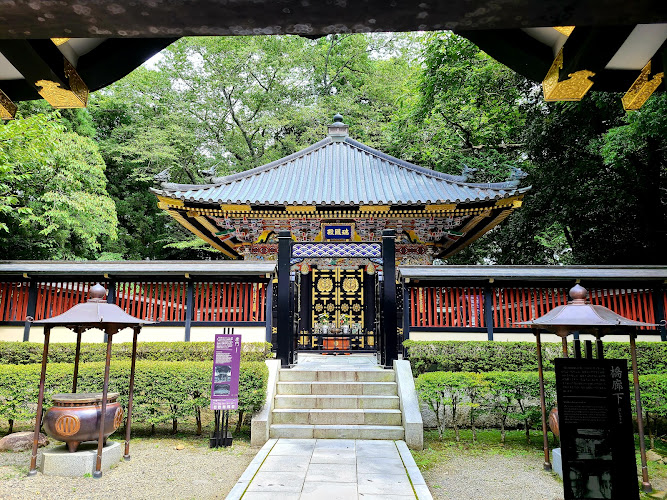
It’s not just the quiet of the forest or the soft crunch of gravel underfoot—it’s the kind of silence that feels like stepping back in time. This isn’t your average tourist stop; it’s the resting place of Date Masamune, the legendary samurai lord who founded Sendai during Japan’s Edo Period. And honestly, you can feel his presence in the air. The mausoleum is a striking example of Momoyama architecture, full of vivid colors, intricate wood carvings, and gold leaf details that somehow still manage to feel humble amid the towering trees.
Zuihōden was originally built in 1637 by Masamune’s son, Date Tadamune, and while the original structure was destroyed during World War II, it was painstakingly reconstructed in the mid-20th century. What stands today is both a faithful restoration and a quiet symbol of Sendai’s resilience. The craftsmanship is astonishing—dragons, phoenixes, and peonies carved into every surface, each one telling a story of power, faith, and legacy. And yet, there’s something deeply human about it all. You can almost imagine Masamune himself, the one-eyed warlord known as the “One-Eyed Dragon,” looking out over his domain with pride.
Walking through the complex, you’ll also find the mausoleums of Masamune’s descendants, Date Tadamune and Date Tsunamune, each with their own unique flair. The surrounding forest of ancient cedar trees adds a natural solemnity that makes the entire area feel sacred. It’s not just a historical site—it’s a living memory, carefully preserved by the people of Sendai. There’s even a small museum nearby displaying artifacts like Masamune’s personal belongings, family crests, and armor, which helps bring the story full circle. It’s one of those places that manages to be both grand and intimate at the same time.
Now, I’ve visited a lot of historical landmarks across Japan, but Zuihōden stands out. Maybe it’s the way the sunlight filters through the cedars or how the colors of the carvings seem to shift with the seasons. Or maybe it’s simply the sense that this place matters—that it holds the spirit of a man and a clan that shaped an entire region. Whatever it is, you leave with a quiet sense of awe, and maybe even a bit of peace.
Best Time to Visit
If you ask me, Zuihōden is stunning year-round, but the best time to visit depends on what kind of experience you’re after. Spring brings a soft freshness to the air, with cherry blossoms blooming here and there, making the path feel almost magical. Summer can be a bit humid, sure, but the shade from the cedars keeps it surprisingly comfortable—and the light filtering through the leaves gives the carvings a warm, golden glow.
Autumn, though, might just be the winner. The surrounding forest bursts into shades of crimson and amber, creating a surreal contrast against the bright colors of the mausoleum. It’s a photographer’s dream. Winter, on the other hand, is quiet and contemplative. The snow muffles every sound, and the black lacquer and gold details peek through the white blanket like something out of a painting. It’s cold, yes, but worth it for the atmosphere alone. Personally, I’d say late October to early November is the sweet spot—you get that crisp, cool air and the full force of autumn color without the crowds.
How to Get There
Getting to Zuihōden is pretty straightforward, even if you’re not familiar with Sendai. From Sendai Station, you can hop on a bus heading toward the Zuihōden stop—it’s about a 15-minute ride. If you’re more of a walker (like me), it’s around a 30-minute stroll from the station. The route takes you through some lovely residential streets, so it’s a nice way to get a feel for the city before you dive into its history. Taxis are also an option and relatively affordable if you’re traveling in a small group.
Once you arrive, be prepared for a bit of a climb. The mausoleum sits on a hillside, and there are a few sets of stone steps leading up to the main complex. It’s not too strenuous, but if you have mobility issues, it’s worth noting that the entrance isn’t fully wheelchair accessible. On the bright side, the gradual ascent adds to the sense of anticipation—you really do feel like you’re ascending into another world.
Tips for Visiting
Here’s the thing—Zuihōden isn’t a place you rush through. Give yourself time to slow down and absorb it. The details are what make it special, and they reveal themselves gradually. Bring a camera, sure, but don’t spend the whole visit behind the lens. Sometimes the best memories are the ones you simply take in with your own eyes.
Try to visit early in the morning or later in the afternoon to avoid the larger tour groups. The atmosphere feels more personal when it’s quiet. And if you’re visiting in summer, bring some water—those steps can get warm under the midday sun. Comfortable shoes are a must; the paths are uneven in places, and you’ll want to explore every corner.
One thing I always tell people: stop by the museum before you leave. It’s small but fascinating, and it gives you a deeper appreciation for the Date family’s influence on Sendai’s culture and architecture. The displays are well-curated, and even if you don’t read Japanese, the visuals speak for themselves. You might also spot a few locals paying their respects—it’s still very much a spiritual site for many residents, not just a tourist attraction.
Lastly, take a moment at the top of the stairs before you head back down. Look out over the trees, listen to the wind, and think about the centuries of history beneath your feet. It’s humbling, really. Zuihōden isn’t just a mausoleum—it’s a story carved in wood and stone, a reminder of the legacy of one of Japan’s most fascinating figures. If you love history, architecture, or just places that make you feel something deep down, this one’s worth every step.
 Real Journey Travels