National Civil Rights Museum
About National Civil Rights Museum
Description
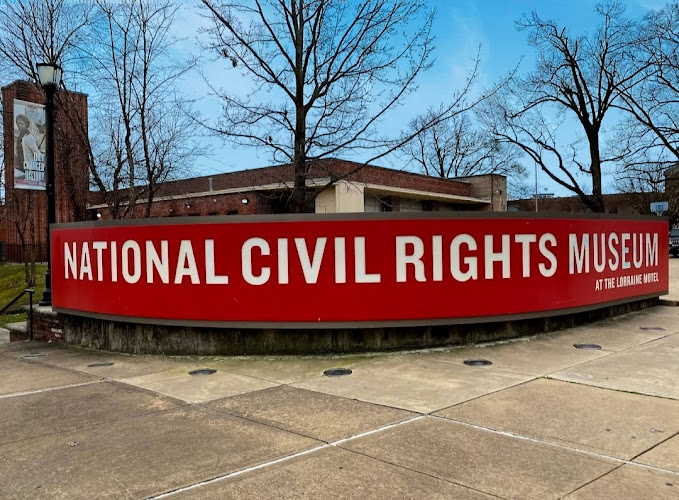
The National Civil Rights Museum stands as one of the most powerful places to visit in the United States—a living testament to the courage, pain, and resilience that shaped the American civil rights movement. Built around the former Lorraine Motel, where Dr. Martin Luther King Jr. was assassinated in 1968, this museum doesn’t just tell history—it makes you feel it. From the moment you step inside, there’s an emotional weight that settles in, but it’s the kind that inspires reflection more than sadness. I remember walking through the first exhibit and realizing how much I’d taken for granted about the struggle for equality. It hits differently when you’re standing where history literally changed course.
Every corner of the museum tells a story—some heartbreaking, others uplifting—but all unforgettable. The exhibits use a mix of original artifacts, multimedia displays, and personal testimonies that bring the movement to life. And while some people might expect a somber tone throughout, there’s also a surprising sense of hope here. You’ll see the faces of ordinary people who did extraordinary things, and it reminds you that progress, though slow, is possible when people stand up together.
Key Features
- Interactive exhibits that trace the civil rights movement from slavery through the 20th century to modern times.
- A preserved section of the Lorraine Motel, including the room where Dr. King spent his final moments.
- Live performances and educational programs that bring historical events to life.
- Onsite theater presenting short films and documentaries about civil rights leaders and pivotal moments.
- Guided tours led by passionate historians who share lesser-known stories behind the exhibits.
- A well-curated gift shop featuring books, artwork, and memorabilia that celebrate Black history and culture.
- Wheelchair-accessible entrances, restrooms, and parking for visitors of all abilities.
- Café and Wi-Fi amenities for those who want to take a break or reflect between exhibits.
What I personally love most is how the museum doesn’t shy away from difficult conversations. It’s not sanitized history—it’s real, raw, and necessary. You’ll walk out with a deeper understanding of how far we’ve come and how far we still have to go.
Best Time to Visit
If you ask me, the best time to visit the National Civil Rights Museum is during spring or fall. Memphis weather can get pretty intense in the summer—especially if you’re planning to explore the area on foot. Spring brings mild temperatures and blooming dogwoods, which make the surrounding neighborhood feel more alive. Fall, on the other hand, has that crisp air that makes walking through the outdoor memorial areas feel peaceful and reflective.
Weekdays are generally less crowded, which means you can take your time reading plaques and absorbing the exhibits without feeling rushed. Weekends tend to draw families and tour groups, which adds energy but can make it harder to linger. If you’re the kind of traveler who likes quiet moments to think, early mornings are ideal. And if you happen to visit around Martin Luther King Jr. Day or Black History Month, expect special programs and commemorations that add even more depth to the experience.
How to Get There
Getting to the museum is pretty straightforward, especially if you’re staying near downtown Memphis. The area is well connected by public transit, and there’s parking nearby if you’re driving. I’d recommend using a rideshare service if you’re not familiar with Memphis traffic—it can get a little hectic during peak hours. The museum is close to several other landmarks, so it’s easy to make it part of a day’s itinerary exploring the city’s cultural and historical sites.
If you’re coming from the airport, it’s about a twenty-minute drive. Some visitors prefer to join guided city tours that include the museum as a key stop, which can be a great way to learn more about Memphis’s broader civil rights heritage. Whatever your mode of travel, plan ahead—especially if you’re visiting on a holiday or during school field trip season, as tickets can sell out quickly.
Tips for Visiting
Here’s the thing—this isn’t the kind of museum you rush through. Give yourself at least two to three hours, maybe more if you’re a history buff like me. The exhibits are dense with information, and you’ll want time to process what you’re seeing. Bring tissues, too. I’m not kidding—some parts are deeply moving, especially when you reach the room that overlooks the balcony where Dr. King stood.
- Buy tickets in advance: It saves time and ensures you get your preferred entry slot, especially during peak seasons.
- Plan for emotions: The museum experience can be intense, so take breaks if you need to. There’s a small café inside for that reason.
- Ask questions: The staff and guides are incredibly knowledgeable and often share personal insights that aren’t on the plaques.
- Bring kids: It’s family-friendly and a meaningful way to introduce young people to the importance of equality and justice.
- Visit the gift shop: It’s not your typical souvenir stop—it’s full of thought-provoking books and art that support local creators.
- Stay connected: The museum offers free Wi-Fi, which is great if you want to look up related historical events while exploring.
One thing I didn’t expect was how much the museum makes you reflect on your own beliefs and biases. It’s not just about what happened decades ago—it’s about what’s still happening today. I left feeling both humbled and motivated. And honestly, that’s what great museums do—they challenge you to think differently.
So if you’re planning a trip to Memphis, don’t skip this one. Whether you’re a history enthusiast, a student, or just someone who wants to understand the human side of America’s journey toward equality, the National Civil Rights Museum is worth every minute. It’s not just a destination; it’s an experience that stays with you long after you’ve walked out the door.
Key Features
- Interactive exhibits that trace the civil rights movement from slavery through the 20th century to modern times.
- A preserved section of the Lorraine Motel, including the room where Dr. King spent his final moments.
- Live performances and educational programs that bring historical events to life.
- Onsite theater presenting short films and documentaries about civil rights leaders and pivotal moments.
- Guided tours led by passionate historians who share lesser-known stories behind the exhibits.
- A well-curated gift shop featuring books, artwork, and memorabilia that celebrate Black history and culture.
- Wheelchair-accessible entrances, restrooms, and parking for visitors of all abilities.
- Café and Wi-Fi amenities for those who want to take a break or reflect between exhibits.
More Details
Updated October 10, 2025
Table of Contents
Description
The National Civil Rights Museum stands as one of the most powerful places to visit in the United States—a living testament to the courage, pain, and resilience that shaped the American civil rights movement. Built around the former Lorraine Motel, where Dr. Martin Luther King Jr. was assassinated in 1968, this museum doesn’t just tell history—it makes you feel it. From the moment you step inside, there’s an emotional weight that settles in, but it’s the kind that inspires reflection more than sadness. I remember walking through the first exhibit and realizing how much I’d taken for granted about the struggle for equality. It hits differently when you’re standing where history literally changed course.
Every corner of the museum tells a story—some heartbreaking, others uplifting—but all unforgettable. The exhibits use a mix of original artifacts, multimedia displays, and personal testimonies that bring the movement to life. And while some people might expect a somber tone throughout, there’s also a surprising sense of hope here. You’ll see the faces of ordinary people who did extraordinary things, and it reminds you that progress, though slow, is possible when people stand up together.
Key Features
- Interactive exhibits that trace the civil rights movement from slavery through the 20th century to modern times.
- A preserved section of the Lorraine Motel, including the room where Dr. King spent his final moments.
- Live performances and educational programs that bring historical events to life.
- Onsite theater presenting short films and documentaries about civil rights leaders and pivotal moments.
- Guided tours led by passionate historians who share lesser-known stories behind the exhibits.
- A well-curated gift shop featuring books, artwork, and memorabilia that celebrate Black history and culture.
- Wheelchair-accessible entrances, restrooms, and parking for visitors of all abilities.
- Café and Wi-Fi amenities for those who want to take a break or reflect between exhibits.
What I personally love most is how the museum doesn’t shy away from difficult conversations. It’s not sanitized history—it’s real, raw, and necessary. You’ll walk out with a deeper understanding of how far we’ve come and how far we still have to go.
Best Time to Visit
If you ask me, the best time to visit the National Civil Rights Museum is during spring or fall. Memphis weather can get pretty intense in the summer—especially if you’re planning to explore the area on foot. Spring brings mild temperatures and blooming dogwoods, which make the surrounding neighborhood feel more alive. Fall, on the other hand, has that crisp air that makes walking through the outdoor memorial areas feel peaceful and reflective.
Weekdays are generally less crowded, which means you can take your time reading plaques and absorbing the exhibits without feeling rushed. Weekends tend to draw families and tour groups, which adds energy but can make it harder to linger. If you’re the kind of traveler who likes quiet moments to think, early mornings are ideal. And if you happen to visit around Martin Luther King Jr. Day or Black History Month, expect special programs and commemorations that add even more depth to the experience.
How to Get There
Getting to the museum is pretty straightforward, especially if you’re staying near downtown Memphis. The area is well connected by public transit, and there’s parking nearby if you’re driving. I’d recommend using a rideshare service if you’re not familiar with Memphis traffic—it can get a little hectic during peak hours. The museum is close to several other landmarks, so it’s easy to make it part of a day’s itinerary exploring the city’s cultural and historical sites.
If you’re coming from the airport, it’s about a twenty-minute drive. Some visitors prefer to join guided city tours that include the museum as a key stop, which can be a great way to learn more about Memphis’s broader civil rights heritage. Whatever your mode of travel, plan ahead—especially if you’re visiting on a holiday or during school field trip season, as tickets can sell out quickly.
Tips for Visiting
Here’s the thing—this isn’t the kind of museum you rush through. Give yourself at least two to three hours, maybe more if you’re a history buff like me. The exhibits are dense with information, and you’ll want time to process what you’re seeing. Bring tissues, too. I’m not kidding—some parts are deeply moving, especially when you reach the room that overlooks the balcony where Dr. King stood.
- Buy tickets in advance: It saves time and ensures you get your preferred entry slot, especially during peak seasons.
- Plan for emotions: The museum experience can be intense, so take breaks if you need to. There’s a small café inside for that reason.
- Ask questions: The staff and guides are incredibly knowledgeable and often share personal insights that aren’t on the plaques.
- Bring kids: It’s family-friendly and a meaningful way to introduce young people to the importance of equality and justice.
- Visit the gift shop: It’s not your typical souvenir stop—it’s full of thought-provoking books and art that support local creators.
- Stay connected: The museum offers free Wi-Fi, which is great if you want to look up related historical events while exploring.
One thing I didn’t expect was how much the museum makes you reflect on your own beliefs and biases. It’s not just about what happened decades ago—it’s about what’s still happening today. I left feeling both humbled and motivated. And honestly, that’s what great museums do—they challenge you to think differently.
So if you’re planning a trip to Memphis, don’t skip this one. Whether you’re a history enthusiast, a student, or just someone who wants to understand the human side of America’s journey toward equality, the National Civil Rights Museum is worth every minute. It’s not just a destination; it’s an experience that stays with you long after you’ve walked out the door.

Key Highlights
- Interactive exhibits that trace the civil rights movement from slavery through the 20th century to modern times.
- A preserved section of the Lorraine Motel, including the room where Dr. King spent his final moments.
- Live performances and educational programs that bring historical events to life.
- Onsite theater presenting short films and documentaries about civil rights leaders and pivotal moments.
- Guided tours led by passionate historians who share lesser-known stories behind the exhibits.
- A well-curated gift shop featuring books, artwork, and memorabilia that celebrate Black history and culture.
- Wheelchair-accessible entrances, restrooms, and parking for visitors of all abilities.
- Café and Wi-Fi amenities for those who want to take a break or reflect between exhibits.
Location
Places to Stay Near National Civil Rights Museum
Find and Book a Tour
Explore More Travel Guides
No reviews found! Be the first to review!
Traveler Reviews for National Civil Rights Museum
There are no reviews yet. Be the first one to write one.
Have you visited National Civil Rights Museum? Help other travelers by sharing your review.
Find Accommodations Nearby
Recommended Tours & Activities
Visitor Reviews
There are no reviews yet. Be the first one to write one.
Share Your Experience
Have you visited National Civil Rights Museum? Help other travelers by leaving a review.