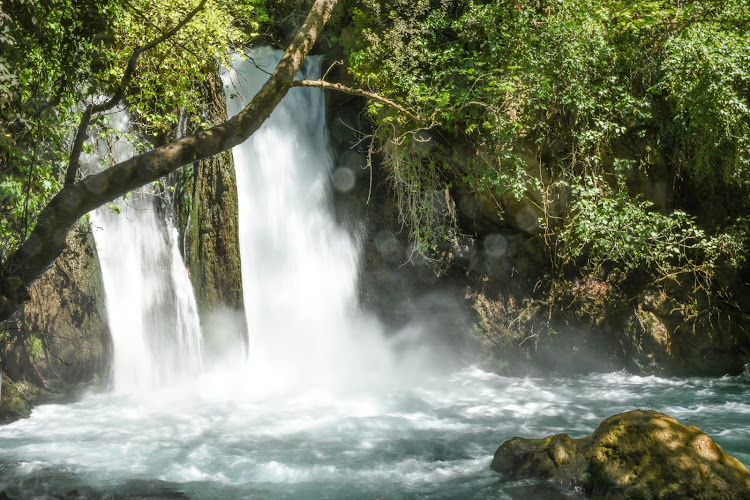
It’s like stepping into a living storybook where ancient history meets jaw-dropping natural beauty. I was absolutely blown away when I first laid eyes on the Banias Waterfall – it’s the tallest waterfall in Israel, and boy, does it make an impression! The thundering 33-foot cascade creates this magical mist that just hangs in the air, especially during spring when the snowmelt from Mount Hermon really gets things flowing.
But here’s the thing – this place isn’t just about pretty waterfalls. The whole reserve is basically an open-air museum of human history. I mean, you’ve got these fascinating ruins of the ancient city of Paneas (named after Pan, that mischievous Greek god), and the remains of this incredible temple complex that dates back thousands of years. The archaeological site is seriously impressive, with remnants from Roman, Greek, and even earlier civilizations all mixed together.
Best Time to Visit
If you’re asking me (and I’ve been here in every season), spring is absolutely the sweet spot for visiting the Hermon Stream Nature Reserve. Around March to May, the waterfall is at its most spectacular thanks to the melting snow from Mount Hermon, and the whole place bursts with wildflowers. Plus, the weather’s just perfect – not too hot, not too cold.
Summer can get pretty toasty, but that’s when the shaded trails and cool mist from the waterfall feel especially refreshing. Just try to arrive early in the morning to beat both the heat and the crowds. Winter’s got its own charm – the water flow might be less dramatic, but you’ll practically have the place to yourself. And sometimes, if you’re lucky, you might even catch a dusting of snow!
Avoid visiting after heavy rains though – some trails can get slippery and occasionally close for safety reasons. Trust me on this one, I learned the hard way!
How to Get There
Getting to the Hermon Stream Nature Reserve is pretty straightforward, especially if you’re coming from the major cities in northern Israel. Your best bet is definitely driving – the reserve is well-signposted from Route 99, and you’ll find plenty of parking when you arrive (though it can fill up quick during peak season, just saying).
If you’re relying on public transport, you can catch buses from nearby cities like Kiryat Shmona or Tiberias, but honestly, the connections aren’t great and you might spend more time traveling than exploring. I’d recommend either renting a car or joining an organized tour if you don’t have your own wheels.
Tips for Visiting
Let me share some hard-earned wisdom from my multiple visits to this amazing place. First off, wear proper walking shoes – and I mean proper ones, not those fancy sandals that look cute but offer zero grip. The trails can get slippery, especially near the waterfall.
Bring plenty of water! Even though you’re surrounded by streams and falls, you can’t drink from them (learned that one the hard way). And pack some snacks – there’s a small kiosk, but having your own provisions gives you more flexibility to explore.
The suspended trail is absolutely worth doing, but if you’re scared of heights, maybe skip that part. It’s totally secure, but it can feel a bit wobbly when other people are walking on it.
Oh, and here’s something most guides won’t tell you – the light is absolutely magical for photography during the golden hour, especially at the waterfall. If you’re into photography, plan to be there either early morning or late afternoon.
Don’t try to rush through everything in an hour or two. Give yourself at least 3-4 hours to really soak in the history and natural beauty. The archaeological site alone deserves a good hour of your time, and the various hiking trails each offer something unique.
And one last thing – while it might be tempting, swimming isn’t allowed in most areas. There are designated spots where you can dip your feet in, though, and believe me, it feels amazing after a long walk!
Remember to check the weather forecast before you go. The reserve can close during severe weather conditions, and some trails might be restricted after heavy rainfall. A quick phone call to the reserve office before heading out can save you from disappointment.
 Real Journey Travels