
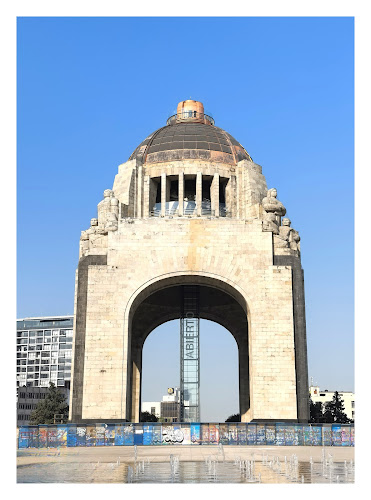
Monument to the Revolution
About Monument to the Revolution
The Monument to the Revolution in Mexico City stands as one of those places that somehow feels both grand and deeply personal at the same time. It’s not just a colossal structure of stone and steel—it’s a story told in architecture, a physical embodiment of Mexico’s long and complicated struggle for justice and reform. Rising proudly above the Plaza de la República, this monument captures the spirit of an era that forever changed the nation. And honestly, even if you’re not a history buff, it’s hard not to feel something standing beneath its massive copper dome, looking up at the sky framed by its arches.
Originally designed as part of a grand legislative palace, the project was abandoned during the Mexican Revolution. Years later, it was reborn as the Monument to the Revolution—a transformation that feels poetic, really. What began as a symbol of political ambition became a tribute to the fight for freedom. Today, it serves as both a mausoleum and a museum, housing the remains of revolutionary heroes like Francisco “Pancho” Villa, Venustiano Carranza, and Lázaro Cárdenas. The idea that these figures rest here, beneath the very structure that symbolizes their cause, gives the place an almost sacred energy.
Visitors often describe the experience as unexpectedly moving. Maybe it’s the way the light filters through the arches, or the hum of the city fading just enough for you to feel the weight of history. Or maybe it’s the panoramic view from the observation deck—one of the best in Mexico City, by the way—that makes you pause and reflect. Either way, this monument isn’t just a stop on your itinerary; it’s a moment of connection with Mexico’s past and present.
Key Features
- Observation Deck: Take a glass elevator up to the top for sweeping 360-degree views of Mexico City. It’s especially stunning at sunset when the city glows in shades of gold and pink.
- Revolution Museum: Located beneath the monument, this museum offers an engaging look at the Mexican Revolution through artifacts, photos, and interactive exhibits. It’s surprisingly modern and well-curated.
- Mausoleum: The final resting place of key revolutionary figures, giving the site a solemn yet inspiring atmosphere.
- Light Shows: In the evenings, the monument is illuminated with vibrant colors and projections that bring its history to life. It’s a treat for photographers and night wanderers alike.
- Accessibility: The site is wheelchair-friendly with accessible entrances and parking, making it easy for everyone to explore.
- Family-Friendly: Kids often enjoy the open plaza space and the museum’s interactive displays. It’s educational without being boring—a rare combo, honestly.
There’s also a café nearby where you can grab a coffee and just sit back to people-watch. Locals come here to relax, skateboard, or take photos, so it’s a lively spot that feels authentically Mexican. I once sat there for an hour just watching families, couples, and tourists mingle—it’s a reminder that this monument isn’t just about the past; it’s part of the city’s everyday rhythm.
Best Time to Visit
If you can, visit in the late afternoon. The light is softer, the crowds thin out a bit, and the view from the top is downright magical. Around sunset, the city’s skyline looks almost painted, and when night falls, the monument lights up beautifully. Early mornings are good too if you prefer a quieter experience—plus, the air feels fresher before the day’s bustle kicks in.
Weather-wise, Mexico City’s climate is mild year-round, but the dry season (November to April) tends to be the most comfortable. During the rainy months, you might catch a sudden downpour, but honestly, the monument looks dramatic against stormy skies. Just bring a light jacket—trust me, that breeze up on the observation deck can surprise you.
How to Get There
Getting to the Monument to the Revolution is as straightforward as it gets. It’s centrally located, so you can reach it easily by metro, taxi, or even on foot if you’re staying nearby. The closest metro station is “Revolución” on Line 2, just a short walk away. If you’re coming from the historic center, it’s about a 20-minute stroll—pleasant enough if you enjoy seeing the city’s architecture up close.
For those driving, there’s a paid parking lot close to the plaza. But fair warning: parking in Mexico City can be tricky, especially during weekends or events. Personally, I prefer taking public transportation or using a rideshare app—it saves time and spares you the headache of finding a spot. Plus, you’ll avoid the city’s infamous traffic jams, which, let’s be honest, can test anyone’s patience.
Tips for Visiting
A few things can make your visit smoother and more enjoyable. First, buy your tickets early if you plan to go up to the observation deck. Lines can get long, especially on weekends and holidays. The elevator ride itself is quick, but the wait can feel eternal when the plaza is crowded.
Wear comfortable shoes. The plaza is spacious, and you’ll likely spend a good chunk of time walking around or climbing a few steps. If you’re visiting during the day, bring sunscreen and a hat—the open square offers little shade. And don’t forget your camera or phone; the views are too good not to capture.
If you’re into photography, go at golden hour. The light hits the monument just right, casting long shadows and highlighting the copper dome’s warm glow. I once caught a couple getting engaged there—it’s that kind of place, full of emotion and symbolism. Also, check out the museum underneath; it’s well worth your time and gives you context for everything you’re seeing above ground.
For families, the plaza is safe and open enough for kids to run around, and there are plenty of food vendors nearby. Grab an elote (grilled corn) or a cup of esquites—it’s part of the experience. And if you’re traveling solo, it’s a great place to meet locals or just sit quietly and people-watch. The energy here is both peaceful and powerful, something that’s hard to describe until you feel it for yourself.
Lastly, try visiting at night at least once. The monument’s illumination is breathtaking, and the atmosphere shifts from historical to almost cinematic. It’s a completely different vibe—less about history, more about art and light. You’ll see couples strolling hand-in-hand, kids chasing bubbles, and street performers adding a touch of magic to the scene. It’s one of those moments where you realize why Mexico City has such a strong heartbeat.
In the end, the Monument to the Revolution isn’t just a landmark—it’s a living piece of Mexico’s story. Whether you’re drawn by its history, its architecture, or simply the view from the top, it leaves a lasting impression. And maybe that’s what makes it so special: it connects you to something bigger, reminding you that revolutions—big or small—shape not only nations but the people who dare to dream of change.
You Might Also Like
Tours & Activities
GetYourGuide provides this tour inventory. We may earn a commission if you book through it; verify current availability, prices, and terms with the provider.
Visitor Reviews
There are no reviews yet. Be the first one to write one.
Share Your Experience
Have you visited Monument to the Revolution? Help other travelers by leaving a review.