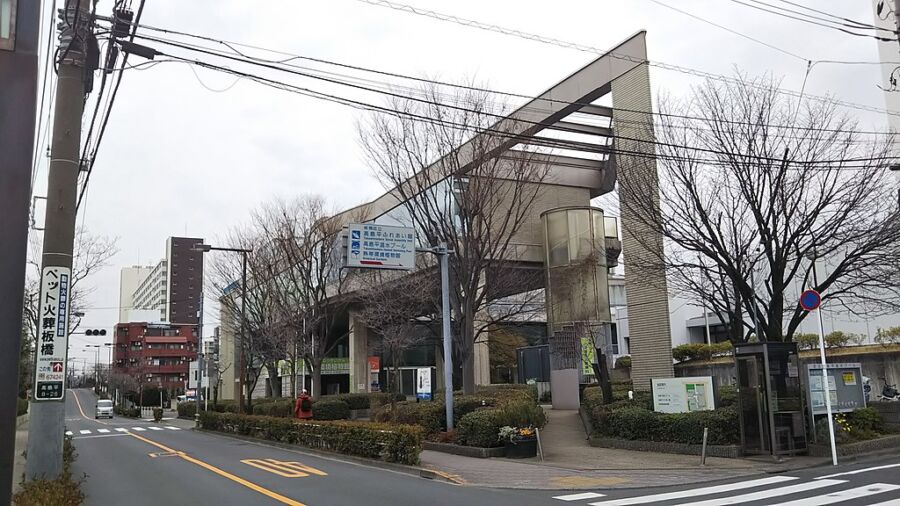
Itabashi Botanical Garden is a green, study-minded retreat in Takashimadaira, in Tokyo’s Itabashi area. Established in 1983, it was created to bring Japan’s varied plant life into focus while supporting botanical research, horticultural learning, and public appreciation of conservation. Rather than being a grand formal garden built around one headline vista, it is a place for attentive wandering: a sequence of cultivated spaces where plant labels, changing textures, and the contrast between outdoor beds and protected growing areas reward a slower pace.
The garden’s character is rooted in both display and education. Its collection encompasses more than 1,500 plant species, giving visitors a useful introduction to the breadth of cultivated and native flora represented here. The atmosphere is especially appealing for travelers who want a quieter counterpoint to Tokyo’s major sightseeing districts. Seasonal growth shapes each visit, so the appeal is not limited to a single bloom period; foliage, herbs, greenhouse planting, and curated displays can make the garden worthwhile across the year. It is also a meaningful local stop for anyone interested in how urban institutions can support ecological awareness and plant conservation.
Standout Highlights & Experience
Approach the garden as a collection of small discoveries rather than a checklist attraction. The most satisfying visit mixes close observation with time to notice how each planted area is arranged. The following are the features to seek out.
- Diverse plant collection: Explore a garden with more than 1,500 species on display, including plants selected to broaden visitors’ understanding of Japanese flora.
- Japanese herb garden: Spend time among useful and aromatic plants, a focused setting that connects gardening with everyday cultural knowledge.
- Tropical greenhouse: Step into a warmer growing environment and compare tropical forms and foliage with the plants encountered outdoors.
- Seasonal exhibitions: Look for temporary displays and programs that can add a timely theme to the permanent planting areas.
- Conservation perspective: Notice the garden’s educational emphasis on endangered plants, sustainable gardening, and the ecological value of botanical collections.
- Unhurried observation: Bring a camera, sketchbook, or simply time to linger; details such as leaf shape, scent, and planting combinations are central to the experience.
Practical Visitor Strategy
| Factor | What to Know |
|---|
| Best Time to Go | Choose a season that matches your interests: fresh growth, flowering displays, summer greenery, or changing autumn texture. Seasonal exhibitions may influence the experience. |
| Suggested Duration | Allow roughly one to two hours for a relaxed circuit, with extra time if you enjoy reading plant information or focusing on the greenhouse. |
| Crowd & Entry Tips | For a more contemplative visit, favor a weekday or a quieter part of the day. Check current admission arrangements, exhibition details, and access information before setting out. |
| Getting Oriented | Begin by identifying the themed areas, then alternate between outdoor sections and the tropical greenhouse so the change in climate and planting style feels deliberate. |
Wear comfortable footwear suited to walking through garden grounds, and dress for the weather when planning time outdoors. A visit is easiest to enjoy when treated as a flexible stroll rather than a tightly timed attraction. If a particular flower, workshop, or exhibition is your reason for going, confirm that it is scheduled on your intended date. Visitors keen on photography should also remember that light, weather, and seasonal planting can substantially change the look of the grounds.
Honest Fit: Who Will Love It (and Trade-Offs)
Itabashi Botanical Garden is best for plant enthusiasts, gardeners, families looking for a calm educational outing, photographers interested in detail rather than landmark views, and travelers who prefer a local cultural stop to a high-energy tourist site. The garden’s research and conservation role adds depth for visitors curious about native flora and sustainable cultivation. Those seeking a vast landscape garden, a famous historic monument, or a full day of entertainment may find the experience modest in scale; its strengths are focus, variety, and the chance to slow down. Terrain and pathway conditions can vary across garden spaces, so visitors with mobility needs should verify current barrier-free access and facilities in advance. Pair it with other low-key explorations in the Itabashi area, or use it as a restorative nature break between broader Tokyo sightseeing plans. Its most memorable moments are likely to come from the particular plants in season and the pleasure of looking closely.
 Real Journey Travels