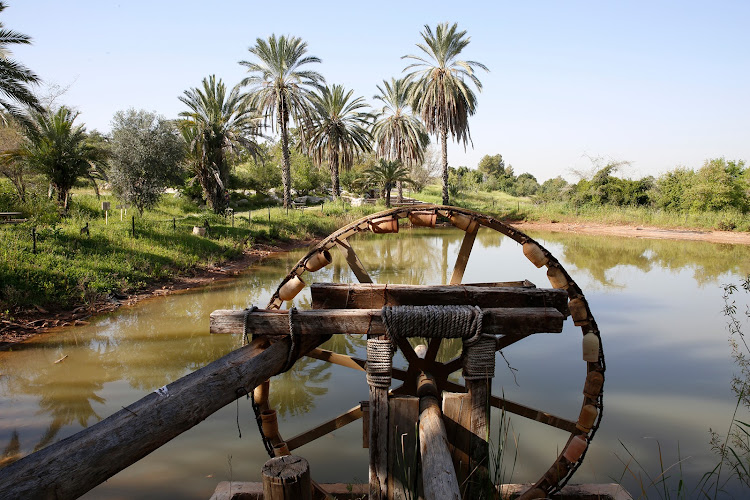
Neot Kedumim is a nature preserve on the outskirts of Modi’in-Maccabim-Re’ut where the landscape is meant to be read as much as it is walked. Rather than presenting nature as a backdrop alone, the reserve uses fields, terraces, groves and garden plots to explore plants, farming and daily life associated with the Hebrew Bible. Its character is reflective rather than thrill-seeking: a place to notice a fig tree beside a path, the structure of hillside cultivation and the way a planted landscape responds to low hills and changing seasons.
The experience sits between an outdoor walk, a cultural landscape and an educational visit. Olive, grape and fig plants provide recognizable anchors, while terraces and cultivated plots help give context to references that can otherwise feel distant on the page. It is especially rewarding for visitors who enjoy making connections between place and story, but it also works simply as a quieter change of pace from the built-up surroundings of Modi’in-Maccabim-Re’ut. Come prepared to slow down, observe details and let the reserve’s routes determine the rhythm of the visit.
Standout Highlights & Experience
Neot Kedumim is best approached as a living interpretation of a historical landscape, not as a conventional botanical garden or a fast sightseeing stop. The appeal lies in seeing familiar biblical plants in relation to one another and to the terrain: vineyard areas, olive groves, fruit trees and agricultural features make the reserve feel coherent rather than decorative. A self-paced walk can be satisfying, while a guided or themed activity, when available, can add useful cultural and seasonal context.
- Biblical plant associations: Look for olive, fig and grape plants that connect the landscape with longstanding food, farming and cultural traditions.
- Terraced terrain: Notice how terraces organize the slopes and reveal the practical logic of cultivating a hilly, dry-land setting.
- Landscape details: Pause at groves, field edges and planted plots rather than focusing only on reaching a particular destination.
- Seasonal variation: The color, shade and agricultural texture of the reserve can feel quite different across the year.
- Family discovery: The outdoor setting gives children room to walk, spot recognizable plants and engage with history beyond a museum display.
- Quiet cultural context: The reserve offers a thoughtful counterpoint to urban sightseeing, with its themes emerging gradually along the paths.
Practical Visitor Strategy
| Factor | What to Know |
|---|
| Best Time to Go | Cooler morning or later-afternoon conditions are generally more comfortable for outdoor walking. Seasonal growth and weather can significantly shape the atmosphere. |
| Suggested Duration | Allow time for an unhurried circuit, interpretive pauses and rest. Extend the visit if joining an organized activity or visiting with curious children. |
| Crowd & Entry Tips | Confirm current access arrangements, availability and any program requirements before setting out, particularly around holidays, school visits or group activities. |
| Getting Oriented | Begin by identifying a route that matches your available time and walking comfort. Use any on-site orientation material to understand the landscape’s themes. |
Bring drinking water, sun protection and footwear suited to an outdoor reserve rather than a city pavement stroll. The most fulfilling visits are rarely rushed: choose a manageable route, stop where the planting changes and leave time to compare the cultivated areas with the surrounding hills. If you are visiting for the biblical context, a little advance familiarity with the plants named in traditional texts can make the details more immediate, though it is not necessary to appreciate the setting.
Honest Fit: Who Will Love It (and Trade-Offs)
Neot Kedumim will particularly suit families, gardeners, readers of biblical history, educators and travelers looking for a low-key cultural outing in nature. It is also a good choice for people who value observation over a long list of headline attractions. Those seeking dramatic wilderness, strenuous hiking or a dense concentration of monuments may find its pleasures understated. The terrain includes paths through a hilly outdoor landscape, so route surfaces, shade and gradients may vary; visitors with mobility concerns should assess the current route options and support available before arrival. Pair the reserve with relaxed time in Modi’in-Maccabim-Re’ut, such as a meal or an easy stroll, to make a balanced half-day rather than trying to force it into an already crowded itinerary.
 Real Journey Travels