
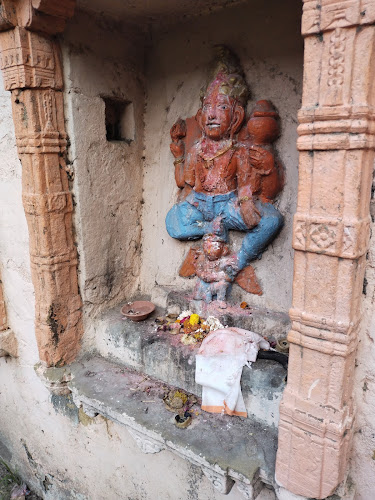
Pandav Owaro
About Pandav Owaro
Description
Pandav Owaro in Surat, Gujarat, is one of those historical places that sneak up on you. You wouldn’t expect such ancient tales smack dab in the middle of an energetic city like Surat, yet here it is—a remnant from an age when legends seemed like reality. The site stands as a living echo of the Pandavas and their travels, and honestly, if you’ve ever cracked open a book of Indian mythology or just sat with elders swapping stories at dusk, the name alone stirs curiosity.
Many visitors come in search of something old and real—a place with worn-out stairs, whispering corridors, and stone that holds centuries of secrets. While the passage of time has weathered some features, the spirit of Pandav Owaro remains intact. You may spot families with children taking in the cool shade, young people snapping photos, and those who are a bit more “serious” about their history—deciphering architecture or reading faded plaques. There’s a wonderfully Indian mix of reverence and everyday buzz, the scent of incense drifting in the air by the small temple, and sometimes a group of kids playing, blissfully unaware of the layers of story beneath their feet.
Pandav Owaro isn’t a sprawling ruin or a glitzy museum. It feels more like a secret passage in a city that's always pushing forward. Its scale is modest, but its heart is huge, linking you to the days when, so they say, the five Pandav brothers found shelter here during their exile. Ask around—the locals can spin the tale for you in twenty different ways, each more colorful than the last. For travelers, it’s a dose of authenticity and folklore, all in one stop.
Key Features
- Historic Shelter: Said to be a resting place for the five Pandav brothers during their exile, giving it significant mythological value.
- Intimate Pandav Owaro Temple: A modest Mahadev (Shiva) shrine stands at the core, still active and beloved by devotees. It isn’t just ancient stone; it’s lived-in and prayed-in.
- Cool Stone Chamber: Remarkably cooler than the outside chaos—especially handy in the Gujarat heat. Perfect respite for a quiet moment.
- Traditional Carvings: While time and city sprawl have left their marks, keep an eye out for fascinating, sometimes faint, carvings that speak to the artistic flair of past generations.
- Local Legends: Every visit brings a new story—some say secret tunnels led to the river, or that rituals here still echo those of yesteryear. If you’re the type who likes tales with your travels, you’ll love eavesdropping on local chatter.
- Children-Friendly: Surprising but true—kids find the cozy alcoves and steps endlessly amusing. (Hard not to when you’re imagining warriors hiding out.)
- Cultural Connection: Serves as a meeting spot during certain Hindu festivals—especially Mahashivratri, when the air buzzes with devotion and flowers seem to bloom just for the event.
- Surat Heritage Experience: Unlike mega-monuments, this site offers a direct handshake with the city’s old soul—making you feel, for a second, like you’re in both the past and present.
If you arrive expecting grand architecture, you might leave a touch unimpressed—but try to see past the stone. It’s about the little moments: the coolness as you step inside, that strand of incense twirling up, a local explaining (with much hand-waving) just how it all came to be, and how it all still matters today.
Best Time to Visit
If you ask me, the sweltering Gujarat summer is rough for site-seeing, unless you’re the heat-proof sort. That’s why I usually recommend late October through March—winter in Surat is seriously pleasant with midday sun and coolish mornings. It’s perfect for taking your time and soaking it all in.
Want the place to yourself? Weekdays in the morning are generally quieter, especially outside school vacation season. If you appreciate lively crowds, music, or want to catch local rituals, try visiting around Mahashivratri or other Hindu festivals. That’s when Pandav Owaro truly feels alive. You might need to squeeze through a crowd, but the festive air is worth it.
Rainy season (June-August) has its own magic. The stone walls get slippery and the city is awash in fresh smells—just watch your step. In monsoon, the entire mood changes, and if you’re lucky, you’ll see the site wrapped in gentle greenery, with the distant sound of the river.
How to Get There
Reaching Pandav Owaro Surat India is easy enough—maybe even easier than locating some newer tourist traps. It’s tucked within the heart of the city, near major streets and close to Fulapada, New GIDC, Old GIDC, and the sprawling lanes of Dharam Nagar.
If you’re flying in, Surat Airport isn’t too far. Taxis and rickshaws know the site by name—just “Pandav Owaro” is usually enough to get you headed the right way. Surat Railway Station is also just a short ride away; the trip takes, on a good traffic day, about 20-30 minutes tops. If you’re using public buses—like, say, the local Gujarat State RTC options—they run frequently, and there’s usually a stop within walking distance.
Driving? Parking is possible on nearby streets, but the area can get busy—especially on weekends or festival days. I’ve heard stories of drivers circling that block like it’s a racetrack at dusk, so public transport or a rickshaw may save you a headache.
Surat’s famed for its intricate street network, and I admit I once got happily lost wandering through alleyways nearby. GPS helps, but so do the locals—most will direct you, enthusiastically and with a lot of gestures, straight to Pandav Owaro’s old stone arch.
Tips for Visiting
- Respect the Sacred: This isn’t just a tourist stop—local residents pray here, especially at the Mahadev temple. Ditch the shoes before you enter the sanctum, and keep your volume down.
- Early Birds Win: If you like serene, almost mystical hours, visit right after sunrise. It’s blissfully quiet, cooler, and you might even catch the local priest performing the first puja of the day.
- Dress Modestly: Shorts and tank tops aren’t ideal. Go for longer sleeves and pants, both out of respect and for your own comfort (the stone can be chilly early in the day).
- Photography: You’re welcome to photograph, but ask before snapping pictures of people praying—and try using that “no flash” mode. Nothing ruins ambience like a surprise strobe, right?
- Keen for Stories? Strike up a conversation with the temple caretaker or a local granny. You’ll hear theories about hidden tunnels, Mahabharata connections, and sometimes a tall tale or two—these are the real treasures.
- Kids Welcome: Bring your children—just make sure they don’t climb where they shouldn’t. While it’s generally safe, some steps and ledges can be uneven.
- Pack Light: You don’t need much. Throw a water bottle in your bag, maybe a simple head covering, and a small offering (if you’re so inclined), like flowers or incense for the shrine.
- Time Travel – Not Airport Style: Don’t expect polished displays or neatly labeled museum placards. The real experience is in the slightly rough edges and the feeling of being in a place where history happened, not just displayed.
- Mind the Weather: Gujarat sun can be fierce. Carry sunscreen and a hat, especially if you’re visiting after 10 am. In monsoon, stones can get slippery—flip-flops might not cut it.
- Combine Your Trip: Since you’re already in the area, plan a stroll through the local GIDC neighborhoods or grab a bite at family-run sweet shops close by. Little things like that round out the Surat experience.
For me (and I’d bet most travelers), Pandav Owaro is less about ticking off a must-see attraction and more about quiet exploration—with just enough history, faith, and everyday life tangled together to make you pause and think. It’s where stories walk beside you, and a little bit of old magic lingers, just out of reach—but if you slow down, you just might catch it. And hey, when you leave, you’ll probably end up telling the story to someone else, just like the locals do.
Key Features
- Key Features
- Best Time to Visit
- How to Get There
- Tips for Visiting
More Details
Updated July 12, 2025
Table of Contents
Description
Pandav Owaro in Surat, Gujarat, is one of those historical places that sneak up on you. You wouldn’t expect such ancient tales smack dab in the middle of an energetic city like Surat, yet here it is—a remnant from an age when legends seemed like reality. The site stands as a living echo of the Pandavas and their travels, and honestly, if you’ve ever cracked open a book of Indian mythology or just sat with elders swapping stories at dusk, the name alone stirs curiosity.
Many visitors come in search of something old and real—a place with worn-out stairs, whispering corridors, and stone that holds centuries of secrets. While the passage of time has weathered some features, the spirit of Pandav Owaro remains intact. You may spot families with children taking in the cool shade, young people snapping photos, and those who are a bit more “serious” about their history—deciphering architecture or reading faded plaques. There’s a wonderfully Indian mix of reverence and everyday buzz, the scent of incense drifting in the air by the small temple, and sometimes a group of kids playing, blissfully unaware of the layers of story beneath their feet.
Pandav Owaro isn’t a sprawling ruin or a glitzy museum. It feels more like a secret passage in a city that’s always pushing forward. Its scale is modest, but its heart is huge, linking you to the days when, so they say, the five Pandav brothers found shelter here during their exile. Ask around—the locals can spin the tale for you in twenty different ways, each more colorful than the last. For travelers, it’s a dose of authenticity and folklore, all in one stop.
Key Features
- Historic Shelter: Said to be a resting place for the five Pandav brothers during their exile, giving it significant mythological value.
- Intimate Pandav Owaro Temple: A modest Mahadev (Shiva) shrine stands at the core, still active and beloved by devotees. It isn’t just ancient stone; it’s lived-in and prayed-in.
- Cool Stone Chamber: Remarkably cooler than the outside chaos—especially handy in the Gujarat heat. Perfect respite for a quiet moment.
- Traditional Carvings: While time and city sprawl have left their marks, keep an eye out for fascinating, sometimes faint, carvings that speak to the artistic flair of past generations.
- Local Legends: Every visit brings a new story—some say secret tunnels led to the river, or that rituals here still echo those of yesteryear. If you’re the type who likes tales with your travels, you’ll love eavesdropping on local chatter.
- Children-Friendly: Surprising but true—kids find the cozy alcoves and steps endlessly amusing. (Hard not to when you’re imagining warriors hiding out.)
- Cultural Connection: Serves as a meeting spot during certain Hindu festivals—especially Mahashivratri, when the air buzzes with devotion and flowers seem to bloom just for the event.
- Surat Heritage Experience: Unlike mega-monuments, this site offers a direct handshake with the city’s old soul—making you feel, for a second, like you’re in both the past and present.
If you arrive expecting grand architecture, you might leave a touch unimpressed—but try to see past the stone. It’s about the little moments: the coolness as you step inside, that strand of incense twirling up, a local explaining (with much hand-waving) just how it all came to be, and how it all still matters today.
Best Time to Visit
If you ask me, the sweltering Gujarat summer is rough for site-seeing, unless you’re the heat-proof sort. That’s why I usually recommend late October through March—winter in Surat is seriously pleasant with midday sun and coolish mornings. It’s perfect for taking your time and soaking it all in.
Want the place to yourself? Weekdays in the morning are generally quieter, especially outside school vacation season. If you appreciate lively crowds, music, or want to catch local rituals, try visiting around Mahashivratri or other Hindu festivals. That’s when Pandav Owaro truly feels alive. You might need to squeeze through a crowd, but the festive air is worth it.
Rainy season (June-August) has its own magic. The stone walls get slippery and the city is awash in fresh smells—just watch your step. In monsoon, the entire mood changes, and if you’re lucky, you’ll see the site wrapped in gentle greenery, with the distant sound of the river.
How to Get There
Reaching Pandav Owaro Surat India is easy enough—maybe even easier than locating some newer tourist traps. It’s tucked within the heart of the city, near major streets and close to Fulapada, New GIDC, Old GIDC, and the sprawling lanes of Dharam Nagar.
If you’re flying in, Surat Airport isn’t too far. Taxis and rickshaws know the site by name—just “Pandav Owaro” is usually enough to get you headed the right way. Surat Railway Station is also just a short ride away; the trip takes, on a good traffic day, about 20-30 minutes tops. If you’re using public buses—like, say, the local Gujarat State RTC options—they run frequently, and there’s usually a stop within walking distance.
Driving? Parking is possible on nearby streets, but the area can get busy—especially on weekends or festival days. I’ve heard stories of drivers circling that block like it’s a racetrack at dusk, so public transport or a rickshaw may save you a headache.
Surat’s famed for its intricate street network, and I admit I once got happily lost wandering through alleyways nearby. GPS helps, but so do the locals—most will direct you, enthusiastically and with a lot of gestures, straight to Pandav Owaro’s old stone arch.
Tips for Visiting
- Respect the Sacred: This isn’t just a tourist stop—local residents pray here, especially at the Mahadev temple. Ditch the shoes before you enter the sanctum, and keep your volume down.
- Early Birds Win: If you like serene, almost mystical hours, visit right after sunrise. It’s blissfully quiet, cooler, and you might even catch the local priest performing the first puja of the day.
- Dress Modestly: Shorts and tank tops aren’t ideal. Go for longer sleeves and pants, both out of respect and for your own comfort (the stone can be chilly early in the day).
- Photography: You’re welcome to photograph, but ask before snapping pictures of people praying—and try using that “no flash” mode. Nothing ruins ambience like a surprise strobe, right?
- Keen for Stories? Strike up a conversation with the temple caretaker or a local granny. You’ll hear theories about hidden tunnels, Mahabharata connections, and sometimes a tall tale or two—these are the real treasures.
- Kids Welcome: Bring your children—just make sure they don’t climb where they shouldn’t. While it’s generally safe, some steps and ledges can be uneven.
- Pack Light: You don’t need much. Throw a water bottle in your bag, maybe a simple head covering, and a small offering (if you’re so inclined), like flowers or incense for the shrine.
- Time Travel – Not Airport Style: Don’t expect polished displays or neatly labeled museum placards. The real experience is in the slightly rough edges and the feeling of being in a place where history happened, not just displayed.
- Mind the Weather: Gujarat sun can be fierce. Carry sunscreen and a hat, especially if you’re visiting after 10 am. In monsoon, stones can get slippery—flip-flops might not cut it.
- Combine Your Trip: Since you’re already in the area, plan a stroll through the local GIDC neighborhoods or grab a bite at family-run sweet shops close by. Little things like that round out the Surat experience.
For me (and I’d bet most travelers), Pandav Owaro is less about ticking off a must-see attraction and more about quiet exploration—with just enough history, faith, and everyday life tangled together to make you pause and think. It’s where stories walk beside you, and a little bit of old magic lingers, just out of reach—but if you slow down, you just might catch it. And hey, when you leave, you’ll probably end up telling the story to someone else, just like the locals do.
Key Highlights
- Key Features
- Best Time to Visit
- How to Get There
- Tips for Visiting
Location
Places to Stay Near Pandav Owaro
Find and Book a Tour
Explore More Travel Guides
No reviews found! Be the first to review!
Traveler Reviews for Pandav Owaro
There are no reviews yet. Be the first one to write one.
Have you visited Pandav Owaro? Help other travelers by sharing your review.
You Might Also Like
Driftt Go Kart

Science Centre Surat
Blues Adventures
Find Accommodations Nearby
Recommended Tours & Activities
Visitor Reviews
There are no reviews yet. Be the first one to write one.
Share Your Experience
Have you visited Pandav Owaro? Help other travelers by leaving a review.