
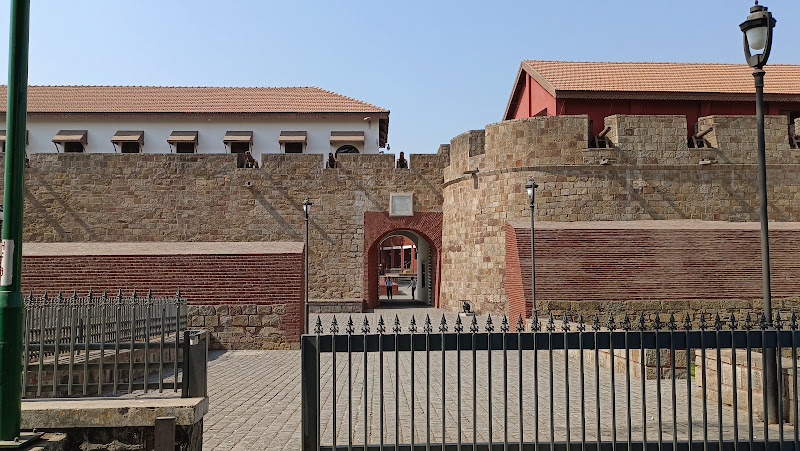
Surat Castle
About Surat Castle
Description
Tucked along the banks of the Tapi River in the historic heart of Surat, Surat Castle is—not to be dramatic—one of those surprisingly sturdy testaments to Indian city history, full of stories about trade, power, and resistance. Built back in the 16th century by Sultan Mahmood III, it’s endured cyclones, floods, and even modern urban chaos, all the while keeping an eye on the ever-changing cityscape of Gujarat. And if you wander over early in the morning, preferably before the busloads roll in, you can kind of imagine the clattering of horses or the worried whisper of sentries keeping watch over the riverbank. It’s got that sense of weight to it—thick walls that muffled cannon shots, ramparts that watched over merchant ships coming from far-off lands. Nowadays, Surat Castle attracts everyone from schoolkids on field trips and families with strollers, to hard-core history nerds who can’t resist a crumbling wall and a hint of mystery.
Over its long lifetime, the castle’s witnessed Surat transform from a major port city—once a central hub for the world’s diamond and textile trading routes—to the modern, bustling, fastest growing city India knows today. Some might say Surat Castle is overshadowed by the diamond hub’s shiny glass towers and textile markets, but locals know it’s a rare anchor to the city’s layered past. Unlike some of Gujarat’s tourist attractions that feel almost too polished, Surat Castle gives you the raw, real sense of what defense meant in times when pirates and rival kingdoms were an actual thing. But let’s be real: parts of the fort have grown a little weary. Restoration is ongoing, but there’s something kind of gorgeous and poignant about its rough stonework and the slightly uneven paths.
For travelers hungry for real stories—like Dutch invasions, epic floods, or cunning city states maneuvering their way in the shadow of Mughal empires—the castle delivers a satisfying blend of history and adventure. It’s accessible, both physically and in terms of approachability; I’ve seen locals jogging along the river right outside, and kids running gleefully through the main gate, which tells you the place feels safe and welcoming. The ramparts have stood against high tides and, perhaps more impressively, the changing tastes of Surat’s population as the city has morphed into a smart, modern Indian metropolis. Surat Castle, in a way, is a living textbook of the city’s journey from port to powerhouse, and its location near the urban pulse of Chowk Bazar keeps it relevant.
Now, some bits inside might be closed off here and there for conservation—don’t be disappointed!—but what’s open gives a fascinating glimpse into what once made Surat a jewel of western India. I remember my own first visit; the guide spun stories that wove the city’s textile industry, vast river trade, and defense engineering seamlessly together. Hearing that, while standing inside those ancient walls? You can’t help but feel part of something bigger than yourself.
Key Features
- Impressive 16th-Century Architecture: Crafted with thick stone walls and sturdy bastions, the fortress design is both functional and striking—a true example of Gujarat’s military engineering expertise.
- Strategic Location by the Tapi River: The castle’s original builders picked the western bank of the river for a reason—perfect for monitoring approaching ships, floods, and any possible invaders drifting in from the sea.
- Ramparts and Watchtowers: While walking up the battlements, you get wide, sweeping views of Surat city, making it easy to see why this location was so coveted for defense (and why today’s selfie spots are so popular).
- Onsite Services & Accessibility: Onsite facilities are available and there’s a wheelchair accessible entrance and parking lot. In my experience, it’s straightforward for most visitors, regardless of mobility needs.
- Kid-Friendly Environment: Many local families use the castle grounds like a city park. Kids can explore, and there’s enough open space to let off some energy—without parents worrying about cars zipping by.
- Ongoing Preservation: Conservation efforts are real and visible. Some interior sections remain under restoration, but that just adds to the sense of an evolving landmark, rather than a static museum piece.
- Strong Historical Significance: Once a seat of defense against Portuguese and Dutch attacks, the castle is central to stories of Surat as a global trading port and maritime city.
- Cultural Connections: Local legends, architectural quirks, and old city tales all seem to find their way into guides’ anecdotes. If you stop to listen, you might end up hearing a rumor or two that’s never made it into the official history books.
Best Time to Visit
Okay, so I have very strong feelings about the absolute wrong time to visit Surat Castle: any afternoon between March and June when the Gujarati sun is at full throttle. Trust me on this—I made that mistake once, and my entire focus was on my melting sneakers instead of the city state’s fascinating legacy. The best time for a visit? Early mornings or late afternoons between October and February, when the weather is pleasant, humidity is on the lower side, and walking the ramparts actually feels like a treat. During those winter and post-monsoon months, nearby gardens and the city’s riverfront projects are at their greenest. Plus, the light is perfect if you’re hoping to get photographs of the stonework with that golden tinge.
Monsoon, meanwhile, lends a special magic—lush grass, mist, and the river bustling with a new life. But watch your step on those stones! They can get slippery when the air gets heavy. If you’re visiting around major Surat events—a textile fair, say, or the city’s famous kite festival—you’ll catch the castle as a backdrop to the city’s lively traditions. Just be prepared for more crowds and parking puzzles.
Really, the castle’s central location means you can weave it into a day exploring other major Surat attractions: duck into Chowk Bazar for street food after, or swing by the Dutch Garden for a brisk walk. And if you’re traveling with children or elders, mornings are best before the midday sun (and crowds) ramp up.
How to Get There
Surat Castle sits right in the thick of Surat city—near the pulse of Chowk Bazar and panoramic riverbank views. If you’re arriving from afar, it’s easy: Surat has a modern international airport, just a 30-40 minute drive in city traffic. Taxis and ride-hailing cars are abundant; ask for the castle by name or head toward Dakka Ovara or Makkai Pull, any local driver will nod in recognition and know the best route.
For travelers coming by train (which, let’s admit, is half the fun of really getting into the spirit of Gujarat), Surat’s railway station connects with major cities across India. The fort is hardly 15-20 minutes from the station by cab or auto-rickshaw, depending on the state of city roads that day. If you’re the sort that loves public transport, local buses drop you within easy walking distance of the castle gates—and honestly, wandering those vibrant, noisy streets of Surat can be half the adventure.
Parking is available, although on festival days or weekends it might feel more like a contest of wills than a straightforward task. If you’re staying near the center of Surat, walking or cycling along the river to the castle makes for a memorable entrance—especially at sunrise. I tried that once at dawn, and the quiet city felt like it belonged to the castle alone.
Tips for Visiting
- Wear sensible shoes: The surfaces can be uneven or slippery, especially after the rains. I’ve seen more than one tourist nursing a stubbed toe after ignoring this advice!
- Bring water and a hat, especially if you’re going anytime past 10 AM—Surat’s sun is no joke, even in winter.
- Chat with a local guide or even a friendly security guard; you’ll hear much livelier tales than the signs share.
- Photography enthusiasts: Early morning and late afternoon light makes the castle glow. If you’re patient, you’ll catch lovely city views from the ramparts.
- Restoration zones: Some areas may be temporarily closed for conservation. Look at this as a bonus—your entry directly supports efforts to keep this piece of Gujarat history alive.
- Kids and families: The castle is genuinely a good spot for children to roam and imagine themselves as explorers. Just watch younger ones near the edge of the ramparts.
- Snack or lunch breaks: There aren’t many food options inside, but step outside and local treats and chai stalls are everywhere. Don’t miss out on Gujarati snacks in Chowk Bazar afterwards.
- Accessibility: The castle boasts wheelchair accessible entry and parking. Still, if mobility is a concern, check with the front desk about current access inside—some inner paths can be tricky.
- Linking your visit: Combine a trip here with a wander along the river or a detour to Surat’s textile and diamond centers if you’re curious about what still makes this city buzz.
- Be curious! Every old stone has a story—sometimes you have to ask a few questions (and risk a tangent or two) to get at the good stuff.
Surat Castle isn’t a sterile museum or a forgotten ruin clinging to life; it’s a working part of the living, breathing city of Surat. Let yourself slow down, soak in the river air and old tales, and remember: sometimes the most meaningful Indian historical landmarks aren’t the ones on shiny postcards, but those where you can still touch the walls and feel the pulse of the city state, centuries later.
Key Features
- Key Features
- Best Time to Visit
- How to Get There
- Tips for Visiting
More Details
Updated July 12, 2025
Table of Contents
Description
Tucked along the banks of the Tapi River in the historic heart of Surat, Surat Castle is—not to be dramatic—one of those surprisingly sturdy testaments to Indian city history, full of stories about trade, power, and resistance. Built back in the 16th century by Sultan Mahmood III, it’s endured cyclones, floods, and even modern urban chaos, all the while keeping an eye on the ever-changing cityscape of Gujarat. And if you wander over early in the morning, preferably before the busloads roll in, you can kind of imagine the clattering of horses or the worried whisper of sentries keeping watch over the riverbank. It’s got that sense of weight to it—thick walls that muffled cannon shots, ramparts that watched over merchant ships coming from far-off lands. Nowadays, Surat Castle attracts everyone from schoolkids on field trips and families with strollers, to hard-core history nerds who can’t resist a crumbling wall and a hint of mystery.
Over its long lifetime, the castle’s witnessed Surat transform from a major port city—once a central hub for the world’s diamond and textile trading routes—to the modern, bustling, fastest growing city India knows today. Some might say Surat Castle is overshadowed by the diamond hub’s shiny glass towers and textile markets, but locals know it’s a rare anchor to the city’s layered past. Unlike some of Gujarat’s tourist attractions that feel almost too polished, Surat Castle gives you the raw, real sense of what defense meant in times when pirates and rival kingdoms were an actual thing. But let’s be real: parts of the fort have grown a little weary. Restoration is ongoing, but there’s something kind of gorgeous and poignant about its rough stonework and the slightly uneven paths.
For travelers hungry for real stories—like Dutch invasions, epic floods, or cunning city states maneuvering their way in the shadow of Mughal empires—the castle delivers a satisfying blend of history and adventure. It’s accessible, both physically and in terms of approachability; I’ve seen locals jogging along the river right outside, and kids running gleefully through the main gate, which tells you the place feels safe and welcoming. The ramparts have stood against high tides and, perhaps more impressively, the changing tastes of Surat’s population as the city has morphed into a smart, modern Indian metropolis. Surat Castle, in a way, is a living textbook of the city’s journey from port to powerhouse, and its location near the urban pulse of Chowk Bazar keeps it relevant.
Now, some bits inside might be closed off here and there for conservation—don’t be disappointed!—but what’s open gives a fascinating glimpse into what once made Surat a jewel of western India. I remember my own first visit; the guide spun stories that wove the city’s textile industry, vast river trade, and defense engineering seamlessly together. Hearing that, while standing inside those ancient walls? You can’t help but feel part of something bigger than yourself.
Key Features
- Impressive 16th-Century Architecture: Crafted with thick stone walls and sturdy bastions, the fortress design is both functional and striking—a true example of Gujarat’s military engineering expertise.
- Strategic Location by the Tapi River: The castle’s original builders picked the western bank of the river for a reason—perfect for monitoring approaching ships, floods, and any possible invaders drifting in from the sea.
- Ramparts and Watchtowers: While walking up the battlements, you get wide, sweeping views of Surat city, making it easy to see why this location was so coveted for defense (and why today’s selfie spots are so popular).
- Onsite Services & Accessibility: Onsite facilities are available and there’s a wheelchair accessible entrance and parking lot. In my experience, it’s straightforward for most visitors, regardless of mobility needs.
- Kid-Friendly Environment: Many local families use the castle grounds like a city park. Kids can explore, and there’s enough open space to let off some energy—without parents worrying about cars zipping by.
- Ongoing Preservation: Conservation efforts are real and visible. Some interior sections remain under restoration, but that just adds to the sense of an evolving landmark, rather than a static museum piece.
- Strong Historical Significance: Once a seat of defense against Portuguese and Dutch attacks, the castle is central to stories of Surat as a global trading port and maritime city.
- Cultural Connections: Local legends, architectural quirks, and old city tales all seem to find their way into guides’ anecdotes. If you stop to listen, you might end up hearing a rumor or two that’s never made it into the official history books.
Best Time to Visit
Okay, so I have very strong feelings about the absolute wrong time to visit Surat Castle: any afternoon between March and June when the Gujarati sun is at full throttle. Trust me on this—I made that mistake once, and my entire focus was on my melting sneakers instead of the city state’s fascinating legacy. The best time for a visit? Early mornings or late afternoons between October and February, when the weather is pleasant, humidity is on the lower side, and walking the ramparts actually feels like a treat. During those winter and post-monsoon months, nearby gardens and the city’s riverfront projects are at their greenest. Plus, the light is perfect if you’re hoping to get photographs of the stonework with that golden tinge.
Monsoon, meanwhile, lends a special magic—lush grass, mist, and the river bustling with a new life. But watch your step on those stones! They can get slippery when the air gets heavy. If you’re visiting around major Surat events—a textile fair, say, or the city’s famous kite festival—you’ll catch the castle as a backdrop to the city’s lively traditions. Just be prepared for more crowds and parking puzzles.
Really, the castle’s central location means you can weave it into a day exploring other major Surat attractions: duck into Chowk Bazar for street food after, or swing by the Dutch Garden for a brisk walk. And if you’re traveling with children or elders, mornings are best before the midday sun (and crowds) ramp up.
How to Get There
Surat Castle sits right in the thick of Surat city—near the pulse of Chowk Bazar and panoramic riverbank views. If you’re arriving from afar, it’s easy: Surat has a modern international airport, just a 30-40 minute drive in city traffic. Taxis and ride-hailing cars are abundant; ask for the castle by name or head toward Dakka Ovara or Makkai Pull, any local driver will nod in recognition and know the best route.
For travelers coming by train (which, let’s admit, is half the fun of really getting into the spirit of Gujarat), Surat’s railway station connects with major cities across India. The fort is hardly 15-20 minutes from the station by cab or auto-rickshaw, depending on the state of city roads that day. If you’re the sort that loves public transport, local buses drop you within easy walking distance of the castle gates—and honestly, wandering those vibrant, noisy streets of Surat can be half the adventure.
Parking is available, although on festival days or weekends it might feel more like a contest of wills than a straightforward task. If you’re staying near the center of Surat, walking or cycling along the river to the castle makes for a memorable entrance—especially at sunrise. I tried that once at dawn, and the quiet city felt like it belonged to the castle alone.
Tips for Visiting
- Wear sensible shoes: The surfaces can be uneven or slippery, especially after the rains. I’ve seen more than one tourist nursing a stubbed toe after ignoring this advice!
- Bring water and a hat, especially if you’re going anytime past 10 AM—Surat’s sun is no joke, even in winter.
- Chat with a local guide or even a friendly security guard; you’ll hear much livelier tales than the signs share.
- Photography enthusiasts: Early morning and late afternoon light makes the castle glow. If you’re patient, you’ll catch lovely city views from the ramparts.
- Restoration zones: Some areas may be temporarily closed for conservation. Look at this as a bonus—your entry directly supports efforts to keep this piece of Gujarat history alive.
- Kids and families: The castle is genuinely a good spot for children to roam and imagine themselves as explorers. Just watch younger ones near the edge of the ramparts.
- Snack or lunch breaks: There aren’t many food options inside, but step outside and local treats and chai stalls are everywhere. Don’t miss out on Gujarati snacks in Chowk Bazar afterwards.
- Accessibility: The castle boasts wheelchair accessible entry and parking. Still, if mobility is a concern, check with the front desk about current access inside—some inner paths can be tricky.
- Linking your visit: Combine a trip here with a wander along the river or a detour to Surat’s textile and diamond centers if you’re curious about what still makes this city buzz.
- Be curious! Every old stone has a story—sometimes you have to ask a few questions (and risk a tangent or two) to get at the good stuff.
Surat Castle isn’t a sterile museum or a forgotten ruin clinging to life; it’s a working part of the living, breathing city of Surat. Let yourself slow down, soak in the river air and old tales, and remember: sometimes the most meaningful Indian historical landmarks aren’t the ones on shiny postcards, but those where you can still touch the walls and feel the pulse of the city state, centuries later.
Key Highlights
- Key Features
- Best Time to Visit
- How to Get There
- Tips for Visiting
Location
Places to Stay Near Surat Castle
Find and Book a Tour
Explore More Travel Guides
No reviews found! Be the first to review!
Traveler Reviews for Surat Castle
There are no reviews yet. Be the first one to write one.
Have you visited Surat Castle? Help other travelers by sharing your review.
You Might Also Like
Aquamagicaa
GAVIER LAKE

Jagdishchandra Bose Muncipal Aquarium
Find Accommodations Nearby
Recommended Tours & Activities
Visitor Reviews
There are no reviews yet. Be the first one to write one.
Share Your Experience
Have you visited Surat Castle? Help other travelers by leaving a review.