

Municipal Center of Environmental Interpretation
About Municipal Center of Environmental Interpretation
Description
Picture yourself wandering through one of the most fascinating gateways to nature and culture in Aveiro, Portugal. The Municipal Center of Environmental Interpretation is that rare spot where local heritage, biodiversity, and eco-learning come together so seamlessly, you almost forget to check your phone. Here, in the sweeping open-air grounds bordered by water and salt flats, visitors—young or seasoned—get face to face with the living, breathing beauty of the Ria de Aveiro’s natural world. Now, if you’re anything like me, you dig those under-the-radar places with a genuine local vibe versus just ticking off another museum. Well, that’s exactly the type of experience the center delivers.
What really caught my attention is how the center doesn’t overload you with info-dumps; instead, it gently nudges you into discovering the vital role Aveiro’s unique lagoon plays for both wildlife and the community. Have you ever watched a flock of birds seamlessly glide over a tidal lagoon, or peered at the tiny engineering marvels that are traditional salt pans? Yeah, that’s what you get here—with interpretive trails, outdoor exhibits, and tactile displays that even kids (and, let’s be honest, curious adults) can’t resist. Free admission removes that annoying financial barrier, so you can pop in for an hour or linger all afternoon.
The center isn’t just about looking at pretty landscapes, though there’s plenty of that. It actively offers a narrative—one where Aveiro’s past, from ancient salt work to the quirky customs of local communities, is woven with respect for today’s ecological challenges. This place wears its environmental heart on its sleeve, and invites you to do the same. For group visits or school outings, they’ve got folks on staff who know how to tailor tours for different ages and interests. I wish every city had a hub like this—one that’s both informative and honest. Sure, some displays are a bit more on the practical side than flashy, but honestly, that’s what adds to the authenticity.
Wheelchair access, good restroom facilities, and a family-friendly layout mean just about anyone can enjoy the experience. No fancy restaurant on-site, but that sort of encourages you to bring a picnic, settle outside, and watch the birds anyway.
Key Features
- Discovery Trails & Birdwatching: Access to outdoor interpretive walks that wind through the lagoon shores, salt marshes, and traditional salt production areas. Amazing for spotting native bird species—pack your binoculars!
- Hands-On Learning: Interactive exhibits focused on Aveiro’s local fauna, flora, salt heritage, and historic use of the lagoon. The tactile, no-glass, try-it-yourself vibe keeps kids engaged, but honestly, I learned a thing or two myself.
- Local Guides & Free Group Tours: Staffers tailor guided visits to groups (just book ahead). Whether you’re a casual wanderer or a school crew, they’ll break down the big environmental themes without making you feel like you’re in a lecture hall again.
- Family & Accessibility Friendly: Everything from parking to toilets is set up with accessibility in mind. No steps of doom or awkward curb drops here—thumbs up.
- Open-Air Museum Area: The outdoor setting brings you right up close to the landscapes and life of the region. The sights, sounds, and even the salt-tinged air give authenticity you just don’t get from glassy city museums.
- No-Cost, No-Stress: Zero entrance fee. Stay for a short pop-in or a couple of hours without worrying about strict time slots or steep tickets.
- Gateway to the Ria de Aveiro: Acts as the starting point for those wanting to explore the wider estuary, salt pans, and canals, connecting visitors with the broader eco-system and traditional industries.
- Up-Close Wildlife Encounters: This center is said to be one of the top spots for birdwatching in the Aveiro region—imagine flamingos mingling with egrets if you hit the right season.
- Cultural & Environmental Education: Great for getting context before exploring other attractions around the city, like those famous canals or the salt-mountain trails (and, yes, you’ll have stories to tell at dinner).
- Rest & Watch Zones: Benches and shaded spots punctuate the property. Take your time, sip some water, and simply absorb the slow pulse of natural Aveiro.
Best Time to Visit
If you want my not-so-secret tip—come during spring or autumn. That’s when migratory birds flock to the Aveiro lagoon, so the birdwatching window is wide open and the weather’s not trying to cook or freeze you. April through June produces that unmistakable lush green, while September into October brings softer light and a hush over the marshes. You dodged the big crowds but still catch plenty of action.
Summer gets popular, sure, and for good reason—long sunshine hours, plenty of events around the city, and that holiday buzz. The salt pans glisten, the air picks up a briny tang, and you’ll see locals as well as visitors ambling through the interpretation center’s outdoor displays. But if you’re not a fan of peak heat or wish to avoid tourist bottlenecks along Aveiro’s canals, plan for a mid-week visit or look for those early morning hours before the day-trip buses arrive.
Winter isn’t off the table either, especially if you’re an avid photographer or just want a slower pace. Birdlife sticks around, just not as exuberant or noisy, and the cool sea breeze gives the place a different meditative charm. Plus, you may well have the space almost to yourself.
How to Get There
The center sits in an area called Lugar dos Moinhos, nudging close to Aveiro’s main lagoon system. Here’s the easiest way to do it: if you’re already in Aveiro city center, grab a local taxi or bolt onto a public bus—the journey takes about 10 minutes if traffic plays nice. For those coming in by train, hop off at Aveiro train station and either walk (it’s a longer ramble but doable) or catch a connecting bus heading toward the lagoon. Biking? Absolutely—Aveiro is friendly for pedals, especially along the canal-path routes. Bring your own set of wheels or check for local rentals; I swear the ride is half the adventure.
If, like me, you sometimes get in a car for a super-flexible day, you’ll find a parking lot with wheelchair access. Just follow signs for public eco-attractions or ask a local—most people know the center well, since it’s become an anchor for eco-education and tourism in the Aveiro region. GPS works but having a physical map or asking directions can be a life-saver, especially when your signal throws a tantrum near the water or among those tall salt mounds.
Tips for Visiting
- Bring Binoculars or a Camera: Bird species are everywhere, but some are shy. Personally, the best snapshots I’ve snagged came from just sitting quietly and waiting—plus, you’ll want proof for your social feed.
- Dress for the Outdoors: This isn’t a formal indoor museum. Good walking shoes, a sun hat, and breathable clothes are your friends. Rain in winter? Don’t be afraid of a little mud—it kinda adds to the wild vibe.
- Pack Snacks & Water: There’s no on-site restaurant, so bring whatever keeps you fueled, especially if you’re bringing kids or planning to wander the open-air walkways. A picnic overlooking the salt flats is genuinely one of Aveiro’s underrated pleasures.
- Book Tours in Advance: Group tours (which are still free, remember) get requested a lot, especially spring and autumn when schools and lots of birdwatchers come through. Call ahead or email to avoid disappointment.
- Respect the Wildlife: This is active habitat, after all. Keep a safe distance from birds and any resident critters, and stick to marked paths to help preserve the delicate salt-marsh ecosystem.
- Slow Down & Explore Beyond the Center: Think of the Municipal Center as your launching pad for broader adventures in Aveiro. Check out nearby salt works, take a boat ride along the canals, or stroll the city center to expand your cultural experience.
- Accessibility Is Top-Notch: If you or your travel buddy use a wheelchair, rest assured—paths, restrooms, and parking are all adapted, so you aren’t left watching from the sidelines.
- Check Opening Hours: Always a smart move. Hours can change with the seasons or for special community events. Nothing worse than arriving only to find locked gates—happened to me once, and, hey, lesson learned.
- Bring Curiosity: Honestly, you don’t need to be a hardcore naturalist to enjoy the center. If you love local stories, a good walk, or simply discovering Aveiro’s quieter side, you’ll walk away with new stories to share (and maybe some extra appreciation for salt in your life).
More than just another point on the tourism map, the Municipal Center of Environmental Interpretation in Aveiro, Portugal, is a living, breathing introduction to the city’s wild heart and communal heritage. Whether you’re charting your first visit to Portugal or you already call Aveiro home, this center delivers the kind of authentic, memorable experience that—trust me—sticks with you long after you leave.
Key Features
- Interactive exhibits about the Ria de Aveiro’s ecology and cultural heritage
- Garden with biodiversity stations and interpretive signage
- Riverside observation points for birdwatching and lagoon views
- Access to adjacent riverside parks and the Cais da Ribeira de Esgueira
- Programs and educational activities focused on conservation and local traditions
Nearby Attractions
Ribeirinho do Carregal Park
Cais da Ribeira de Esgueira
Ribeirinho de Requeixo Park
You Might Also Like
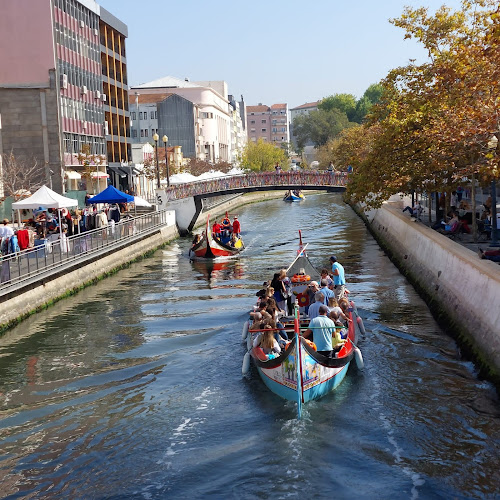
Aveiro

Aveiro City Museum

Aveiro Museum
Tours & Activities
GetYourGuide provides this tour inventory. We may earn a commission if you book through it; verify current availability, prices, and terms with the provider.
Visitor Reviews
There are no reviews yet. Be the first one to write one.
Share Your Experience
Have you visited Municipal Center of Environmental Interpretation? Help other travelers by leaving a review.