Description
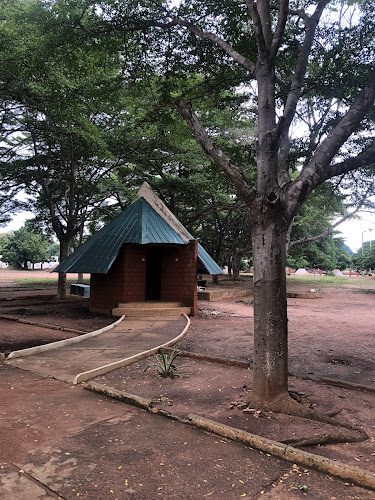
The real showstoppers here are the royal palaces—twelve sprawling compounds where kings schemed, peace treaties were signed (or ignored), and legends were born. Now, most are just atmospheric ruins, knocked around by time and the elements, but you can still get goosebumps winding between the cracked earth walls and heavy wooden doors. Two palaces, belonging to Kings Ghézo and Glélé, have survived well enough to become the main attractions. They house the Historical Museum of Abomey, which, I’ll be honest, is more bone-chilling and thought-provoking than your average museum.
Get ready for royal thrones mounted on human skulls (seriously), detailed bas-reliefs told in clay that feel like they’re alive, and a collection of artifacts that sort of defy description. This is a place where folklore and hard history collide; I remember the first time I saw those skulls under the throne—I actually had to double-check that they were real. And, yep, they are.
But Abomey isn’t all about the past. At the artisan center nearby, you’ll find craftspeople who still spin, cut, and stitch appliqué textiles just like their ancestors. Those fabrics aren’t just souvenirs—they’re stories, told in color. If you’re lucky, you might even catch a demonstration or get to chat with the artists, who seem endlessly patient (even if your French is rusty or, like me, basically nonexistent).
Key Features
- The Historical Museum of Abomey: Housed in the surviving Ghézo and Glélé palaces, featuring royal relics, warrior gear, and mind-bending bas-reliefs depicting battles, rituals, and mythology.
- Palace Ruins: Wander among centuries-old earth walls and courtyards, with a sense that the past is lurking right over your shoulder. There’s a subtle eeriness here you just can’t fake.
- Royal Throne of Skulls: An unforgettable (slightly unsettling) display—King Ghézo’s throne sits atop a base made from human skulls, which gives visitors true insight into Dahomey’s complex rituals and beliefs on power.
- Artisan Center: A hive of creativity—local artists craft traditional appliqué textiles and other handicrafts, perfect for anyone looking to snag something authentically Beninese with a story attached.
- Cultural Insights and Rituals: Opportunities to catch local ceremonies or festivals, especially if you plan your timing right.
- Unesco World Heritage Site: The Royal Palaces of Abomey are officially recognized for their global significance; it’s a bit of living history woven into the city’s fabric.
- Bas-reliefs: The bold, dramatic storytelling scenes sculpted right into palace walls. I honestly could (and did!) stand staring at these for ages—every relief packs in so much symbolism and action.
Best Time to Visit
Alright, here’s the scoop. Abomey isn’t a bustling metropolis, but it heats up—literally—at certain times of the year. If you’re like me and tend to wilt in sticky, humid heat, aim for November to February. That’s when the harmattan winds sweep down, cooling things off and keeping the sky clear (but dusty—don’t say I didn’t warn you). Temps hover between 25°C and 32°C, so it’s warm but manageable for most travelers.
Avoid August and early September, when the rainy season is in full swing. The roads can get muddy, so unless you’re a mud enthusiast with indestructible hiking boots, I’d steer clear. Oh, and if you dream of seeing traditional ceremonies, ask around—many festivals pop up in December and January. I once wandered into a local Vodun festival by accident. Let’s just say locals are welcoming, but don’t forget: always ask before taking photos.
How to Get There
Reaching Abomey isn’t rocket science, but it does call for a sense of humor and a taste for adventure. The closest big city—and usually a traveler’s launching pad—is Cotonou, Benin’s economic capital. From Cotonou, you’ve got a few options:
- By Car or Taxi: Probably the most flexible way. It’s about a 2.5 to 3-hour drive (roughly 140 kilometers). If you’re not a fan of public transport—or, like me, get easily carsick on bumpy roads—paying for a private taxi or arranging with a local agency is your best bet. Don’t be afraid to barter on the price.
- By Bus: More budget-friendly, but slower. Several buses head this way daily. They’re safe, but come prepared for close quarters and random roadside stops. I remember sharing popcorn with a whole row during one trip and getting invited to a wedding. Only in Benin!
- By Motorcycle Taxi (Zemidjan): For short hops or getting around town, nothing beats a “zem”. Local, inexpensive, everywhere. Just keep your bag close and hold on tight—they’re not for the faint of heart.
The town itself is quite walkable, though the heat can sap your energy. Bring sturdy sandals or sneakers—don’t learn the hard way, like I did, that flip-flops are not up to the job.
Tips for Visiting
- Learn a few greetings in Fon or French. Locals—especially elders—warm up fast when you attempt the basics. Even a clumsy “Bonjour!” goes a long way.
- Dress modestly, but cool. It gets hot, but respect local culture: knee-length shorts, loose pants, and covered shoulders are perfect. Also, pack a hat—shade isn’t always easy to find.
- Hire a local guide. Palaces are loaded with symbolism that’s easy to miss. The guides, often descendants of royal families, tell stories that stick with you long after your visit.
- Photography is restricted in some areas. Ask before you click—especially inside the palaces or during ceremonies. It’s not just the law, it’s good manners.
- Stay hydrated, and pack bug spray. Sun and mosquitoes team up for a rough one-two punch. Trust me, you do not want to forget this.
- Budget for souvenirs. The appliqué textiles here are craftsmanship at its best. Prices are fair, but haggle with a smile. The artisan center is truly a proper spot for unique finds—no assembly-line trinkets here.
- Pace yourself. Between heat, new sights, and information overload, Abomey can knock you sideways (in a good way). Take breaks, nurse a cold soda, or just people-watch in the main square for a while.
- Respect the relics. The throne of skulls isn’t a photo op for everyone. Absorb the history, ask questions, but be mindful of what these objects represent to locals.
- Consider spending the night. Day trips are doable, but evening in Abomey has its own charm. You’ll find small hotels and guesthouses—nothing fancy, but plenty comfortable for the curious explorer.
And if I can leave you with one last piece of advice: Don’t just blitz through the palaces. Let yourself get swept into a quiet corner, run your hand along a sun-warmed wall, and picture the centuries of lives that have crossed that very spot. Abomey has a way of sticking with you—sometimes in big, spine-tingling ways and sometimes just as a little nudge to keep looking for the deeper meaning while you travel.
 Real Journey Travels