

Japfü Peak
About Japfü Peak
Description
Japfü Peak stands tall as the second-highest mountain in Nagaland, offering an invigorating hiking experience that’s both challenging and rewarding. If you’re the kind of traveler who craves a bit of adventure mixed with breathtaking natural beauty, this spot will tick a lot of boxes. The trail to the summit weaves through dense forests and patches of rich flora, which means you’re not just walking uphill—you’re stepping into a living, breathing ecosystem that feels untouched by time. The air up there? Crisp and fresh, with a hint of pine and earth, perfect for clearing the mind and escaping the usual city grind.
Now, don’t expect a wheelchair-accessible path or parking here—this is rugged terrain, and the trek demands a decent level of fitness and enthusiasm. But that’s part of the charm, right? It’s not a stroll in the park; it’s an adventure that rewards you with panoramic views that are absolutely worth every drop of sweat. The trail difficulty ranges from moderate to tough in some spots, so lace up your boots and bring your grit.
What really sets Japfü Peak apart is the sense of solitude you can find, especially if you hit the trail early in the morning or during the less busy seasons. Unlike some overcrowded tourist spots, here you get to feel like you’re discovering a secret slice of nature. And honestly, the feeling of standing on the summit, looking out over Nagaland’s rolling hills and valleys, is something that sticks with you long after you’ve descended.
Key Features
- Second-highest peak in Nagaland, offering stunning summit views
- Challenging hiking trail suitable for moderately experienced trekkers
- Trail starts from Kigwema village, about 16 km from Kohima town
- Dense forest cover with rich biodiversity along the route
- Fresh mountain air and panoramic vistas perfect for nature lovers
- Relatively less crowded, providing a peaceful trekking experience
- Ideal for those seeking a physical challenge combined with natural beauty
Best Time to Visit
Picking the right time to visit Japfü Peak can make or break your experience. From my own travels and chatting with locals, the best window usually falls between October and March. During these months, the weather is cool and dry, which means the trails are less slippery and the views are crystal clear. Imagine trekking in the fresh, cool air with hardly a cloud in sight—pure bliss.
Summer months can get a bit warm and humid, and the monsoon season (June to September) often turns the trails muddy and risky. Plus, the heavy rains can obscure those jaw-dropping vistas you came for. So unless you’re a hardcore adventure junkie who loves a good mudslide, it’s best to steer clear during the monsoon.
Oh, and if you’re a sunrise person, try to time your hike so you can catch the early morning light from the peak. It’s a little slice of magic that’s well worth the early wake-up call.
How to Get There
Getting to Japfü Peak is an adventure in itself, but don’t worry—it’s not as daunting as it sounds. The trek usually kicks off from Kigwema village, which is roughly 16 kilometers from Kohima, the capital of Nagaland. Kohima is fairly well connected by road and is your best jumping-off point.
If you’re flying in, the closest airport is Dimapur Airport, about 75 km away from Kohima. From there, you can hire a taxi or take a local bus to Kohima. Once in Kohima, local taxis or shared cabs can get you to Kigwema. The roads winding up to Kigwema offer their own scenic treats, so keep your camera handy.
From Kigwema, the trek begins. The trail is well-marked but do consider hiring a local guide if you’re unfamiliar with the terrain. These guides not only help you navigate but also share fascinating stories about the region’s culture and nature, adding an extra layer to your journey.
Tips for Visiting
Alright, here’s the real talk—Japfü Peak isn’t your average walk in the park, so a little prep goes a long way. First off, pack light but smart. Sturdy hiking boots are a must; trust me, I learned the hard way that sneakers just don’t cut it on these trails. Also, layers are your friend because the temperature can drop quickly as you gain altitude.
Don’t forget water and some high-energy snacks. The climb can be tiring, and there aren’t many spots to grab food or drinks once you hit the trail. And please, bring a small trash bag to carry your rubbish back—keeping this beautiful place clean is on all of us.
If you’re someone who loves photography, charge those batteries and bring extra memory cards. The views from the peak and along the way are worth capturing. But remember to also look up from the lens and soak it all in—sometimes the best memories are the ones you keep in your head.
Lastly, respect the local culture and environment. The folks around Kigwema and the surrounding villages are warm and welcoming, and a little kindness goes a long way. If you can, support local businesses by buying handmade crafts or snacks before you head out—it’s a nice way to give back and take a piece of the experience home.
So, if you’re looking for a hike that challenges your legs, refreshes your soul, and rewards you with some of the most spectacular views in Northeast India, Japfü Peak should definitely be on your radar. Just remember to go prepared, take your time, and enjoy the journey as much as the destination.
Key Features
- Second-highest peak in Nagaland, offering stunning summit views
- Challenging hiking trail suitable for moderately experienced trekkers
- Trail starts from Kigwema village, about 16 km from Kohima town
- Dense forest cover with rich biodiversity along the route
- Fresh mountain air and panoramic vistas perfect for nature lovers
- Relatively less crowded, providing a peaceful trekking experience
- Ideal for those seeking a physical challenge combined with natural beauty
More Details
Updated July 17, 2025
Table of Contents
Description
Japfü Peak stands tall as the second-highest mountain in Nagaland, offering an invigorating hiking experience that’s both challenging and rewarding. If you’re the kind of traveler who craves a bit of adventure mixed with breathtaking natural beauty, this spot will tick a lot of boxes. The trail to the summit weaves through dense forests and patches of rich flora, which means you’re not just walking uphill—you’re stepping into a living, breathing ecosystem that feels untouched by time. The air up there? Crisp and fresh, with a hint of pine and earth, perfect for clearing the mind and escaping the usual city grind.
Now, don’t expect a wheelchair-accessible path or parking here—this is rugged terrain, and the trek demands a decent level of fitness and enthusiasm. But that’s part of the charm, right? It’s not a stroll in the park; it’s an adventure that rewards you with panoramic views that are absolutely worth every drop of sweat. The trail difficulty ranges from moderate to tough in some spots, so lace up your boots and bring your grit.
What really sets Japfü Peak apart is the sense of solitude you can find, especially if you hit the trail early in the morning or during the less busy seasons. Unlike some overcrowded tourist spots, here you get to feel like you’re discovering a secret slice of nature. And honestly, the feeling of standing on the summit, looking out over Nagaland’s rolling hills and valleys, is something that sticks with you long after you’ve descended.
Key Features
- Second-highest peak in Nagaland, offering stunning summit views
- Challenging hiking trail suitable for moderately experienced trekkers
- Trail starts from Kigwema village, about 16 km from Kohima town
- Dense forest cover with rich biodiversity along the route
- Fresh mountain air and panoramic vistas perfect for nature lovers
- Relatively less crowded, providing a peaceful trekking experience
- Ideal for those seeking a physical challenge combined with natural beauty
Best Time to Visit
Picking the right time to visit Japfü Peak can make or break your experience. From my own travels and chatting with locals, the best window usually falls between October and March. During these months, the weather is cool and dry, which means the trails are less slippery and the views are crystal clear. Imagine trekking in the fresh, cool air with hardly a cloud in sight—pure bliss.
Summer months can get a bit warm and humid, and the monsoon season (June to September) often turns the trails muddy and risky. Plus, the heavy rains can obscure those jaw-dropping vistas you came for. So unless you’re a hardcore adventure junkie who loves a good mudslide, it’s best to steer clear during the monsoon.
Oh, and if you’re a sunrise person, try to time your hike so you can catch the early morning light from the peak. It’s a little slice of magic that’s well worth the early wake-up call.
How to Get There
Getting to Japfü Peak is an adventure in itself, but don’t worry—it’s not as daunting as it sounds. The trek usually kicks off from Kigwema village, which is roughly 16 kilometers from Kohima, the capital of Nagaland. Kohima is fairly well connected by road and is your best jumping-off point.
If you’re flying in, the closest airport is Dimapur Airport, about 75 km away from Kohima. From there, you can hire a taxi or take a local bus to Kohima. Once in Kohima, local taxis or shared cabs can get you to Kigwema. The roads winding up to Kigwema offer their own scenic treats, so keep your camera handy.
From Kigwema, the trek begins. The trail is well-marked but do consider hiring a local guide if you’re unfamiliar with the terrain. These guides not only help you navigate but also share fascinating stories about the region’s culture and nature, adding an extra layer to your journey.
Tips for Visiting
Alright, here’s the real talk—Japfü Peak isn’t your average walk in the park, so a little prep goes a long way. First off, pack light but smart. Sturdy hiking boots are a must; trust me, I learned the hard way that sneakers just don’t cut it on these trails. Also, layers are your friend because the temperature can drop quickly as you gain altitude.
Don’t forget water and some high-energy snacks. The climb can be tiring, and there aren’t many spots to grab food or drinks once you hit the trail. And please, bring a small trash bag to carry your rubbish back—keeping this beautiful place clean is on all of us.
If you’re someone who loves photography, charge those batteries and bring extra memory cards. The views from the peak and along the way are worth capturing. But remember to also look up from the lens and soak it all in—sometimes the best memories are the ones you keep in your head.
Lastly, respect the local culture and environment. The folks around Kigwema and the surrounding villages are warm and welcoming, and a little kindness goes a long way. If you can, support local businesses by buying handmade crafts or snacks before you head out—it’s a nice way to give back and take a piece of the experience home.
So, if you’re looking for a hike that challenges your legs, refreshes your soul, and rewards you with some of the most spectacular views in Northeast India, Japfü Peak should definitely be on your radar. Just remember to go prepared, take your time, and enjoy the journey as much as the destination.
Key Highlights
- Second-highest peak in Nagaland, offering stunning summit views
- Challenging hiking trail suitable for moderately experienced trekkers
- Trail starts from Kigwema village, about 16 km from Kohima town
- Dense forest cover with rich biodiversity along the route
- Fresh mountain air and panoramic vistas perfect for nature lovers
- Relatively less crowded, providing a peaceful trekking experience
- Ideal for those seeking a physical challenge combined with natural beauty
Location
Places to Stay Near Japfü Peak
Find and Book a Tour
Explore More Travel Guides
No reviews found! Be the first to review!
Traveler Reviews for Japfü Peak
There are no reviews yet. Be the first one to write one.
Have you visited Japfü Peak? Help other travelers by sharing your review.
You Might Also Like
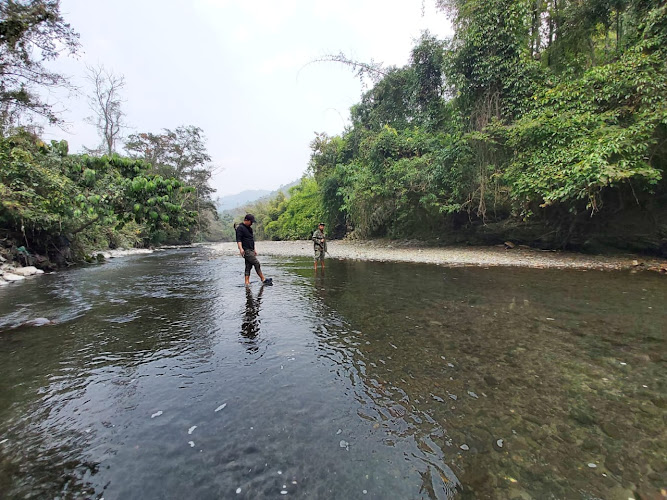
Pfüchatsumia Dzü River
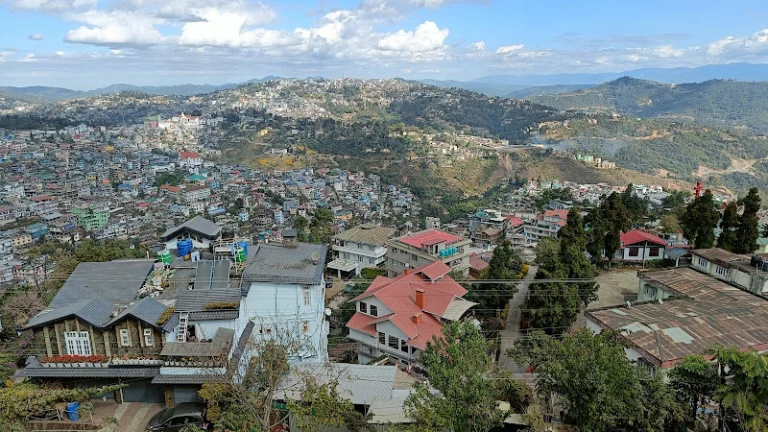
Kohima
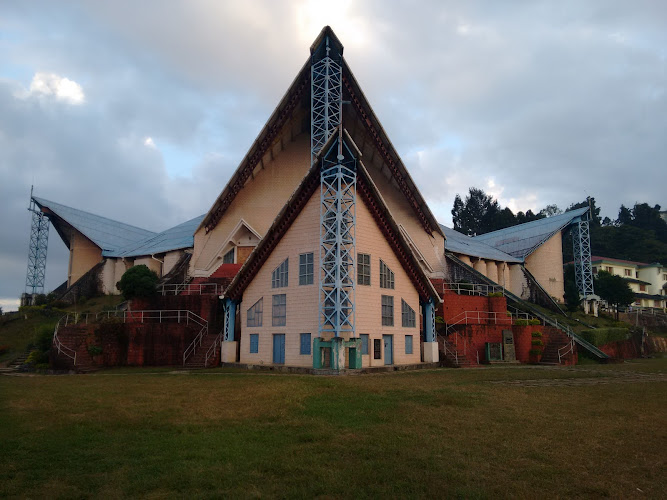
Catholic Church
Find Accommodations Nearby
Recommended Tours & Activities
Visitor Reviews
There are no reviews yet. Be the first one to write one.
Share Your Experience
Have you visited Japfü Peak? Help other travelers by leaving a review.