
Shush Museum NDL
About Shush Museum NDL
Description
The Shush Museum, sometimes referred to as the National Documentation Library (NDL) of Shush, is one of those places that quietly surprises visitors. At first glance, it might look like just another museum, but once inside, it becomes clear that this site holds a deep cultural and historical significance. It’s dedicated to preserving the ancient heritage of Shush, a city that has been at the heart of civilizations for thousands of years. Travelers who enjoy history, archaeology, and old-world stories often find themselves lingering here longer than planned.
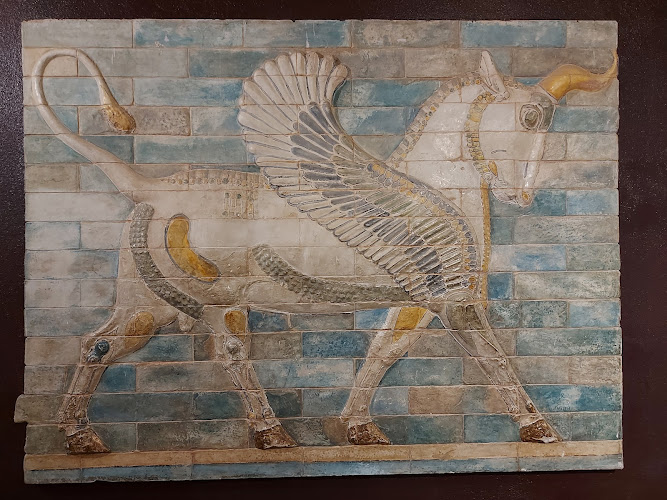
The museum is not massive in size, which I personally find refreshing. You can actually walk through the exhibits without feeling overwhelmed, yet still leave with a sense of awe. The artifacts are carefully curated, ranging from ancient inscriptions and pottery to sculptures and everyday objects that once belonged to the people who lived in this region. And while some museums can feel sterile, this one carries an authentic atmosphere that makes you feel connected to the past.
It’s also worth noting that the museum is accessible. The entrance and restrooms are wheelchair-friendly, making it a considerate stop for travelers of all abilities. Families with kids usually find it manageable too—children often enjoy the visual nature of the displays, even if they don’t fully grasp the historical depth.
Now, if you’re expecting a flashy, high-tech museum experience, this might not be the place. Some displays are more traditional, and the building itself has an older charm that hasn’t been overly modernized. But honestly, that’s part of what makes it special. It feels real, not staged. While not every visitor walks away completely blown away, most leave with a sense of appreciation for the cultural treasures housed here.
Key Features
- Collection of ancient artifacts, including pottery, sculptures, and inscriptions
- Compact layout that allows for an easy yet meaningful visit
- Wheelchair accessible entrance and restrooms for inclusive travel
- Family-friendly environment, suitable for children
- Authentic atmosphere that reflects the rich history of Shush
- Quiet, less-crowded setting compared to larger museums
Best Time to Visit
The best time to visit the Shush Museum is during the cooler months, typically from late autumn through early spring. Summers in this region can be extremely hot, and while the museum itself provides some relief from the heat, the journey there and any outdoor exploration nearby can feel exhausting under the sun. Personally, I’d recommend November or March—pleasant weather, fewer crowds, and a more enjoyable overall experience.
Weekdays are usually quieter, which gives you more space to appreciate the exhibits without feeling rushed. If you’re the kind of traveler who likes to take their time reading descriptions, sketching, or even just sitting and reflecting, weekdays will give you that breathing room. On weekends, you might encounter more families and local visitors, which adds a lively energy but can make it a bit harder to move at your own pace.
How to Get There
Reaching the Shush Museum isn’t overly complicated, but it does require some planning. Most travelers arrive in Shush by road, either from nearby cities or as part of a longer journey through the Khuzestan region. Public transportation is available, though not always the most convenient if you’re carrying luggage or traveling with kids. Hiring a taxi or arranging a private car can save you time and make the trip more comfortable.
If you’re already staying in Shush, the museum is centrally located enough that you can get there quickly. Some visitors even choose to walk if they’re staying nearby, though the heat during certain months can make that less appealing. I once made the mistake of walking there at midday in the summer—it was only about 15 minutes, but it felt like an eternity under the blazing sun. Lesson learned: plan your timing wisely.
Tips for Visiting
A few tips can make your visit to the Shush Museum smoother and more enjoyable. First, give yourself at least an hour or two to wander through the exhibits. While it’s not a huge museum, rushing through would mean missing the details that make it special.
Second, bring water with you. Even though you’ll be indoors for much of the time, the climate outside can be draining, and staying hydrated is key. Comfortable shoes are also a must, especially if you plan on exploring nearby historical sites after your museum visit.
Photography rules can vary, so it’s always best to ask before snapping pictures. Some areas may allow it, while others may not. And if you’re visiting with children, try to engage them by pointing out the more visual pieces—statues, carvings, and objects that tell a story without needing long explanations.
Another personal tip: don’t skip the smaller details. I’ve noticed that some travelers breeze past the less “flashy” items, but often those everyday objects—like ancient tools or household items—tell the most relatable stories. They remind you that people thousands of years ago weren’t all that different in their daily lives.
Lastly, keep your expectations balanced. This isn’t a sprawling mega-museum with endless halls, but rather a concentrated, thoughtful collection. If you approach it with curiosity and patience, you’ll likely walk away with a deeper appreciation for Shush and its role in history.
Key Features
- Collection of ancient artifacts, including pottery, sculptures, and inscriptions
- Compact layout that allows for an easy yet meaningful visit
- Wheelchair accessible entrance and restrooms for inclusive travel
- Family-friendly environment, suitable for children
- Authentic atmosphere that reflects the rich history of Shush
- Quiet, less-crowded setting compared to larger museums
Tours & Activities
GetYourGuide provides this tour inventory. We may earn a commission if you book through it; verify current availability, prices, and terms with the provider.
Visitor Reviews
There are no reviews yet. Be the first one to write one.
Share Your Experience
Have you visited Shush Museum NDL? Help other travelers by leaving a review.