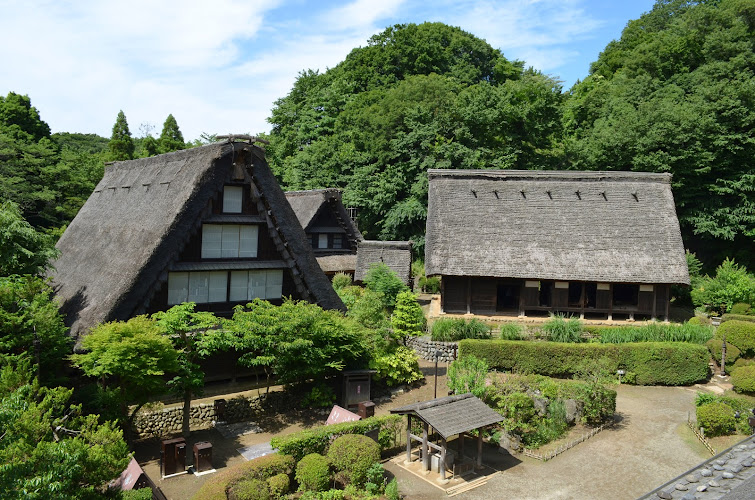
It’s not a flashy museum with glass cases and roped-off exhibits. Instead, it’s a sprawling outdoor collection of traditional Japanese farmhouses, merchant homes, and even a Kabuki stage, all relocated from different corners of Japan. These are not replicas—they’re the real deal, carefully dismantled and rebuilt here in Kawasaki to preserve centuries of history. Walking through the grounds, you can almost hear the echo of daily life from the Edo period, with smoke curling from thatched roofs and the creak of wooden floors beneath your feet.
What makes this museum stand out is how immersive it feels. You don’t just look at these houses—you step inside them, breathe in the scent of old timber, and notice the tiny details like sliding doors worn smooth by generations of hands. Some homes even have open hearths (irori) where staff light fires, so you get the smoky, earthy atmosphere that villagers would have lived with. It’s both educational and oddly comforting, like visiting your grandparents’ countryside home, even if you’ve never had one in Japan.
Of course, no place is perfect. Some visitors find the museum a little quiet or spread out, and if you’re not into architecture or history, you might not linger long. But for those who love cultural heritage, it’s a gem. Families, solo travelers, and even kids tend to enjoy it because it’s hands-on and outdoors—you’re not trapped in a stuffy gallery. And with wheelchair access, rest areas, and even a small restaurant, it’s quite visitor-friendly.
Best Time to Visit
Honestly, the museum changes with the seasons, and that’s part of its charm. In spring, cherry blossoms frame the old houses, making it feel like you’ve walked into a painting. Summer brings lush greenery, though it can get humid, so bring water and a hat. Autumn is perhaps the most magical, with fiery red and golden leaves creating a dramatic backdrop for the dark wooden structures. Winter, on the other hand, is quiet and peaceful—if you catch it after a snowfall, the houses look like something straight out of a folktale.
If you’re someone who doesn’t like crowds, weekdays are your best bet. Weekends can draw school groups and families, especially during seasonal events. Late mornings or early afternoons give you the best light for photos, but the late afternoon glow is also beautiful if you don’t mind shorter visiting hours.
How to Get There
Reaching Nihon Minka-en is fairly straightforward, especially if you’re already exploring Tokyo or Yokohama. From central Tokyo, it’s about an hour by train to Kawasaki, followed by a short bus ride or a pleasant walk. The museum sits near Ikuta Ryokuchi Park, so you can combine your visit with a stroll through the greenery if you have extra time. If you’re traveling with kids or heavy bags, the bus is the easiest option, but if you enjoy stretching your legs, the walk adds a nice build-up to the experience.
For those relying on accessibility, the routes are manageable, with wheelchair-friendly entrances and rest areas once you arrive. Just keep in mind that some of the old houses themselves have steps or uneven flooring, which is part of their authenticity.
Tips for Visiting
Here’s the thing: this isn’t a “rush through in 30 minutes” kind of place. To really enjoy Nihon Minka-en, give yourself at least 2–3 hours. That way you can wander, peek into every house, and maybe even catch a demonstration or seasonal activity. Wear comfortable shoes—paths are mostly easy, but you’ll be walking a fair bit.
If you’re traveling with kids, they’ll love the open spaces and the novelty of stepping into old houses. Just remind them not to run around too wildly inside, since the floors and structures are delicate. For photographers, bring a wide-angle lens if you can; the interiors are cozy and dimly lit, but they make for stunning shots.
Also, don’t skip the small restaurant on-site. It’s not fine dining, but it’s satisfying after a long walk, and there’s something fitting about eating simple Japanese dishes in such a setting. If you prefer, pack a picnic and enjoy it in the park nearby.
One last tip from personal experience—if you’re the type who likes to really soak in the atmosphere, go on a slightly cloudy day. The diffused light makes the houses feel even more atmospheric, and you won’t be fighting harsh shadows in your photos. And bring a little curiosity with you; ask the staff questions, linger by the hearth, imagine the lives lived in these houses. That’s when Nihon Minka-en really comes alive.
 Real Journey Travels