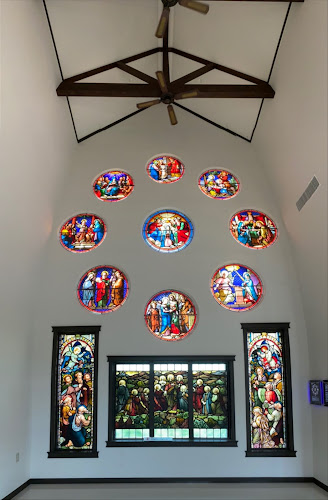
You walk into this quiet building near Kakegawa Castle, and suddenly you’re surrounded by glowing windows that once belonged to churches and grand houses in England and France. The glass is centuries old, mostly from the 19th century, and you can almost sense the history that these windows have witnessed. The museum isn’t huge, but that’s part of its charm—it feels intimate, like you’re being let in on a secret.
What makes it stand out is the way the light filters through the stained glass. On a sunny afternoon, the west-facing windows practically blaze with color, and it’s easy to lose track of time just staring at the details. The works mostly depict biblical scenes and figures, but even if you’re not religious, the artistry is breathtaking. Some visitors say it’s a peaceful, calming experience, while others feel it’s a little too small for the ticket price. Personally, I think it depends on your mindset. If you’re looking for a quick, flashy attraction, you might be underwhelmed. But if you enjoy slow travel, quiet spaces, and art that tells a story, this museum can be deeply rewarding.
I remember the first time I visited, I sat on a bench for nearly twenty minutes just watching how the light shifted across one particular window of St. George. It reminded me of visiting old cathedrals in Europe, except here you don’t have to deal with crowds or hushed tour groups. It’s just you, the glass, and the shifting light. That’s rare in today’s world.
Best Time to Visit
The magic of stained glass depends heavily on sunlight. If you want the most dramatic effect, aim for the afternoon, especially when the sun hits the west-facing windows. The colors come alive in a way that morning light just doesn’t deliver. Spring and autumn are particularly nice because the weather is comfortable, and you can combine your visit with a stroll around the castle grounds or tea fields nearby. Summer afternoons can be hot, but the museum itself is air-conditioned, so it’s a cool retreat. Winter has its charm too—the low sun angle casts long, warm beams through the glass, creating a golden glow.
If you’re someone who likes quiet spaces without too many other visitors, weekdays are your best bet. Weekends can see more travelers, especially families, but even then it’s rarely crowded compared to bigger museums in Tokyo or Kyoto.
How to Get There
Reaching the Kakegawa Stained Glass Museum is straightforward. From Tokyo, hop on the Tokaido Shinkansen and you’ll be at Kakegawa Station in about 90 minutes. From there, it’s roughly a 10-minute walk north toward Kakegawa Castle. The museum sits within the same cultural cluster as the castle and other local attractions, so you won’t have trouble finding it. If you’re coming from Nagoya, the ride is even shorter—just under an hour. For those already exploring Shizuoka Prefecture, local trains and buses connect easily to Kakegawa. Walking is the simplest option once you’re in town, but taxis are available if you prefer.
Personally, I love walking from the station because it gives you a chance to see the slower pace of life in this part of Japan. You pass little shops, tea houses, and the castle moat—it’s a nice prelude before stepping into the quiet glow of the museum.
Tips for Visiting
First tip: give yourself time to sit. Don’t just breeze through the exhibits snapping photos and moving on. The stained glass changes constantly depending on the light, and if you let yourself slow down, you’ll notice details you’d miss otherwise—like the texture of the glass or the tiny imperfections that make each piece unique.
Second, combine your visit with nearby attractions. The castle is right there, and the tea culture of Kakegawa is famous. A morning at the castle, lunch at a local tea café, and an afternoon in the museum makes for a perfectly balanced day.
Third, be aware there’s no restaurant inside the museum, so plan your meals accordingly. Restrooms are available, and the accessibility features make it friendly for travelers with mobility needs.
And finally, don’t expect a massive, blockbuster museum. This is a small, specialized space. If you walk in with the right mindset—looking for beauty, quiet, and a touch of history—you’ll leave with memories that stick. If you’re traveling with kids, it might not hold their attention for long, but older children who enjoy art or history could find it fascinating.
For me, the Kakegawa Stained Glass Museum is one of those “hidden gem” spots where you feel like you’ve stumbled into another world. And honestly, that’s what makes travel so rewarding: finding those places that surprise you, even in the quiet corners of Japan.
 Real Journey Travels