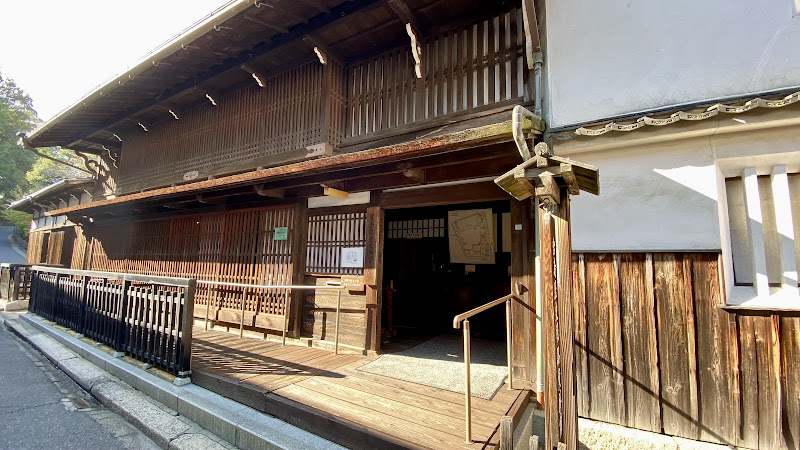
Tucked away from the main tourist flow near Itsukushima Shrine, it offers a slower, quieter way to connect with the island’s past. The museum is housed in a beautifully preserved merchant’s residence from the early 19th century, and walking through the wooden corridors with their polished floors and creaky steps feels like stepping into another era. You’ll find a mix of cultural artifacts here—everything from Edo-period tools and household items to ceremonial treasures connected with the island’s shrines. There’s even a traditional rickshaw and enormous pottery jars that make you wonder how people used them in daily life.
What makes this museum stand out, in my opinion, is how it doesn’t just showcase the “big” history of Miyajima but also the small, everyday details of how people lived. You can sense the rhythms of family life, the work of merchants, and the rituals that tied the community together. It’s not a flashy museum, and some visitors might say it feels a bit old-fashioned, but that’s exactly its charm. If you’re the kind of traveler who enjoys peeling back layers of history without being rushed, this spot is worth lingering in. Kids usually find the oversized tools and quirky displays fascinating, and adults often appreciate the chance to pause and reflect in the central garden.
Best Time to Visit
Timing your visit can make a big difference here. The museum is open year-round, but if you want the most peaceful experience, aim for weekday mornings. That’s when you’re more likely to have the creaky hallways and garden almost to yourself. Spring and autumn are particularly lovely because the garden feels alive with seasonal color—cherry blossoms in April and fiery leaves in November. Summer can be hot and humid, but the shaded interiors of the museum provide a welcome break from the sun. Winter has its own charm too; the quiet atmosphere during the colder months makes the museum feel even more contemplative.
Personally, I think pairing a visit here with a stroll through Itsukushima Shrine works beautifully. After the grandeur of the shrine, the museum offers a more grounded, human perspective. It’s like seeing two sides of the same story: the spiritual and the everyday.
How to Get There
Reaching the Miyajima History and Folklore Museum is straightforward once you’re on the island. After arriving by ferry, most visitors head toward Itsukushima Shrine. From there, it’s just a short walk further along the quieter side streets. The location is slightly off the main tourist trail, which is part of why it retains such a calm atmosphere. You won’t find big flashy signs pointing the way, so keep an eye out for the traditional wooden gate and the museum’s understated entrance.
If you’re coming from Hiroshima, the standard route is to take the JR Sanyo Line to Miyajimaguchi Station, then hop on the ferry. The whole journey takes under an hour, and once you’re on Miyajima, everything is easily walkable. Just be prepared for a bit of uphill walking and narrow lanes—it’s part of the charm.
Tips for Visiting
Here are a few things I’ve learned (sometimes the hard way) that might help you enjoy your visit even more:
- Take your time: Don’t rush through. The museum isn’t huge, but the details—like the grain of the old wood or the way the garden frames the light—are easy to miss if you’re in a hurry.
- Bring cash: Some smaller attractions on Miyajima still prefer cash for entry fees, and it’s always handy to have a few yen coins in your pocket.
- Mind accessibility: The museum is set in an old house, so wheelchair access is limited and there are steps and uneven floors. If mobility is a concern, plan accordingly.
- Visit with kids: Children often enjoy spotting the oversized jars and tools. It’s a good way to get them curious about how life used to be without feeling like they’re in “just another museum.”
- Pair with nearby sights: Combine your visit with Itsukushima Shrine, Daisho-in Temple, or even a short hike if you’re feeling energetic. The museum works best as part of a broader day on the island.
- Photography: While photography is usually allowed in most areas, be respectful of signs and avoid flash in delicate rooms. The natural light filtering through the paper screens makes for beautiful shots anyway.
And honestly, don’t be afraid to just sit for a while in the garden. I once found myself there on a drizzly afternoon, watching raindrops ripple across the pond, and it ended up being one of my favorite memories from Miyajima. Sometimes the best travel experiences aren’t the flashy ones but the quiet pauses in between.
 Real Journey Travels