
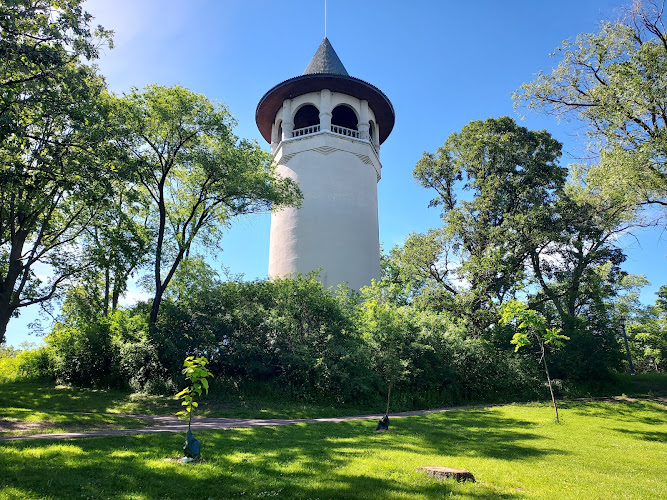
Prospect Park Water Tower
About Prospect Park Water Tower
Description
The Prospect Park Water Tower, affectionately dubbed the Witch’s Hat Water Tower by locals, is one of those quirky landmarks that somehow captures your imagination the moment you spot it. Standing tall since 1913-14, this isn’t just any old water tower—it’s a piece of Minneapolis history wrapped in a charming, almost storybook-like design. The tower’s distinctive conical roof, shaped like a witch’s hat (hence the nickname), sets it apart from the usual utilitarian water towers you see elsewhere. It’s like the city decided to sprinkle a little whimsy into its skyline, and honestly, it works.
Walking around the tower, you get a real sense of the neighborhood’s character. Prospect Park itself is known for its artistic vibe and tight-knit community, and the tower has become more than just a structure; it’s a symbol of local pride and identity. If you’re into architecture or history, you’ll appreciate how the tower embodies early 20th-century design with a unique flair. It’s even listed on the National Register of Historic Places, which tells you it’s got serious cultural weight beyond just being a cool photo op.
Now, I’ve gotta be honest—this place isn’t some flashy tourist trap. It’s quiet, a little off the beaten path, and that’s exactly why it’s worth your time. You won’t find crowds swarming here, which makes it perfect for those who like to soak in history at their own pace or just enjoy a peaceful stroll with a view. The tower is currently closed for interior tours and stair access due to ongoing repairs, but the exterior and the surrounding park still offer plenty to admire and explore. Plus, the community’s efforts to preserve and restore the tower show just how much it means to the people who live here.
Key Features
- Unique witch’s hat-shaped conical roof—instantly recognizable and photogenic
- Built in 1913-14, offering a glimpse into early 20th-century water tower design
- Listed on the National Register of Historic Places, highlighting its historical significance
- Located in the Prospect Park neighborhood, a hub for artists and community spirit
- Surrounded by green spaces and walking paths—perfect for a leisurely visit
- Offers panoramic views of the Minneapolis skyline and University of Minnesota campus from nearby vantage points
- Recent restoration efforts funded by the city ensure its preservation for future generations
Best Time to Visit
If you ask me, the best time to swing by the Prospect Park Water Tower is during the late spring through early fall. The weather’s just right for wandering around outside without freezing your toes off or sweating buckets. Plus, the surrounding park area really comes alive with greenery and blooms, making your visit feel that much more vibrant (without using the word “vibrant,” promise!).
Sunset visits are something special here. The tower’s silhouette against the colorful sky creates a perfect photo moment—seriously, it’s like a painting come to life. I’ve been lucky enough to catch a few sunsets here, and each time the changing light adds a new layer of magic to the scene. Just be sure to get there a little early to snag a good spot and soak in the atmosphere before the sun dips below the horizon.
Winter visits? Well, if you’re tough enough to brave the cold Minneapolis winters, the snow-covered tower is a sight to behold. But keep in mind the stairs and interior remain closed, so your visit will be all about the exterior and the neighborhood vibe.
How to Get There
Getting to the Prospect Park Water Tower is pretty straightforward, but here’s a little insider tip: don’t expect it to be right in the heart of downtown Minneapolis. It’s tucked away in the Prospect Park neighborhood, which is just southeast of the University of Minnesota campus. If you’re driving, there’s street parking nearby, but it can fill up on weekends or during local events, so plan accordingly.
If you prefer public transit, Minneapolis’ bus system has routes that drop you within walking distance of the tower. It’s a nice option if you want to avoid the hassle of parking and get a feel for the neighborhood as you approach. Walking or biking from the university area is also a solid choice, especially on a nice day. The neighborhood streets are bike-friendly, and you’ll get to enjoy some local shops and cafes along the way.
For those who like a little adventure, consider combining your visit with a stroll along the nearby Mississippi River trails or a stop at one of the local eateries. The area around the tower isn’t just about the landmark itself; it’s an experience of community and local culture.
Tips for Visiting
Alright, here’s the scoop if you’re planning a visit to the Prospect Park Water Tower. First off, bring your camera or smartphone because this place is a goldmine for unique shots. The tower’s quirky design and the surrounding greenery make for some seriously cool photos, especially during golden hour.
Since the interior is currently closed for repairs, don’t expect to climb up or get inside just yet. But that’s okay—there’s still plenty to enjoy outside. Take your time exploring the park area, and maybe bring a picnic if the weather’s nice. It’s one of those spots where you can just chill, watch the neighborhood life go by, and feel connected to a piece of Minneapolis history.
Wear comfortable shoes because the area around the tower has some gentle hills and uneven paths. And if you’re visiting in the warmer months, pack some bug spray—those Midwestern mosquitoes can be relentless!
One thing I appreciate about this spot is how the local community rallies around it. If you happen to be around during one of the occasional neighborhood events or restoration fundraisers, don’t miss the chance to join in. It’s a great way to meet locals and hear some fascinating stories about the tower and the neighborhood’s past.
Lastly, don’t rush your visit. This isn’t a place to just tick off your list and run. Sit back, soak it all in, and maybe even chat with a local or two. You’ll leave with a better sense of why this oddball water tower means so much to the people who call Prospect Park home.
Key Features
- Unique witch’s hat-shaped conical roof—instantly recognizable and photogenic
- Built in 1913-14, offering a glimpse into early 20th-century water tower design
- Listed on the National Register of Historic Places, highlighting its historical significance
- Located in the Prospect Park neighborhood, a hub for artists and community spirit
- Surrounded by green spaces and walking paths—perfect for a leisurely visit
- Offers panoramic views of the Minneapolis skyline and University of Minnesota campus from nearby vantage points
- Recent restoration efforts funded by the city ensure its preservation for future generations
More Details
Updated July 21, 2025
Table of Contents
Description
The Prospect Park Water Tower, affectionately dubbed the Witch’s Hat Water Tower by locals, is one of those quirky landmarks that somehow captures your imagination the moment you spot it. Standing tall since 1913-14, this isn’t just any old water tower—it’s a piece of Minneapolis history wrapped in a charming, almost storybook-like design. The tower’s distinctive conical roof, shaped like a witch’s hat (hence the nickname), sets it apart from the usual utilitarian water towers you see elsewhere. It’s like the city decided to sprinkle a little whimsy into its skyline, and honestly, it works.
Walking around the tower, you get a real sense of the neighborhood’s character. Prospect Park itself is known for its artistic vibe and tight-knit community, and the tower has become more than just a structure; it’s a symbol of local pride and identity. If you’re into architecture or history, you’ll appreciate how the tower embodies early 20th-century design with a unique flair. It’s even listed on the National Register of Historic Places, which tells you it’s got serious cultural weight beyond just being a cool photo op.
Now, I’ve gotta be honest—this place isn’t some flashy tourist trap. It’s quiet, a little off the beaten path, and that’s exactly why it’s worth your time. You won’t find crowds swarming here, which makes it perfect for those who like to soak in history at their own pace or just enjoy a peaceful stroll with a view. The tower is currently closed for interior tours and stair access due to ongoing repairs, but the exterior and the surrounding park still offer plenty to admire and explore. Plus, the community’s efforts to preserve and restore the tower show just how much it means to the people who live here.
Key Features
- Unique witch’s hat-shaped conical roof—instantly recognizable and photogenic
- Built in 1913-14, offering a glimpse into early 20th-century water tower design
- Listed on the National Register of Historic Places, highlighting its historical significance
- Located in the Prospect Park neighborhood, a hub for artists and community spirit
- Surrounded by green spaces and walking paths—perfect for a leisurely visit
- Offers panoramic views of the Minneapolis skyline and University of Minnesota campus from nearby vantage points
- Recent restoration efforts funded by the city ensure its preservation for future generations
Best Time to Visit
If you ask me, the best time to swing by the Prospect Park Water Tower is during the late spring through early fall. The weather’s just right for wandering around outside without freezing your toes off or sweating buckets. Plus, the surrounding park area really comes alive with greenery and blooms, making your visit feel that much more vibrant (without using the word “vibrant,” promise!).
Sunset visits are something special here. The tower’s silhouette against the colorful sky creates a perfect photo moment—seriously, it’s like a painting come to life. I’ve been lucky enough to catch a few sunsets here, and each time the changing light adds a new layer of magic to the scene. Just be sure to get there a little early to snag a good spot and soak in the atmosphere before the sun dips below the horizon.
Winter visits? Well, if you’re tough enough to brave the cold Minneapolis winters, the snow-covered tower is a sight to behold. But keep in mind the stairs and interior remain closed, so your visit will be all about the exterior and the neighborhood vibe.
How to Get There
Getting to the Prospect Park Water Tower is pretty straightforward, but here’s a little insider tip: don’t expect it to be right in the heart of downtown Minneapolis. It’s tucked away in the Prospect Park neighborhood, which is just southeast of the University of Minnesota campus. If you’re driving, there’s street parking nearby, but it can fill up on weekends or during local events, so plan accordingly.
If you prefer public transit, Minneapolis’ bus system has routes that drop you within walking distance of the tower. It’s a nice option if you want to avoid the hassle of parking and get a feel for the neighborhood as you approach. Walking or biking from the university area is also a solid choice, especially on a nice day. The neighborhood streets are bike-friendly, and you’ll get to enjoy some local shops and cafes along the way.
For those who like a little adventure, consider combining your visit with a stroll along the nearby Mississippi River trails or a stop at one of the local eateries. The area around the tower isn’t just about the landmark itself; it’s an experience of community and local culture.
Tips for Visiting
Alright, here’s the scoop if you’re planning a visit to the Prospect Park Water Tower. First off, bring your camera or smartphone because this place is a goldmine for unique shots. The tower’s quirky design and the surrounding greenery make for some seriously cool photos, especially during golden hour.
Since the interior is currently closed for repairs, don’t expect to climb up or get inside just yet. But that’s okay—there’s still plenty to enjoy outside. Take your time exploring the park area, and maybe bring a picnic if the weather’s nice. It’s one of those spots where you can just chill, watch the neighborhood life go by, and feel connected to a piece of Minneapolis history.
Wear comfortable shoes because the area around the tower has some gentle hills and uneven paths. And if you’re visiting in the warmer months, pack some bug spray—those Midwestern mosquitoes can be relentless!
One thing I appreciate about this spot is how the local community rallies around it. If you happen to be around during one of the occasional neighborhood events or restoration fundraisers, don’t miss the chance to join in. It’s a great way to meet locals and hear some fascinating stories about the tower and the neighborhood’s past.
Lastly, don’t rush your visit. This isn’t a place to just tick off your list and run. Sit back, soak it all in, and maybe even chat with a local or two. You’ll leave with a better sense of why this oddball water tower means so much to the people who call Prospect Park home.
Key Highlights
- Unique witch’s hat-shaped conical roof—instantly recognizable and photogenic
- Built in 1913-14, offering a glimpse into early 20th-century water tower design
- Listed on the National Register of Historic Places, highlighting its historical significance
- Located in the Prospect Park neighborhood, a hub for artists and community spirit
- Surrounded by green spaces and walking paths—perfect for a leisurely visit
- Offers panoramic views of the Minneapolis skyline and University of Minnesota campus from nearby vantage points
- Recent restoration efforts funded by the city ensure its preservation for future generations
Location
Places to Stay Near Prospect Park Water Tower
Find and Book a Tour
Explore More Travel Guides
No reviews found! Be the first to review!
Traveler Reviews for Prospect Park Water Tower
There are no reviews yet. Be the first one to write one.
Have you visited Prospect Park Water Tower? Help other travelers by sharing your review.
You Might Also Like
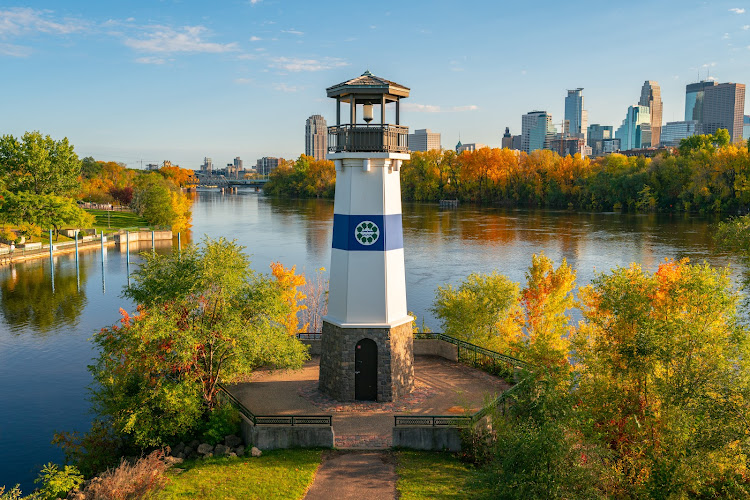
Boom Island Park
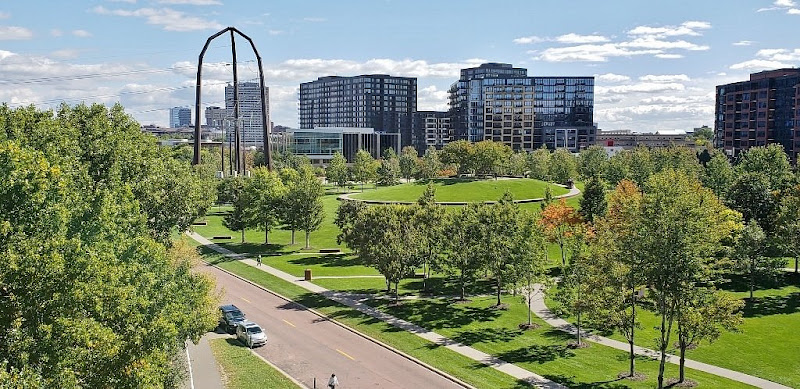
Gold Medal Park
iFLY Indoor Skydiving - Minneapolis
Find Accommodations Nearby
Recommended Tours & Activities
Visitor Reviews
There are no reviews yet. Be the first one to write one.
Share Your Experience
Have you visited Prospect Park Water Tower? Help other travelers by leaving a review.