
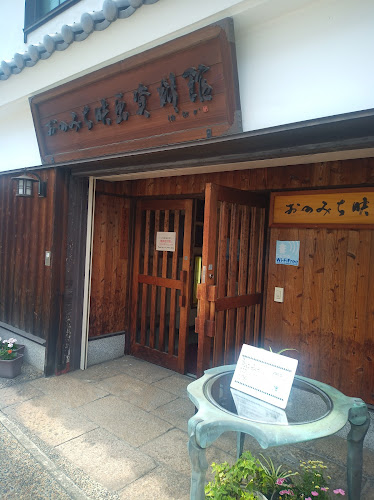
Onomichi Motion Picture Museum
About Onomichi Motion Picture Museum
Description
The Onomichi Motion Picture Museum is one of those places that quietly sneaks up on you. At first glance, it might seem like just another small-town museum, but step inside and you realize it’s more like a love letter to Japanese cinema and the role this little port town has played in it. Onomichi has been the backdrop for countless films—Ozu’s Tokyo Story being the most famous—and the museum gathers that legacy into one compact but surprisingly rich space. It’s not flashy, and honestly, that’s what makes it charming. You’ll find old film posters, projectors that look like they belong in your grandfather’s attic, and personal artifacts from directors who once wandered these same hilly streets.
Now, is everything polished and state-of-the-art? Not really. Some of the exhibits feel dated, and if you’re expecting a giant, interactive experience like the big city museums, you might be a little underwhelmed. But if you’re the type who enjoys slowing down, poking around in corners, and feeling like you’ve stumbled into a piece of living history, you’ll probably leave with a smile. I remember standing in front of a black-and-white film still and thinking, “Wow, this town hasn’t changed much at all.” That’s the magic of Onomichi—it’s as if the streets themselves are part of the exhibit.
The museum is modest in size, which makes it easy to digest in an hour or two. It’s perfect for a break between climbing temple steps or wandering the narrow alleys that overlook the Seto Inland Sea. Practical details matter too: there’s Wi-Fi and clean restrooms, but no café or restaurant, so don’t arrive hungry. And while there is no designated wheelchair parking, the building itself is relatively accessible once you’re inside. Overall, it’s not a grand spectacle but rather a thoughtful stop for travelers who want to understand why filmmakers have been drawn to Onomichi for decades.
Key Features
- Exhibits dedicated to films shot in Onomichi, including classics like Ozu’s Tokyo Story
- Vintage film equipment and projectors on display
- Rotating exhibits highlighting directors and local cinematic history
- Compact layout that’s easy to explore without feeling rushed
- Free Wi-Fi and restrooms available on-site
- Atmosphere that reflects the town’s nostalgic, cinematic charm
Best Time to Visit
Honestly, the museum itself is an all-weather kind of spot. Rainy day? Perfect excuse to duck inside and soak up some film history. Sunny day? You’ll probably want to combine it with a stroll through Senkoji Park or a ride up the ropeway for those killer sea views. If I had to pick, I’d say spring and autumn are the sweet spots. In spring, cherry blossoms frame the town like a movie set, and in autumn, the crisp air makes wandering Onomichi’s hills feel less like a workout and more like a gentle adventure. Summer can be hot and sticky, and winter can feel a bit quiet, but even then the museum offers a cozy escape.
How to Get There
Getting to the Onomichi Motion Picture Museum is part of the fun. Onomichi itself is well-connected by train—just hop off at Onomichi Station, and from there it’s a short walk through the town’s charming streets. You’ll pass by little cafés, bookstores, and maybe even a cat or two lounging in the sun (Onomichi is famous for them). If you’re coming from Hiroshima, it’s about an hour by train, which makes it an easy day trip. From the station, follow the signs or just ask a local; people here are used to visitors and usually happy to point you in the right direction.
Driving is possible too, but parking can be tricky in Onomichi’s narrow streets. Personally, I’d recommend sticking to public transport—it’s less hassle and lets you enjoy the town at a slower, more cinematic pace.
Tips for Visiting
Here’s the thing: the museum isn’t huge, so don’t expect to spend half a day here. Plan for about an hour, maybe two if you like to linger over every detail. Pair it with other attractions in town, like the Senkoji Temple walk or the Literature Path, to make a full day of cultural exploring.
Bring a little curiosity with you. Some of the displays don’t have English explanations, so if you don’t read Japanese, you might need to rely on visuals or a translation app. But honestly, sometimes not knowing every detail makes the experience feel more personal—you interpret the artifacts in your own way.
Another tip: eat before you go. There’s no café inside, but Onomichi is famous for its ramen, and there are plenty of little shops nearby where you can grab a bowl before or after your visit. And if you’re into photography, don’t forget your camera. The museum itself doesn’t allow flash, but the surrounding streets are like stepping onto a film set—perfect for capturing your own cinematic moments.
So, go in with the right expectations. It’s not about high-tech displays or blockbuster attractions. It’s about stepping into a quieter, more nostalgic side of Japanese cinema and seeing how a small town carved out a big role in film history. If you’re a movie buff, you’ll love it. If not, you might still walk away with a deeper appreciation for Onomichi and its timeless charm.
Key Features
- Vintage film equipment and projectors on display
- Rotating exhibits highlighting directors and local cinematic history
- Compact layout that’s easy to explore without feeling rushed
- Free Wi-Fi and restrooms available on-site
- Atmosphere that reflects the town’s nostalgic, cinematic charm
More Details
Updated September 9, 2025
Table of Contents
Description
The Onomichi Motion Picture Museum is one of those places that quietly sneaks up on you. At first glance, it might seem like just another small-town museum, but step inside and you realize it’s more like a love letter to Japanese cinema and the role this little port town has played in it. Onomichi has been the backdrop for countless films—Ozu’s Tokyo Story being the most famous—and the museum gathers that legacy into one compact but surprisingly rich space. It’s not flashy, and honestly, that’s what makes it charming. You’ll find old film posters, projectors that look like they belong in your grandfather’s attic, and personal artifacts from directors who once wandered these same hilly streets.
Now, is everything polished and state-of-the-art? Not really. Some of the exhibits feel dated, and if you’re expecting a giant, interactive experience like the big city museums, you might be a little underwhelmed. But if you’re the type who enjoys slowing down, poking around in corners, and feeling like you’ve stumbled into a piece of living history, you’ll probably leave with a smile. I remember standing in front of a black-and-white film still and thinking, “Wow, this town hasn’t changed much at all.” That’s the magic of Onomichi—it’s as if the streets themselves are part of the exhibit.
The museum is modest in size, which makes it easy to digest in an hour or two. It’s perfect for a break between climbing temple steps or wandering the narrow alleys that overlook the Seto Inland Sea. Practical details matter too: there’s Wi-Fi and clean restrooms, but no café or restaurant, so don’t arrive hungry. And while there is no designated wheelchair parking, the building itself is relatively accessible once you’re inside. Overall, it’s not a grand spectacle but rather a thoughtful stop for travelers who want to understand why filmmakers have been drawn to Onomichi for decades.
Key Features
- Exhibits dedicated to films shot in Onomichi, including classics like Ozu’s Tokyo Story
- Vintage film equipment and projectors on display
- Rotating exhibits highlighting directors and local cinematic history
- Compact layout that’s easy to explore without feeling rushed
- Free Wi-Fi and restrooms available on-site
- Atmosphere that reflects the town’s nostalgic, cinematic charm
Best Time to Visit
Honestly, the museum itself is an all-weather kind of spot. Rainy day? Perfect excuse to duck inside and soak up some film history. Sunny day? You’ll probably want to combine it with a stroll through Senkoji Park or a ride up the ropeway for those killer sea views. If I had to pick, I’d say spring and autumn are the sweet spots. In spring, cherry blossoms frame the town like a movie set, and in autumn, the crisp air makes wandering Onomichi’s hills feel less like a workout and more like a gentle adventure. Summer can be hot and sticky, and winter can feel a bit quiet, but even then the museum offers a cozy escape.
How to Get There
Getting to the Onomichi Motion Picture Museum is part of the fun. Onomichi itself is well-connected by train—just hop off at Onomichi Station, and from there it’s a short walk through the town’s charming streets. You’ll pass by little cafés, bookstores, and maybe even a cat or two lounging in the sun (Onomichi is famous for them). If you’re coming from Hiroshima, it’s about an hour by train, which makes it an easy day trip. From the station, follow the signs or just ask a local; people here are used to visitors and usually happy to point you in the right direction.
Driving is possible too, but parking can be tricky in Onomichi’s narrow streets. Personally, I’d recommend sticking to public transport—it’s less hassle and lets you enjoy the town at a slower, more cinematic pace.
Tips for Visiting
Here’s the thing: the museum isn’t huge, so don’t expect to spend half a day here. Plan for about an hour, maybe two if you like to linger over every detail. Pair it with other attractions in town, like the Senkoji Temple walk or the Literature Path, to make a full day of cultural exploring.
Bring a little curiosity with you. Some of the displays don’t have English explanations, so if you don’t read Japanese, you might need to rely on visuals or a translation app. But honestly, sometimes not knowing every detail makes the experience feel more personal—you interpret the artifacts in your own way.
Another tip: eat before you go. There’s no café inside, but Onomichi is famous for its ramen, and there are plenty of little shops nearby where you can grab a bowl before or after your visit. And if you’re into photography, don’t forget your camera. The museum itself doesn’t allow flash, but the surrounding streets are like stepping onto a film set—perfect for capturing your own cinematic moments.
So, go in with the right expectations. It’s not about high-tech displays or blockbuster attractions. It’s about stepping into a quieter, more nostalgic side of Japanese cinema and seeing how a small town carved out a big role in film history. If you’re a movie buff, you’ll love it. If not, you might still walk away with a deeper appreciation for Onomichi and its timeless charm.
Key Highlights
- Vintage film equipment and projectors on display
- Rotating exhibits highlighting directors and local cinematic history
- Compact layout that’s easy to explore without feeling rushed
- Free Wi-Fi and restrooms available on-site
- Atmosphere that reflects the town’s nostalgic, cinematic charm
Location
Places to Stay Near Onomichi Motion Picture Museum
Find and Book a Tour
Explore More Travel Guides
No reviews found! Be the first to review!
Traveler Reviews for Onomichi Motion Picture Museum
There are no reviews yet. Be the first one to write one.
Have you visited Onomichi Motion Picture Museum? Help other travelers by sharing your review.
You Might Also Like

Nakata Museum
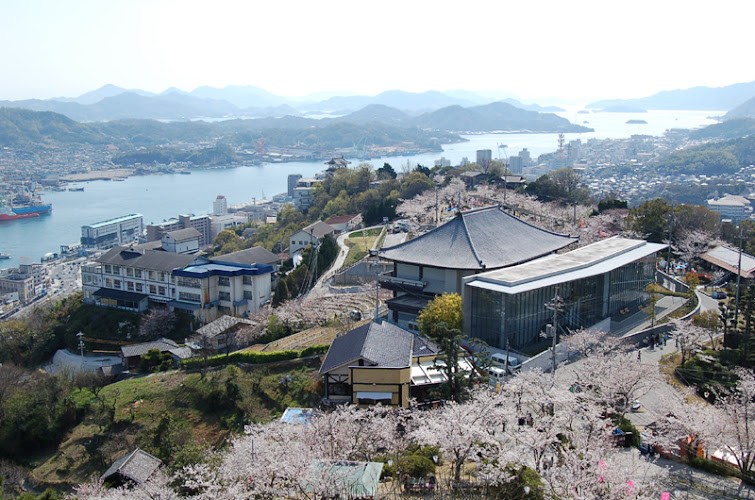
Onomichi City Museum of Art
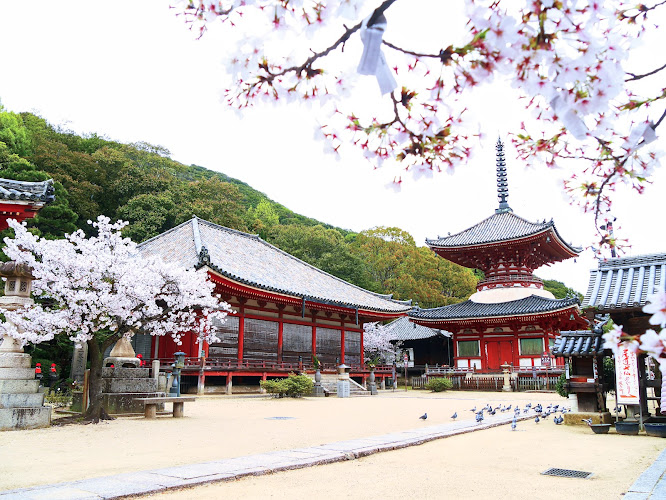
Jodo Temple
Find Accommodations Nearby
Recommended Tours & Activities
Visitor Reviews
There are no reviews yet. Be the first one to write one.
Share Your Experience
Have you visited Onomichi Motion Picture Museum? Help other travelers by leaving a review.